signs of insomnia and how to treat

signs of insomnia and how to treat

Signs of Insomnia

Insomnia is a common sleep disorder characterized by difficulty falling asleep, staying asleep, or waking up too early and not being able to go back to sleep. Understanding the signs and symptoms of insomnia is essential for effective treatment.

1. Difficulty Falling Asleep

One of the most prominent signs of insomnia is the inability to fall asleep within a reasonable period, usually defined as 30 minutes or longer. This struggle can stem from racing thoughts, anxiety, or discomfort in the sleeping environment. If you frequently find yourself lying awake in bed, staring at the ceiling and watching the clock tick away, this may indicate insomnia.

2. Frequent Night Awakenings

Waking up multiple times throughout the night is another hallmark of insomnia. If you find yourself waking up more than once and have trouble going back to sleep, it can disrupt your sleep cycle, leading to feelings of exhaustion during the day.

3. Waking Up Too Early

Individuals with insomnia may wake up significantly earlier than intended and be unable to fall back asleep. This premature awakening can lead to frustration and anxiety, exacerbating the condition.

4. Poor Sleep Quality

Even if you manage to get a fair amount of sleep, insomnia often affects its quality. You might feel as though your sleep is restless or unrefreshing, leading to daytime fatigue and irritability. Poor sleep quality can impact cognitive functions, memory, and emotional stability.

5. Daytime Fatigue

Chronic insomnia typically results in noticeable daytime consequences. Persistent tiredness, lack of energy, and difficulty concentrating are major signs that your sleep is not restoring your body’s energy levels.

6. Mood Changes

Insomnia can severely impact your emotional well-being. Individuals may experience mood swings, irritability, anxiety, or even depression due to inadequate sleep. Recognizing these changes can help in identifying insomnia’s toll on mental health.

7. Increased Responsiveness to Stress

With chronic lack of sleep, your ability to cope with stress diminishes. Your body becomes highly responsive to stress hormones, leading to heightened feelings of anxiety and panic.

8. Behavioral Changes

Insomnia can manifest in altered behaviors such as decreased motivation, withdrawal from social interactions, or reduced performance at work or in daily activities. These behavioral changes often stem from fatigue and mood alterations.

9. Physical Symptoms

Chronic insomnia may lead to physical symptoms such as headaches, gastrointestinal discomfort, or increased susceptibility to illnesses due to a weakened immune system. These physical ailments can further complicate the sleep disorder.

10. Dependency on Sleep Aids

Reliance on over-the-counter or prescription sleep medications can indicate insomnia. While these aids may provide temporary relief, long-term reliance can negatively affect sleep quality and overall health.

How to Treat Insomnia

Treating insomnia effectively often requires a multi-faceted approach involving lifestyle changes, behavioral therapy, and medical interventions if necessary. Here are comprehensive treatment options:

1. Cognitive Behavioral Therapy for Insomnia (CBT-I)

Cognitive Behavioral Therapy for Insomnia is a structured program designed to help individuals identify and replace thoughts and behaviors that cause or worsen sleep problems. CBT-I typically includes:

  • Sleep Education: Gaining insights into sleep cycles and factors affecting sleep.
  • Sleep Restriction: Limiting time in bed to align with your actual sleep duration.
  • Stimulus Control: Creating a sleep-conducive environment by associating the bed solely with sleep.

2. Sleep Hygiene Improvements

Practicing good sleep hygiene can significantly improve sleep quality. Recommendations include:

  • Consistency in Sleep Schedule: Go to bed and wake up at the same time daily, even on weekends.
  • Comfortable Sleep Environment: Ensure your bedroom is dark, quiet, and at a comfortable temperature. Invest in a supportive mattress and pillows.
  • Limit Screen Time: Avoid screens at least one hour before bed, as blue light can interfere with melatonin production.
  • Create a Relaxation Routine: Engage in calming activities, such as reading or meditating, before bedtime.

3. Lifestyle Modifications

Certain lifestyle changes can alleviate insomnia symptoms:

  • Regular Physical Activity: Engaging in regular exercise can help regulate sleep patterns. Aim for at least 30 minutes of moderate exercise most days, but avoid vigorous activity close to bedtime.
  • Limit Caffeine and Alcohol Intake: Both substances can interfere with sleep patterns. Aim to avoid them several hours before bedtime.
  • Eat a Balanced Diet: A nutritious diet, rich in whole foods and low in processed sugars, can positively impact sleep quality.

4. Mindfulness and Relaxation Techniques

Mindfulness practices can considerably reduce anxiety and promote better sleep. Consider techniques such as:

  • Meditation: Regular meditation can calm the mind, making it easier to fall asleep.
  • Yoga: Practicing yoga before bedtime can help reduce tension and encourage relaxation.
  • Deep Breathing: Engaging in deep breathing exercises can lower stress levels and promote relaxation.

5. Exposure to Natural Light

Natural light exposure during the day helps regulate the body’s circadian rhythm. Spend time outside during daylight hours, especially in the morning. If this isn’t possible, consider using a light therapy box.

6. Supplements

Some natural supplements may help regulate sleep when used in moderation:

  • Melatonin: A hormone that helps regulate sleep-wake cycles, melatonin supplements can be effective for people with insomnia. Consult with a healthcare provider for dosage recommendations.
  • Valerian Root: Valerian supplements may provide a calming effect and help improve sleep quality.

7. Professional Help

If insomnia persists despite trying home remedies and lifestyle changes, consider consulting a healthcare professional. They can help diagnose potential underlying conditions contributing to insomnia, such as sleep apnea, anxiety disorders, or depression, and provide guidance on appropriate treatment options.

8. Prescription Medications

In cases where lifestyle changes and therapy are insufficient, healthcare providers may prescribe sleep medications. These should be used with caution due to potential side effects and the risk of dependency. Available options include:

  • Benzodiazepines: These can be effective but are typically used short-term due to their addictive potential.
  • Non-benzodiazepine Sleep Aids: Medications such as zolpidem can assist with sleep onset but also work best for short-term use.

9. Alternative Therapies

Exploring alternative treatments may also provide relief. Acupuncture, aromatherapy, or herbal treatments like chamomile tea and lavender may help promote relaxation and better sleep.

10. Cultural and Educational Resources

Engaging in workshops or seminars on sleep health can also provide individuals with the necessary tools and strategies to combat insomnia.

Persistent insomnia can disrupt your life in numerous ways, impacting daily functionality and overall health. Recognizing the signs is crucial in seeking appropriate treatment. The combination of proper diagnostics, lifestyle adjustments, and therapies can pave the way toward improved sleep and better health outcomes.

signs of insomnia and how to treat

signs of insomnia and how to treat

Understanding Insomnia

Insomnia is a common sleep disorder characterized by difficulty falling or staying asleep, leading to daytime fatigue and impaired functioning. Insomnia can be acute (short-term) or chronic (long-lasting). According to the American Sleep Association, approximately 30% of adults experience insomnia symptoms, while about 10% have chronic insomnia.

Signs of Insomnia

Recognizing insomnia involves identifying key signs and symptoms. Here are some definitive markers to assess whether you or someone you know may struggle with this disorder:

1. Difficulty Falling Asleep

Individuals with insomnia often find it challenging to fall asleep, taking longer than 30 minutes to drift off. This difficulty can lead to anxiety about bedtime, creating a negative feedback loop that exacerbates the problem.

2. Frequent Awakenings

People with insomnia frequently wake up during the night and struggle to return to sleep. This can occur multiple times, significantly disrupting overall sleep quality and leading to insomnia’s associated symptoms.

3. Waking Up Early

Another common sign is waking up earlier than desired, often feeling unrefreshed and unable to go back to sleep. Individuals may come to dread mornings because they feel tired and lacking energy.

4. Daytime Sleepiness

Daytime fatigue is a hallmark of insomnia. Affected individuals may experience a lack of motivation, irritability, or difficulty concentrating, impairing job performance and interpersonal relationships.

5. Mood Changes

Insomnia can manifest through mood disturbances, including heightened anxiety, increased stress, or feelings of depression. These changes often result from chronic sleep deprivation’s physiological and psychological effects.

6. Reliance on Sleep Aids

Chronic insomniacs sometimes rely on over-the-counter sleep medications or prescription drugs to help them sleep, which may lead to a cycle of dependency further complicating the sleep issue.

7. Lifestyle Changes

People may notice increased caffeine or alcohol consumption in an attempt to cope with sleeplessness or to negotiate their long work hours. Over time, these habits can worsen insomnia.

8. Cognitive Impairments

Chronic insomnia can impair cognitive functioning, including memory lapses and diminished problem-solving skills. Tasks that require focus become more challenging, leading to decreased productivity.

Causes of Insomnia

Understanding the causes of insomnia can help target treatment more effectively. Some of the most common causes include:

1. Stress and Anxiety

High-stress levels related to work, finances, relationships, or major life changes can trigger insomnia. Anxiety often leads to racing thoughts that make relaxation difficult.

2. Depression

Insomnia can occur as a symptom of depression. Individuals may experience altered sleep patterns, such as hypersomnia (excessive sleepiness) or insomnia.

3. Medical Conditions

Chronic pain, arthritis, asthma, and gastroesophageal reflux disease (GERD) can interfere with restful sleep. Addressing these conditions often alleviates sleep problems.

4. Medications

Certain medications, including those for hypertension, asthma, depression, and anxiety, can disrupt the sleep cycle. It’s important to consult a healthcare professional if you suspect this is the case.

5. Lifestyle Habits

Poor sleep hygiene, such as irregular sleep schedules, excessive screen time before bed, or strenuous exercise too close to bedtime, can contribute to insomnia. The body’s internal clock relies on consistency for optimal sleep.

Natural Treatments for Insomnia

Several natural treatments can effectively alleviate insomnia symptoms. Here are some recommended strategies:

1. Cognitive Behavioral Therapy for Insomnia (CBT-I)

CBT-I is a structured program that helps individuals identify and replace thoughts and behaviors causing or worsening sleep problems. It is considered the first-line treatment for chronic insomnia and can produce long-lasting benefits.

2. Mindfulness and Relaxation Techniques

Practicing mindfulness, meditation, or relaxation techniques, such as progressive muscle relaxation or deep breathing, can help calm racing thoughts and promote a sense of peace conducive to sleep.

3. Sleep Hygiene Practices

Improving sleep hygiene can drastically reduce insomnia symptoms. Key practices include:

  • Consistency: Go to bed and wake up at the same time daily, even on weekends.
  • Comfortable Environment: Ensure the sleep environment is dark, quiet, and cool. Consider blackout curtains and earplugs if necessary.
  • Limit Naps: Excessive daytime napping can hinder nighttime sleep. Limit naps to 30 minutes earlier in the day.

4. Natural Sleep Aids

Herbal remedies such as valerian root, chamomile tea, and melatonin supplements can help promote restful sleep. Always consult a healthcare provider before starting any supplement.

5. Physical Activity

Regular physical activity can significantly enhance sleep quality. Aim for at least 30 minutes of moderate exercise most days but avoid vigorous exercise close to bedtime.

Medical Treatments for Insomnia

In some cases, medical interventions may be necessary to address severe insomnia. This can include:

1. Prescription Medications

Healthcare professionals may prescribe medications such as benzodiazepines or non-benzodiazepine sleep aids. Caution is advised, as these can lead to dependence if used long-term.

2. Treatment of Underlying Conditions

Addressing any underlying medical conditions is vital for effective insomnia treatment. Consult with a healthcare professional to develop a comprehensive treatment plan.

3. Combination Therapy

Sometimes, combining CBT-I with pharmacological medications can enhance recovery, especially in severe or chronic cases.

Lifestyle Changes to Combat Insomnia

Incorporating healthy lifestyle changes is paramount in combating insomnia:

1. Limit Screen Time

Blue light emitted by screens can hinder melatonin production, making it harder to fall asleep. Aim to turn off screens at least one hour before bed.

2. Caffeine and Alcohol Intake

Limit caffeine intake, especially in the afternoon and evening, as it can remain in the system for several hours. Alcohol, while initially sedating, can disrupt sleep patterns.

3. Healthy Diet Choices

Incorporate foods that promote sleep, such as whole grains, lean proteins, and foods rich in magnesium and omega-3 fatty acids. Avoid heavy meals close to bedtime.

4. Stay Hydrated

While it’s essential to stay hydrated, try to limit fluid intake in the hours leading up to sleep to avoid frequent awakenings to use the bathroom at night.

Monitoring Sleep Patterns

Keeping a sleep diary can help in understanding your sleep patterns better. Track the following:

  • Sleep duration and quality
  • Time taken to fall asleep
  • Nighttime awakenings
  • Daily caffeine and alcohol intake
  • Mood changes

This information can be highly valuable when discussing sleep issues with a healthcare provider.

When to Seek Professional Help

If insomnia persists despite sleep hygiene changes and natural remedies, do not hesitate to seek professional help. Persistent insomnia can not only impair daily functioning but may also signal underlying physical or mental health issues that require attention.

Conclusion

This detailed exploration of insomnia—its signs, causes, and treatment options—aims to equip you with information to recognize and manage this common sleep disorder effectively. By implementing the strategies and recommendations discussed, you can take proactive steps toward improving your sleep quality and overall well-being.

signs of insomnia and how to treat

signs of insomnia and how to treat

Understanding the Signs of Insomnia

Insomnia is a common sleep disorder characterized by persistent difficulty in falling asleep, staying asleep, or waking up too early. Recognizing the signs of insomnia is crucial for effective treatment. This article delves into the key signs of insomnia, their implications, and various treatment methods available.

Common Signs and Symptoms

  1. Difficulty Falling Asleep

    • One of the hallmark symptoms of insomnia is the inability to fall asleep within 30 minutes. This can lead to frustration and increased anxiety about sleep.
  2. Frequent Awakenings

    • Individuals may find themselves waking up several times throughout the night. Each awakening can disrupt the sleep cycle and contribute to feelings of unrest.
  3. Early Morning Awakening

    • Waking up earlier than desired, often several hours before start time, can indicate insomnia. This symptom may leave individuals feeling unrefreshed and fatigued.
  4. Daytime Fatigue

    • Persistent tiredness or sleepiness during the day can emerge due to inadequate sleep at night. Individuals may experience reduced attentiveness and decreased productivity.
  5. Mood Changes

    • Insomnia can contribute to irritability, anxiety, or depression. Such mood changes can further exacerbate sleep disturbances.
  6. Difficulty Concentrating

    • Cognitive impairment is common with insomnia. Individuals may struggle with memory and decision-making, which can impact work and daily activities.
  7. Increased Stress

    • The cycle of sleeplessness can heighten stress levels. Hence, managing stress becomes essential in addressing insomnia.

Identifying Insomnia Severity

Insomnia can be classified into three categories based on severity, frequency, and duration:

  • Acute Insomnia: Lasting a few days to weeks, often triggered by stress or traumatic events.
  • Chronic Insomnia: Occurs at least three times a week for three months or longer and can be comorbid with other conditions.
  • Comorbid Insomnia: Occurs alongside other medical or psychiatric disorders.

Treatment Options for Insomnia

Several treatment options are available for insomnia, including lifestyle changes, therapeutic techniques, and medications. Below is an overview of various approaches to treating insomnia.

Lifestyle Modifications

  1. Sleep Hygiene

    • Maintaining consistent sleep routines, such as going to bed and waking up at the same time daily, helps regulate the body’s internal clock.
    • Ensure the sleep environment is conducive to rest. This includes a dark, cool, and quiet room, along with comfortable bedding.
  2. Limit Screen Time

    • Exposure to screens emitting blue light can suppress melatonin production. It is advisable to switch off electronic devices at least one hour before bedtime.
  3. Dietary Adjustments

    • Avoid heavy meals and caffeine within hours of bedtime. Herbal teas like chamomile can promote relaxation and signal the body for sleep.
  4. Physical Activity

    • Regular aerobic exercise can facilitate better sleep. However, it’s beneficial to finish exercising at least a few hours before bedtime.
  5. Mindfulness and Relaxation Techniques

    • Meditation, deep breathing exercises, or progressive muscle relaxation can help ease stress and prepare the body for sleep.

Cognitive Behavioral Therapy for Insomnia (CBT-I)

Cognitive Behavioral Therapy for Insomnia is an effective non-pharmaceutical treatment that focuses on modifying behaviors and thoughts contributing to sleep difficulties. Key components include:

  • Cognitive Restructuring

    • This involves identifying and changing negative thoughts about sleep, replacing them with more constructive perspectives.
  • Sleep Restriction

    • Limiting time spent in bed can improve sleep efficiency. The goal is to create a stronger association between the bed and sleep.
  • Stimulus Control

    • This method encourages individuals to use the bed only for sleep and intimacy, avoiding activities like watching TV or working.

Pharmacological Treatments

When lifestyle modifications and therapy do not yield desired results, medications may be a viable option, albeit typically as a short-term solution.

  1. Prescription Medications

    • Dermatological sedatives, like benzodiazepines or non-benzodiazepine hypnotics (e.g., Zolpidem), can promote sleep onset or maintenance. However, they should be closely monitored for dependence.
  2. Melatonin Supplements

    • Melatonin is a hormone that regulates sleep-wake cycles. Supplementing with melatonin can help some individuals fall asleep faster.
  3. Over-the-Counter Sleep Aids

    • Some nonprescription medications, such as diphenhydramine, may provide short-term relief. However, they can have side effects and may not be suitable for long-term use.

Addressing Underlying Conditions

In many cases, insomnia stems from underlying health conditions. Identifying and treating these issues is critical for improving sleep.

  1. Addressing Anxiety and Depression

    • Effective management of these co-occurring conditions is essential. Therapy and medication can significantly alleviate symptoms of anxiety and depression, improving sleep.
  2. Managing Chronic Pain

    • Conditions such as arthritis or other chronic pain syndromes can disrupt sleep. A team approach, including medication, physical therapy, and lifestyle changes, can improve sleep quality.
  3. Endocrine Disorders

    • Hormonal imbalances, such as those found in thyroid disorders, can impact sleep. Treatment of the underlying condition can lead to improved sleep patterns.

Natural Remedies and Supplements

Several natural remedies can support sleep without the risk of dependency associated with some medications.

  1. Herbal Remedies

    • Valerian root, lavender, and passionflower have been traditionally used to promote relaxation and improve sleep quality.
  2. Aromatherapy

    • Essential oils such as lavender and chamomile can create a calming atmosphere, conducive to sleep.
  3. Mind-Body Practices

    • Yoga and tai chi can enhance physical and mental well-being while promoting relaxation and better sleep.

The Importance of Seeing a Professional

If insomnia persists despite making lifestyle changes or self-treatment, seeking professional help is paramount. Sleep specialists can provide tailored strategies and therapies to address specific sleep issues.

Conclusion

Understanding the signs of insomnia and its various treatment options are crucial for those struggling with sleep disturbances. Sleep is integral to overall health, and addressing insomnia effectively can lead to improved physical and mental well-being. Taking proactive measures, whether through lifestyle adaptations, therapeutic interventions, or professional help, can lead to more restful nights and energized days.

While this guide provides a comprehensive overview, every individual is different. Therefore, a personalized approach, often necessitating a combination of treatments, may be the key to conquering insomnia.

bedtime teas that promote relaxation

bedtime teas that promote relaxation

Bedtime Teas That Promote Relaxation

The Importance of a Relaxing Bedtime Ritual

In our fast-paced world, the significance of a calming bedtime routine cannot be overstated. Setting the stage for a restful night involves more than just dimming the lights; it can encompass various elements, such as creating a serene atmosphere, practicing mindfulness, and even what you consume before sleep. Among these elements, bedtime teas have gained popularity as natural remedies for relaxation and improved sleep quality.

What Makes a Tea Relaxing?

Bedtime teas are typically herbal blends known for their sedative properties. Unlike traditional caffeinated teas, such as black or green tea, bedtime teas should have minimal to zero caffeine. The best herbal teas for relaxation contain specific compounds that help calm the mind and body, reduce anxiety, and promote restful sleep. These herbs work in various ways, often through their effects on neurotransmitters like serotonin and the hormones melatonin and cortisol.

Popular Relaxation Teas

Here’s a closer look at some of the most popular herbal teas found to promote relaxation and enhance sleep quality.

Chamomile Tea

One of the most well-known bedtime teas, chamomile has been used for centuries for its relaxing properties. The flowers contain apigenin, an antioxidant that binds to specific receptors in the brain, reducing anxiety and promoting sleepiness. Studies have shown that drinking chamomile tea may improve sleep quality, making it an ideal pre-bed beverage.

How to Prepare: Steep a chamomile tea bag or dried flowers in hot water for 5-10 minutes. Sweetening with honey can enhance flavor while adding potential benefits.

Lavender Tea

Lavender is not only pleasurable to smell; it is also effective in promoting relaxation. Research has indicated that lavender may help reduce anxiety and improve sleep quality. It is believed that inhaling its aroma or consuming it as a tea can have calming effects on both the mind and body.

Preparation Tip: Use dried lavender buds to steep in hot water. Enjoy 1-2 cups daily, especially in the evening to set the mood for sleep.

Valerian Root Tea

Valerian root is one of the most scientifically studied herbs for sleep issues. Known for its sedative effects, valerian root may help improve the quality of sleep and reduce the time it takes to fall asleep. Valerian works by increasing the level of gamma-aminobutyric acid (GABA) in the brain, which aids in relaxation.

Brewing Method: Steep valerian root in boiling water for about 10-15 minutes. The taste can be quite strong, so adding a bit of honey or mixing with other herbal teas can help mask the flavor.

Passionflower Tea

Passionflower has been traditionally used to alleviate anxiety and improve sleep quality. Studies show that this herb can help boost GABA levels in the brain, effectively calming the mind. Consuming passionflower tea before bed may also lead to a more restful sleep experience.

Easy Preparation: Infuse dried passionflower in hot water for 5 minutes. Combine it with chamomile for a synergistic effect.

Lemon Balm Tea

Belonging to the mint family, lemon balm is known for its soothing properties. Some studies indicate that lemon balm can reduce anxiety and promote better sleep. Its pleasant, citrusy flavor makes it an enjoyable choice for any bedtime routine.

Brewing Technique: Steep lemon balm leaves in hot water for around 10 minutes. Combining it with other calming herbs enhances its efficacy.

Ashwagandha Tea

Ashwagandha is an adaptogenic herb known for its stress-relieving properties. It helps balance cortisol levels and has been shown to improve overall sleep quality. While traditionally consumed in powder form, several companies offer ashwagandha tea blends that can be beneficial.

Preparation: Use ashwagandha powder to create a tea, or purchase pre-packaged herbal mixes. This tea can be enjoyed in the evening to help calm the mind.

Tea Blends for Relaxation

While individual herbs are fantastic, many teas blend these calming ingredients to enhance flavor and benefits.

1. Sleepytime Tea

This popular herbal tea blend typically features chamomile, spearmint, and lemongrass. It’s known for its gentle, soothing effect, making it a favorite among those looking to unwind before bed.

2. Relaxation Blend

Combining herbs such as valerian root, passionflower, and lemon balm, relaxation blends are designed specifically to promote tranquility. Look for products labeled for sleep support to ensure you’re getting effective ingredients.

Tips for Enjoying Bedtime Teas

Brewing Time and Temperature

To unlock the full flavor and beneficial properties of herbal teas, pay attention to the brewing time and water temperature. Generally, herbal teas should steep for 5-15 minutes in water that is just below boiling to extract their essential compounds fully.

Create a Serene Environment

While drinking tea, enhance the relaxation experience by dimming the lights, lighting scented candles, or playing soft music. Environments that ease stress can make drinking tea more enjoyable and effective.

Mindful Drinking

Practice mindfulness while drinking your tea. Focus on the aroma, taste, and warmth of the tea. Take slow, deep breaths, and allow the soothing qualities of the tea to permeate your being. This practice can significantly enhance its calming effects.

Caffeine Awareness

For those sensitive to caffeine, it’s crucial to avoid caffeinated teas and beverages in the hours leading up to bedtime. Always check labels to ensure that the tea consumed is caffeine-free.

Conclusion

Having a dedicated routine for winding down in the evening is essential for quality sleep and overall well-being. Incorporating bedtime teas into this routine not only offers relaxation but also provides numerous health benefits. Choose your favorite calming teas and create a personal ritual to help ensure a peaceful night’s sleep.

By understanding the various effects of different herbs, preparing them correctly, and creating a serene ambiance, you can significantly influence the quality of your sleep. With dedication to this bedtime ritual, you’ll find yourself waking up refreshed and energized for the day ahead.

bedtime teas that promote relaxation

bedtime teas that promote relaxation

The Best Bedtime Teas for Relaxation

When it comes to unwinding after a long day, few rituals are as soothing as sipping a warm cup of tea before bed. Bedtime teas have been used for centuries not only for their comforting flavors but also for their ability to promote relaxation and improve sleep quality. This article explores the best bedtime teas, their health benefits, and tips for brewing the perfect cup.

1. Chamomile Tea

Chamomile tea is one of the most well-known herbal teas for relaxation. This gentle flower, a member of the Asteraceae family, has been valued since ancient times for its calming properties. Research indicates that chamomile can help reduce anxiety and improve sleep quality. Key active compounds like apigenin bind with receptors in the brain to promote sleepiness and reduce insomnia.

How to Brew:

  • Use 1 to 2 teaspoons of dried chamomile flowers per cup.
  • Steep in boiling water for 5-10 minutes.
  • Add honey for a touch of sweetness.

2. Lavender Tea

Lavender is celebrated for its wonderfully fragrant aroma. Evidence suggests that inhaling lavender scent can decrease anxiety and improve mood while also enhancing sleep quality. Drinking lavender tea can provide similar benefits, making it an excellent choice before bedtime.

Preparation Tips:

  • Use dried lavender buds (1 teaspoon per cup).
  • Steep in water at 200°F for about 5 minutes.
  • Combine with chamomile for a soothing blend.

3. Valerian Root Tea

Valerian root has earned its reputation as a potent herbal remedy for insomnia and anxiety. Its active compounds, such as valerenic acid, may increase GABA levels in the brain, which can help you feel more relaxed and sleepy. Though its taste may be an acquired one—some compare it to earthy flavors—the sleepy effects are widely appreciated.

Brewing Instructions:

  • Use 1 teaspoon of dried valerian root per cup of water.
  • Steep for 10-15 minutes, but be cautious about prolonged steeping as it may intensify the flavor.
  • Optionally, mix with honey or lemon to enhance taste.

4. Passionflower Tea

Passionflower is a lesser-known herbal tea that deserves attention for its relaxation benefits. Traditionally used to alleviate anxiety and insomnia, passionflower tea has a mild, sweet flavor. The compounds, including harmine, may help increase GABA levels, making it easier to relax and fall asleep.

Brewing Recommendations:

  • Use 1-2 teaspoons of dried leaves or flowers.
  • Steep in boiling water for about 10 minutes.
  • Enhance with lemon or mint for a refreshing twist.

5. Lemon Balm Tea

Lemon balm is a member of the mint family that has been used for centuries to reduce stress and promote relaxation. The lemony aroma and mild flavor provide a refreshing and restorative drink before bed. Studies suggest it can help improve sleep quality and reduce anxiety levels.

How to Prepare:

  • Use a handful of fresh leaves or 1-2 teaspoons of dried lemon balm.
  • Steep in hot water for about 8-10 minutes.
  • Adding honey can complement its flavor nicely.

6. Peppermint Tea

While peppermint tea is typically known for its digestive benefits, it can also aid relaxation, thanks to its menthol content. Peppermint can help relieve headaches and tension, making it a great choice for those winding down. It’s also caffeine-free, ensuring that it won’t interfere with sleep.

Brewing Steps:

  • Use a handful of fresh mint leaves or a peppermint tea bag.
  • Steep in boiling water for about 5-7 minutes.
  • Serve hot or chilled, based on preference.

7. Rooibos Tea

Rooibos tea, derived from a South African plant, is naturally caffeine-free and loaded with antioxidants. Its earthy, sweet flavor can be both soothing and energizing for your nighttime routine. Rooibos may also assist in relieving insomnia, making it a fantastic bedtime option.

How to Brew:

  • Use 1-2 teaspoons of rooibos tea per cup.
  • Steep in boiling water for about 10 minutes.
  • Complement with a splash of milk or a dash of cinnamon for additional flavor.

8. White Tea

While most teas contain caffeine, white tea is known for its low levels, making it a viable option for bedtime. White tea offers a delicate flavor with subtle floral notes. Though light, it can still offer relaxation benefits, particularly due to its high antioxidant content.

Brewing Recommendations:

  • Use 1 teaspoon of loose-leaf white tea or a tea bag.
  • Steep at a lower temperature (around 175°F) for 4-5 minutes.
  • Enjoy plain or add a splash of honey.

9. Golden Milk Tea

Golden milk tea, made from turmeric, is not only calming but also boasts antioxidant properties. Curcumin, the active ingredient in turmeric, has been shown to have calming effects on the body. The creamy texture and rich flavor provide warmth without the jitters associated with other caffeinated beverages.

Preparing Golden Milk:

  • Warm milk (or a dairy alternative) and whisk in 1 tsp of turmeric powder.
  • Add cinnamon and honey to taste.
  • Simmer for a few minutes before straining the mixture and enjoying.

10. Hibiscus Tea

Hibiscus tea is as vibrant as it is beneficial. While it’s known for its ability to lower blood pressure, it can also act as a mild relaxant. Its tangy flavor makes it versatile enough to enjoy either hot or cold, making it an excellent addition to your bedtime routine.

Brewing Instructions:

  • Use 1-2 teaspoons of dried hibiscus flowers.
  • Steep in boiling water for 5-7 minutes.
  • Sweeten with honey or agave, or mix with a twist of lime.

Tips for Brewing the Perfect Cup of Bedtime Tea

  1. Quality Matters: Opt for high-quality loose-leaf teas or organic tea bags to enhance flavor and health benefits.
  2. Mind the Temperature: Different teas steep best at different temperatures. Always check recommendations specific to the herb you’re using.
  3. Use Filtered Water: The taste of your tea can be affected by water quality, so using filtered or spring water can enhance your experience.
  4. Timing is Key: Aim to drink your bedtime tea 30-60 minutes before you plan to sleep to allow time for relaxation and help prepare your body for rest.
  5. Experiment with Blends: Don’t hesitate to create your blends. Mixing chamomile with lavender or peppermint with rooibos can yield delightful results.

FAQ about Bedtime Teas

1. Are herbal teas safe to drink every night?
Yes, most herbal teas are safe for nightly consumption, but it’s best to consult with a healthcare provider if you have specific health concerns or are taking medication.

2. Can bedtime teas help with insomnia?
Selected herbal teas, particularly chamomile, valerian, and passionflower, have been shown to have calming effects that may aid those struggling with insomnia.

3. Is caffeine-free tea necessary before bed?
Yes, choosing caffeine-free options is crucial to prevent sleep disturbances. Most herbal teas are naturally caffeine-free.

4. How much tea should I drink before bed?
Generally, 1 to 2 cups of herbal tea is appropriate and can encourage relaxation without overloading your bladder during the night.

5. Can tea affect dreams?
While tea alone doesn’t directly affect dreams, the calming effects of herbal blends can lead to a more serene sleep experience, potentially influencing dream quality.

Embracing bedtime teas as part of your nightly routine may not only improve your sleep quality but also provide a moment of mindfulness to reflect on the day.

sleep monitoring gadgets for kids

sleep monitoring gadgets for kids

Understanding Sleep Monitoring Gadgets for Kids

What Are Sleep Monitoring Gadgets?

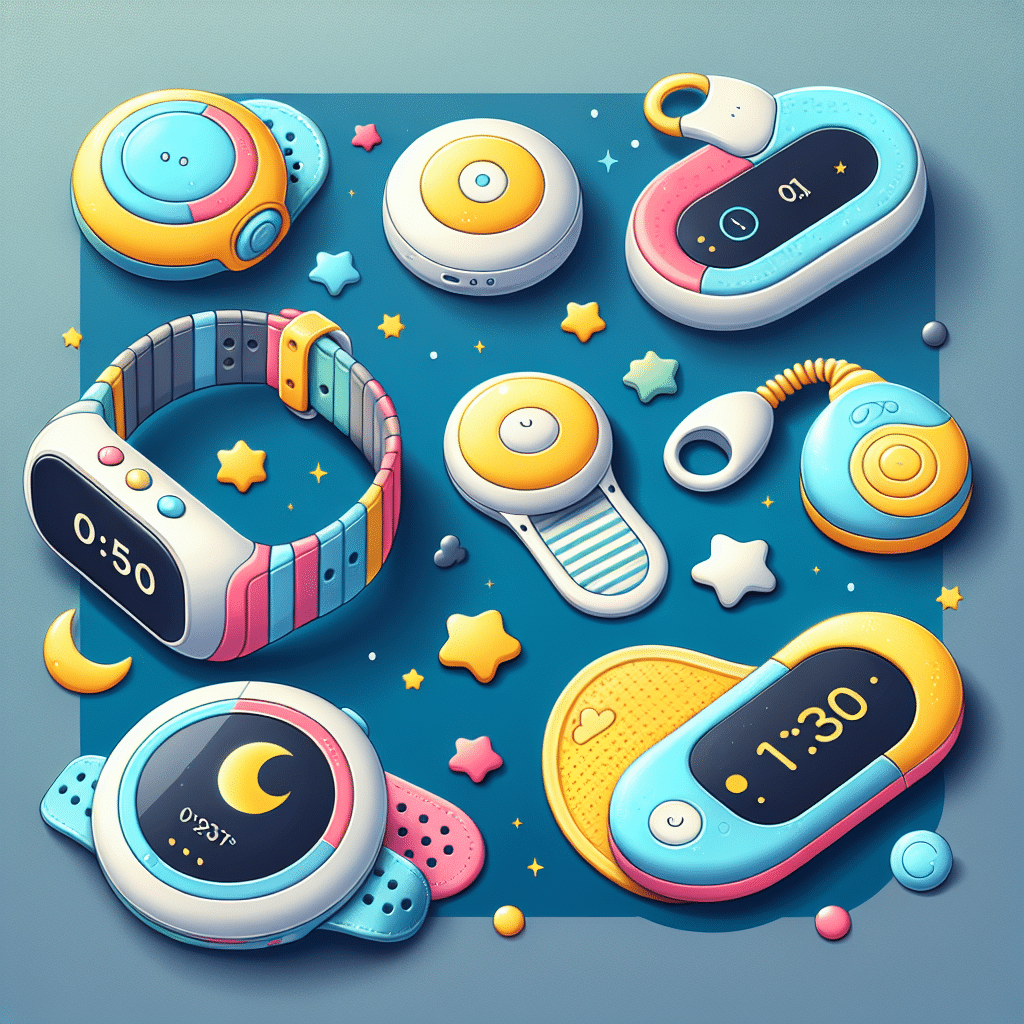
Sleep monitoring gadgets are devices designed to track various aspects of sleep quality and patterns. These gadgets can help parents understand their child’s sleep habits more profoundly, allowing for improved sleep hygiene and overall health. They come in various forms, including wearables, smartphone apps, and non-contact devices.

Importance of Sleep for Children

Children require ample sleep for their growth and development. The National Sleep Foundation recommends different amounts of sleep based on age group:

  • Infants (4–12 months): 12–16 hours
  • Toddlers (1–2 years): 11–14 hours
  • Preschoolers (3–5 years): 10–13 hours
  • School-age children (6–13 years): 9–11 hours
  • Teenagers (14–17 years): 8–10 hours

Lack of sleep can lead to several issues, including diminished cognitive function, emotional dysregulation, and increased risk of obesity and other health problems. Sleep monitoring gadgets can be an effective tool for ensuring kids meet their sleep needs.

Types of Sleep Monitoring Gadgets

1. Wearable Devices

Wearable devices like smartwatches or fitness bands track sleep patterns via movement sensors and heart rate monitoring. These devices can provide precise data on sleep duration, cycles, and quality.

Examples:

  • Fitbit Ace 3: Specifically designed for children aged 6 and older, it tracks sleep stages and offers fun reminders to help develop better sleep habits.
  • Garmin Vívofit Jr. 3: This fitness band not only monitors sleep but also encourages kids to stay active, making it a dual-purpose gadget.

Benefits:

  • Provides real-time data
  • Engaging for kids with gamified features
  • Encourages healthier lifestyle choices

2. Non-Wearable Devices

Non-wearable devices, such as smart mats or under-mattress sensors, monitor sleep without needing to be worn. These devices track movement, heart rate, and even breathing patterns.

Examples:

  • Nanit Plus: This baby monitor doubles as a sleep tracker, utilizing a camera and audio to track infants’ sleep patterns and provide advice to parents.
  • Withings Sleep Tracking Mat: Placed under the mattress, it records sleep cycles, heart rate, and snoring while presenting data through a connected app.

Benefits:

  • No need for kids to wear anything
  • Continuous monitoring throughout the night
  • Can track multiple sleep parameters

3. Smartphone Applications

Smartphone apps can transform a smartphone into a sleep tracker. These applications utilize the phone’s sensors to record sleep movements and sounds during the night.

Examples:

  • Pillow: An app compatible with iOS devices that features challenges to improve sleep hygiene and offers soundscapes for a relaxing sleep environment.
  • Sleep Cycle: This app analyzes sleep patterns and wakes the user during the lightest sleep phase, making it easier to get up in the morning.

Benefits:

  • Cost-effective as many apps are free or low-cost
  • Easy to use and accessible anywhere
  • Provides insights into sleep patterns

4. Bedtime Environment Monitors

These gadgets monitor the bedroom environment, focusing on elements that can influence sleep quality such as light, temperature, and noise levels.

Examples:

  • Molekule Air Mini: Designed to filter out allergens and pollutants in the air, promoting a healthier sleep environment.
  • GROVE 2-in-1 Humidifier and Aroma Diffuser: Maintains optimal humidity and can diffused fragrances that encourage relaxation and sleep.

Benefits:

  • Creates an optimal sleep environment
  • May alleviate allergy-related sleep disturbances
  • Can enhance relaxation through aromatherapy

Features to Look For in Sleep Monitoring Gadgets

When selecting a sleep monitoring gadget for kids, consider the following features:

1. Age Appropriateness

Some devices are specifically designed for children and come with features that cater to their unique needs, such as games or educational content.

2. Ease of Use

Look for gadgets that are simple to set up and use. Parents should easily understand the data insights provided and how it translates into actionable steps for improving sleep.

3. Data Accuracy

High-quality sleep trackers provide accurate data on sleep stages, durations, and disruptions. Always read reviews to gauge reliability.

4. Child Engagement

Some devices come with gamified features or child-friendly interfaces that can help motivate kids towards better sleep habits.

5. Integration with Other Devices

For a comprehensive view, opt for gadgets that can sync with other health apps or smart home systems.

Challenges with Sleep Monitoring Gadgets

1. Privacy Concerns

Some parents may worry about the data collected by these gadgets. Ensure that chosen devices comply with data protection laws and prioritize user privacy.

2. Device Comfort

Wearables might be uncomfortable for some children, especially while sleeping. Non-contact alternatives could be preferred.

3. Overreliance on Technology

While sleep gadgets provide insights, they shouldn’t replace healthy sleep routines or habits. Parents should create a balance between technology use and traditional sleep hygiene methods.

Tips to Optimize Sleep for Kids Using Gadgets

  1. Establish a Routine: Use the gathered data to create a consistent bedtime routine. Encourage winding down activities like reading or listening to music.

  2. Limit Screen Time: Ensure that screens are turned off at least an hour before bedtime to mitigate blue light exposure, negatively impacting sleep quality.

  3. Optimize the Sleep Environment: Use insights from environment monitors to create a relaxing sleep space with appropriate lighting and temperature settings.

  4. Discuss Findings: Involve your child in discussing the data received from the gadgets. This engagement can make them more keen on improving their sleep habits.

  5. Encourage Physical Activity: Gamified features that promote activity during the day can enhance nighttime sleep quality.

Popular Brands in Sleep Monitoring Gadgets for Kids

Several brands have made their mark in the sleep monitoring gadget sector, focusing specifically on children due to their unique requirements.

  • LittleHippo: Known for their sleep trainers and smart night lights, combining functionality with an engaging aesthetic.
  • Owlet: Offers innovative monitoring systems aimed mainly at infants, allowing parents to track their baby’s sleep safely and efficiently.
  • Zeo: Though phased out, it remains an influential example of how gadgets can evolve based on user feedback and changing technology scouting sleep patterns.

Conclusion on Choosing the Best Sleep Monitoring Gadget for Kids

Choosing the right sleep monitoring gadget for kids is an important endeavor that can contribute significantly to their health and well-being. From wearables that make tracking fun to non-contact devices that respect a child’s comfort, various options can cater to different family needs. The key is to select a device that is not only effective but also fits seamlessly into your child’s lifestyle.

Investing in sleep monitoring gadgets can pave the way for better sleep for children, fostering healthier habits that last a lifetime.

The 7-Day Glow Up: A Clear Skin in a Week Diet Guide

clear skin in a week diet

The 7-Day Glow Up: A Clear Skin in a Week Diet Guide

What a Clear Skin in a Week Diet Can Actually Do for Your Skin

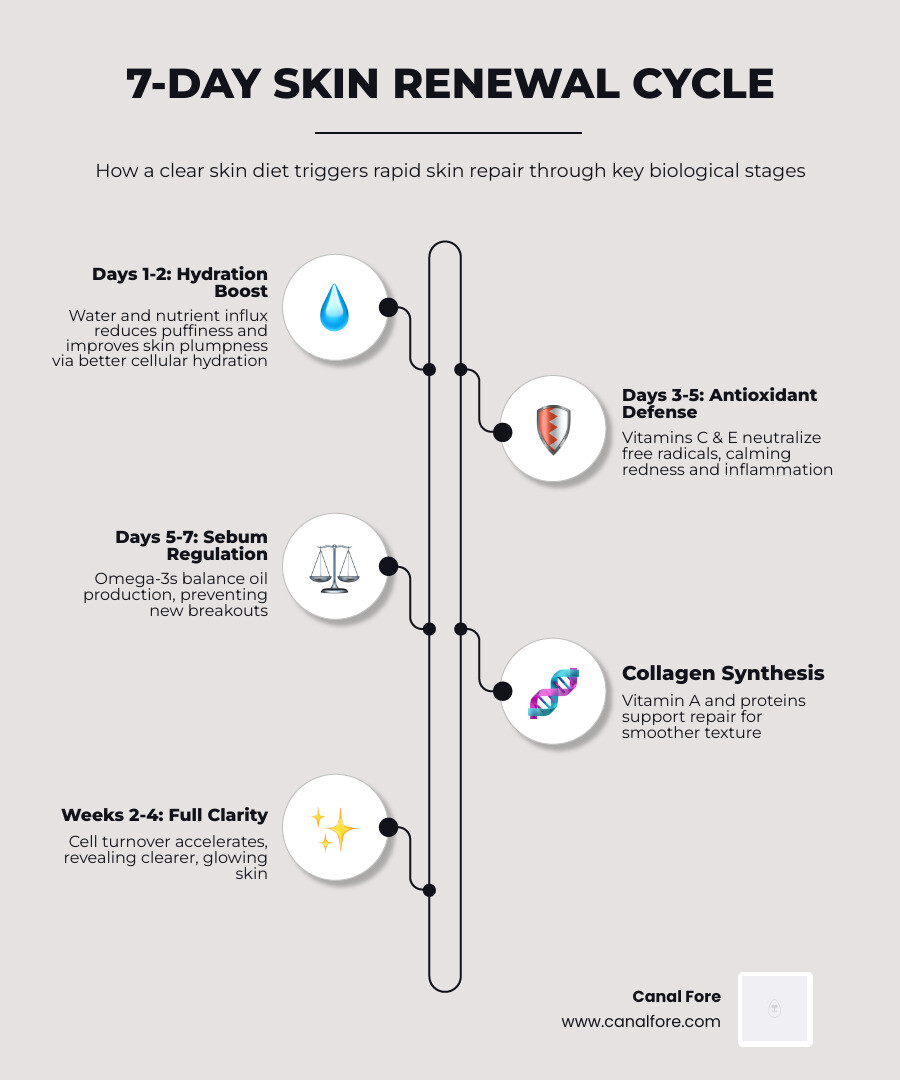
A clear skin in a week diet is a structured way of eating that floods your body with anti-inflammatory nutrients, cuts out common breakout triggers, and supports your skin’s natural repair cycle — all within seven days.

Here’s what you can realistically expect in 7 days:

Timeframe What May Happen
Days 1-2 Reduced puffiness, better hydration
Days 3-5 Less redness, early glow from antioxidants
Days 5-7 Calmer skin, fewer new breakouts
Weeks 2-4 Noticeable clarity and texture improvement

Quick answer: Focus on omega-3-rich foods (salmon, walnuts), antioxidant-packed fruits and vegetables, and 2 litres of water daily. Cut dairy, refined sugar, and processed foods. Most people see some improvement within a week, but the biggest results come after 2-4 weeks of consistency.

If you’ve ever reached for another serum or spot treatment and still woken up to new breakouts, you’re not alone. The truth is, what you eat shapes your skin just as much as what you put on it. Your skin reflects what’s happening inside — your gut, your hormones, your inflammation levels.

The good news? You can start shifting all of that with your next meal.

This guide breaks down exactly which foods to eat, which to avoid, and how to build a simple 7-day plan that works — no extreme cleanses, no starvation required.

7-day skin renewal cycle and key nutrients for clear skin diet infographic - clear skin in a week diet infographic

The Science Behind a Clear Skin in a Week Diet

At Canal Fore, we believe in looking at the skin as the “tip of the iceberg.” It is an organ that signals how your internal systems are functioning. When we talk about a clear skin in a week diet, we aren’t just talking about a “detox.” We are talking about biological mechanisms like sebum regulation and collagen synthesis.

The food you eat affects your skin through several pathways:

  • Glycemic Index (GI): High-GI foods (like white bread and sugary snacks) cause a rapid spike in blood sugar and insulin. High insulin levels activate androgens, which tell your skin glands to produce more oil (sebum), leading to clogged pores.
  • Inflammation: Processed fats and sugars trigger systemic inflammation. This shows up on your face as redness, swelling, and painful cystic acne.
  • Oxidative Stress: Environmental toxins and poor diet create free radicals that damage skin cells. Antioxidants from food neutralize these “bad guys.”
  • The Gut-Skin Axis: Over 70% of our immune cells live in the gut. If your gut microbiome is out of balance, it can leak inflammatory substances into your bloodstream, worsening skin conditions.

For a deeper dive into how nutrition impacts your complexion, check out this 7-Day Skin Glow Meal Plan | Best Foods for Glowing Skin – YouTube for visual inspiration on how these nutrients look on a plate.

Is it Realistic to Expect Results from a Clear Skin in a Week Diet?

As we head into April 2026, the dermatological standard is shifting toward “inside-out” beauty. However, we must be honest: your skin cells don’t regenerate overnight. A full cell turnover cycle typically takes about 28 to 40 days.

So, is a one-week diet a myth? Not entirely. While you won’t erase deep scars or cystic acne in seven days, you can significantly reduce redness and inflammation. Many people report that their skin looks less “angry” and more hydrated within just 3 to 5 days of cutting out dairy and sugar. Think of the first week as the “calming phase” where you stop the fire from spreading, allowing the healing to begin.

The Role of Vitamins A, C, and E in Rapid Healing

To see changes quickly, you need the “Big Three” of skin vitamins:

  1. Vitamin A (The Skin Renewer): Essential for cell turnover. A 1/2-cup serving of baked sweet potato contains enough beta carotene to provide more than six times the Daily Value (DV) of vitamin A. This acts as a natural sunblock and helps prevent “clogged” looking skin.
  2. Vitamin C (The Collagen Builder): You cannot produce collagen without it. It’s also a powerful antioxidant. One cup of chopped red bell pepper contains 156% of your DV for Vitamin C.
  3. Vitamin E (The Protector): This fat-soluble vitamin protects your skin from oxidative damage. It’s found in high concentrations in sunflower seeds and almonds.

Top 11 Superfoods for Rapid Skin Repair

If you want to fast-track your results, these eleven foods should be the stars of your grocery list.

  1. Fatty Fish: Salmon, mackerel, and herring are rich in Omega-3 fatty acids. These keep skin thick, supple, and moisturized. A deficiency in Omega-3s can actually cause dry skin.
  2. Avocados: High in healthy fats and Vitamin E. A 2022 pilot study found that daily avocado consumption for 8 weeks led to enhanced elasticity and firmness.
  3. Walnuts: These contain a good ratio of Omega-3 and Omega-6 fatty acids, which help reduce skin inflammation.
  4. Sunflower Seeds: A great source of Vitamin E and selenium, a trace mineral that supports skin health.
  5. Sweet Potatoes: Packed with beta carotene, which your body converts to Vitamin A.
  6. Red or Yellow Bell Peppers: Excellent sources of Vitamin C and beta carotene.
  7. Broccoli: Contains sulforaphane, a powerful compound that helps protect your skin against sun damage and neutralizes free radicals.
  8. Tomatoes: Rich in lycopene, which protects skin against UV radiation.
  9. Dark Chocolate: Look for 70% cocoa or higher. After 6–12 weeks of daily consumption, participants in a study experienced thicker, more hydrated skin.
  10. Green Tea: Contains catechins that improve skin moisture and elasticity. (Note: Don’t add milk, as it can reduce the antioxidant effect).
  11. Red Grapes: Contain resveratrol, a compound that may slow the production of harmful free radicals that damage skin cells.

Comparison of Antioxidant Powerhouse Foods

Food Item Key Nutrient Primary Skin Benefit
Sweet Potato Beta Carotene Cell turnover & UV protection
Red Bell Pepper Vitamin C Collagen production
Brazil Nuts Selenium Protection against infection
Dark Chocolate Flavonols Improved blood flow & hydration

Maximizing Nutrient Absorption for Glowing Skin

Eating the right food is only half the battle; you have to absorb it! Some nutrients are “fat-soluble,” meaning they need a source of fat to enter your system. For example, pairing tomatoes with olive oil or avocado increases your absorption of lycopene. We recommend always including a “healthy fat” (like nuts, seeds, or oil) with your vegetable-heavy meals to ensure your skin gets the full benefit of the vitamins.

Hydration and the 2-Litre Rule

It sounds like a cliché, but drinking 2 litres of water daily significantly improves skin hydration. A 2018 review suggested that water intake enhances the hydration of the outer layer of the skin, reducing dryness and roughness.

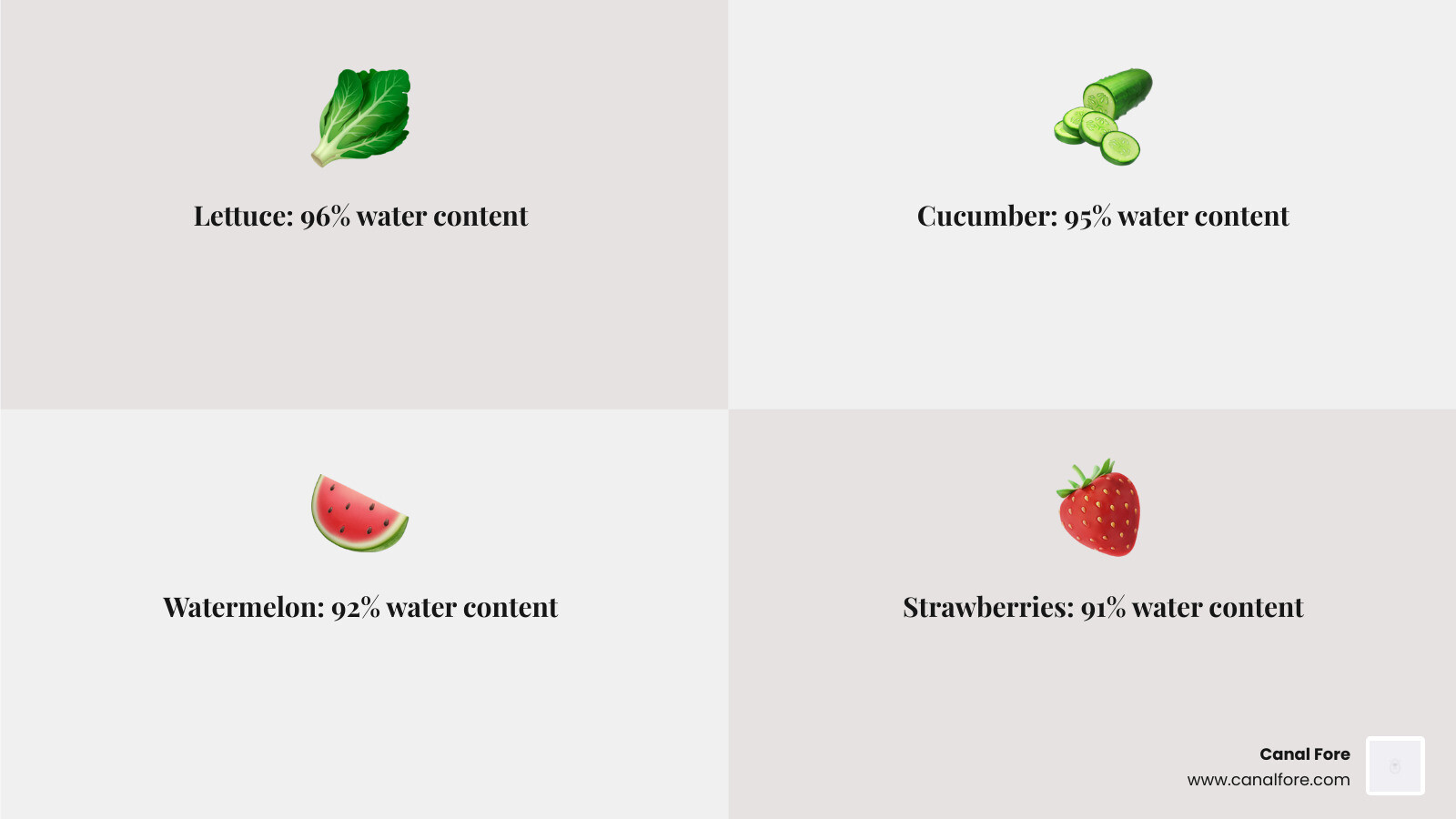
Don’t just drink your water — eat it! Incorporate water-rich fruits and vegetables like:

  • Lettuce: 96% water
  • Cucumber: 95% water
  • Watermelon: 92% water
  • Strawberries: 91% water

Hydrating foods for clear skin infographic - clear skin in a week diet infographic 4_facts_emoji_grey

Your Step-by-Step Clear Skin in a Week Diet Meal Plan

To make a clear skin in a week diet sustainable, we suggest meal prepping on Sunday. Batch-cooking grains like quinoa or roasting a large tray of sweet potatoes and broccoli will save you from reaching for processed snacks when you’re busy.

For a dietitian-approved structure, you can reference this 7-Day Meal Plan for Healthy Skin, Created by a Dietitian – EatingWell.

Sample 7-Day Clear Skin in a Week Diet Menu

Here is what a typical day might look like on our plan:

  • Upon Waking: A large glass of warm lemon water to kickstart digestion.
  • Breakfast: A green smoothie with spinach, half an avocado, one scoop of plant-based protein, and a handful of frozen berries.
  • Lunch: A large salmon salad with mixed leafy greens, walnuts, sliced cucumbers, and a lemon-olive oil dressing.
  • Afternoon Snack: Two Brazil nuts (for your daily selenium) and a small piece of dark chocolate.
  • Dinner: Roasted sweet potato “bowls” with chickpeas, steamed broccoli, and a tahini drizzle.
  • Evening: A cup of peppermint or green tea (no sugar).

Skin-Friendly Snacks and Quick Recipes

When the 3 PM cravings hit, don’t reach for the vending machine. Try these quick skin-boosters:

  • Berry Bowls: Blueberries and raspberries are low-sugar and high-antioxidant.
  • Turmeric Latte: Mix almond milk with turmeric and ginger for a potent anti-inflammatory drink.
  • Chia Pudding: Soak chia seeds in unsweetened almond milk overnight. They are packed with Omega-3s.
  • Ginger Shots: A quick way to reduce systemic inflammation.

Foods to Avoid and Lifestyle Habits for a Blemish-Free Glow

While we focus on what to add, what you remove is often more important for a clear skin in a week diet.

  1. Refined Sugar: This is the #1 enemy. It causes “glycation,” which damages collagen and elastin, making skin look dull and prone to breakouts.
  2. Dairy: Many people find that dairy (especially skim milk) triggers hormonal acne due to the growth hormones present in milk.
  3. Processed Seed Oils: Oils like soybean or corn oil are high in Omega-6, which can be pro-inflammatory if not balanced with enough Omega-3.
  4. Caffeine & Soda: Excessive caffeine can dehydrate the skin, while soda provides a massive insulin spike.

For more on identifying your specific triggers, read our guide on The Clear Skin Chronicles: Home Remedies for a Blemish-Free Life.

Complementary Habits for Faster Results

Diet is the foundation, but these habits act as the “accelerant” for your glow-up:

  • Sleep Hygiene: Aim for 7-9 hours. Studies show that those who sleep enough experience 25% fewer breakouts because their cortisol (stress hormone) levels stay balanced.
  • Stress Management: High stress tells your body to produce more oil. Try 10 minutes of meditation or deep breathing.
  • The 150-Minute Rule: Aim for 150 minutes of moderate exercise per week. This increases blood flow, sending more oxygen and nutrients to your skin cells.
  • Nature Time: Spending at least 120 minutes a week in nature has been linked to better health and lower inflammation.

Modifications for Vegan and Gluten-Free Needs

Achieving clear skin is possible on any dietary path.

  • Vegan: Replace salmon with tofu, tempeh, or extra lentils. Use flax seeds and chia seeds to get your Omega-3s.
  • Gluten-Free: Stick to whole grains like quinoa, brown rice, and buckwheat. Avoid processed “gluten-free” breads that are often high in sugar and starches.
  • Nut Allergies: Swap walnuts for pumpkin seeds or sunflower seeds to get your healthy fats and minerals.

woman enjoying a healthy plant-based meal for clear skin - clear skin in a week diet

Frequently Asked Questions about Clear Skin Diets

Can I drink coffee while on a clear skin diet?

Yes, but moderation is key. Coffee itself contains antioxidants, but adding dairy and sugar can trigger acne. Try drinking it black or with a splash of unsweetened almond milk. Also, ensure you drink an extra glass of water for every cup of coffee to prevent dehydration.

How long does it take to see a difference in acne?

While you may see reduced redness in 3-5 days, significant changes in acne usually take 2-4 weeks. This allows your hormones to stabilize and your skin to complete a partial turnover cycle.

Are there any risks to a rapid dietary change?

If you suddenly increase your fiber intake (from all those veggies!), you might experience some bloating. We recommend increasing your water intake alongside your fiber to keep things moving smoothly. Always consult a healthcare professional before making drastic changes if you have underlying health conditions.

Conclusion

At Canal Fore, our mission is to provide you with evidence-based, holistic strategies for a blemish-free life. A clear skin in a week diet is a fantastic way to jumpstart your journey, but the real magic happens when these “7 days” turn into a lifestyle.

By focusing on nutrient density, hydration, and inflammation reduction, you aren’t just chasing a temporary glow — you are building the foundation for long-term radiance. Your skin is a reflection of your self-care. Treat your body with kindness, fuel it with the right nutrients, and your skin will surely thank you.

Ready to take the next step? Start your journey to blemish-free skin today and explore our science-backed remedies.

radiant person with clear skin eating a healthy meal - clear skin in a week diet

The Ultimate Lifestyle Guide to Achieving Your Clearest Skin Ever

best lifestyle for clear skin

The Ultimate Lifestyle Guide to Achieving Your Clearest Skin Ever

Your Skin Is a Mirror — Here’s What It’s Telling You

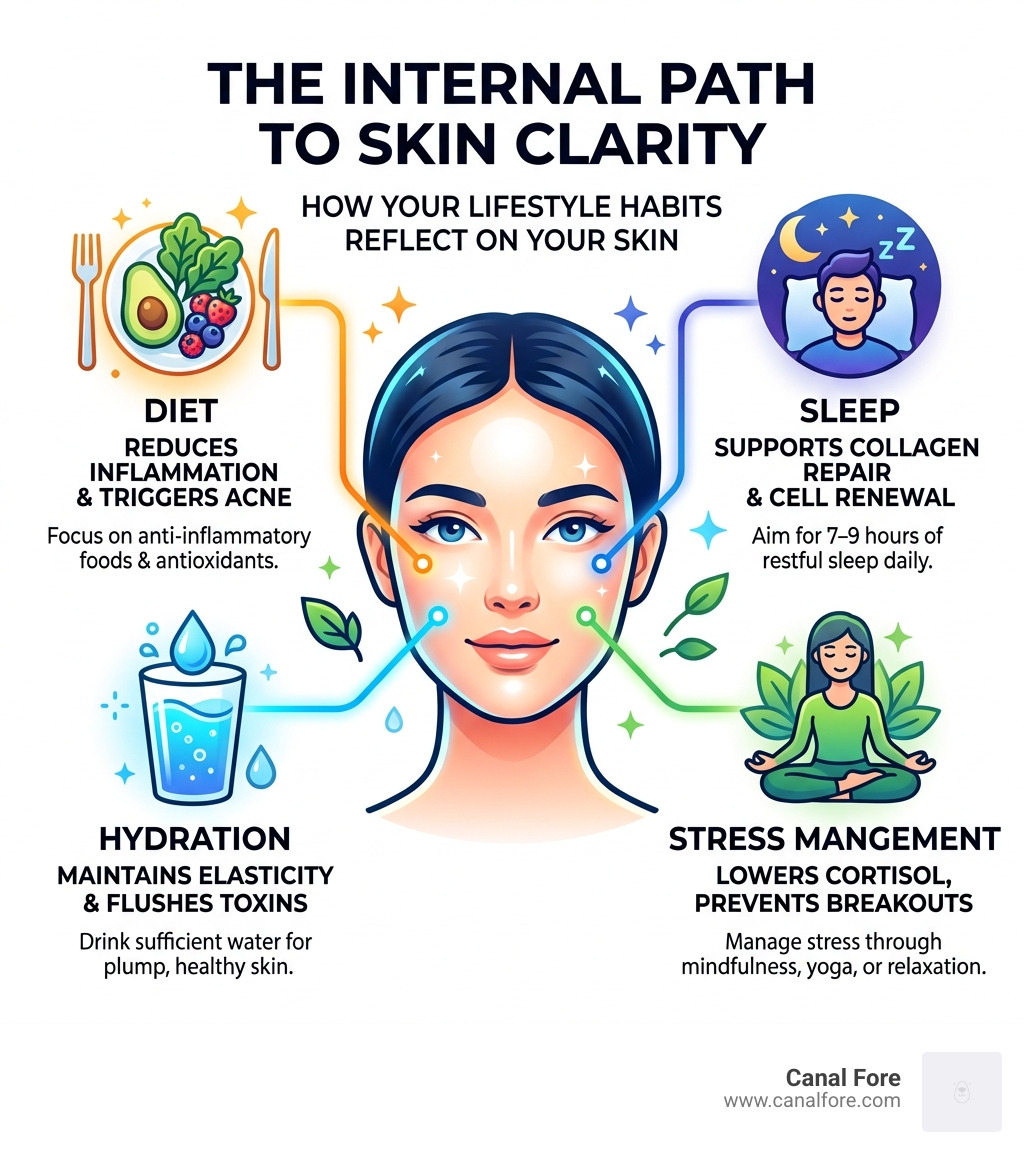
The best lifestyle for clear skin isn’t found in an expensive serum or a 12-step routine. It starts with what you eat, how you sleep, how you move, and how you handle stress.

Here’s a quick snapshot of the habits that matter most:

Lifestyle Habit Why It Helps Your Skin
Eat anti-inflammatory foods Reduces acne-triggering inflammation
Drink enough water Maintains elasticity and flushes toxins
Sleep 7–9 hours Supports collagen repair and cell renewal
Manage stress Lowers cortisol, which drives breakouts
Wear SPF 30+ daily Prevents up to 80% of visible skin aging
Exercise regularly Boosts circulation and oxygen delivery
Avoid touching your face Stops bacteria and oil from clogging pores
Quit smoking, limit alcohol Preserves collagen and skin barrier function

Most people focus on what they put on their skin. But dermatologists and researchers increasingly agree: your skin reflects what’s happening inside your body — your diet, hormones, gut health, and stress levels — often before it reflects anything in your medicine cabinet.

The good news? These are modifiable factors. Small, consistent daily choices can create real, visible changes — often within 4 to 8 weeks.

This guide walks you through every major lifestyle lever, backed by science, so you can build a clear-skin routine that actually lasts.

Infographic showing how internal health factors like diet, sleep, stress, and hydration connect to skin clarity - best

Nutritional Aesthetics: Eating Your Way to a Radiant Complexion

In April 2026, we’ve moved past the idea that skin health is just “surface deep.” We now understand “Nutritional Aesthetics”—the science of how nutrients specifically influence our skin’s biology. If you want a radiant complexion, your grocery list is just as important as your skincare shelf.

The foundation of a skin-clearing diet is reducing systemic inflammation. Chronic inflammation is a silent culprit that eats away at our collagen and triggers conditions like acne, rosacea, and premature aging. To fight this, we prioritize an anti-inflammatory diet rich in antioxidants and healthy fats.

According to The 11 Best Foods for Healthy Skin – Healthline, certain superfoods provide the essential building blocks for repair:

  • Fatty Fish: Salmon, mackerel, and herring are powerhouses of Omega-3 fatty acids. These fats keep skin thick, supple, and moisturized. A deficiency in Omega-3s can actually lead to dry, flaky skin.
  • Walnuts: These contain a balanced ratio of Omega-3 and Omega-6 fatty acids, along with zinc, which is vital for the skin barrier and wound healing.
  • Avocados: High in healthy fats and Vitamins E and C. A 2022 pilot study showed that daily avocado consumption could lead to enhanced elasticity and firmness in facial skin.
  • Berries and Dark Chocolate: These are loaded with antioxidants that neutralize free radicals. (Pro tip: choose dark chocolate with at least 70% cocoa to avoid excess sugar!)

We also need to talk about glycation. This happens when blood sugar spikes cause sugar molecules to attach to proteins, creating “Advanced Glycation End Products” (AGEs). In plain English? They make your collagen stiff and brittle. Maintaining blood sugar stability by pairing carbohydrates with proteins or healthy fats is a key part of the best lifestyle for clear skin.

Best lifestyle for clear skin: The role of hydration and fiber

Hydration is more than just a “beauty tip”—it’s a biological necessity. When we are properly hydrated, our skin cells remain plump, and our body can effectively flush out toxins that might otherwise contribute to dullness or breakouts.

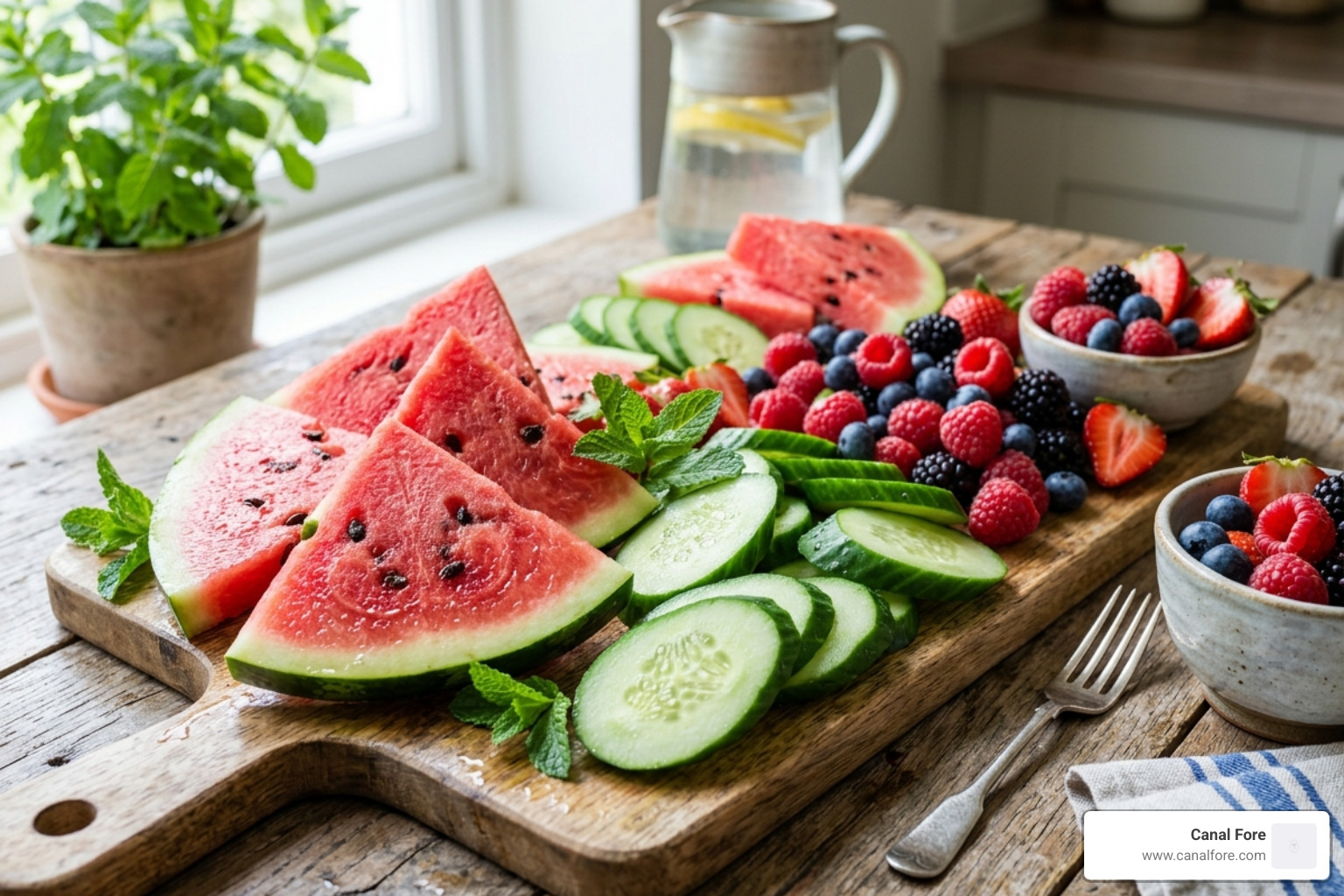
However, drinking water is only half the battle. We also need to “eat” our water. Foods with high water content, such as cucumbers, watermelons, and celery (which are over 90% water), provide hydration alongside essential vitamins.

A vibrant spread of hydrating fruits and vegetables like watermelon, cucumber, and berries - best lifestyle for clear skin

Dietary fiber is the unsung hero of clear skin. Fiber supports the gut-skin axis by improving waste elimination and feeding beneficial gut bacteria. A healthy gut microbiome helps regulate immune signaling, which can reduce the severity of inflammatory skin conditions. We recommend incorporating apples, beans, and pears into your daily meals to keep your internal systems moving smoothly.

Prioritizing micronutrients for cellular repair

While macro-nutrients like fats and proteins provide the structure, micronutrients act as the “mechanics” for cellular repair. Research highlighted in Radiant and Resilient: Glowing and Radiant Skin — Food Med Center shows just how powerful these vitamins can be:

  1. Vitamin A: Essential for cell turnover. High doses of oral Vitamin A have shown improvement in acne for up to 83% of patients in clinical observations.
  2. Vitamin C: This is a “Vitamin C Champion” because it is essential for collagen synthesis. Daily intake of 180 mg of Vitamin C has been shown to increase the skin’s radical-scavenging capacity by 37%.
  3. Vitamin E and Selenium: These work synergistically to protect the skin from oxidative stress and UV damage.
  4. Zinc: Vital for natural skin regeneration and controlling oil production.

We believe in “bio-individuality”—the idea that what works for one person’s skin might not work for another. However, ensuring you meet the Recommended Dietary Allowance (RDA) for these micronutrients is a universal win for skin longevity.

Circadian Skincare: Why Sleep and Stress Management are Non-Negotiable

Your skin has its own internal clock. During the day, it’s in “defense mode,” protecting you from UV rays and pollution. At night, it switches to “repair mode.” This is when cell regeneration speeds up, melatonin levels rise to fight toxic stress, and collagen production peaks.

A serene, restful sleep environment with soft lighting and a silk pillowcase - best lifestyle for clear skin

If you aren’t getting 7–9 hours of quality rest, you are essentially “pausing” your skin’s repair cycle. Poor sleep increases cortisol, which breaks down the skin’s barrier and leads to that dreaded “tired, dull” look. For more on how basic habits prevent aging, check out Skin care: 5 tips for healthy skin – Mayo Clinic.

Managing stress as the best lifestyle for clear skin

Stress isn’t just a feeling; it’s a chemical reaction. Chronic stress keeps your cortisol levels high, which tells your sebaceous glands to produce more oil. This is why many of us experience “stress acne” or flare-ups of eczema and psoriasis during busy weeks.

To achieve the best lifestyle for clear skin, we must prioritize nervous system regulation. This doesn’t have to be complicated. Simple practices like:

  • Five minutes of deep breathing to lower the heart rate.
  • Yoga or walking to move stagnant energy.
  • Mindfulness rituals, like a quiet tea break, to signal safety to the body.

When your mind is calm, your skin is less likely to react with inflammation.

Optimizing your sleep environment for skin longevity

To get the most out of your “repair mode,” we suggest optimizing your environment:

  • Silk Pillowcases: Unlike cotton, which absorbs your skin’s natural oils and can trap bacteria, silk allows the skin to glide, reducing friction and preventing “sleep wrinkles.”
  • Blue Light Protection: Stop using screens at least 60 minutes before bed. Blue light interferes with melatonin production, which is a powerful antioxidant for your skin.
  • Temperature Control: A cool room (around 65°F or 18°C) promotes deeper sleep, allowing for more efficient cell regeneration.

Environmental Protection and Daily Hygiene Habits

While we focus heavily on the internal, we cannot ignore the external world. Our environment in 2026 is full of stressors, from UV radiation to air pollution.

One of the most important 10 skin care secrets for healthier-looking skin – AAD is the daily use of sunscreen. Sun exposure is responsible for up to 80% of visible skin aging. Even on cloudy days or when staying indoors near windows, broad-spectrum SPF 30+ is your best defense against wrinkles, pigmentation, and skin cancer.

Feature Silk Pillowcase Cotton Pillowcase
Oil Absorption Low (keeps skin hydrated) High (strips natural oils)
Bacterial Trap Resistant High (can worsen acne)
Friction Low (prevents irritation) High (can cause “sleep lines”)
Breathability High Medium

Beyond the sun, we must consider lifestyle choices like smoking and alcohol. Smoking narrows blood vessels, depleting the skin of oxygen and nutrients, while alcohol dehydrates the tissue and can lead to nutrient deficiencies that dull your “glow.”

Hygiene habits for the best lifestyle for clear skin

We often sabotage our skin with small, unconscious habits. Here are a few hygiene “rules” we live by for a blemish-free life:

  1. Don’t Touch Your Face: Your hands are magnets for bacteria and dirt. Transferring these to your face is a fast track to clogged pores.
  2. Lukewarm Water Only: Hot water strips the skin’s acid mantle—the protective oily layer that keeps moisture in and bacteria out.
  3. Gentle Cleansing: Avoid scrubbing. Scrubbing irritates the skin and can worsen acne. Instead, use your fingertips in a gentle circular motion.
  4. Gym Hygiene: Always remove makeup before a workout and shower immediately after to prevent sweat and bacteria from sitting in your pores.

For a deeper dive into these daily practices, read The Clear Skin Chronicles: Home Remedies for a Blemish-Free Life.

The impact of regular exercise on skin circulation

Exercise is like a “natural facial” from the inside out. When you get your heart rate up, you increase blood flow to the skin, which delivers fresh oxygen and vital nutrients to your cells. This process also helps with lymphatic drainage, reducing puffiness and giving you that coveted “post-workout glow.”

Whether it’s a 30-minute walk or a high-intensity session, movement helps regulate blood sugar and lower cortisol, making it a cornerstone of the best lifestyle for clear skin. Just remember to wash your face afterward!

Debunking Common Myths and When to See a Professional

In skincare, myths are everywhere. Let’s clear a few up:

  • “Scrubbing clears acne”: False. Intense exfoliation damages the skin barrier, leading to more inflammation and breakouts.
  • “Dairy causes acne”: This is bio-individual. While some studies link high-glycemic diets and milk to acne, it doesn’t affect everyone. We suggest an “elimination test” for 3-4 weeks to see if your skin responds.
  • “It’s all genetics”: While genetics play a role, lifestyle factors like diet and sun protection account for a massive portion of how your skin ages and behaves.

Despite our best efforts with lifestyle changes, there are times when professional help is necessary. If you are dealing with severe cystic acne, persistent rosacea, or sudden changes in moles, it is time to consult a board-certified dermatologist. Professional treatments like laser therapy or prescription-grade topicals can work synergistically with your healthy lifestyle to provide the results you’re looking for.

Frequently Asked Questions about Clear Skin Habits

How long does it take to see results from lifestyle changes?

Consistency is the key. While you might feel better within days, it typically takes 4 to 8 weeks to see visible changes in your skin. This is because the skin’s natural cell turnover cycle takes about 28 to 40 days. Give your body time to “build” new, healthier skin cells from the nutrients you’re providing.

Can diet alone cure severe cystic acne?

Cystic acne is often deeply tied to hormonal imbalances and genetics. While a clean, anti-inflammatory diet will certainly help reduce the severity and support healing, severe cases often require medical intervention. We recommend a holistic approach: use diet and lifestyle to support your body while working with a professional for targeted treatment.

Is drinking water enough for glowing skin?

No. While hydration is essential, “glow” comes from a combination of factors: a strong skin barrier (supported by healthy fats), even tone (supported by antioxidants), and smooth texture (supported by sleep and gentle cleansing). Think of water as the “foundation,” but nutrients and habits are the “structure.”

Conclusion

At Canal Fore, we believe that achieving your clearest skin ever is a journey of holistic wellness. By embracing the best lifestyle for clear skin—from the way you fill your plate to the way you protect your sleep—you are giving your body the tools it needs to radiate health from within.

Consistency beats perfection every time. You don’t need to change everything overnight; start by adding one skin-boosting food or a 10-minute walk to your day. We are here to provide the science-backed remedies and lifestyle tips you need to feel confident in your skin.

Ready to take the next step? Start your journey to healthier skin on our home page and discover more evidence-based tips for a blemish-free life.

The Clear Skin Chronicles: Home Remedies for a Blemish-Free Life

home remedies for clear skin

The Clear Skin Chronicles: Home Remedies for a Blemish-Free Life

Why Home Remedies for Clear Skin Actually Work

Home remedies for clear skin are more than just folk wisdom — many are backed by real science.

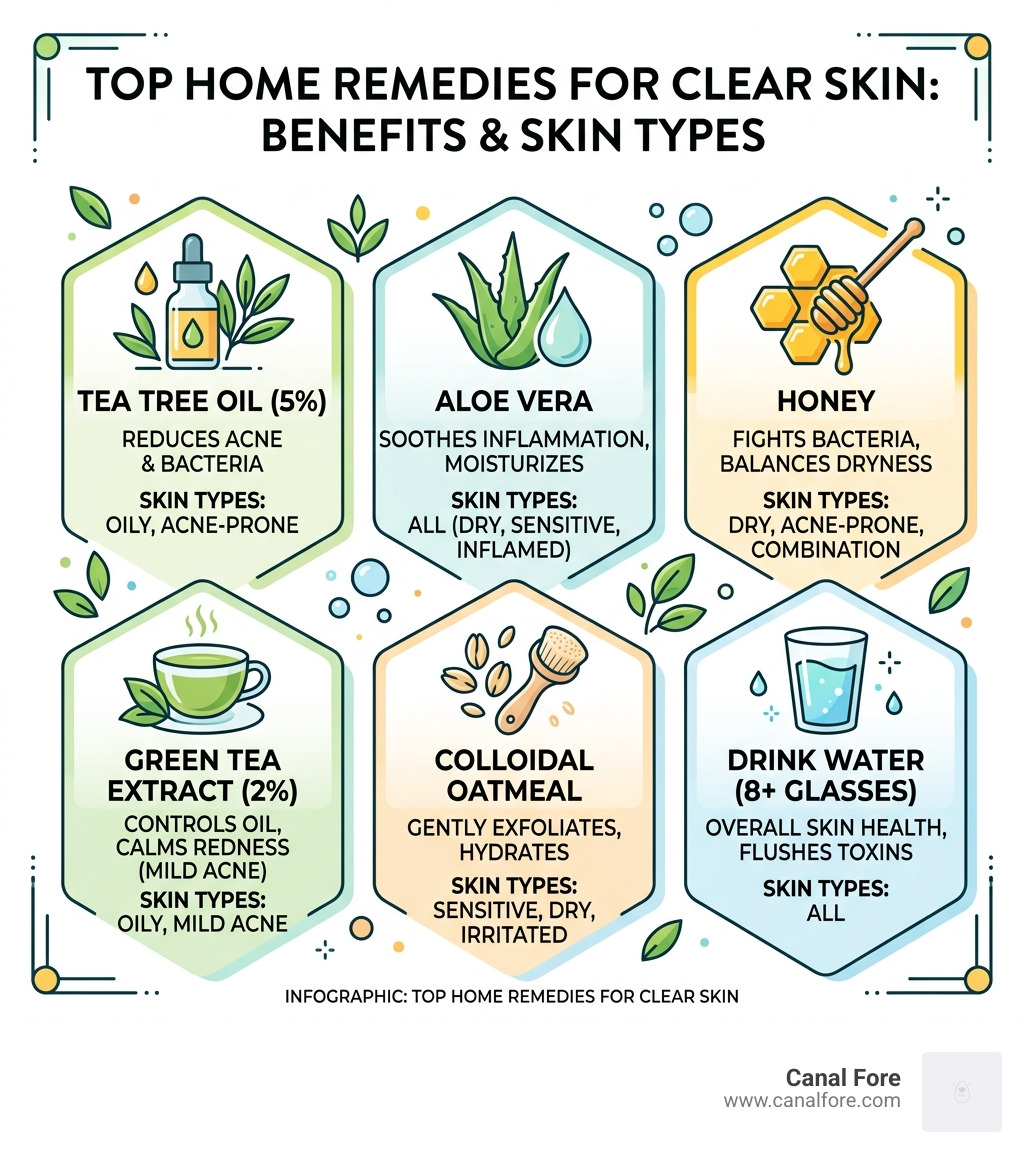
Here are the most effective ones to start with:

Remedy Best For How to Use
Tea tree oil (5%) Acne, bacteria Dilute, apply to spots nightly
Aloe vera Inflammation, dryness Apply gel directly twice daily
Honey Acne, dry skin Apply as a mask, rinse after 15-20 min
Green tea extract (2%) Mild acne, oiliness Apply twice daily to affected areas
Colloidal oatmeal Sensitive, dry skin Use as a gentle mask or wash
Drink water (8+ glasses) Overall skin health Daily habit

Dealing with breakouts, dull skin, or stubborn blemishes is frustrating — especially when expensive products don’t deliver.

The good news? Some of the most effective solutions are already in your kitchen or bathroom cabinet.

Research backs up ingredients like tea tree oil, aloe vera, and green tea extract for reducing acne and improving skin clarity. And lifestyle factors — what you eat, how you sleep, how you manage stress — play a huge role too.

This guide cuts through the noise. We’ll cover what actually works, what to skip (looking at you, toothpaste and baking soda), and how to build a simple routine that gets results.

Overview of top home remedies for clear skin with benefits and skin types - home remedies for clear skin infographic

Science-Backed Home Remedies for Clear Skin

When we talk about home remedies for clear skin, we aren’t just suggesting you rub random groceries on your face. We are looking at ingredients that contain active biological compounds. Science tells us that many of these pantry staples possess antimicrobial, anti-inflammatory, and antioxidant properties that rival commercial drugstore finds.

For instance, a study on 60 acne patients showed that those using 50% aloe vera gel alongside tretinoin (a prescription retinoid) fared significantly better over 8 weeks compared to those using tretinoin alone. This suggests that natural remedies don’t just work in isolation; they can actually boost the efficacy of traditional treatments.

application of tea tree oil to a blemish - home remedies for clear skin

Tea Tree Oil and Green Tea: Home Remedies for Clear Skin

If you are looking for a heavy hitter against bacteria, look no further than tea tree oil. A major study found that 5% tea tree oil was effective at treating mild to moderate acne. It works as a natural antimicrobial, killing the P. acnes bacteria that live inside pores. However, it is potent! We always recommend diluting it (1 part oil to 9 parts water) or using a cotton swab for precise spot treatment.

Green tea is another superstar. While we love drinking it for the metabolism boost, applying 2% green tea extract twice a day has been shown to significantly reduce acne in adolescents. The polyphenols in green tea help reduce sebum (oil) production and calm inflammation, making it a perfect home remedy for clear skin if you struggle with an oily T-zone.

Aloe Vera and Honey: Home Remedies for Clear Skin

Aloe vera is often called the “plant of immortality,” and for good reason. It contains 19 of the 20 essential amino acids required for skin repair. Beyond just soothing a sunburn, aloe stimulates cell growth and acts as a lightweight humectant. It improves the skin’s ability to hydrate itself without clogging pores.

Honey, specifically raw or Manuka honey, is a natural antibacterial powerhouse. It helps maintain the skin’s natural acidic pH, which limits microbial overgrowth. If you have dry or sensitive skin, honey is your best friend because it is a humectant—it draws moisture from the air into your skin.

Remedy Comparison by Skin Type

Remedy Oily Skin Dry Skin Sensitive Skin Acne-Prone
Turmeric Great for glow Use with oil Patch test first Anti-inflammatory
Oatmeal Absorbs oil Very soothing Best choice Calms redness
Witch Hazel Controls sebum Can be drying Use alcohol-free Tightens pores
Apple Cider Vinegar Balunces pH Avoid Not recommended Fades scars

Holistic Habits for a Radiant Complexion

We’ve all heard the phrase “you are what you eat,” but in the Clear Skin Chronicles, we prefer “your skin is a reflection of your life.” You can apply all the honey in the world, but if you are only sleeping four hours a night and living on energy drinks, your skin will tell the tale.

person drinking a glass of water for hydration - home remedies for clear skin

One of the most overlooked home remedies for clear skin is simply getting 7–9 hours of quality sleep. During deep sleep, your body produces growth hormones that trigger collagen production and cell turnover. This is literally when your skin repairs itself. Lack of sleep triggers cortisol, the “stress hormone,” which can lead to increased oil production and inflammatory breakouts.

Managing stress is equally vital. High cortisol levels are linked to conditions like eczema and psoriasis. We suggest finding a daily “de-stressor”—whether it’s a 45-minute walk, meditation, or just listening to music. Exercise also boosts circulation, ensuring that oxygen and nutrients are delivered to your skin cells while toxins are flushed out through sweat (just remember to wash your face immediately after!).

Finally, consider your “skin hygiene.” Did you know that cotton pillowcases can trap bacteria and absorb your skin’s natural oils? Switching to a silk or satin-like pillowcase can reduce friction and keep your skin cleaner. Also, stop touching your face! Your hands are magnets for bacteria, and every time you lean your chin on your hand, you’re inviting a breakout.

Diet and Hydration: Fueling Skin from Within

If you want that “lit-from-within” glow, you have to fuel the fire correctly. A 2021 review concluded there’s a strong link between drinking more water and having healthier skin. While the “8 glasses a day” rule is a good baseline, we recommend aiming for about 11.5 cups for women and 15.5 cups for men from all food and fluid sources.

Dietary choices can make or break your complexion:

  • Omega-3 Fatty Acids: Found in fatty fish, walnuts, and flaxseeds, these maintain skin elasticity and keep the skin barrier strong.
  • Zinc: Studies have shown that zinc supplements can help clear up mild to moderate acne by reducing inflammation and encouraging wound healing.
  • Low-Glycemic Index: Research involving over 2,000 people showed that a low-glycemic diet (less sugar, more whole grains) led to significantly less acne.
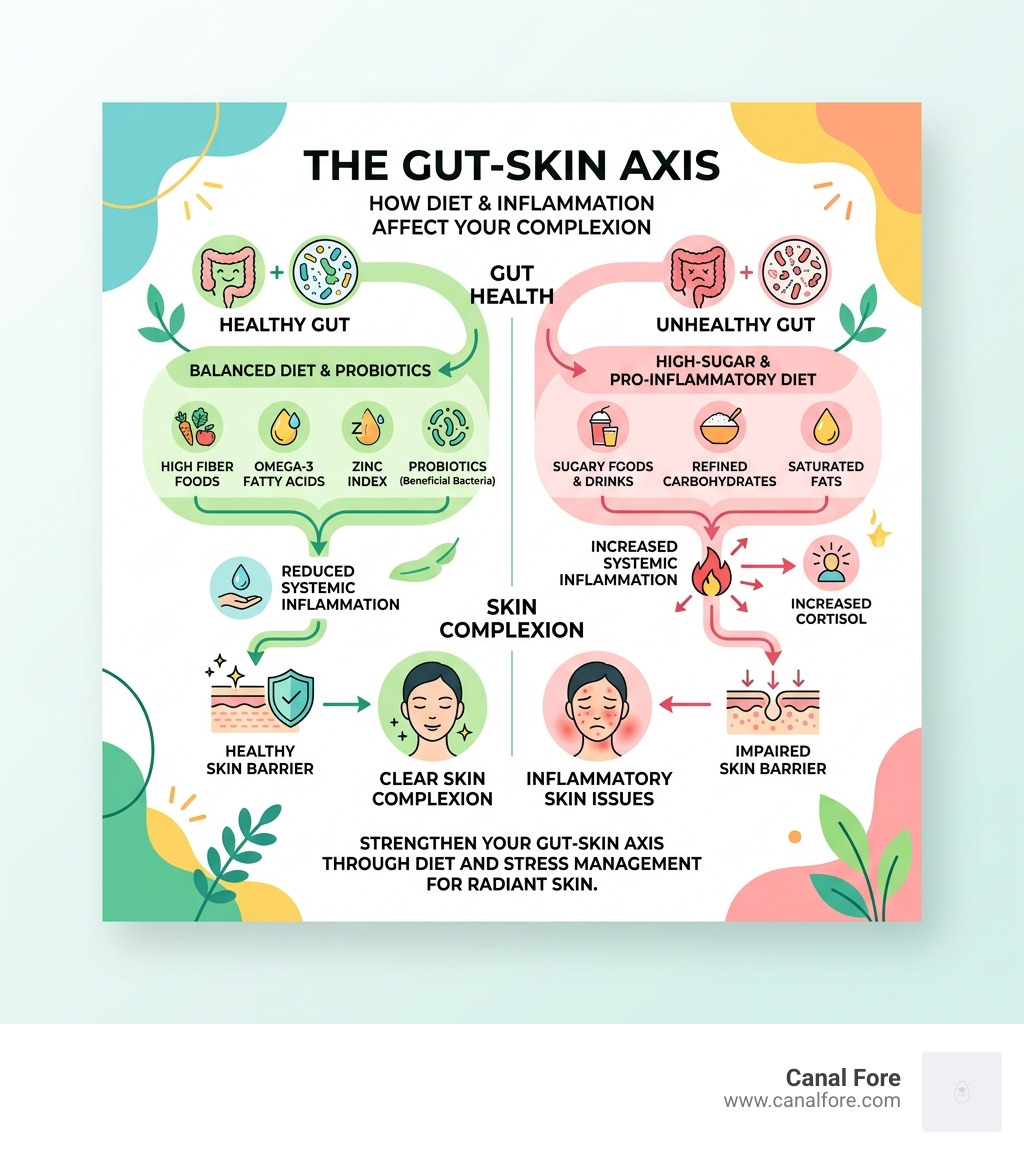
  • Probiotics: A 2023 review indicates that probiotics improve skin health via the gut-skin axis, helping to calm systemic inflammation.

The Gut-Skin Axis: How diet and inflammation affect your complexion - home remedies for clear skin infographic

Building a Routine and Avoiding Skincare Myths

Consistency is the secret sauce. A natural skincare routine doesn’t have to be complicated, but it does need to be daily. We recommend washing your face twice a day—morning and night. A study showed that participants who washed twice daily saw significant improvement in acne compared to those who washed only once.

The Golden Rules of DIY Skincare:

  1. Patch Test Everything: Before applying a new remedy to your face, test it on your inner forearm for 24 hours to check for allergic reactions.
  2. Sunscreen is Non-Negotiable: Many natural remedies (like lemon or ACV) can make your skin more sensitive to UV rays. Use a mineral-based sunscreen with at least SPF 30 every single morning.
  3. Moisturize While Damp: To lock in maximum hydration, apply your moisturizer or aloe vera gel immediately after washing while your skin is still slightly wet.

Debunking the Myths: What to Avoid

In our quest for home remedies for clear skin, it’s easy to fall for “hacks” that actually do more harm than good.

  • Lemon Juice: While it contains Vitamin C, undiluted lemon juice is highly acidic and can cause chemical burns or extreme sun sensitivity. Always dilute it!
  • Baking Soda: This is way too alkaline for your skin. It disrupts your natural pH (the “acid mantle”), leading to dryness and irritation.
  • Toothpaste: Menthol and fluoride might dry out a pimple, but they also severely irritate the surrounding skin, often leaving a dark mark or scar behind.
  • Sugar Scrubs: On the body, they are fine. On the delicate skin of the face, sugar crystals can cause “micro-tears” that let in bacteria. Use colloidal oatmeal or a soft washcloth for gentler exfoliation.

Frequently Asked Questions about Home Remedies

When should I see a dermatologist for persistent acne?

While home remedies for clear skin are fantastic for mild issues, they have limits. You should consult a professional if your acne is painful (cystic), causes scarring, or doesn’t improve after 8 weeks of consistent home care. If you suspect your breakouts are hormonal (occurring mostly around the jawline during certain times of the month), a dermatologist can provide targeted treatments that home remedies simply can’t match.

Are home remedies safe for sensitive skin types?

Generally, yes, but with caution. Sensitive skin reacts more quickly to “natural” irritants. For example, turmeric can cause itching in some people, and apple cider vinegar can be far too harsh if not diluted heavily (we suggest 1 part ACV to 4 parts water). Stick to soothing ingredients like colloidal oatmeal and aloe vera, and always patch test.

How long does it take to see results from natural treatments?

Patience is a virtue! Your skin cells take about 28 to 30 days to turn over. This means you likely won’t see the full effect of a new routine for at least a month. Most studies on natural remedies, such as those for tea tree oil or aloe, look at results over an 8-week period. Consistency is more important than intensity.

Conclusion

Achieving a blemish-free life doesn’t always require a cabinet full of expensive chemicals. By harnessing the power of home remedies for clear skin—like the antimicrobial strength of tea tree oil, the soothing touch of aloe vera, and the internal support of a healthy diet—you can transform your complexion naturally.

At Canal Fore, we believe that skincare is a holistic journey. It’s about the water you drink, the sleep you prioritize, and the gentle, evidence-based ingredients you choose to put on your face. Start small, be consistent, and listen to what your skin is telling you.

For more expert insights on maintaining your glow and personalized skincare advice, visit us at Canal Fore. Your journey to clear, radiant skin starts at home, but we are always here to help you navigate the path.

The Best Sleep Tracking Watch: Oura vs Garmin vs Samsung

best sleep tracking watch

The Best Sleep Tracking Watch: Oura vs Garmin vs Samsung

Why Finding the Best Sleep Tracking Watch Matters More Than Ever

The best sleep tracking watch in 2026 depends on your needs — here’s a quick breakdown:

Top Pick Best For Key Feature
Oura Ring 4 Sleep accuracy & comfort 18 sensor pathways, smart ring form
Apple Watch Series 11 iPhone users FDA-authorized sleep apnea detection
Samsung Galaxy Watch Ultra Android users FDA-authorized apnea, 30-40hr battery
Garmin Venu Athletes & battery life 10-14 day battery, Training Readiness
Withings ScanWatch 2 Long battery + style Up to 35-day battery, hybrid design
Whoop 5.0 Serious athletes Recovery scores, no screen distraction
Google Pixel Watch 4 Android/Pixel users True-to-feel sleep score

Poor sleep is a bigger problem than most people realize.

An estimated 22 million Americans have sleep apnea — and the majority don’t even know it. More than one-third of Americans have now tried some kind of electronic sleep tracker to get answers.

It makes sense. When you’re waking up exhausted, dealing with brain fog, or just feeling “off,” you want data — not guesswork.

Sleep tracking watches have become one of the fastest-growing health tech categories, part of a market estimated at around $30 billion in 2024. And the technology has improved dramatically. Today’s best devices track not just how long you sleep, but how well — measuring sleep stages, blood oxygen, heart rate variability, and even screening for sleep apnea.

But with so many options at such different price points, it’s hard to know where to start.

This guide cuts through the noise. We tested and compared the top sleep tracking watches of 2026 — covering accuracy, battery life, comfort, subscription costs, and who each device is actually built for.

comparison infographic of top sleep tracking watches showing battery life, key sleep metrics, and price tiers - best sleep

Top Contenders for the Best Sleep Tracking Watch in 2026

As we navigate through 2026, the market for the best sleep tracking watch has reached a point of incredible sophistication. We aren’t just looking at movement anymore; we are looking at complex algorithms that interpret heart rate, temperature, and respiratory patterns to tell us exactly what happened while we were unconscious.

The heavy hitters this year include the Apple Watch Series 11, the Samsung Galaxy Watch Ultra, and the Garmin Venu. However, we’ve also seen the rise of specialized devices like the ScanWatch 2 | Withings USA, which offers a hybrid approach for those who want a classic watch look with medical-grade sensors.

When choosing between these, battery life and sensor density are the two biggest differentiators. If you hate charging your watch every morning, a Garmin or Withings will be your best friend. If you want the most seamless integration with your phone’s ecosystem, Apple and Samsung remain the kings of the hill.

Best Sleep Tracking Watch for iPhone and Android Users

For iPhone devotees, the Apple Watch Series 11 remains the gold standard for ecosystem integration. With the addition of the Vitals app, Apple has moved from simply providing a “metrics dump” to offering a more cohesive overview of your health. While it still requires daily charging (roughly 24 hours of battery life), its ability to detect atrial fibrillation and its FDA-authorized sleep apnea notifications make it a powerful health companion.

Android users, on the other hand, have two primary paths. The Samsung Galaxy Watch Ultra is a rugged powerhouse with 30-40 hours of battery life and advanced sleep staging. If you prefer the Google ecosystem, the Google Pixel Watch 4 has been praised in Best sleep trackers 2026: Tested and rated options from our reviews for its “true-to-feel” sleep scores, which often align closely with how you actually feel when you wake up.

Best Sleep Tracking Watch for Athletes and Recovery

If you are training for a marathon or just trying to optimize your gym sessions, your sleep needs are different. You need to know if your body has actually recovered from yesterday’s “leg day.”

The Whoop 5.0 is a favorite among serious athletes because it lacks a screen, reducing distractions and focusing entirely on data like “Strain” and “Recovery.” Meanwhile, Garmin users often gravitate toward the Garmin Venu or the Garmin Index Sleep Monitor. Garmin’s “Body Battery” and “Training Readiness” scores are legendary for helping users decide whether to push hard or take a rest day.

Another standout in this category is the Polar Ignite 3 | Fitness & Wellness Watch | Polar USA. It features SleepWise™, which doesn’t just tell you how you slept, but predicts your alertness levels for the day ahead. It also monitors skin temperature fluctuations against a 28-day baseline, which is a fantastic early warning system for overtraining or oncoming illness.

Essential Metrics: Sleep Stages, SpO2, and Apnea Detection

sleep data dashboard on a smartphone showing graphs of REM and deep sleep - best sleep tracking watch

To find the best sleep tracking watch, we have to look under the hood at the metrics. Modern trackers focus on four key areas:

  1. Sleep Stages: Most devices use heart rate and movement to estimate time spent in Light, Deep, and REM sleep. REM (Rapid Eye Movement) is crucial for mental restoration and memory, while Deep sleep is where your body repairs tissues and builds bone and muscle.
  2. Blood Oxygen (SpO2): This is a vital metric for identifying breathing disturbances. A significant dip in SpO2 during the night is often a red flag for sleep apnea.
  3. Heart Rate Variability (HRV): This measures the variation in time between each heartbeat. A high HRV usually indicates that your body is recovered and your nervous system is balanced.
  4. Sleep Apnea Screening: This is the “killer app” of 2026. With 22 million Americans suffering from undiagnosed sleep apnea, the ScanWatch 2 | Withings USA and the latest models from Apple and Samsung now offer FDA-authorized features to alert you if your breathing patterns suggest a clinical issue.

Accuracy and Limitations: Wearables vs. Polysomnography

clinical sleep study setup with a patient wearing sensors and wires - best sleep tracking watch

We need to be honest: no wrist-worn tracker is 100% accurate. The “gold standard” for sleep analysis is clinical polysomnography (PSG), which involves being hooked up to EEG leads in a lab to measure brain waves.

Research suggests that even the best sleep tracking watch is generally around 80% accurate compared to medical-grade assessments. Consumer trackers tend to be very good at detecting when you are asleep but can struggle to distinguish between “quiet wakefulness” (lying still but awake) and light sleep. This often leads to an overestimation of total sleep time.

As noted in The Best Sleep Trackers I’ve Used This Year – No Sleepless Nights, you should treat your watch data as a “trend” rather than an absolute truth. If your watch says you got 20 minutes of Deep sleep but you feel fantastic, don’t let the data ruin your day. Conversely, if your watch shows consistent breathing disturbances, that is a trend worth discussing with a doctor.

Buying Guide: Battery Life, Comfort, and Subscriptions

When you’re ready to buy, there are three practical factors that will determine whether you actually wear the device or leave it in a drawer: form factor, battery, and ongoing costs.

The Oura Ring 4 is the champion of comfort. Because it sits on your finger, it accesses the radial artery, which some experts believe provides more accurate heart rate data than the wrist. It’s also much less bulky for those who find wearing a watch to bed uncomfortable.

However, many of these devices now come with “homework” in the form of subscriptions.

Do I need a subscription for full sleep insights?

This is the hidden cost of modern sleep tracking.

  • Whoop: Requires a monthly or yearly membership; the hardware is essentially “free” with the subscription.
  • Oura: Requires a monthly fee (around $5.99) to see your full data trends and long-term insights.
  • Withings: Offers Withings+, which provides deep-dive health reports and clinical-grade reviews of your ECGs.
  • Garmin and Apple: Currently offer most of their sleep data for free once you’ve purchased the hardware, making them the best “value for money” in the long run.

How accurate is sleep apnea detection on a smartwatch?

While the Samsung Galaxy Watch 8 and Apple Watch Series 11 have received FDA authorization for sleep apnea notifications, they are screening tools, not diagnostic tools. They are designed to monitor you over a period of nights (usually 30 days for Apple or two nights within a 10-day window for Samsung) and alert you if you show signs of moderate to severe obstructive sleep apnea. If you get an alert, your next step should always be a clinical sleep study.

Which watch has the longest battery life for sleep?

If you travel frequently or simply hate chargers, the Withings ScanWatch 2 is the undisputed winner with up to 35 days of battery life. The Garmin Venu follows with a respectable 10-14 days. On the other end of the spectrum, the Apple Watch and Pixel Watch generally need a daily top-off, which can be tricky if you want to wear them for sleep tracking every single night.

Conclusion

Choosing the best sleep tracking watch is a personal journey. Whether you prefer the discreet elegance of the Oura Ring, the athletic depth of a Garmin, or the high-tech features of a Samsung or Apple Watch, the goal is the same: better health through better data.

At Canal Fore, we believe that understanding your sleep is the first step toward a more energized, productive life. While these devices aren’t a replacement for a doctor’s visit, they are incredible tools for spotting trends and motivating habit changes. By monitoring your recovery, tracking your respiratory health, and keeping an eye on your sleep stages, you’re taking a proactive step toward long-term wellness.

For more insights on the latest in health technology and how to optimize your daily routine, visit us at https://www.canalfore.com/. Sleep well!