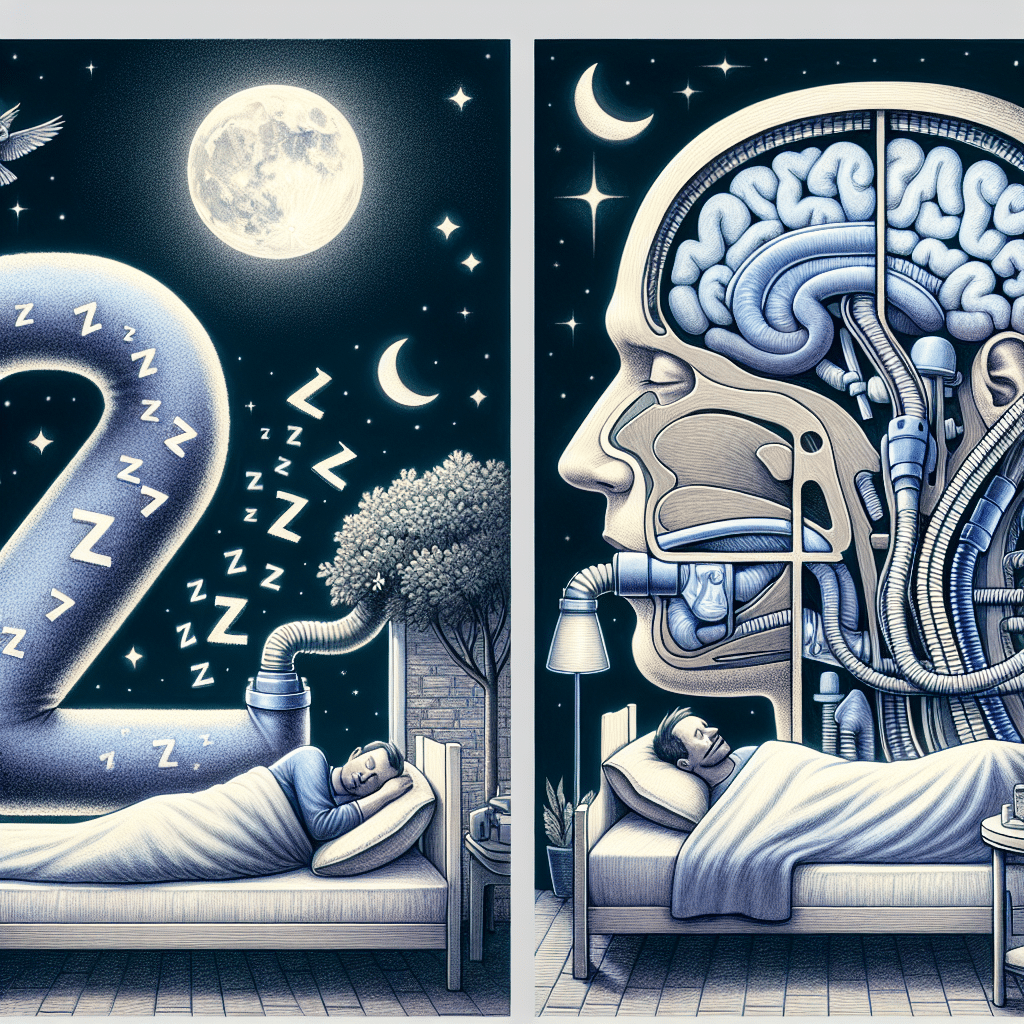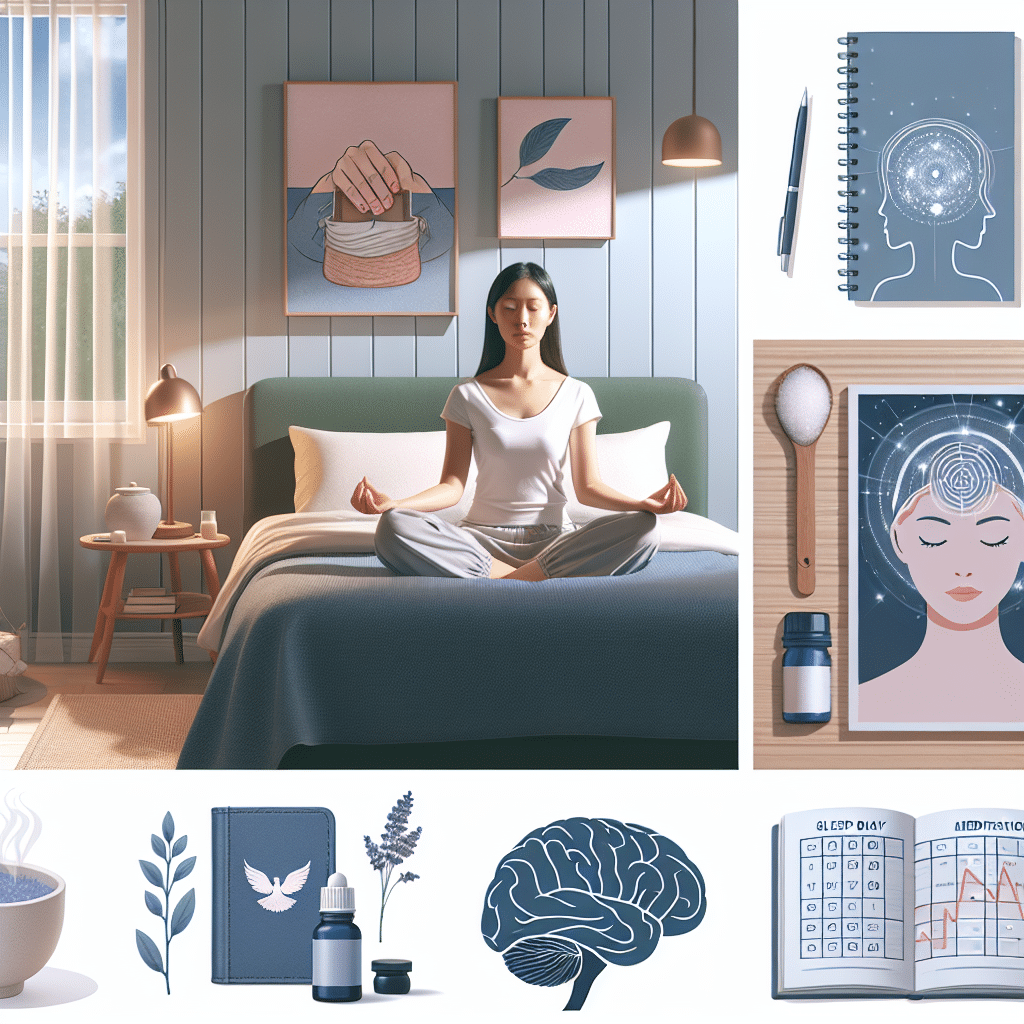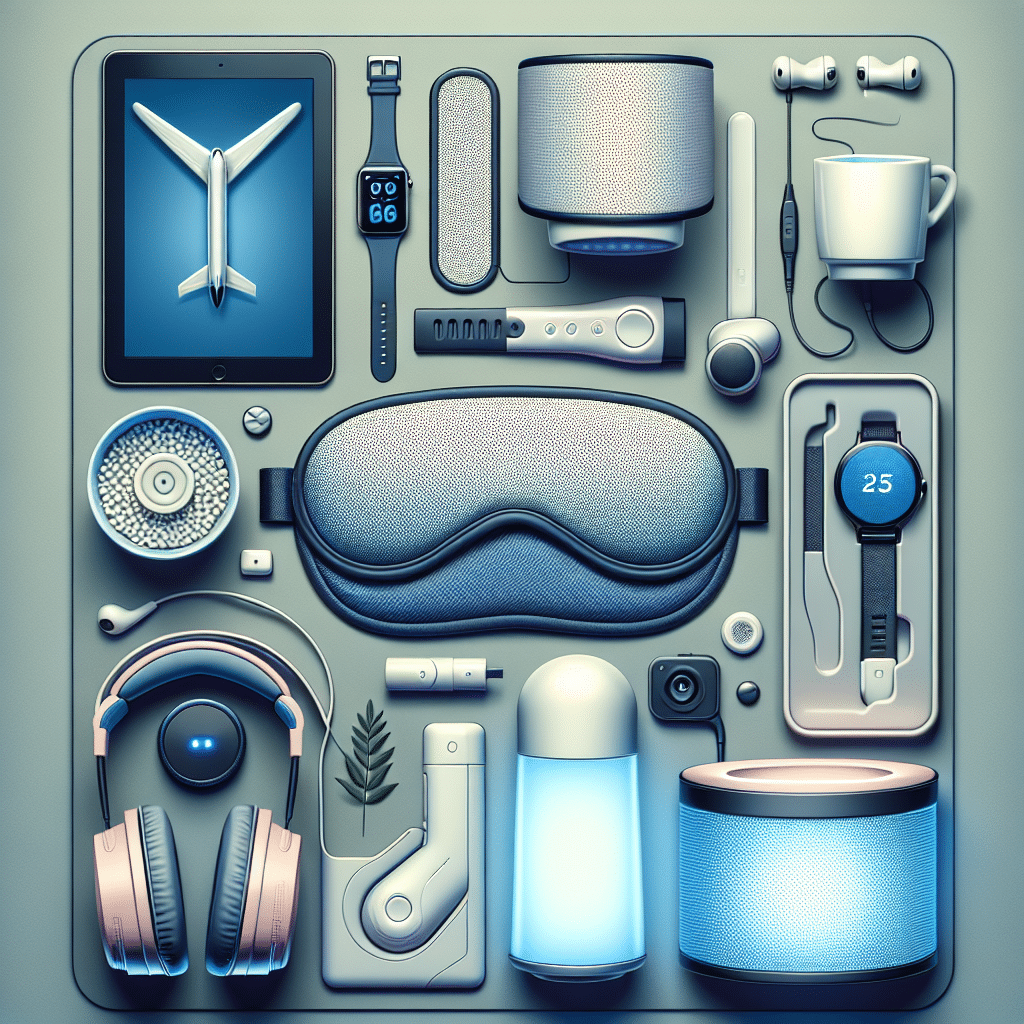
natural remedies for nightmares and night terrors

natural remedies for nightmares and night terrors

Understanding Nightmares and Night Terrors

Nightmares and night terrors are common sleep disturbances that can affect individuals of all ages. Nightmares are vivid dreams that elicit fear or anxiety and typically occur during the REM (rapid eye movement) sleep phase. These dreams often recall distressing themes that can lead to awakening, leaving a lingering sense of dread. Night terrors, on the other hand, usually occur during deep non-REM sleep and involve extreme emotional reactions, such as screaming or thrashing, often with little recollection of the episode upon awakening.

These disturbances can be caused by various factors including stress, anxiety, dietary choices, and medical conditions. While many people occasionally experience nightmares or night terrors, persistent occurrences can lead to sleep deprivation and daytime fatigue.

Natural Remedies for Nightmares

  1. Aromatherapy

Aromatherapy is the practice of using essential oils to promote mental and physical well-being. Certain essential oils such as lavender, chamomile, and bergamot have calming effects that can help reduce anxiety and improve sleep quality. Lavender, for instance, has been shown to decrease heart rate and blood pressure, promoting relaxation.

  • How to Use: Diffuse essential oils in your bedroom before going to sleep, or apply a few drops on your pillowcase for a calming scent.
  1. Herbal Teas

Herbal teas are a natural way to unwind before sleep. Chamomile, valerian root, and passionflower are well known for their sedative properties. Chamomile tea, in particular, can help calm the nervous system and reduce anxiety levels.

  • How to Use: Prepare a cup of herbal tea about 30 minutes before bedtime. Avoid caffeine or stimulating teas in the evening.
  1. Sleep Hygiene

Maintaining good sleep hygiene is crucial for preventing nightmares and night terrors. Establishing a consistent sleep schedule and creating an ideal sleep environment can have significant effects on sleep quality.

  • Tips: Keep your bedroom dark, cool, and quiet. Avoid screens (phones, TVs) one hour before bedtime, and engage in relaxing activities such as reading or meditative practices.
  1. Mindfulness and Meditation

Mindfulness practices, like meditation and deep-breathing exercises, can significantly reduce stress and anxiety levels, which are common triggers for nightmares. Mindfulness encourages staying present in the moment, which can help alleviate fear and anxiety associated with negative experiences.

  • How to Use: Dedicate 10-20 minutes daily to mindfulness meditation. Focus on your breath or practice guided visualization techniques to promote relaxation before sleep.
  1. Dietary Adjustments

What you consume can have a profound impact on your sleep quality. Incorporating foods that promote serotonin production can help regulate your mood and sleep patterns. Foods rich in magnesium, such as nuts, seeds, and leafy greens, have calming effects.

  • Recommendation: Avoid heavy meals, caffeine, and alcohol close to bedtime. Instead, opt for a light snack like yogurt or a banana.
  1. Magnesium Supplements

Magnesium is a mineral that plays a vital role in sleep regulation. Studies suggest that adequate magnesium levels can reduce the occurrence of insomnia and improve sleep quality. By helping to regulate neurotransmitters, magnesium can promote relaxation and reduce anxiety-related sleep disturbances.

  • Dosage: Consult with a healthcare provider for appropriate dosages. Magnesium-rich foods include spinach, almonds, and black beans.
  1. Cognitive Behavioral Therapy for Insomnia (CBT-I)

CBT-I is an evidence-based psychological treatment aimed at addressing the thoughts and behaviors that contribute to sleep problems. For those whose nightmares or night terrors stem from underlying anxiety or stress, CBT-I can provide tools to manage these thoughts and ultimately improve sleep quality.

  • How to Use: Seek a therapist trained in CBT-I. Sessions will typically involve a combination of cognitive restructuring and behavioral strategies.
  1. Journaling

Keeping a dream journal can help you process your nightmares and understand potential triggers. Writing down your nightmares may lessen their emotional charge and reveal patterns over time. This practice can also help you confront fears that may be contributing to your sleep disturbances.

  • How to Use: Keep a journal by your bedside. Write down your dreams as soon as you wake up to capture the details while they are fresh in your mind.
  1. Limiting Stimulant Intake

Stimulants like caffeine and nicotine can increase anxiety levels and disrupt sleep. Reducing or eliminating these substances, especially in the evening, can help prevent nightmares and night terrors.

  • Suggestion: Aim to cut out caffeine by mid-afternoon and consider alternatives like herbal teas or decaf options.
  1. Physical Activity

Regular physical activity has been shown to improve sleep quality and reduce symptoms of stress and anxiety. Exercise helps regulate the body’s circadian rhythms and promotes deeper sleep phases, which can minimize the likelihood of nightmares and night terrors.

  • Recommendation: Aim for at least 30 minutes of moderate exercise, such as walking or yoga, most days of the week.
  1. Guided Imagery

Guided imagery or visualization is a relaxation technique that can help create a sense of calm. By imagining positive and peaceful scenarios before bedtime, you can help reduce anxiety and prepare your mind for sleep.

  • How to Use: Spend a few minutes visualizing a serene landscape or recalling happy memories, allowing yourself to experience the emotions related to those images.
  1. Safe Sleep Space

Creating a secure and comforting sleep environment can play a crucial role in minimizing nightmares and night terrors. Soft lighting, comfortable bedding, and familiar objects can promote a sense of safety and relaxation.

  • Tips: Consider incorporating comforting items such as stuffed animals, blankets, or soft lighting to create a nurturing space.

Natural Remedies for Night Terrors

  1. Establishing a Routine

Children often experience night terrors, and establishing a nightly routine can help create a sense of security that may reduce their frequency. Consistent bedtime routines promote relaxation and signal to the brain that it is time to wind down.

  • Practice: Create a calming pre-sleep ritual that may include bathing, reading stories, or gentle stretching.
  1. Sleep Positioning

In some cases, changing sleep positions may help reduce night terrors. Sleeping on one’s back is associated with increased occurrences, while side sleeping may mitigate some of the physical reactions during an episode.

  • Gold Standard: Encourage side-sleeping for children who frequently experience night terrors.
  1. Gradual Awakenings

If night terrors are particularly recurrent, gradual awakenings may help. By gently rousing the individual from sleep before an anticipated episode, you can break the cycle and prevent the terror from occurring.

  • Technique: Set an alarm to wake the individual about 15-30 minutes before their normal night terror episodes, providing a gentle nudge back into full wakefulness.
  1. Creating a Calm Environment

A calming sleep space can minimize factors that contribute to night terrors. Eliminating excessive noise, keeping the room at a comfortable temperature, and ensuring optimal darkness are effective strategies.

  • Implementation: Use white noise machines or blackout curtains to create an environment conducive to sound, restful sleep.
  1. Natural Supplements

Some studies suggest that certain natural supplements, such as valerian root and melatonin, may help manage sleep disturbances, including night terrors. These supplements can create a calming effect, making it easier to relax into sleep.

  • Consultation: Always talk to a healthcare professional before starting any supplements, especially for children.
  1. Parent Education

Parents of children who experience night terrors should be educated about the condition to better understand and manage episodes. Knowing that night terrors are common and typically resolve with time can provide reassurance.

  • Encouragement: Networking with other parents or seeking guidance from sleep specialists can provide valuable support.
  1. Limiting Overstimulation

Both children and adults can become overstimulated before bedtime, leading to increased anxiety and night terrors. Reducing screen time and stimulating activities in the evening can contribute to a more peaceful pre-sleep environment.

  • Guidelines: Transition to quiet activities such as reading or drawing in the hour before bedtime.
  1. Deep Breathing Techniques

Teaching children deep-breathing techniques can help them learn to manage feelings of anxiety, which may be associated with night terrors. Deep breathing promotes relaxation, making it easier to transition into sleep.

  • How to Teach: Show them how to take deep breaths, inhaling for a count of four and exhaling for a count of six.
  1. Therapeutic Methods for Adults

For adults, therapeutic methods like EMDR (Eye Movement Desensitization and Reprocessing) may help those with recurring nightmares or night terrors linked to past trauma. EMDR can facilitate the processing of painful memories that contribute to sleep disturbances.

  • Recommendation: Consult with a licensed therapist trained in EMDR for appropriate treatment.
  1. Avoidance of Triggers

Identifying triggers for nightmares and night terrors can play a crucial role in prevention. Common triggers include stress, anxiety, and lifestyle choices. Keeping a sleep diary can help identify specific patterns or food, activity, or technology-related triggers.

  • Documentation: Note down any occurrences of nightmares or night terrors along with the daily activities leading up to the disturbances.

Exploring Professional Help

In some cases, natural remedies may not be enough to address persistent nightmares and night terrors. If sleep disturbances cause significant distress or are affecting day-to-day functioning, professional help is essential. A healthcare provider can evaluate underlying causes, offer tailored treatment plans, and determine whether further interventions are necessary.

Natural remedies provide gentle, holistic approaches to managing nightmares and night terrors. By incorporating various strategies, individuals can promote better sleep, reduce the frequency of sleep disturbances, and ultimately cultivate a more peaceful nighttime experience.
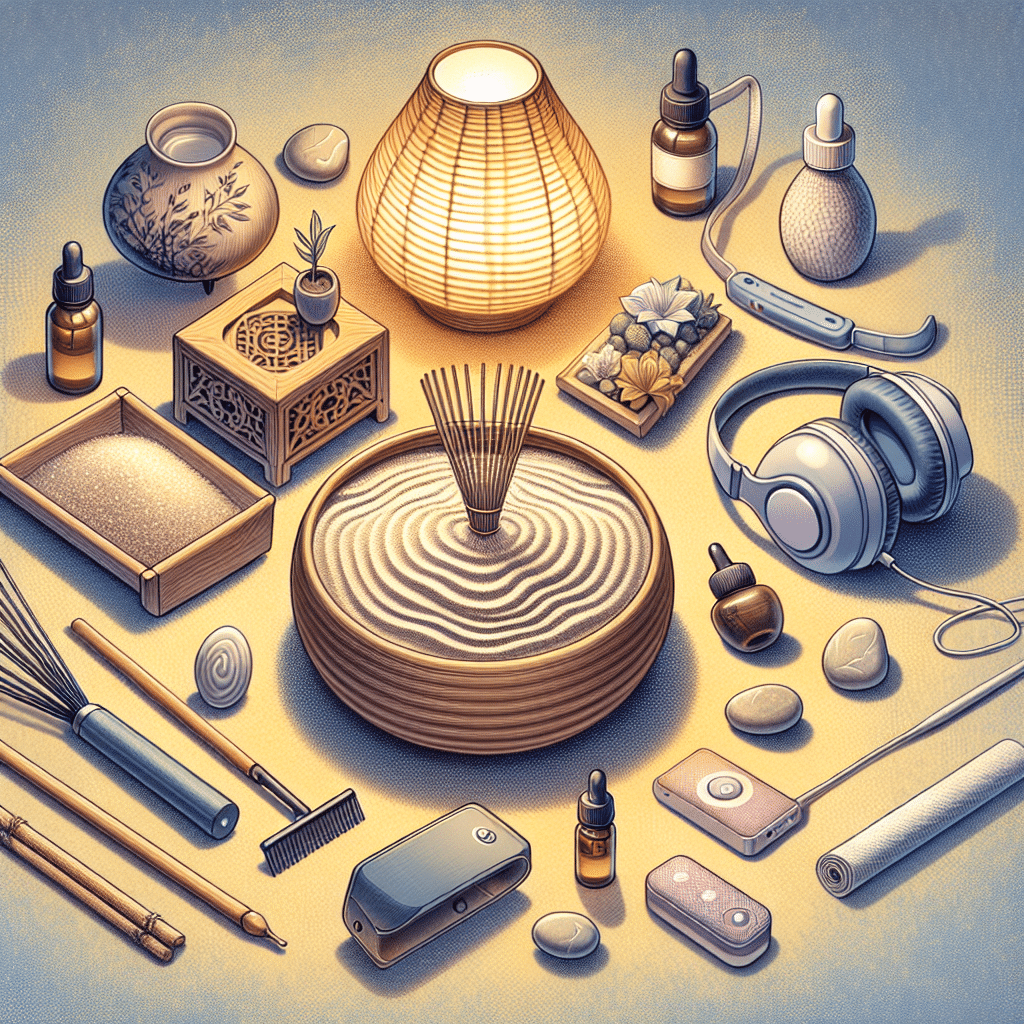

gadgets for meditation and relaxation before bed

gadgets for meditation and relaxation before bed

Gadgets for Meditation and Relaxation Before Bed

1. Smart Sleep Masks

Smart sleep masks are revolutionizing how we relax and prepare for sleep. These masks often feature built-in headphones that play soothing sounds or guided meditations. Many models come equipped with blue light-blocking materials, promoting melatonin production. Notable models such as the Mavogel Sleep Mask are crafted for comfort while effectively blocking out light, ideal for bedtime meditation.

2. Meditation Apps

Multiple meditation apps are available, suitable for both beginners and seasoned practitioners. Calm and Headspace are two popular choices that offer extensive libraries of guided meditations tailored to various needs. Users can choose sessions of differing lengths, making it easy to fit meditation into even the busiest of nights. Both apps also feature sleep stories designed to lull users into a restful state.

3. Aromatherapy Diffusers

Aromatherapy is an age-old technique used for relaxation. Modern gadgets like essential oil diffusers enhance this practice by dispersing fragrant oils in a fine mist. Oils like lavender and chamomile are perfect for bedtime use, promoting relaxation and improved sleep quality. Devices like the Vitruvi Stone Diffuser blend beautifully into home décor while performing their aromatherapeutic magic.

4. White Noise Machines

For those who find sleep elusive in silence, white noise machines can provide a consistent background sound that promotes relaxation. Devices like the LectroFan offer numerous sound options, including fan sounds and natural environments, essentially masking intrusive noises. The constant, low-frequency sounds create an ideal atmosphere for meditation and sleep.

5. Guided Meditation Speakers

Devices like the Flytegeist Meditation Speaker offer a unique audio experience, combining guided meditation with immersive soundscapes. These speakers can be strategically placed near your meditation space, allow for wireless charging, and feature projector capabilities to enhance the experience visually. The blend of sensory experiences heightens relaxation and deepens your meditative state.

6. Weighted Blankets

Weighted blankets have gained popularity for their calming effects. The gentle pressure mimics a hug, reducing anxiety and promoting a sense of security. They can effectively enhance meditation time spent before bed, as their weight encourages deep relaxation. Brands like Gravity have developed high-quality options, ensuring that bedtime rituals become a time of comfort and serenity.

7. Smart Pillows

Smart pillows, such as the Naptime Pillow, track sleep patterns and offer personalized recommendations to enhance sleep quality. Some smart pillows also integrate speakers to play gentle sounds or guided meditations. Furthermore, specific designs are formulated to provide ergonomic support during bedtime relaxation sessions.

8. Relaxation Light Therapy Devices

Light therapy gadgets, like the Philips Somneo Sleep and Wake-up Light, utilize natural light to help regulate sleep patterns. These devices simulate natural sunlight at sunrise to ease you into waking, or they can dim relaxingly to help transition you to sleep. Incorporating this gradual light change into your bedtime routine enhances mindfulness and relaxation, preparing your mind for meditation.

9. Yoga and Stretching Gadgets

Tools like yoga wheels and stretching straps can also enhance your pre-bedtime routine. Integrating gentle yoga or stretching can help release tension accumulated throughout the day. The Liforme Yoga Wheel is great for improving flexibility, while stretching straps like the ProForm Stretch Strap guide you through safe and effective stretches, promoting relaxation.

10. Meditation Cushions

Physical comfort during meditation is crucial, particularly as you transition to sleep. Meditation cushions like the Zafu Cushion provide important support for seated meditation practices. Their design helps align your posture, allowing your focus to remain grounded on your breathing and mindfulness practices instead of physical discomfort.

11. Breathing Technique Gadgets

Devices like the Spire Stone support guided breathing exercises. This simple yet innovative gadget attaches to your clothing and monitors your breathing patterns, providing feedback that encourages relaxation and mindfulness. It’s an effective tool for those who seek to integrate deep breathing into their meditation routine and promote relaxation before bed.

12. Meditation Wearables

Wearable technology often blurs the line between relaxation and fitness. The Muse Headband is a unique device that offers real-time feedback on your brain activity while you meditate. It uses EEG sensors to provide analytics that allows users to refine their meditation practices for better relaxation. This gadget not only tracks your progress but also encourages deeper mindfulness through focused meditation sessions.

13. Himalayan Salt Lamps

Himalayan salt lamps not only enhance the ambiance of your bedroom with their warm, inviting glow but are also believed to improve overall air quality. This serene lighting is conducive to relaxation and meditation. Salt lamps produce negative ions when heated, which may reduce stress and create a calming environment for nightly routines.

14. Meditation Rocks or Crystals

While not traditional gadgets, incorporating meditation rocks or crystals can significantly enhance your relaxation routine. Crystals such as amethyst and rose quartz are known for their calming properties. Pair them with guided meditation sessions for a comprehensive relaxation experience. Consider using a small pouch to keep your crystals nearby during meditation or to place them on your nightstand as a reminder to embrace peace and mindfulness.

15. Personal Sound Bath Devices

Devices like the Singing Bowl or the Forest Echo promote relaxation through sound. These personal sound bath instruments create soothing vibrations and noises that can aid in deeper meditation and relaxation. By integrating sound into nightly routines, users can more easily transition into a restful state of mind.

16. Online Virtual Classes

While not traditional gadgets, accessing online videos and classes can effectively enhance your bedtime mindfulness routine. Platforms like YouTube feature countless resources, offering guided meditation sessions and yoga practices focused on relaxation. Engaging with experts provides a firm structure to follow, encouraging regular practice before sleep.

17. Temperature-Controlled Sleep Products

Optimal sleep temperature is crucial for relaxation. Products like the ChiliPad control the temperature of your bedding, allowing you to create a sleep environment tailored to your needs. Lowering your body temperature before sleep is an effective way to signal your body that it’s time to unwind.

18. Smartwatches with Relaxation Features

Modern smartwatches like the Apple Watch and Fitbit often include guided breathing exercises and relaxation reminders integrated into their fitness tracking capabilities. These devices promote consistency in your nightly routine and serve as gentle nudges to take time for meditation or relaxation.

19. Biofeedback Devices

Biofeedback devices, such as the HeartMath Inner Balance, help users learn to manage physical signs of stress. These devices monitor heart rate variability and provide real-time feedback on relaxation levels. Understanding your physical responses to stress can lead to more effective meditation practices, improving overall relaxation.

20. Mood-Enhancing Apps and Gadgets

Finally, gadgets like the Moodbeam let you track your mood throughout the day. Monitoring emotional states can lead to increased mindfulness, as you learn to notice triggers and respond with appropriate relaxation strategies before bedtime. This forms a holistic approach to meditation and relaxation, bringing deeper awareness to your pre-bed rituals.

By integrating these gadgets into your bedtime routine, you can significantly enhance your meditation and relaxation practices, paving the way to a more restful night and an improved overall sense of well-being. Each item in this collection caters to various aspects of relaxation and mindfulness, ensuring that individuals can find what works best for their unique needs.

restless leg syndrome sleep problems

restless leg syndrome sleep problems

Understanding Restless Leg Syndrome and Its Impact on Sleep

What is Restless Leg Syndrome (RLS)?
Restless Leg Syndrome (RLS), also known as Willis-Ekbom Disease, is a neurological condition characterized by an uncontrollable urge to move the legs, often accompanied by uncomfortable sensations. These sensations can include tingling, prickling, or itching, primarily occurring during inactivity, especially at night. This condition can severely disrupt sleep patterns, leading to significant consequences for overall health and well-being.

Symptoms of RLS
The hallmark symptoms of RLS include:

  • An overwhelming urge to move the legs, particularly during periods of inactivity.
  • Unpleasant sensations in the legs, described as creeping, crawling, or tingling.
  • Symptoms that typically worsen in the evening or night.
  • Partial relief of symptoms through movement, like walking or stretching.

Types of RLS
RLS can be classified into two main types:

  1. Primary (or Idiopathic) RLS: This form occurs without any identifiable cause and often has a genetic component.
  2. Secondary RLS: This type is caused by specific medical conditions or lifestyle factors, such as iron deficiency, pregnancy, diabetes, or medications.

The Sleep Connection
One of the most debilitating effects of RLS is its impact on sleep. Many individuals with RLS experience insomnia or poor sleep quality due to the discomfort of their legs. Understanding the relationship between RLS and sleep disturbances is crucial for effective management.

How RLS Disrupts Sleep

Sleep Initiation Problems
People with RLS often find it difficult to fall asleep due to the urge to move their legs. As bedtime approaches, anxiety can build up, exacerbating the symptoms. This results in extended periods of wakefulness, making it tough to enter the deeper stages of sleep.

Sleep Maintenance Issues
Even if a person with RLS manages to fall asleep, they may frequently awaken throughout the night because of discomfort or urgency to move their legs. This leads to fragmented sleep, which can prevent the individual from achieving restful, restorative sleep cycles.

Increased Awareness of Symptoms
As night falls, RLS symptoms may intensify. Individuals may become hyper-aware of their sensations, leading to self-perpetuating cycles of insomnia. This heightened awareness can cause anxiety about sleep and reinforce restless tendencies, leading to a vicious cycle.

Daytime Consequences
The impact of RLS extends beyond the nighttime hours. Sleep deprivation can lead to daytime drowsiness, impaired cognitive function, mood disorders like anxiety and depression, and diminished overall quality of life. The constant fatigue can affect work performance and interpersonal relationships.

Diagnostic Criteria and Tools

Diagnosing RLS typically involves:

  • A thorough medical history.
  • An assessment of symptoms following the International Restless Legs Syndrome Study Group (IRLSSG) criteria, which include specific features of RLS.
  • Ruling out other conditions, particularly through a polysomnography (sleep study) or blood tests to check for iron deficiency or other underlying disorders.

Treatment Options for RLS

Lifestyle Modifications
Many individuals can alleviate symptoms through lifestyle changes. These may include:

  • Regular Exercise: Engaging in moderate exercise can alleviate symptoms but should be avoided close to bedtime.
  • Sleep Hygiene: Establishing a regular sleep schedule, creating a calming nighttime routine, and optimizing the sleep environment can improve sleep quality.
  • Dietary Changes: Avoiding caffeine, alcohol, and nicotine can lessen symptoms since these substances can exacerbate RLS episodes.

Iron Supplementation
A common underlying issue in secondary RLS is iron deficiency. Therefore, increasing dietary iron intake or taking iron supplements under medical supervision can dramatically reduce symptoms for some individuals.

Pharmacologic Treatments
If lifestyle changes are ineffective, several medications may be used:

  • Dopaminergic agents: Such as Ropinirole and Pramipexole, are effective in reducing symptoms by increasing dopamine levels in the brain.
  • Gabapentin: Often prescribed for neuropathic pain, it can also alleviate RLS symptoms.
  • Opioids: In severe cases, these can be effective but are typically considered a last resort due to the potential for addiction.

Management of RLS in Special Populations

Pregnant Women
RLS is common during pregnancy, especially in the third trimester. Safe management strategies may include leg massages, hot baths, or relaxation techniques. Consultation with a healthcare provider is essential for determining safe medications.

Older Adults
Elderly individuals with RLS may face unique challenges due to potential interactions with other medications and age-related variations in metabolism. Medications should be carefully chosen, emphasizing non-pharmacological approaches whenever possible.

Alternative Therapies

Some individuals find relief through alternative treatments, although these should complement, not replace, medical advice:

  • Acupuncture: Preliminary studies suggest that acupuncture may help reduce the symptoms of RLS.
  • Yoga and Stretching: Regular stretching exercises may alleviate discomfort and improve flexibility. Yoga, particularly restorative practices, may enhance relaxation and sleep quality.

Conclusion

Addressing RLS requires a multifaceted approach that considers individual symptoms and lifestyle factors. Consistent communication with healthcare providers is key to finding the most effective treatments and improving sleep quality. While RLS can be challenging, understanding the condition and seeking appropriate interventions can lead to better management and improved quality of life.

meditation practices for deeper sleep

meditation practices for deeper sleep

Understanding Sleep and Meditation

Sleep is an essential aspect of our overall well-being, playing a crucial role in physical health, mental clarity, and emotional stability. However, with rising stress levels and a fast-paced lifestyle, many individuals experience difficulties achieving restful sleep. One effective solution that has gained popularity in recent years is meditation. By integrating meditation practices into your nightly routine, you can cultivate a profound sense of relaxation that encourages deeper and more restorative sleep.

The Science Behind Meditation and Sleep

Research indicates that meditation influences various physiological processes that can enhance sleep quality. Engaging in meditation activates the parasympathetic nervous system, which helps reduce stress and anxiety levels. This shift from a state of heightened arousal to relaxation can lead to increased production of melatonin and serotonin, two hormones essential for regulating sleep and mood.

Additionally, meditation practices can lead to reduced levels of cortisol, the stress hormone known to disrupt sleep patterns. The practice also enhances mindfulness—a state of being aware and fully present—allowing individuals to let go of racing thoughts and worries that can keep them awake.

Types of Meditation for Deeper Sleep

  1. Mindfulness Meditation
    Mindfulness meditation focuses on being present and aware of your surroundings, thoughts, and feelings without judgment. This practice is excellent for calming the mind and reducing anxiety before bedtime. To implement mindfulness meditation for sleep, find a quiet place to sit or lie down and focus on your breath. Notice the sensation of the breath entering and leaving your body, and gently redirect your attention back to your breath whenever your mind wanders.

  2. Guided Visualization
    Guided visualization is a technique that involves mentally picturing a peaceful scene, such as a serene beach or lush forest, while listening to a narration prompting this imagery. This practice can divert your attention from stressors and prepare the mind for restful sleep. Resources like meditation apps often provide guided sessions specifically designed to promote sleep.

  3. Progressive Muscle Relaxation (PMR)
    PMR is a technique that involves systematically tensing and then relaxing each muscle group in the body. This method not only aids in releasing physical tension but also calms the mind. To practice, begin at your feet, tensing each muscle for five seconds, then releasing, and gradually moving upward through your legs, abdomen, arms, and face.

  4. Loving-Kindness Meditation (Metta)
    Loving-kindness meditation is an excellent practice for fostering positive emotions and reducing negative feelings like anger or resentment, which can interfere with sleep. This meditation involves silently repeating phrases that express goodwill and compassion towards yourself and others. This practice can help ease emotional distress and promote an overall sense of peace before sleep.

  5. Body Scan Meditation
    Body scan meditation encourages awareness of different parts of the body to release tension and promote relaxation. To practice, lie down comfortably and focus on each part of your body sequentially, bringing awareness to any sensations you feel in those areas. This technique helps ground you in your physical presence and disconnect from overactive thoughts.

Creating Your Sleep Meditation Routine

  1. Set a Consistent Time
    Consistency is key for any meditation practice. Aim to meditate at the same time each night to establish a routine that signals to your body that it’s time to wind down.

  2. Create a Calming Environment
    The ambiance in which you meditate can greatly affect its effectiveness. Ensure the space is quiet and dark, use comfortable pillows or blankets, and consider incorporating calming scents through essential oils or incense.

  3. Limit Screen Time Before Bed
    The blue light emitted by screens can interfere with the natural production of melatonin. Aim to turn off electronic devices at least one hour before bedtime. This creates an opportunity to fully engage in meditation without the distractions of technology.

  4. Combine With Relaxation Techniques
    Enhance your meditation practice by including other relaxation techniques, such as deep breathing exercises, gentle yoga stretches, or warm baths. These activities can further calm your mind and body, paving the way for deeper sleep.

  5. Use Sleep Meditation Music
    Soft background music or sounds can aid in fostering a tranquil atmosphere. Experiment with different types of sounds, such as nature sounds, ambient music, or binaural beats designed to promote relaxation.

Additional Strategies to Support Meditation for Sleep

  1. Mindful Eating Before Bed
    The foods you consume in the evening can significantly affect sleep quality. Aim for light, easily digestible meals. Foods rich in magnesium, such as almonds or spinach, or those containing tryptophan, such as turkey or bananas, can promote better sleep when consumed in moderation.

  2. Stay Hydrated, but Not Too Hydrated
    Dehydration can lead to sleep disturbances; however, consuming excessive liquids right before bed may result in frequent trips to the bathroom. Balance is essential—drink enough throughout the day but limit hydration an hour before sleep.

  3. Engage in Evening Journaling
    Journaling can be a great method for organizing thoughts and emotions that may disrupt sleep. Dedicate ten minutes to write about your day, express gratitude, or include affirmations, helping release any lingering stress.

  4. Regular Physical Activity
    Engaging in daily exercise can enhance sleep quality, with mindfulness practices potentially serving as complements. Choose activities you enjoy and make them part of your daily routine, but avoid vigorous workouts close to bedtime.

  5. Experiment and Adjust
    Meditation is a personal practice, and it’s essential to find what suits you best. If certain techniques don’t seem to help, experiment with different styles or adjust the length of your sessions until you find your optimal routine.

Tracking Your Sleep Progress

Monitoring your sleep quality can help you track the effectiveness of your meditation practices. Consider using sleep journals or apps that measure sleep patterns, durations, and interruption trends. This data can provide insights into how meditation is influencing your rest and allow you to make necessary adjustments.

Breathing Techniques for Sleep Enhancement

  1. 4-7-8 Breathing Technique
    A popular technique developed by Dr. Andrew Weil, the 4-7-8 method involves inhaling for four counts, holding for seven, and exhaling for eight. This rhythmic breathing helps calm the nervous system, making it ideal for bedtime.

  2. Diaphragmatic Breathing
    This technique engages the diaphragm, promoting full oxygen exchange and relaxation. Breathe deeply through your nose, allowing your abdomen to rise, then exhale through your mouth. Repeat this until you feel relaxed.

  3. Box Breathing
    Box breathing consists of inhaling, holding, exhaling, and holding for equal counts (usually four). This practice balances energy and calms the mind, ideal for transitioning into sleep.

Mindfulness and Self-Compassion Practices

Incorporating self-compassion into your mindfulness practice can enhance your emotional well-being. Remind yourself that it’s okay to struggle with sleep and that others share similar experiences. Cultivating a non-judgmental attitude towards your insomnia can alleviate pressure and negative emotion associated with sleeplessness.

Cultivating a Sleep Sanctuary

Designing a space dedicated to relaxation and sleep can complement your meditation efforts. Invest in a comfortable mattress and pillows, keep bedding clean and fresh, and maintain a cool room temperature. Consider blackout curtains and white noise machines to facilitate an ideal sleep environment.

Conclusion

Meditation practices offer valuable tools to achieve deeper sleep and enhance overall well-being. By embracing various techniques and creating a conducive environment for relaxation, you can transform your sleep experience, paving the way for restorative slumber and improved health.

meditation practices for deeper sleep

meditation practices for deeper sleep

Understanding Sleep and Meditation

Sleep is vital for overall health and well-being. However, many individuals struggle with getting quality rest due to stress, anxiety, or lifestyle choices. One impactful method to enhance sleep quality is through meditation. This practice not only promotes relaxation but also helps in calming the mind, making it an excellent precursor to a good night’s sleep.

The Science Behind Sleep and Meditation

Sleep occurs in several cycles, each comprising different stages: light sleep, deep sleep, and REM sleep. Meditation can influence these stages by reducing the time it takes to fall asleep, increasing the duration and quality of deep sleep, and enhancing overall sleep architecture. Research has shown that regular meditation can lower cortisol levels, reduce heart rate, and encourage a balanced state of relaxation that is conducive to sleep.

Types of Meditation for Deeper Sleep

  1. Mindfulness Meditation

    • Focuses on being present in the moment.
    • Involves paying attention to your breath, sensations in your body, and thoughts without judgment.
    • Helps alleviate anxiety that may hinder sleep.
  2. Guided Meditation

    • Involves listening to a meditation guide who leads you through a relaxing visualization.
    • Typically includes imagery or stories that promote relaxation.
    • Effective for beginners who need structure to meditate.
  3. Body Scan Meditation

    • A technique where individuals mentally scan their body for tension.
    • Promotes relaxation by focusing on each body part and consciously releasing tension.
    • Ideal for unwinding before sleep.
  4. Loving-kindness Meditation (Metta)

    • Centered on cultivating compassion toward oneself and others.
    • Involves repeating phrases like “May I be happy” or “May I be healthy.”
    • Reduces negative thoughts and enhances emotional tranquility.
  5. Transcendental Meditation

    • Involves silently repeating a mantra over 20 minutes, twice a day.
    • Aims to transcend ordinary thought to promote deep relaxation.
    • Supported by studies indicating improved sleep quality among practitioners.

Creating an Optimal Meditation Environment

To benefit from meditation for sleep, an appropriate environment is crucial. Here are essential factors for creating a dreamy atmosphere:

  • Quiet Space: Choose a tranquil location where disturbances are minimal.
  • Dim Lighting: Soft, warm lighting can help signal your body it’s time to wind down.
  • Comfortable Position: Whether sitting or lying down, ensure your position is comfortable to promote relaxation.
  • Temperature Control: Ensure a comfortable temperature to avoid sleep disruptions.
  • Aromatherapy: Incorporating calming scents like lavender through essential oils can enhance relaxation.

Techniques to Incorporate Meditation into Your Nightly Routine

  1. Set a Schedule

    • Dedicate a specific time each night for meditation.
    • Aim for the same time nightly to establish a routine that signals your body it’s time to prepare for sleep.
  2. Start Small

    • If you’re new to meditation, begin with short sessions of 5-10 minutes.
    • Gradually increase the duration as you become more comfortable.
  3. Focus on Your Breath

    • Concentrating on your breath can ground your thoughts and pull your focus from stressors.
    • Inhale deeply through your nose, hold for a moment, then exhale slowly through your mouth.
  4. Use Guided Sessions

    • Consider apps (like Calm or Headspace) that provide guided sleep meditations tailored for nighttime.
    • These guided sessions often include calming music and soothing voices that can facilitate relaxation.
  5. Combine Practices

    • Integrate gentle stretches or yoga with your meditation routine.
    • This combination prepares your mind and body for a restful state.

Mindfulness Techniques for Dual Benefits

  • Automatic Thoughts to Awareness: Recognize when your mind wanders and gently guide it back to the present moment.
  • Silent Affirmations: Use affirmations related to sleep and relaxation to ease tension.
  • Reflective Journaling: Consider keeping a journal where you jot down thoughts or stressors before meditating.

Exploring Aromatherapy and Nature Sounds

Adding aromatherapy and nature sounds to your meditation can create a multi-sensory experience that promotes relaxation:

  • Essential Oils: Lavender, chamomile, or sandalwood can reduce anxiety and enhance sleep quality. Use a diffuser in your meditation space or apply a small amount to your pillow.
  • Nature Sounds:Consider playing recordings of rain, ocean waves, or birds singing to create a serene backdrop for your meditation practice.

The Role of Regular Meditation Practice

Consistency is key in meditation practices aimed at improving sleep:

  • Daily Practice: Try to meditate at least once a day to enhance the benefits over time.
  • Track Your Journey: Keep a meditation journal to record your experiences, sleep patterns, and feelings.
  • Look for Changes: Note improvements in your sleep quality, duration, and overall mood.

Additional Tips for Enhancing Sleep Quality

  • Mind Your Diet: Avoid caffeine and large meals close to bedtime; instead, consume light snacks if necessary.
  • Limit Screen Time: Reduce exposure to blue light from phones and laptops at least an hour before bed.
  • Exercise Regularly: Physical activity can help regulate circadian rhythms, improving sleep quality.

Meditation Resources

For those looking to dive deeper into sleep-related meditation, consider these resources:

  • Books: Titles such as “The Miracle of Mindfulness” by Thich Nhat Hanh and “Full Catastrophe Living” by Jon Kabat-Zinn explore mindfulness and meditation in detail.
  • Online Platforms: Websites such as Insight Timer and YouTube have extensive libraries of guided meditations specifically designed for sleep.
  • Apps: Utilize apps like Calm, Insight Timer, or MyLife for sleep-focused meditations.

Conclusion

Incorporating meditation into your nightly routine can be a profound way to improve your sleep. By selecting the right practice and creating an inviting environment, you can cultivate a deeper connection with your body and mind, ultimately leading to more restorative sleep.

wearable devices for better sleep quality

wearable devices for better sleep quality

Understanding Wearable Devices for Sleep Optimization

1. What Are Wearable Devices?

Wearable devices refer to technology that can be worn on the body, often equipped with sensors that monitor various health metrics. These devices can track heart rate, physical activity, blood oxygen saturation, and, importantly, sleep patterns. Common examples include smartwatches, fitness trackers, and specialized sleep monitors. Their popularity stems from the growing interest in personal health tracking and improved sleep quality.

2. The Science of Sleep

Before diving into specific wearable devices, it’s vital to understand the science of sleep. Sleep consists of several cycles that can be broken down into non-REM (Rapid Eye Movement) and REM sleep stages. Each stage serves a specific purpose:

  • Stage 1: Light sleep, usually lasting a few minutes.
  • Stage 2: Deeper sleep where the body begins to relax.
  • Stage 3: Deep sleep, crucial for physical recovery and growth.
  • REM Sleep: Essential for memory consolidation and emotional regulation.

Understanding these stages helps us appreciate how wearables can influence sleep quality.

3. Types of Wearable Devices for Sleep Tracking

3.1 Smartwatches

Smartwatches like the Apple Watch and Fitbit sense movements and heart rate during sleep. They utilize accelerometers and heart rate sensors to analyze sleep patterns, providing insights into the different sleep stages. They also have features for setting sleep goals and reminders, promoting healthier sleep routines.

3.2 Fitness Trackers

Fitness trackers, such as the Garmin Vivosmart and Xiaomi Mi Band, offer sleep tracking functionalities. They monitor overall activity during the day and help correlate the data with nightly resting patterns. Many offer detailed reports that can show how lifestyle factors affect sleep quality.

3.3 Dedicated Sleep Monitors

Devices like the Withings Sleep or Aura Smart Sleep use advanced sensors, including EEG (electroencephalogram), to monitor neural activity during sleep. Unlike general fitness wearables, dedicated sleep monitors often offer more precise data about sleep stages and disturbances throughout the night.

3.4 Headbands and Masks

Innovations like the Sleepace Sleep Headband and the Dodow Sleep Aid utilize advanced technologies that help in managing sleep through sound therapy or brainwave monitoring. They are designed for those who face challenges falling asleep or achieving restful sleep.

4. Features of Sleep Wearables

4.1 Sleep Analysis

Most wearable devices provide sleep analysis by tracking the duration and quality of sleep. Metrics may include total sleep time, sleep efficiency (the ratio of time spent asleep versus in bed), and the composition of different sleep stages. This data can indicate patterns, allowing users to make informed decisions regarding their sleep habits.

4.2 Heart Rate Monitoring

Heart rate is a critical factor in sleep quality. Many wearables continuously monitor heart rates throughout the night, alerting users to anomalies that may be signs of sleep disorders such as sleep apnea. A consistently high heart rate during sleep can indicate insufficient recovery, leading to next-day fatigue.

4.3 Sleep Environment Monitoring

Some devices measure environmental factors that influence sleep, such as room temperature, noise levels, and light exposure. By integrating this data, wearables can suggest optimal sleeping conditions, facilitating a better rest environment. Smart devices can regulate these conditions automatically through synchronization with home environment systems.

4.4 Personalized Insights

Many wearables offer tailored advice based on user data. For instance, they can identify trends relating to lifestyle factors (like caffeine or alcohol intake) and their impact on sleep quality. By presenting useful insights, wearables empower users to make lifestyle adjustments that promote better sleep.

5. Benefits of Using Wearable Devices for Sleep Quality

5.1 Enhanced Sleep Awareness

Wearable devices foster a greater awareness of sleep habits. The ability to visualize sleep data over time helps users understand how different behaviors affect their sleep. Seeing direct correlations encourages positive changes, leading to better sleep hygiene.

5.2 Motivation for Healthier Routines

Tracking sleep can motivate individuals to establish healthier bedtime routines. As users learn how their habits influence sleep, they may commit to more consistent sleep schedules, limiting screen time or engaging in relaxation techniques before bed.

5.3 Early Detection of Sleep Disorders

By monitoring patterns in heart rate and sleep stages, wearables can help identify potential sleep disorders. Users experiencing irregularities in their readings can take the initiative to seek medical advice early, often leading to more effective management of conditions like insomnia or sleep apnea.

5.4 Integration with Other Health Metrics

Many wearable devices sync with health apps that provide comprehensive health tracking. This integration makes it easier to correlate data related to exercise, stress, and nutrition with sleep quality, offering holistic insights into overall well-being.

6. Choosing the Right Wearable Device

6.1 Assess Personal Needs

When selecting a device, consider specific needs, such as budget, desired features, and style. For dedicated sleep tracking, specialized sleep monitors might be the best option, while a smartwatch could cover multiple health metrics.

6.2 Check Accuracy and Reliability

Research device accuracy through third-party reviews and studies. Some devices verify data collected through clinical studies, enhancing their reliability and helping users trust the insights provided.

6.3 Battery Life Matters

Battery longevity is crucial, as frequent charging can lead to inconsistent tracking results. Opt for devices with extended battery life to ensure uninterrupted monitoring throughout the night.

6.4 User-Friendly Interfaces

A device should have a user-friendly interface that makes it easy to check and interpret sleep data. An intuitive app can significantly enhance the usability of the wearable.

7. Tips for Using Wearable Devices for Better Sleep

7.1 Consistency is Key

Wear the device nightly to ensure consistent data collection. Establishing this routine will yield the most accurate insights over time.

7.2 Set Goals Based on Data

Utilize the data provided by your wearable to set realistic sleep goals. Adjust sleep schedules based on trends, aiming for gradual improvements.

7.2 Combine With Sleep Hygiene Practices

Incorporate established sleep hygiene practices, such as maintaining a cool, dark room and avoiding screens before bed, to enhance the benefits gained from tracking.

7.3 Use Insights Constructively

Analyze insights actively and use them to inform daily lifestyle choices. For example, if data suggests late caffeine consumption negatively affects sleep, work on reducing intake.

7.4 Share Data with Healthcare Providers

If sleep issues persist, consider sharing tracked data with healthcare providers to facilitate discussions. This can provide professionals with valuable insights and help to create tailored treatment plans.

8. Potential Drawbacks of Wearable Sleep Devices

8.1 Over-Reliance on Data

Users might become overly reliant on tracking metrics, focusing excessively on statistics rather than how they feel. Sleep should not turn into a number-driven task, as this can create additional anxiety about rest.

8.2 Accuracy Limitations

Not all sleep trackers offer equally accurate data. Devices can vary in performance based on how they measure sleep, leading to disparities. Users should corroborate data with their own feelings and experiences.

8.3 Device Comfort

Since these devices are worn during sleep, comfort is a factor. Some users may find them intrusive, potentially impacting sleep quality rather than enhancing it.

8.4 Privacy Concerns

Wearable devices gather a significant amount of personal health data. It’s essential to review privacy policies and understand how data will be used or shared.

9. Future of Wearable Devices and Sleep Quality

The future of wearables in sleep technology appears bright. Innovations in sensor technology, machine learning, and AI capabilities promise to deliver even more precise insights. Continuous advancements will likely include enhanced predictive analytics that can anticipate sleep problems before they occur, further empowering users on their journey to better sleep health.

Wearable devices serve as an essential tool for enhancing sleep quality. By providing insights and encouraging healthy habits, they play a key role in fostering better sleep and overall wellness. Understanding their features, benefits, and limitations helps users maximize their potential for improved rest, leading to a healthier lifestyle and more rejuvenating nights.

sleep apnea causes and remedies

sleep apnea causes and remedies

Sleep Apnea Causes and Remedies: An In-Depth Exploration

Understanding Sleep Apnea

Sleep apnea is a serious sleep disorder characterized by repeated interruptions in breathing during sleep. Each pause in breathing can last a few seconds to minutes and may occur 30 times or more per hour. This condition can lead to various health complications, including cardiovascular issues, daytime fatigue, and reduced quality of life. Recognizing the causes and exploring effective remedies is essential for managing this condition.

Types of Sleep Apnea

Understanding the different types of sleep apnea is crucial for identifying its causes and effective treatments.

  1. Obstructive Sleep Apnea (OSA): This is the most common type, occurring when the throat muscles intermittently relax and block the airway during sleep. OSA is often associated with obesity, leading to excessive fat deposits around the neck.

  2. Central Sleep Apnea (CSA): CSA is less common and occurs when the brain fails to send appropriate signals to the muscles that control breathing. Conditions such as heart failure, stroke, or respiratory issues can lead to CSA.

  3. Complex Sleep Apnea Syndrome: Often referred to as treatment-emergent central sleep apnea, this condition is a combination of OSA and CSA.

Primary Causes of Sleep Apnea

1. Obesity

Obesity significantly increases the risk of obstructive sleep apnea. Excess weight, particularly around the neck, can put pressure on the airway, causing it to collapse during sleep. According to the National Institutes of Health, approximately 70% of OSA cases are linked to obesity. Weight loss through diet and exercise has been shown to reduce the severity of sleep apnea symptoms.

2. Anatomical Factors

Certain anatomical features can predispose individuals to sleep apnea. These include:

  • A thick neck circumference (greater than 17 inches in men and 16 inches in women)
  • Crowded throat tissues, often due to enlarged tonsils and adenoids
  • A deviated septum, which can narrow the nasal passage
  • A receding chin or a large overbite, affecting jaw alignment

3. Age

Sleep apnea risk increases with age. Muscles in the throat can become weaker and less toned, raising the likelihood of airway collapse during sleep. For men, the risk escalates after 50, while for women, the risk increases post-menopause.

4. Gender

Sleep apnea is more prevalent in men than women, attributed to anatomical and hormonal differences. However, the gap narrows as women age and go through hormonal changes, particularly during menopause.

5. Family History

Individuals with a family history of sleep apnea are at a higher risk. Genetic factors may play a role in anatomical structures and predispositions to this condition.

6. Smoking and Alcohol Consumption

Smoking can increase inflammation and fluid retention in the upper airway, further exacerbating sleep apnea. Alcohol depresses the central nervous system, leading to increased airway obstruction and a higher risk of symptoms.

7. Medical Conditions

Several medical conditions can contribute to sleep apnea:

  • Hypertension: High blood pressure is both a cause and a consequence of sleep apnea.
  • Heart conditions: Heart failure or irregular heartbeats can lead to central sleep apnea.
  • Diabetes: There is a bi-directional relationship between sleep apnea and diabetes, with either condition worsening the other.
  • Asthma: Chronic respiratory conditions can lead to airway inflammation, increasing the risk of sleep apnea.

Remedies for Sleep Apnea

Lifestyle Modifications

Making changes to your daily habits can significantly alleviate sleep apnea symptoms.

  1. Weight Loss
    Losing weight can lead to significant improvements in sleep apnea severity. Even a modest reduction in weight can decrease the number of apnea episodes. Consult with a healthcare provider for a personalized weight-loss program.

  2. Positional Therapy
    Many people with OSA experience symptoms when sleeping on their backs. Using positional therapy involves training oneself to sleep on their side, which can keep the airway open. Special pillows or devices can help promote this position.

  3. Regular Exercise
    Engaging in regular physical activity can improve sleep quality and help with weight management. Combining aerobic exercises with strength training enhances overall fitness, which can reduce symptoms.

  4. Avoiding Alcohol and Smoking
    Reducing or eliminating alcohol consumption can decrease airway muscle relaxants, leading to fewer apneic events. Quitting smoking can also improve respiratory health and decrease inflammation.

Medical Interventions

Although lifestyle changes can help, many individuals may require medical treatment for sleep apnea.

  1. Continuous Positive Airway Pressure (CPAP)
    CPAP therapy is the most common and effective treatment for OSA. This device delivers a continuous stream of air through a mask, holding the airway open during sleep. For many, consistent use results in improved sleep quality and reduced daytime fatigue.

  2. Oral Appliances
    Dental devices can be custom-fitted to reposition the jaw or tongue to keep the airway open. These are often recommended for people with mild to moderate sleep apnea who prefer an alternative to CPAP.

  3. Surgery
    In severe cases of obstructive sleep apnea or when other treatments fail, surgical options may be considered. Procedures may involve:

  • Uvulopalatopharyngoplasty (UPPP), targeted at removing excess tissue from the throat
  • Genioglossus advancement, repositioning the tongue muscle attachment to prevent the airway from collapsing
  • Maxillomandibular advancement, moving the upper and lower jaw forward to enlarge the airway
  • Inspire therapy, an implanted device that stimulates the muscles to keep the airway open
  1. Positional Devices
    These are intended for individuals who predominantly experience OSA when sleeping on their backs. Devices that encourage side-sleeping or even wearable technology that alerts the person when they roll over can mitigate obstruction.

Monitoring and Ongoing Assessment

Regular follow-up with a healthcare provider is essential for those diagnosed with sleep apnea. Monitoring deviations in symptoms, adherence to treatment, and overall well-being can lead to timely adjustments in management strategies.

Alternative Remedies and Complementary Therapies

While conventional treatments remain the mainstay for managing sleep apnea, some alternative therapies may improve symptoms.

  1. Yoga and Breathing Exercises
    Practicing yoga and focused breathing techniques can enhance lung function and promote relaxation, contributing to better sleep quality. Certain positions may improve airway tension and are beneficial for those with mild sleep apnea.

  2. Acupuncture
    Some studies suggest that acupuncture may help reduce sleep apnea symptoms by alleviating inflammation, relaxing muscles, and promoting better quality sleep.

  3. Dietary Adjustments
    Adopting a healthy diet rich in fruits, vegetables, whole grains, and lean proteins can aid weight management and overall health. Specific nutrients such as omega-3 fatty acids may improve respiratory function and support healthy sleep.

  4. Herbal Supplements
    Certain herbal supplements, such as valerian root and passionflower, may improve sleep quality. However, it is essential to consult a healthcare provider before introducing any supplements, as they can interact with other medications.

Importance of Diagnosis

Accurate diagnosis of sleep apnea is critical for effective management. Individuals experiencing symptoms such as loud snoring, choking or gasping during sleep, excessive daytime sleepiness, or difficulty concentrating should seek a consultation.

Polysomnography (sleep study) conducted in a sleep lab may be recommended to monitor various body functions during sleep. Home sleep apnea testing may also be an option for some patients.

Final Thoughts

A multidimensional approach combining lifestyle changes, medical treatment, and ongoing assessment can significantly reduce the burden of sleep apnea. Individuals should prioritize their health by actively seeking diagnosis and exploring viable remedies to improve sleep quality and overall well-being.

holistic approaches to combating sleep disorders

holistic approaches to combating sleep disorders

Understanding Sleep Disorders

Sleep disorders encompass a wide range of conditions that disrupt an individual’s sleep patterns, leading to difficulties in falling asleep, staying asleep, or experiencing restorative sleep. Common sleep disorders include insomnia, sleep apnea, restless legs syndrome, and narcolepsy. Holistic approaches aim to treat the root causes of these disorders, emphasizing the interconnectedness of body, mind, and spirit.

1. Mindfulness and Meditation

Mindfulness meditation encourages awareness of the present moment and is instrumental in reducing stress and anxiety, two primary contributors to sleep disturbances. Research indicates that individuals who practice mindfulness can improve their sleep quality substantially. Techniques such as deep breathing, body scans, and guided imagery can facilitate relaxation and signal the body that it’s time to sleep. Consider integrating a 20-minute mindfulness session before bedtime, focusing on your breath and allowing thoughts to drift away.

2. Herbal Remedies

Many herbal supplements have gained popularity for their sleep-inducing properties. Traditional herbal remedies such as chamomile, valerian root, and passionflower have been used for centuries to promote relaxation and reduce insomnia. Chamomile tea, consumed 30 minutes before bed, offers both calming effects and a routine signaling bedtime. Valerian root can be taken in capsule or tea form, but individuals should consult a healthcare provider to determine appropriate dosages.

3. Nutrition and Diet

Nutrition plays a significant role in our sleep quality. A balanced diet rich in essential nutrients can improve sleep. Foods containing tryptophan, such as turkey, oats, and bananas, can promote the production of serotonin, which later converts to melatonin—the hormone responsible for regulating sleep. Limiting caffeine and heavy meals close to bedtime also aids in creating an optimal sleep environment. Aim for a light snack of carbohydrates and protein, such as whole-grain crackers with hummus, an hour before bed.

4. Exercise and Physical Activity

Regular physical activity contributes positively to sleep quality. Engaging in moderate exercise for at least 30 minutes a day helps to reduce anxiety and stress levels, thereby improving your ability to fall and stay asleep. Activities like yoga, tai chi, and even walking can be beneficial. However, one must be mindful of the timing of workouts; intense exercise late in the evening may lead to an adrenaline spike, making it harder to wind down.

5. Aromatherapy

Aromatherapy utilizes essential oils for therapeutic effects and can be particularly effective in managing sleep disorders. Lavender, chamomile, and cedarwood essential oils are well-known for their calming properties. Diffusing these oils in your bedroom before bedtime or adding a few drops to your pillow can create a serene environment conducive to sleep. Incorporating relaxation rituals that include aromatherapy can further enhance your bedtime routine.

6. Sleep Hygiene Practices

Sleep hygiene refers to the habits and environmental factors that promote quality sleep. Creating a sleep-conducive environment is vital. Recommendations for good sleep hygiene include maintaining a consistent sleep schedule, minimizing blue light exposure from screens at least one hour before bedtime, and keeping the bedroom cool and dark. Establish a relaxing pre-sleep routine that may include reading, taking a warm bath, or engaging in gentle stretches to signal to your body that it’s time to unwind.

7. Cognitive Behavioral Therapy (CBT)

Cognitive Behavioral Therapy (CBT) specially designed for insomnia (CBT-I) is a structured program that helps address thoughts and behaviors that contribute to sleep issues. By identifying negative thought patterns about sleep and replacing them with positive, reality-based ones, individuals can alleviate anxiety surrounding sleep. CBT-I typically involves a few sessions with a trained professional who can guide individuals through practical techniques to improve sleep quality.

8. Light Therapy

Light therapy employs exposure to bright light to help regulate the body’s circadian rhythms, especially for those struggling with seasonal affective disorder (SAD) or circadian rhythm-related sleep disorders. Utilizing a light box that emits the appropriate wavelength for a specified duration in the morning can help reset your internal body clock. It is essential to consult a health professional for proper guidance on timing and duration.

9. Acupuncture and Traditional Chinese Medicine

Acupuncture is a practice rooted in Traditional Chinese Medicine that can be beneficial in managing sleep disorders. By stimulating specific points on the body, acupuncture may enhance the flow of energy (or Qi), which helps restore balance and can reduce symptoms of anxiety and stress that disrupt sleep. Consulting a licensed acupuncturist can create a tailored approach addressing your unique sleep challenges.

10. Yoga and Breathing Exercises

Incorporating yoga into your daily routine can significantly impact your ability to achieve quality sleep. Certain poses focus on relaxation and may help alleviate tension in the body, preparing it for sleep. Poses such as Child’s Pose, Legs-Up-The-Wall, and Supta Baddha Konasana are particularly effective when practiced before bedtime. Additionally, deep breathing exercises encourage relaxation; try the 4-7-8 technique: inhale for 4 seconds, hold for 7, and exhale for 8.

11. Establishing a Consistent Sleep Routine

Developing a consistent sleep routine can help reinforce your body’s natural sleep-wake cycle. Going to bed and waking up at the same time every day, even on weekends, helps regulate your biological clock. Creating a bedtime ritual signals your body it is time to wind down. Consistency breeds familiarity, promoting an easier transition into sleep.

12. Limiting Naps

While short power naps can be invigorating, excessive daytime napping can hinder nighttime sleep quality. Limiting naps to 20-30 minutes and avoiding them late in the day allows you to maintain a strong sleep drive for the night. If you feel the need to nap, aim to do so in the early afternoon.

13. The Role of Hydration

Staying hydrated throughout the day plays a critical role in sleep quality. However, excessive fluid intake in the evening can lead to nighttime awakenings for bathroom trips. Aim to hydrate adequately during the day and begin to decrease fluid intake about two hours before bed.

14. Leveraging Technology Mindfully

While many apps and gadgets claim to improve sleep, mindful technology use is paramount. Consider utilizing sleep tracking applications that can offer insights but avoid excessive reliance on them to gauge your quality of sleep. Setting devices to “do not disturb” mode during the night helps diminish distractions and promotes undisturbed sleep.

15. Identifying Underlying Medical Conditions

Many sleep disorders stem from underlying medical issues such as hormonal imbalances, chronic pain, or mental health conditions. It is vital to consult with a healthcare professional for a comprehensive evaluation if sleep disturbances persist. Addressing these underlying conditions through appropriate medical treatment can significantly enhance sleep outcomes.

16. Family Support and Communication

Open communication with family and friends about sleep struggles creates an understanding environment where you can seek support and advice. Additionally, sharing sleep tips and practices with others may further reinforce your own commitment to improving sleep quality. Creating a supportive network helps in navigating the challenges that come with sleep difficulties.

17. Ergonomics: The Importance of Sleep Environment

Creating a comfortable sleep environment significantly impacts your ability to achieve restorative sleep. Investing in a high-quality mattress and pillows suited to your sleeping style enhances comfort. Additionally, noise and light-blocking solutions such as blackout curtains and white noise machines can further optimize your sleep space.

18. Keeping a Sleep Journal

Maintaining a sleep journal encourages reflection on sleep patterns, habits, and environmental factors that affect your rest. Record details of your sleep schedule, feelings upon waking, and any nighttime disturbances. This practice can illuminate patterns and inform interventions to enhance your overall sleep health.

19. Spiritual Practices

For some, spiritual practices such as prayer, affirmations, or engaging in rituals that foster a sense of connection can reduce anxiety. Finding peace in solitude and affirming one’s intentions for rest and recuperation can play a significant role in achieving a tranquil state of mind conducive to sleep.

20. Professional Guidance

While exploring holistic approaches, seeking professional guidance is vital. Holistic practitioners, sleep specialists, or wellness coaches can provide personalized advice tailored to individual circumstances. Collaborating with experts ensures comprehensive care and support tailored to specific sleep disorders.

By combining these holistic strategies, individuals can develop a comprehensive and personalized approach to managing sleep disorders. Understanding that sleep is a multifaceted issue allows for tailored solutions that address individual needs and lifestyles.

holistic approaches to combating sleep disorders

holistic approaches to combating sleep disorders

Understanding Sleep Disorders

Sleep disorders encompass a wide range of conditions that affect a person’s sleep quality and overall well-being. From insomnia and sleep apnea to restless leg syndrome, these disorders can significantly impact an individual’s mental and physical health. A holistic approach to combating sleep disorders delves into several interconnected aspects, such as lifestyle, psychological well-being, and nutrition, providing a comprehensive strategy for better sleep.

The Mind-Body Connection

The Role of Stress Management

Stress is a primary contributor to many sleep disorders. Implementing stress-management techniques can profoundly influence sleep quality. Practices such as meditation, deep breathing exercises, and progressive muscle relaxation can reduce stress hormones, promoting relaxation and better sleep.

  • Meditation: Research indicates that mindfulness meditation encourages a state of relaxation that can improve sleep quality. Sessions as short as 10 minutes can be beneficial.

  • Deep Breathing: Focusing on your breath can help anchor your thoughts and calm your mind, making it easier to transition to sleep.

  • Yoga: A study published in the Journal of Clinical Psychology found that a consistent yoga practice improved sleep quality and reduced insomnia among participants.

Sleep Hygiene Practices

Sleep hygiene refers to habits and practices that help promote better sleep. Incorporating good sleep hygiene can effectively mitigate sleep disorders.

Creating a Sleep-Conducive Environment

A calming sleep environment is crucial. Here are elements to consider:

  • Lighting: Dim lighting in the evening and exposure to natural light during the day help regulate circadian rhythms.

  • Temperature: The optimal sleeping temperature for most people is between 60 and 67 degrees Fahrenheit. Adjusting thermostat settings can enhance comfort.

  • Noise Reduction: White noise machines or earplugs can block disruptive sounds and create a peaceful sleeping environment.

Establishing a Routine

Going to bed and waking up at the same time every day, including weekends, helps stabilize your body’s internal clock, making it easier to fall asleep and wake up.

Nutrition and Sleep

Diet plays a pivotal role in sleep quality. Certain nutrients can promote relaxation and better sleep, while others can disrupt it.

Foods to Promote Sleep

  • Tart Cherry Juice: Rich in melatonin, tart cherry juice can help regulate sleep cycles.

  • Bananas: The potassium and magnesium in bananas help relax muscles and nerves, making them an excellent nighttime snack.

  • Almonds: These are rich in magnesium, which has been shown to improve sleep quality.

Foods to Avoid

  • Caffeine: Found in coffee, tea, and chocolate, caffeine can stay in your system for several hours, negatively impacting sleep.

  • Heavy Meals: Eating large or rich meals close to bedtime can lead to discomfort and indigestion, hindering the ability to fall asleep.

Lifestyle Changes and Sleep

Adopting certain lifestyle changes can make a significant difference in sleep quality.

Regular Exercise

Regular physical activity has been shown to improve sleep quality. Aim for at least 30 minutes of moderate activity on most days.

  • Types of Exercise: Aerobic exercises like walking, swimming, or cycling can help you fall asleep faster and deepen sleep.

  • Timing: While exercising during the day generally helps with sleep, avoid vigorous workouts close to bedtime as they may have the opposite effect.

Limiting Screen Time

The blue light emitted by screens can interfere with melatonin production, making it harder to fall asleep.

  • Screen-Free Time: Establish a screen-free hour before bed to help your body prepare for sleep.

  • Use Blue Light Filters: If you must use screens in the evening, consider using blue light blocking glasses or apps that minimize blue light exposure.

Herbal and Natural Remedies

Several herbs and natural remedies have been historically used to promote better sleep.

Valerian Root

Valerian root is an herbal supplement popular for its sedative properties. Studies indicate that it can reduce the time it takes to fall asleep and improve sleep quality.

Chamomile Tea

Known for its calming effects, chamomile tea may help promote relaxation. Drinking a cup before bed can serve as a comforting bedtime ritual.

Lavender Essential Oil

Research suggests that lavender essential oil can improve sleep quality and duration. Diffusing lavender in your bedroom or applying diluted oil to your pillow can create a calming atmosphere.

Cognitive Behavioral Therapy for Insomnia (CBT-I)

CBT-I is a structured program that helps individuals identify and replace thoughts and behaviors that contribute to sleep problems.

Components of CBT-I

  • Sleep Restriction Therapy: This technique involves limiting the amount of time spent in bed to match the actual amount of sleep a person typically gets, gradually increasing this time.

  • Stimulus Control Therapy: This involves creating a strong connection between bed and sleep, encouraging individuals to only use their bed for sleep and intimacy.

  • Cognitive Restructuring: Involves identifying negative thoughts about sleep and replacing them with positive, factual statements.

Mindfulness and Relaxation Techniques

Integrating mindfulness and relaxation techniques into your bedtime routine can significantly improve sleep quality.

Progressive Muscle Relaxation

This involves tensing and relaxing different muscle groups to relieve physical tension and mental stress.

Guided Imagery

Visualizing a peaceful scene or scenario can calm the mind and body, allowing for easier transition into sleep.

Alternatives and Supplements

While seeking alternative remedies, it’s important to consult healthcare providers, especially if you are currently on medication.

Melatonin Supplements

Melatonin, a hormone that regulates sleep-wake cycles, may help individuals who struggle with insomnia.

Magnesium Supplements

Magnesium can help relax the body and reduce insomnia symptoms, especially in those with magnesium deficiencies.

Building Support Networks

Establishing a support network can play a crucial role in managing sleep disorders.

Professional Help

Consulting with sleep specialists, psychologists, or holistic health practitioners can help tailor specific strategies.

Community Support

Participating in support groups, whether online or in-person, allows individuals to share experiences and strategies that have worked for them.

Integrating Holistic Approaches

The best results in combating sleep disorders often come from integrating multiple holistic approaches. Combining several methods—like improving sleep hygiene, adopting a healthier diet, practicing mindfulness, and using relaxation techniques—provides a comprehensive strategy that promotes overall wellness and enhances sleep quality.

By considering the interconnectedness of physical, emotional, and mental health, individuals suffering from sleep disorders can create a balanced approach tailored to their unique needs. Implementing these holistic strategies emphasizes self-care and promotes a foundation for restful sleep.

gadgets for jet lag recovery

gadgets for jet lag recovery

Understanding Jet Lag: The Need for Recovery Gadgets

Jet lag occurs when there is a discrepancy between an individual’s internal body clock and the time zones they travel through. Symptoms include fatigue, insomnia, irritability, and general malaise. As global travel becomes commonplace, effectively managing jet lag is essential. Fortunately, several innovative gadgets have emerged to help travelers ease the discomfort and restore harmony to their circadian rhythms.

1. Sleep Masks

Sleep masks are crucial accessories for travelers looking to catch quality Zs amidst the hustle of airports and airplane cabins. Advanced sleep masks are crafted from memory foam, providing comfort while blocking out light entirely. Some even boast built-in headphones, allowing users to enjoy soothing sounds or white noise conducive to sleep.

Key Features:

  • Block out 100% of light.
  • Comfortable, breathable materials.
  • Bluetooth connectivity for music or meditation.

2. Noise-Canceling Headphones

Noise-canceling headphones have transformed travel experiences by allowing users to escape the disruptive sounds of bustling airport terminals or chatty flight passengers. Effective noise-canceling technology can help seamlessly transition into sleep, making it easier to adjust to new time zones.

Key Features:

  • Active noise-cancellation technology.
  • Long battery life for extended use (up to 30 hours).
  • Compatible with voice assistants for hands-free operation.

3. Sleep Trackers

Sleep trackers monitor sleep patterns, offering invaluable insights into quality and duration. Designed as wristbands or smartwatches, these devices analyze sleep cycles, providing feedback that can help jetlag sufferers optimize their rest. By tracking sleep data, users can adjust their habits to ensure more restorative sleep.

Key Features:

  • Heart rate tracking and breath analysis.
  • Integration with smartphone apps for detailed feedback.
  • Alarm function that wakes users during light sleep.

4. Smart Luggage

Smart luggage has improved travel convenience with features geared toward reducing stress and enhancing comfort. These bags may include GPS tracking capabilities, built-in chargers for devices, and even thermal compartments to keep medications or snacks at optimal temperatures.

Key Features:

  • GPS tracking to ensure luggage safety.
  • USB ports for on-the-go charging.
  • Built-in weight sensors to avoid excess baggage fees.

5. Portable Water Purifiers

Staying hydrated is crucial in combating jet lag, but travelers often encounter concerns regarding water quality. Portable water purifiers eliminate this worry, providing clean, safe drinking water no matter the location. These gadgets are compact and ideal for travel, ensuring hydration before, during, and after flights.

Key Features:

  • Compact design for easy transport.
  • Multiple purification methods (UV, activated carbon).
  • Fast purification cycles (often within minutes).

6. Light Therapy Lamps

Light therapy lamps are excellent for resetting circadian rhythms. By simulating natural sunlight, these lamps help stimulate the body’s production of serotonin and melatonin, essential for regulating sleep-wake cycles. Users can expose themselves to these lamps at strategic times to help alleviate symptoms.

Key Features:

  • Adjustable brightness settings.
  • Timer functions for optimal light exposure.
  • Portable designs for easy use during travel.

7. Essential Oil Diffusers

Essential oils have long been heralded for their therapeutic properties. Portable essential oil diffusers can create calming atmospheres during flights or hotel stays, promoting relaxation and reducing stress. Aromatherapy, with oils like lavender and peppermint, can directly impact mood and aid in sleep.

Key Features:

  • Compact and travel-friendly designs.
  • Variety of timer settings and mist options.
  • Compatibility with various essential oils.

8. Sleep-Inducing Wearables

Wearable technology such as the Oura Ring aids in sleep regulation by providing real-time insights into health metrics. It helps users understand sleep quality and suggests activities or lifestyle changes for improvement. This immediate feedback can be vital for adjusting to new time zones swiftly.

Key Features:

  • Comprehensive health monitoring (heart rate, temperature).
  • Sleek and stylish design.
  • Long battery life, often lasting several days.

9. Power Banks

A reliable power bank ensures that gadgets remain charged during travel, eliminating anxiety over device functionality. Many travelers rely on devices for navigation, communication, and entertainment, making power banks essentials for combating fatigue and keeping connected.

Key Features:

  • Multiple USB ports for simultaneous charging.
  • Fast-charging technology.
  • Compact designs for easy packing.

10. Travel Pillows

A good travel pillow can make all the difference in comfort during flights. Options like memory foam or inflatable travel pillows can provide adequate support, helping travelers rest better. Some advanced models feature built-in neck support and adjustable designs, ensuring that users can find their perfect position.

Key Features:

  • Ergonomic designs that reduce neck strain.
  • Washable covers for hygiene.
  • Lightweight and portable.

11. Hydration Trackers

Staying hydrated is critical when combating jet lag. Hydration trackers remind travelers to drink sufficient water throughout the day, managing hydration levels effectively. These devices usually sync with a smartphone app, ensuring that drink intake aligns with health goals.

Key Features:

  • Customizable hydration goals based on personal metrics.
  • Alerts for timely reminders to drink.
  • Lightweight and portable design.

12. Adjustable Smart Thermostats

Temperature can significantly affect the quality of sleep. Adjustable smart thermostats can regulate room temperature to create a more comfortable sleeping environment, whether at home or in a hotel. By allowing users to set optimal temperatures, they can ensure a better night’s rest.

Key Features:

  • Smartphone connectivity for remote access.
  • Learning algorithms to adjust temperature according to habits.
  • Energy-efficient design.

13. Sleep-Enhancing Apps

Various sleep-enhancing apps offer techniques to reduce anxiety and improve sleep quality. These apps may provide guided meditations, soundscapes, and sleep journals. Travelers can use these tools on their devices to foster relaxation, especially when adapting to new environments.

Key Features:

  • User-friendly interfaces for easy navigation.
  • A variety of audio content tailored for relaxation.
  • Integration with wearables for enhanced functionality.

14. Compression Socks

Compression socks can significantly improve circulation during long flights, reducing fatigue and swelling of the legs. By supporting blood flow, these socks can enhance overall comfort, which in turn promotes better sleep once travelers reach their destination.

Key Features:

  • Different compression levels catering to various needs.
  • Breathable materials suitable for extended wear.
  • Stylish designs that can be worn discreetly.

15. Portable Massagers

Portable massagers can help alleviate tension and promote relaxation on-the-go. Options include handheld devices, massage balls, or neck massagers. These tools can be invaluable after long hours of travel, helping to ease stress and induce a feeling of calm.

Key Features:

  • Multiple settings for massage intensity and speed.
  • Lightweight and easily portable.
  • Rechargeable batteries for convenience.

16. Travel Yoga Mat

A travel yoga mat is perfect for maintaining flexibility and promoting relaxation during layovers or hotel stays. Practicing yoga or stretching can help relieve tension caused by prolonged sitting and enhance overall well-being while traveling.

Key Features:

  • Lightweight and easily foldable design.
  • Non-slip surface for comfort.
  • Washable materials for hygiene.

17. Sleep-Inducing Blankets

Weighted blankets have gained popularity for their soothing effects, simulating the feeling of being hugged. They help reduce anxiety and promote better sleep by encouraging a deeper sleep state. A portable weighted blanket can be an excellent investment for frequent travelers.

Key Features:

  • Variety of weights to cater to personal needs.
  • Machine-washable for easy care.
  • Breathable fabrics to ensure comfort.

18. Bluetooth Sleep Pods

Bluetooth sleep pods are innovative sound and lighting solutions that create an immersive sleep environment. These gadgets combine white noise, soothing melodies, and calming colors to create an atmosphere conducive to relaxation and sleep.

Key Features:

  • Integration with music streaming services.
  • Adjustable volume and lighting settings.
  • Compact size suitable for travel.

19. Travel Journals

Travel journals can serve as a therapeutic tool for the mind. By writing down thoughts, experiences, and reflections, travelers can experience a sense of calm and closure, making the transition into a new environment less jarring. Journaling can also be a useful strategy to manage anxiety associated with time zone changes.

Key Features:

  • Compact designs for easy transport.
  • Blank pages or guided prompts for inspiration.
  • Durable binding and covers for longevity.

20. Automatic Pill Dispensers

For travelers relying on medication, automatic pill dispensers ensure adherence to medication schedules, even while adjusting to new time zones. These devices can remind users when to take their doses, alleviating the stress of managing medication during travel.

Key Features:

  • Timers and alerts for medication reminders.
  • Individual compartments for different doses.
  • User-friendly designs for easy operation.

Maintaining physical well-being and mental clarity during travel is essential for mitigating the effects of jet lag. With the assistive power of these gadgets, travelers can enhance their sleep quality and overall health, ensuring more enjoyable journeys regardless of destination.