Understanding Wearable Devices for Sleep Optimization
1. What Are Wearable Devices?
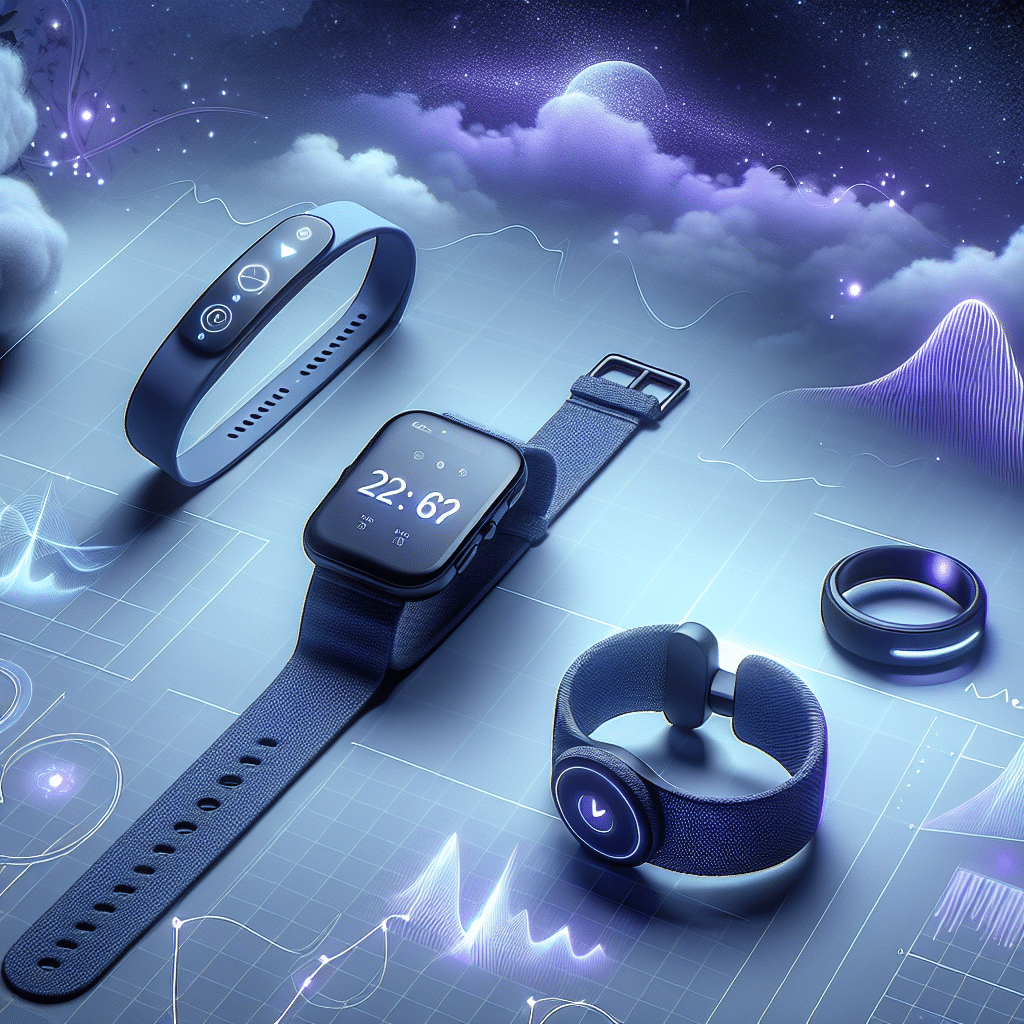
Wearable devices refer to technology that can be worn on the body, often equipped with sensors that monitor various health metrics. These devices can track heart rate, physical activity, blood oxygen saturation, and, importantly, sleep patterns. Common examples include smartwatches, fitness trackers, and specialized sleep monitors. Their popularity stems from the growing interest in personal health tracking and improved sleep quality.
2. The Science of Sleep
Before diving into specific wearable devices, it’s vital to understand the science of sleep. Sleep consists of several cycles that can be broken down into non-REM (Rapid Eye Movement) and REM sleep stages. Each stage serves a specific purpose:
- Stage 1: Light sleep, usually lasting a few minutes.
- Stage 2: Deeper sleep where the body begins to relax.
- Stage 3: Deep sleep, crucial for physical recovery and growth.
- REM Sleep: Essential for memory consolidation and emotional regulation.
Understanding these stages helps us appreciate how wearables can influence sleep quality.
3. Types of Wearable Devices for Sleep Tracking
3.1 Smartwatches
Smartwatches like the Apple Watch and Fitbit sense movements and heart rate during sleep. They utilize accelerometers and heart rate sensors to analyze sleep patterns, providing insights into the different sleep stages. They also have features for setting sleep goals and reminders, promoting healthier sleep routines.
3.2 Fitness Trackers
Fitness trackers, such as the Garmin Vivosmart and Xiaomi Mi Band, offer sleep tracking functionalities. They monitor overall activity during the day and help correlate the data with nightly resting patterns. Many offer detailed reports that can show how lifestyle factors affect sleep quality.
3.3 Dedicated Sleep Monitors
Devices like the Withings Sleep or Aura Smart Sleep use advanced sensors, including EEG (electroencephalogram), to monitor neural activity during sleep. Unlike general fitness wearables, dedicated sleep monitors often offer more precise data about sleep stages and disturbances throughout the night.
3.4 Headbands and Masks
Innovations like the Sleepace Sleep Headband and the Dodow Sleep Aid utilize advanced technologies that help in managing sleep through sound therapy or brainwave monitoring. They are designed for those who face challenges falling asleep or achieving restful sleep.
4. Features of Sleep Wearables
4.1 Sleep Analysis
Most wearable devices provide sleep analysis by tracking the duration and quality of sleep. Metrics may include total sleep time, sleep efficiency (the ratio of time spent asleep versus in bed), and the composition of different sleep stages. This data can indicate patterns, allowing users to make informed decisions regarding their sleep habits.
4.2 Heart Rate Monitoring
Heart rate is a critical factor in sleep quality. Many wearables continuously monitor heart rates throughout the night, alerting users to anomalies that may be signs of sleep disorders such as sleep apnea. A consistently high heart rate during sleep can indicate insufficient recovery, leading to next-day fatigue.
4.3 Sleep Environment Monitoring
Some devices measure environmental factors that influence sleep, such as room temperature, noise levels, and light exposure. By integrating this data, wearables can suggest optimal sleeping conditions, facilitating a better rest environment. Smart devices can regulate these conditions automatically through synchronization with home environment systems.
4.4 Personalized Insights
Many wearables offer tailored advice based on user data. For instance, they can identify trends relating to lifestyle factors (like caffeine or alcohol intake) and their impact on sleep quality. By presenting useful insights, wearables empower users to make lifestyle adjustments that promote better sleep.
5. Benefits of Using Wearable Devices for Sleep Quality
5.1 Enhanced Sleep Awareness
Wearable devices foster a greater awareness of sleep habits. The ability to visualize sleep data over time helps users understand how different behaviors affect their sleep. Seeing direct correlations encourages positive changes, leading to better sleep hygiene.
5.2 Motivation for Healthier Routines
Tracking sleep can motivate individuals to establish healthier bedtime routines. As users learn how their habits influence sleep, they may commit to more consistent sleep schedules, limiting screen time or engaging in relaxation techniques before bed.
5.3 Early Detection of Sleep Disorders
By monitoring patterns in heart rate and sleep stages, wearables can help identify potential sleep disorders. Users experiencing irregularities in their readings can take the initiative to seek medical advice early, often leading to more effective management of conditions like insomnia or sleep apnea.
5.4 Integration with Other Health Metrics
Many wearable devices sync with health apps that provide comprehensive health tracking. This integration makes it easier to correlate data related to exercise, stress, and nutrition with sleep quality, offering holistic insights into overall well-being.
6. Choosing the Right Wearable Device
6.1 Assess Personal Needs
When selecting a device, consider specific needs, such as budget, desired features, and style. For dedicated sleep tracking, specialized sleep monitors might be the best option, while a smartwatch could cover multiple health metrics.
6.2 Check Accuracy and Reliability
Research device accuracy through third-party reviews and studies. Some devices verify data collected through clinical studies, enhancing their reliability and helping users trust the insights provided.
6.3 Battery Life Matters
Battery longevity is crucial, as frequent charging can lead to inconsistent tracking results. Opt for devices with extended battery life to ensure uninterrupted monitoring throughout the night.
6.4 User-Friendly Interfaces
A device should have a user-friendly interface that makes it easy to check and interpret sleep data. An intuitive app can significantly enhance the usability of the wearable.
7. Tips for Using Wearable Devices for Better Sleep
7.1 Consistency is Key
Wear the device nightly to ensure consistent data collection. Establishing this routine will yield the most accurate insights over time.
7.2 Set Goals Based on Data
Utilize the data provided by your wearable to set realistic sleep goals. Adjust sleep schedules based on trends, aiming for gradual improvements.
7.2 Combine With Sleep Hygiene Practices
Incorporate established sleep hygiene practices, such as maintaining a cool, dark room and avoiding screens before bed, to enhance the benefits gained from tracking.
7.3 Use Insights Constructively
Analyze insights actively and use them to inform daily lifestyle choices. For example, if data suggests late caffeine consumption negatively affects sleep, work on reducing intake.
7.4 Share Data with Healthcare Providers
If sleep issues persist, consider sharing tracked data with healthcare providers to facilitate discussions. This can provide professionals with valuable insights and help to create tailored treatment plans.
8. Potential Drawbacks of Wearable Sleep Devices
8.1 Over-Reliance on Data
Users might become overly reliant on tracking metrics, focusing excessively on statistics rather than how they feel. Sleep should not turn into a number-driven task, as this can create additional anxiety about rest.
8.2 Accuracy Limitations
Not all sleep trackers offer equally accurate data. Devices can vary in performance based on how they measure sleep, leading to disparities. Users should corroborate data with their own feelings and experiences.
8.3 Device Comfort
Since these devices are worn during sleep, comfort is a factor. Some users may find them intrusive, potentially impacting sleep quality rather than enhancing it.
8.4 Privacy Concerns
Wearable devices gather a significant amount of personal health data. It’s essential to review privacy policies and understand how data will be used or shared.
9. Future of Wearable Devices and Sleep Quality
The future of wearables in sleep technology appears bright. Innovations in sensor technology, machine learning, and AI capabilities promise to deliver even more precise insights. Continuous advancements will likely include enhanced predictive analytics that can anticipate sleep problems before they occur, further empowering users on their journey to better sleep health.
Wearable devices serve as an essential tool for enhancing sleep quality. By providing insights and encouraging healthy habits, they play a key role in fostering better sleep and overall wellness. Understanding their features, benefits, and limitations helps users maximize their potential for improved rest, leading to a healthier lifestyle and more rejuvenating nights.