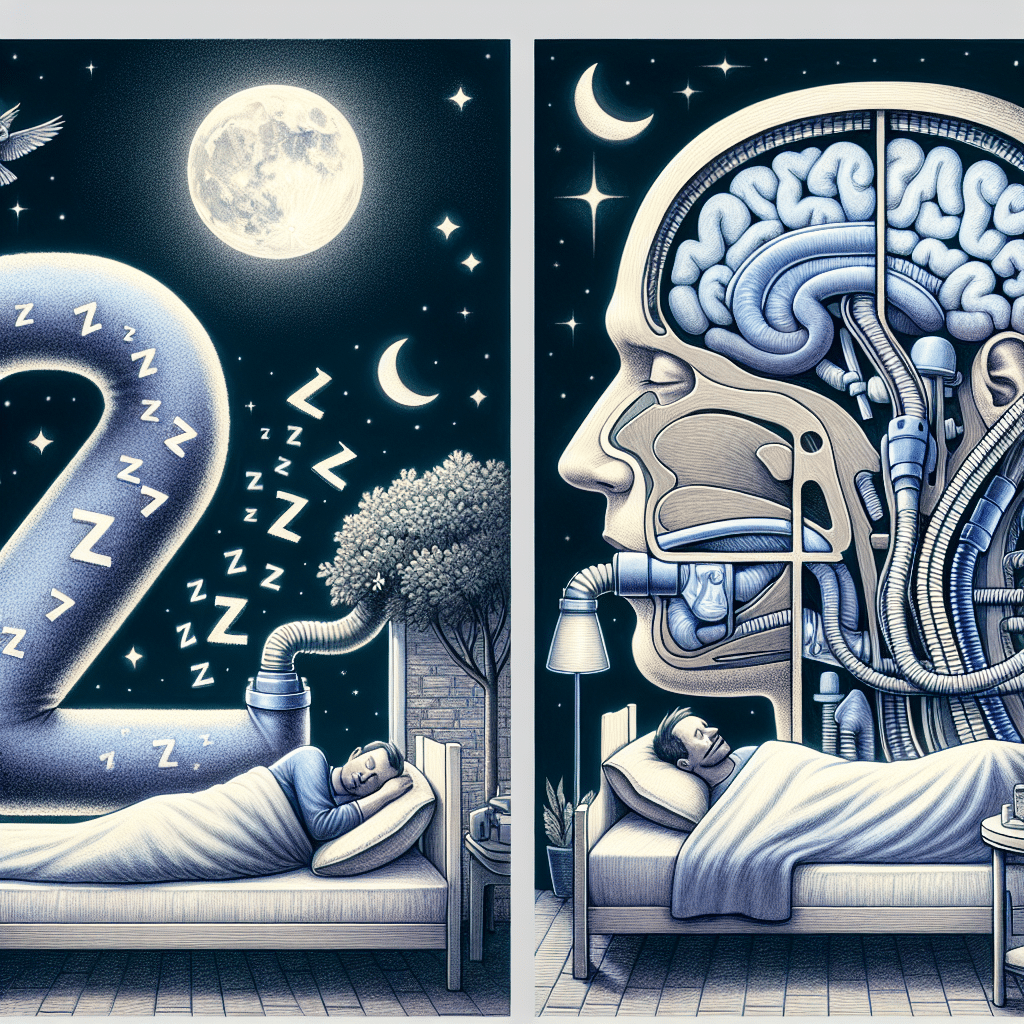
Sleep Apnea Causes and Remedies: An In-Depth Exploration
Understanding Sleep Apnea
Sleep apnea is a serious sleep disorder characterized by repeated interruptions in breathing during sleep. Each pause in breathing can last a few seconds to minutes and may occur 30 times or more per hour. This condition can lead to various health complications, including cardiovascular issues, daytime fatigue, and reduced quality of life. Recognizing the causes and exploring effective remedies is essential for managing this condition.
Types of Sleep Apnea
Understanding the different types of sleep apnea is crucial for identifying its causes and effective treatments.
-
Obstructive Sleep Apnea (OSA): This is the most common type, occurring when the throat muscles intermittently relax and block the airway during sleep. OSA is often associated with obesity, leading to excessive fat deposits around the neck.
-
Central Sleep Apnea (CSA): CSA is less common and occurs when the brain fails to send appropriate signals to the muscles that control breathing. Conditions such as heart failure, stroke, or respiratory issues can lead to CSA.
-
Complex Sleep Apnea Syndrome: Often referred to as treatment-emergent central sleep apnea, this condition is a combination of OSA and CSA.
Primary Causes of Sleep Apnea
1. Obesity
Obesity significantly increases the risk of obstructive sleep apnea. Excess weight, particularly around the neck, can put pressure on the airway, causing it to collapse during sleep. According to the National Institutes of Health, approximately 70% of OSA cases are linked to obesity. Weight loss through diet and exercise has been shown to reduce the severity of sleep apnea symptoms.
2. Anatomical Factors
Certain anatomical features can predispose individuals to sleep apnea. These include:
- A thick neck circumference (greater than 17 inches in men and 16 inches in women)
- Crowded throat tissues, often due to enlarged tonsils and adenoids
- A deviated septum, which can narrow the nasal passage
- A receding chin or a large overbite, affecting jaw alignment
3. Age
Sleep apnea risk increases with age. Muscles in the throat can become weaker and less toned, raising the likelihood of airway collapse during sleep. For men, the risk escalates after 50, while for women, the risk increases post-menopause.
4. Gender
Sleep apnea is more prevalent in men than women, attributed to anatomical and hormonal differences. However, the gap narrows as women age and go through hormonal changes, particularly during menopause.
5. Family History
Individuals with a family history of sleep apnea are at a higher risk. Genetic factors may play a role in anatomical structures and predispositions to this condition.
6. Smoking and Alcohol Consumption
Smoking can increase inflammation and fluid retention in the upper airway, further exacerbating sleep apnea. Alcohol depresses the central nervous system, leading to increased airway obstruction and a higher risk of symptoms.
7. Medical Conditions
Several medical conditions can contribute to sleep apnea:
- Hypertension: High blood pressure is both a cause and a consequence of sleep apnea.
- Heart conditions: Heart failure or irregular heartbeats can lead to central sleep apnea.
- Diabetes: There is a bi-directional relationship between sleep apnea and diabetes, with either condition worsening the other.
- Asthma: Chronic respiratory conditions can lead to airway inflammation, increasing the risk of sleep apnea.
Remedies for Sleep Apnea
Lifestyle Modifications
Making changes to your daily habits can significantly alleviate sleep apnea symptoms.
-
Weight Loss
Losing weight can lead to significant improvements in sleep apnea severity. Even a modest reduction in weight can decrease the number of apnea episodes. Consult with a healthcare provider for a personalized weight-loss program. -
Positional Therapy
Many people with OSA experience symptoms when sleeping on their backs. Using positional therapy involves training oneself to sleep on their side, which can keep the airway open. Special pillows or devices can help promote this position. -
Regular Exercise
Engaging in regular physical activity can improve sleep quality and help with weight management. Combining aerobic exercises with strength training enhances overall fitness, which can reduce symptoms. -
Avoiding Alcohol and Smoking
Reducing or eliminating alcohol consumption can decrease airway muscle relaxants, leading to fewer apneic events. Quitting smoking can also improve respiratory health and decrease inflammation.
Medical Interventions
Although lifestyle changes can help, many individuals may require medical treatment for sleep apnea.
-
Continuous Positive Airway Pressure (CPAP)
CPAP therapy is the most common and effective treatment for OSA. This device delivers a continuous stream of air through a mask, holding the airway open during sleep. For many, consistent use results in improved sleep quality and reduced daytime fatigue. -
Oral Appliances
Dental devices can be custom-fitted to reposition the jaw or tongue to keep the airway open. These are often recommended for people with mild to moderate sleep apnea who prefer an alternative to CPAP. -
Surgery
In severe cases of obstructive sleep apnea or when other treatments fail, surgical options may be considered. Procedures may involve:
- Uvulopalatopharyngoplasty (UPPP), targeted at removing excess tissue from the throat
- Genioglossus advancement, repositioning the tongue muscle attachment to prevent the airway from collapsing
- Maxillomandibular advancement, moving the upper and lower jaw forward to enlarge the airway
- Inspire therapy, an implanted device that stimulates the muscles to keep the airway open
- Positional Devices
These are intended for individuals who predominantly experience OSA when sleeping on their backs. Devices that encourage side-sleeping or even wearable technology that alerts the person when they roll over can mitigate obstruction.
Monitoring and Ongoing Assessment
Regular follow-up with a healthcare provider is essential for those diagnosed with sleep apnea. Monitoring deviations in symptoms, adherence to treatment, and overall well-being can lead to timely adjustments in management strategies.
Alternative Remedies and Complementary Therapies
While conventional treatments remain the mainstay for managing sleep apnea, some alternative therapies may improve symptoms.
-
Yoga and Breathing Exercises
Practicing yoga and focused breathing techniques can enhance lung function and promote relaxation, contributing to better sleep quality. Certain positions may improve airway tension and are beneficial for those with mild sleep apnea. -
Acupuncture
Some studies suggest that acupuncture may help reduce sleep apnea symptoms by alleviating inflammation, relaxing muscles, and promoting better quality sleep. -
Dietary Adjustments
Adopting a healthy diet rich in fruits, vegetables, whole grains, and lean proteins can aid weight management and overall health. Specific nutrients such as omega-3 fatty acids may improve respiratory function and support healthy sleep. -
Herbal Supplements
Certain herbal supplements, such as valerian root and passionflower, may improve sleep quality. However, it is essential to consult a healthcare provider before introducing any supplements, as they can interact with other medications.
Importance of Diagnosis
Accurate diagnosis of sleep apnea is critical for effective management. Individuals experiencing symptoms such as loud snoring, choking or gasping during sleep, excessive daytime sleepiness, or difficulty concentrating should seek a consultation.
Polysomnography (sleep study) conducted in a sleep lab may be recommended to monitor various body functions during sleep. Home sleep apnea testing may also be an option for some patients.
Final Thoughts
A multidimensional approach combining lifestyle changes, medical treatment, and ongoing assessment can significantly reduce the burden of sleep apnea. Individuals should prioritize their health by actively seeking diagnosis and exploring viable remedies to improve sleep quality and overall well-being.