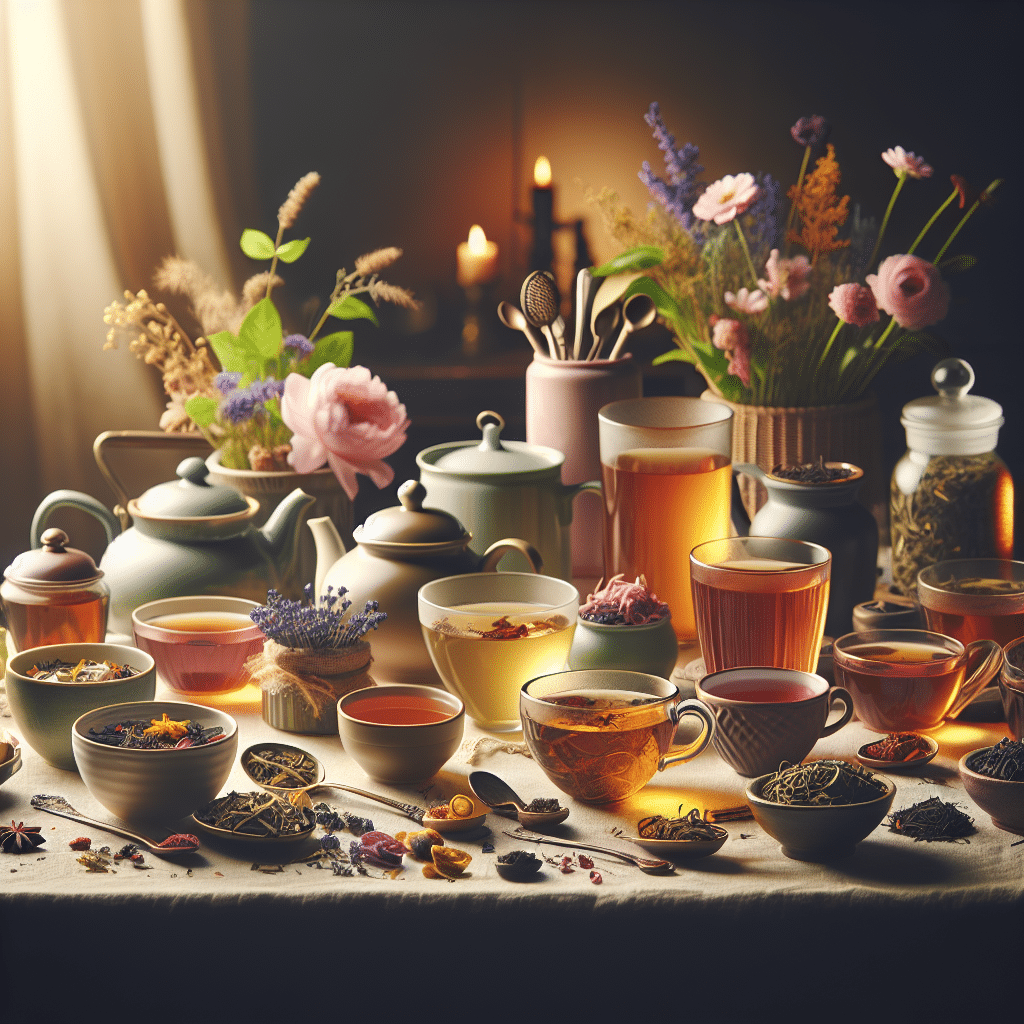
The Best Bedtime Teas for Relaxation
When it comes to unwinding after a long day, few rituals are as soothing as sipping a warm cup of tea before bed. Bedtime teas have been used for centuries not only for their comforting flavors but also for their ability to promote relaxation and improve sleep quality. This article explores the best bedtime teas, their health benefits, and tips for brewing the perfect cup.
1. Chamomile Tea
Chamomile tea is one of the most well-known herbal teas for relaxation. This gentle flower, a member of the Asteraceae family, has been valued since ancient times for its calming properties. Research indicates that chamomile can help reduce anxiety and improve sleep quality. Key active compounds like apigenin bind with receptors in the brain to promote sleepiness and reduce insomnia.
How to Brew:
- Use 1 to 2 teaspoons of dried chamomile flowers per cup.
- Steep in boiling water for 5-10 minutes.
- Add honey for a touch of sweetness.
2. Lavender Tea
Lavender is celebrated for its wonderfully fragrant aroma. Evidence suggests that inhaling lavender scent can decrease anxiety and improve mood while also enhancing sleep quality. Drinking lavender tea can provide similar benefits, making it an excellent choice before bedtime.
Preparation Tips:
- Use dried lavender buds (1 teaspoon per cup).
- Steep in water at 200°F for about 5 minutes.
- Combine with chamomile for a soothing blend.
3. Valerian Root Tea
Valerian root has earned its reputation as a potent herbal remedy for insomnia and anxiety. Its active compounds, such as valerenic acid, may increase GABA levels in the brain, which can help you feel more relaxed and sleepy. Though its taste may be an acquired one—some compare it to earthy flavors—the sleepy effects are widely appreciated.
Brewing Instructions:
- Use 1 teaspoon of dried valerian root per cup of water.
- Steep for 10-15 minutes, but be cautious about prolonged steeping as it may intensify the flavor.
- Optionally, mix with honey or lemon to enhance taste.
4. Passionflower Tea
Passionflower is a lesser-known herbal tea that deserves attention for its relaxation benefits. Traditionally used to alleviate anxiety and insomnia, passionflower tea has a mild, sweet flavor. The compounds, including harmine, may help increase GABA levels, making it easier to relax and fall asleep.
Brewing Recommendations:
- Use 1-2 teaspoons of dried leaves or flowers.
- Steep in boiling water for about 10 minutes.
- Enhance with lemon or mint for a refreshing twist.
5. Lemon Balm Tea
Lemon balm is a member of the mint family that has been used for centuries to reduce stress and promote relaxation. The lemony aroma and mild flavor provide a refreshing and restorative drink before bed. Studies suggest it can help improve sleep quality and reduce anxiety levels.
How to Prepare:
- Use a handful of fresh leaves or 1-2 teaspoons of dried lemon balm.
- Steep in hot water for about 8-10 minutes.
- Adding honey can complement its flavor nicely.
6. Peppermint Tea
While peppermint tea is typically known for its digestive benefits, it can also aid relaxation, thanks to its menthol content. Peppermint can help relieve headaches and tension, making it a great choice for those winding down. It’s also caffeine-free, ensuring that it won’t interfere with sleep.
Brewing Steps:
- Use a handful of fresh mint leaves or a peppermint tea bag.
- Steep in boiling water for about 5-7 minutes.
- Serve hot or chilled, based on preference.
7. Rooibos Tea
Rooibos tea, derived from a South African plant, is naturally caffeine-free and loaded with antioxidants. Its earthy, sweet flavor can be both soothing and energizing for your nighttime routine. Rooibos may also assist in relieving insomnia, making it a fantastic bedtime option.
How to Brew:
- Use 1-2 teaspoons of rooibos tea per cup.
- Steep in boiling water for about 10 minutes.
- Complement with a splash of milk or a dash of cinnamon for additional flavor.
8. White Tea
While most teas contain caffeine, white tea is known for its low levels, making it a viable option for bedtime. White tea offers a delicate flavor with subtle floral notes. Though light, it can still offer relaxation benefits, particularly due to its high antioxidant content.
Brewing Recommendations:
- Use 1 teaspoon of loose-leaf white tea or a tea bag.
- Steep at a lower temperature (around 175°F) for 4-5 minutes.
- Enjoy plain or add a splash of honey.
9. Golden Milk Tea
Golden milk tea, made from turmeric, is not only calming but also boasts antioxidant properties. Curcumin, the active ingredient in turmeric, has been shown to have calming effects on the body. The creamy texture and rich flavor provide warmth without the jitters associated with other caffeinated beverages.
Preparing Golden Milk:
- Warm milk (or a dairy alternative) and whisk in 1 tsp of turmeric powder.
- Add cinnamon and honey to taste.
- Simmer for a few minutes before straining the mixture and enjoying.
10. Hibiscus Tea
Hibiscus tea is as vibrant as it is beneficial. While it’s known for its ability to lower blood pressure, it can also act as a mild relaxant. Its tangy flavor makes it versatile enough to enjoy either hot or cold, making it an excellent addition to your bedtime routine.
Brewing Instructions:
- Use 1-2 teaspoons of dried hibiscus flowers.
- Steep in boiling water for 5-7 minutes.
- Sweeten with honey or agave, or mix with a twist of lime.
Tips for Brewing the Perfect Cup of Bedtime Tea
- Quality Matters: Opt for high-quality loose-leaf teas or organic tea bags to enhance flavor and health benefits.
- Mind the Temperature: Different teas steep best at different temperatures. Always check recommendations specific to the herb you’re using.
- Use Filtered Water: The taste of your tea can be affected by water quality, so using filtered or spring water can enhance your experience.
- Timing is Key: Aim to drink your bedtime tea 30-60 minutes before you plan to sleep to allow time for relaxation and help prepare your body for rest.
- Experiment with Blends: Don’t hesitate to create your blends. Mixing chamomile with lavender or peppermint with rooibos can yield delightful results.
FAQ about Bedtime Teas
1. Are herbal teas safe to drink every night?
Yes, most herbal teas are safe for nightly consumption, but it’s best to consult with a healthcare provider if you have specific health concerns or are taking medication.
2. Can bedtime teas help with insomnia?
Selected herbal teas, particularly chamomile, valerian, and passionflower, have been shown to have calming effects that may aid those struggling with insomnia.
3. Is caffeine-free tea necessary before bed?
Yes, choosing caffeine-free options is crucial to prevent sleep disturbances. Most herbal teas are naturally caffeine-free.
4. How much tea should I drink before bed?
Generally, 1 to 2 cups of herbal tea is appropriate and can encourage relaxation without overloading your bladder during the night.
5. Can tea affect dreams?
While tea alone doesn’t directly affect dreams, the calming effects of herbal blends can lead to a more serene sleep experience, potentially influencing dream quality.
Embracing bedtime teas as part of your nightly routine may not only improve your sleep quality but also provide a moment of mindfulness to reflect on the day.