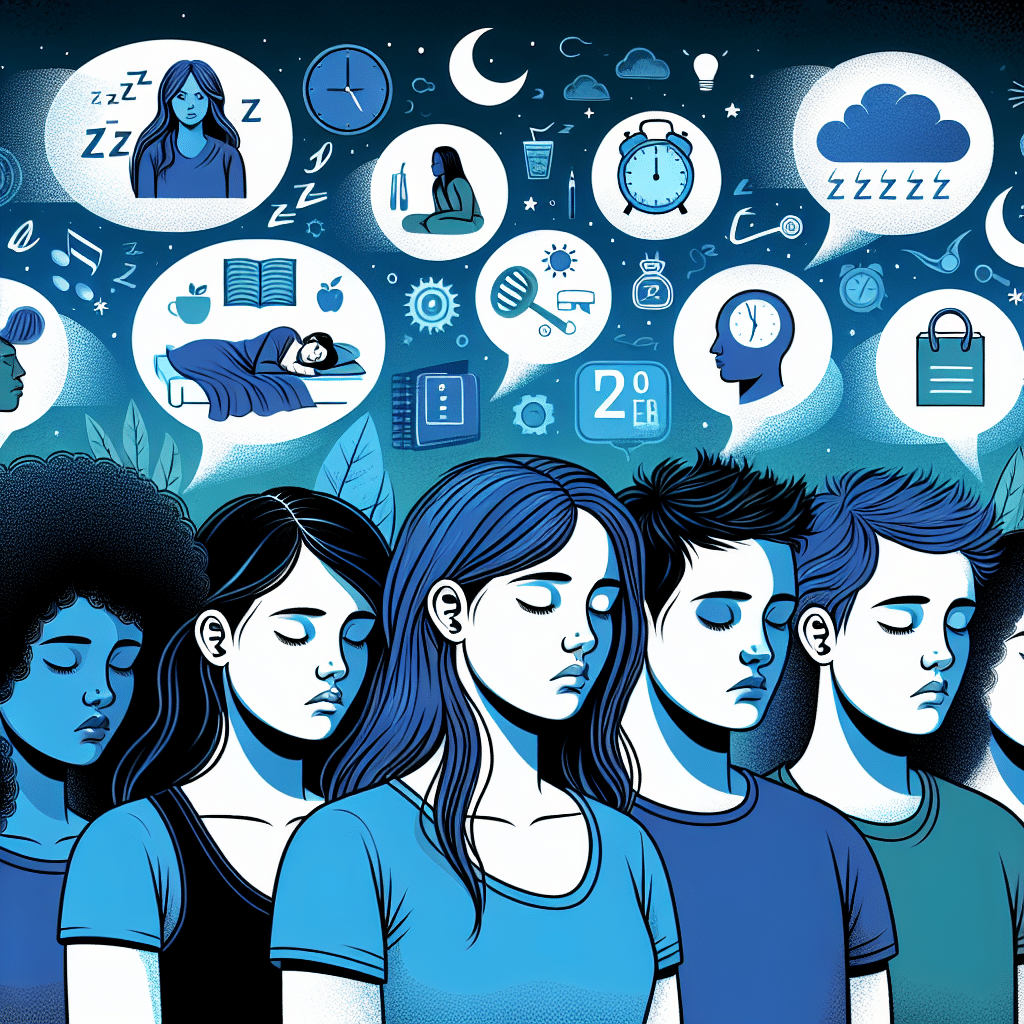
Understanding Teen Sleep Disorders
Teenagers face unique challenges that can significantly impact their sleep patterns. Sleep disorders among adolescents can lead to severe consequences for mental, physical, and academic performance. This is due to the numerous changes that occur during this crucial developmental stage, including hormonal changes, increased academic demands, and social influences.
Common Sleep Disorders in Teens
-
Insomnia: This is characterized by difficulty falling or staying asleep. Stress from school, relationships, and extracurricular activities can contribute to insomnia in teenagers.
-
Sleep Apnea: Obstructive sleep apnea is common among teens, leading to interrupted breathing during sleep. This results in poor sleep quality and can affect overall health and focus.
-
Delayed Sleep Phase Disorder: Teens often wish to stay up late, which can lead to difficulty waking up in the morning. This circadian rhythm disorder can result in chronic sleep deprivation.
-
Restless Legs Syndrome (RLS): This neurological disorder causes uncomfortable sensations in the legs, typically when at rest, leading to difficulties in falling asleep.
-
Circadian Rhythm Disorders: Misalignment between a teen’s sleep-wake schedule and the societal demands of school can disrupt their natural sleep patterns.
Signs of Sleep Disorders
Recognizing sleep disorders early can mitigate their impact. Common signs include:
- Excessive daytime sleepiness
- Difficulty waking up in the morning
- Mood swings or irritability
- Poor academic performance
- Frequent headaches
- Difficulty concentrating
Tips for Improving Sleep Hygiene
-
Establish a Routine: Encourage a consistent sleep-wake schedule, even on weekends. Going to bed and waking up at the same time every day reinforces the body’s natural sleep-wake cycle.
-
Limit Screen Time Before Bed: Blue light emitted from phones, tablets, and computers can disrupt melatonin production. Aim to disconnect at least one hour before bedtime.
-
Create a Sleep-Friendly Environment: Ensure the bedroom is dark, cool, and quiet. Consider using blackout curtains, white noise machines, or eye masks to enhance sleep quality.
-
Encourage Relaxation Techniques: Incorporate activities such as reading, meditation, or yoga into the bedtime routine. These practices can help reduce stress and prepare the mind for sleep.
-
Limit Caffeine and Sugar Intake: Cut down on caffeine, especially in the afternoon and evening. Similarly, high-sugar foods can result in energy spikes that disrupt sleep.
-
Promote Physical Activity: Regular exercise can help teens fall asleep faster and enjoy deeper sleep. However, encourage exercising earlier in the day rather than close to bedtime.
-
Monitor Naps: While short power naps can be beneficial, long or late afternoon naps can hinder nighttime sleep. Encourage a strict napping schedule.
-
Track Sleep Patterns: Suggest keeping a sleep diary to identify patterns or habits that may be affecting sleep quality. This can provide insight into behaviors that need adjustment.
-
Focus on Nutrition: A balanced diet can influence sleep quality. Ensure a regular intake of fruits, vegetables, whole grains, and lean proteins. Foods rich in magnesium and tryptophan can promote good sleep.
-
Limit Fluid Intake Before Bed: Last-minute trips to the bathroom can disrupt sleep. Encourage drinking most fluids earlier in the day.
When to Seek Professional Help
If sleep problems persist despite implementing the above strategies, it may be time to consult a healthcare professional. Some signs that warrant expert advice include:
- Persistent insomnia despite following a sleep routine
- Severe snoring or gasping during sleep
- Unexplained daytime sleepiness
- Significant academic or social impairment due to sleep issues
- Frequent nightmares or bedwetting beyond expected age
Proactive Strategies for Parents
Parents play a crucial role in supporting their teens’ sleep health. Here are proactive strategies:
-
Educate about Sleep: Discuss the importance of sleep for overall health and development. Encourage open conversations about struggles related to sleep.
-
Model Good Sleep Hygiene: Demonstrate healthy sleep practices. Your habits can influence your teen’s routines.
-
Be Attentive: Look for signs of sleep deprivation or mood changes. Early intervention can help manage sleep issues effectively.
-
Promote Positive Daily Routines: Encourage structured days with adequate time for homework, chores, and relaxation. Balance is key to reducing stress.
-
Set Realistic Expectations: Understand that pressures from school and activities can overwhelm teens. Support them in managing their time effectively.
Understanding the Impact of Sleep Disorders
Sleep disorders can have lasting effects on teenagers. Chronic sleep deprivation may lead to an increased risk of anxiety and depression, potentially exacerbating existing mental health issues. It can also affect physical health. Poor sleep over extended periods has been linked to obesity, diabetes, and cardiovascular problems.
Conclusion
Encouraging good sleep habits and being proactive in recognizing and addressing sleep disorders is crucial for teenagers. By implementing effective strategies, parents and teenagers can work together to improve sleep hygiene, leading to better health outcomes, enhanced academic performance, and overall well-being.
With the right support and education, a healthier sleep life is within reach for every teenager, equipping them to face the challenges of adolescence with more energy, focus, and resilience.