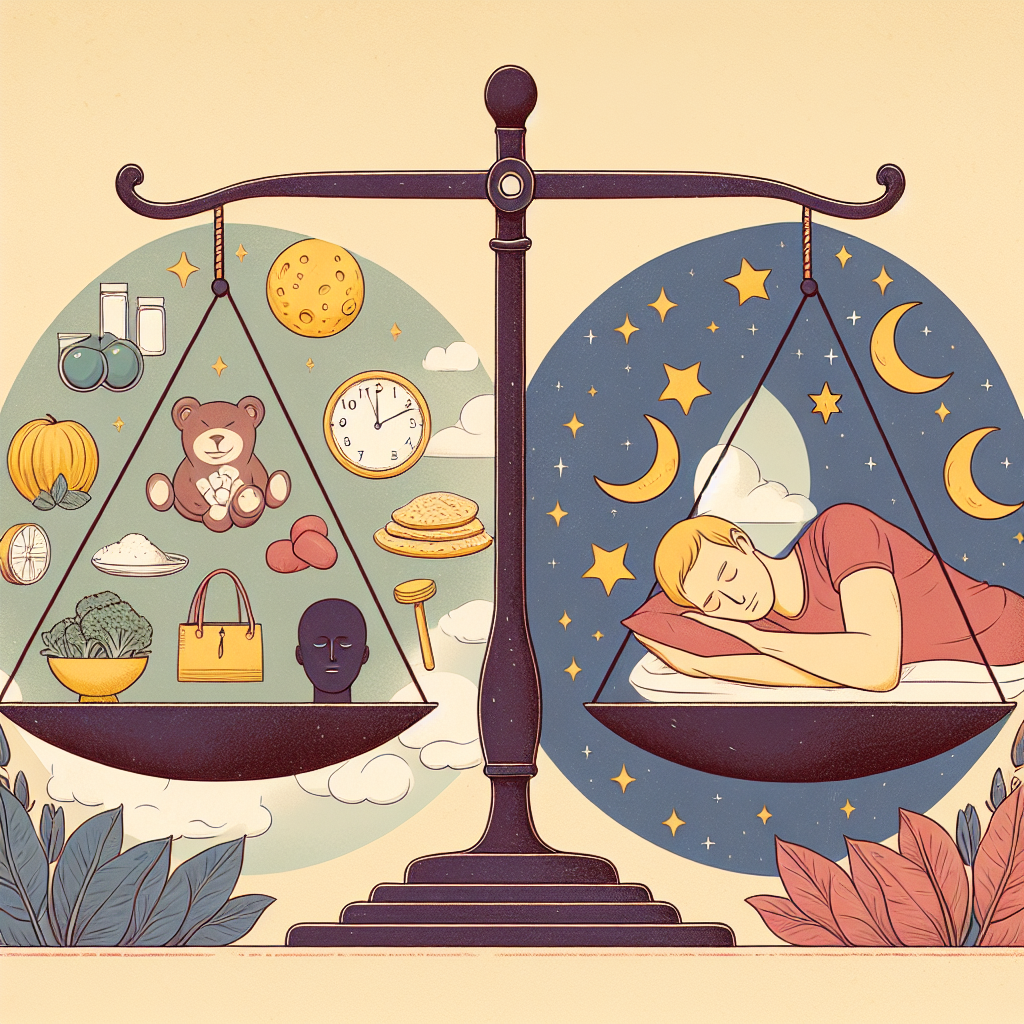
Understanding Insomnia: A Comprehensive Guide to Balancing Lifestyle Factors
Insomnia is a pervasive sleep disorder characterized by difficulty falling asleep, staying asleep, or waking up too early. This condition can lead to daytime fatigue, irritability, and impaired cognitive function. Combatting insomnia often requires a multifaceted approach, targeting various lifestyle factors that can significantly influence sleep quality. In this detailed article, we will explore the primary lifestyle contributors to insomnia and discuss strategies for achieving a balanced lifestyle conducive to restful sleep.
1. Sleep Environment
Creating a sleep-friendly environment is crucial for battling insomnia. A dark, cool, and quiet space promotes better sleep hygiene.
-
Temperature Regulation: Aim for a bedroom temperature between 60-67°F (15-19°C). This range has been shown to enhance sleep quality. Consider investing in temperature-regulating bedding and sleepwear if necessary.
-
Light Exposure: Exposure to natural light during the day strengthens the body’s circadian rhythm. Conversely, limit exposure to blue light from screens at least two hours before bedtime. Use blackout curtains to reduce light pollution in your bedroom.
-
Sound Control: If you live in a noisy environment, consider using white noise machines, earplugs, or tranquil music to block out disruptive sounds.
2. Diet and Nutrition
The foods and beverages consumed throughout the day can have profound effects on sleep patterns.
-
Caffeine Intake: Caffeine is a well-known stimulant that can disrupt your ability to fall asleep. Limit caffeine consumption to the morning hours and opt for decaffeinated beverages in the afternoon and evening.
-
Alcohol Consumption: While alcohol might initially aid sleep, it can lead to disrupted sleep cycles and frequent awakenings during the night. Minimize alcoholic intake, especially close to bedtime.
-
Balanced Meals: A diet rich in whole foods, lean proteins, healthy fats, and complex carbohydrates can support better sleep quality. Incorporate foods like leafy greens, nuts, seeds, lean poultry, and whole grains, while minimizing processed foods and sugars.
-
Sleep-Inducing Snacks: If you require a late-night snack, consider options that provide tryptophan—such as bananas, almonds, or yogurt—to promote the production of serotonin and melatonin, neurotransmitters associated with sleep.
3. Physical Activity
Regular physical activity contributes significantly to overall health and can improve sleep quality.
-
Exercise Timing: Engage in aerobic or resistance training for at least 150 minutes per week. However, be mindful of when you exercise; try to finish intense workouts at least 2-3 hours before bedtime, as exercising too closely to sleep time can be stimulating.
-
Types of Exercise: Aim for a mix of cardiovascular, strength, and flexibility workouts. Activities like walking, swimming, cycling, and yoga can reduce stress levels and promote relaxation, making it easier to fall asleep.
-
Routine: Develop a consistent exercise routine, as regularity can help regulate sleep-wake cycles.
4. Stress Management
High levels of stress can impede the ability to sleep soundly. Implementing effective stress management techniques is essential.
-
Mindfulness and Meditation: Practices such as mindfulness meditation can reduce anxiety and stress, making it easier to relax before bedtime. Try dedicating 10-15 minutes daily to mindful breathing or guided meditation.
-
Journaling: Writing down thoughts or worries before bed can help clear your mind, reducing ruminations that often keep you awake. Consider creating a gratitude journal, focusing on positive experiences to foster a calm mindset.
-
Relaxation Techniques: Techniques such as progressive muscle relaxation, aromatherapy, and calming teas (like chamomile or lavender) can facilitate a smoother transition to sleep.
5. Sleep Schedule
Maintaining a consistent sleep schedule is imperative for optimizing sleep quality.
-
Stick to a Routine: Go to bed and wake up at the same time every day, even on weekends. This helps reinforce your body’s natural circadian rhythms, signaling when to feel alert and when to sleep.
-
Limit Naps: While short power naps (20-30 minutes) can be beneficial, long or irregular naps during the day can negatively affect nighttime sleep. If napping is necessary, try to do so earlier in the day.
6. Limiting Screen Time
The blue light emitted from electronic devices can interfere with melatonin production, making it harder to fall asleep.
-
Screen-Free Hour: Initiate a screen-free hour before bedtime. Use this time for reading, light relaxation, or engaging in offline hobbies.
-
Blue Light Filters: If screen use is necessary, consider using blue light filters on devices to minimize exposure, or wear blue light-blocking glasses in the evening.
7. Medical Considerations
Sometimes insomnia can be a symptom of an underlying medical condition. If sleep problems persist:
-
Consult a Healthcare Provider: If lifestyle changes do not yield improvements, consult a healthcare professional to rule out sleep disorders like sleep apnea or restless leg syndrome, and discuss other potential causes, such as hormone imbalances or mental health issues.
-
Medications: Sometimes prescription sleep medications may be necessary. However, consult a doctor to understand the risks, benefits, and potential side effects.
8. Supplements and Herbal Remedies
Certain supplements and herbs can be beneficial for sleep without the risks associated with prescription medications.
-
Melatonin: This natural hormone regulates the sleep-wake cycle. A low dose before bedtime can aid those struggling with sleep onset.
-
Valerian Root: Used for centuries as a sleep aid, valerian root is an herbal supplement that may improve sleep latency and quality.
-
Magnesium: This mineral helps regulate neurotransmitters linked to sleep. It can be found in foods like leafy greens, seeds, nuts, and whole grains or taken as a supplement.
9. Building a Sleep-Inducing Routine
Developing a sleep routine can signal to your body that it’s time to wind down.
-
Calming Pre-Sleep Ritual: Create a routine that helps your body recognize it’s time for sleep. Activities could include dimming the lights, taking a warm bath, stretching, or reading a book, ideally involving no electronics.
-
Set the Mood: Ensure your bedroom is a relaxing sanctuary. Consider enhancing your environment with soothing scents, gentle music, or comfortable cushions to promote relaxation.
10. Evaluate Your Progress
Monitoring your sleep patterns can provide insight into what works.
-
Sleep Diary: Keep a sleep diary, noting your sleep schedule, daily habits, and any stressors. This record can help identify trends and trigger factors affecting your sleep.
-
Adjust and Adapt: Be patient and willing to modify your approach. What works for one person may not suit another, so experiment with various strategies to discover the most effective for your lifestyle.
By addressing these lifestyle factors, individuals suffering from insomnia can develop a holistic strategy tailored to their unique needs, ultimately facilitating improved sleep quality. Balancing these elements requires commitment and consistency but can lead to significant benefits in overall well-being and quality of life.