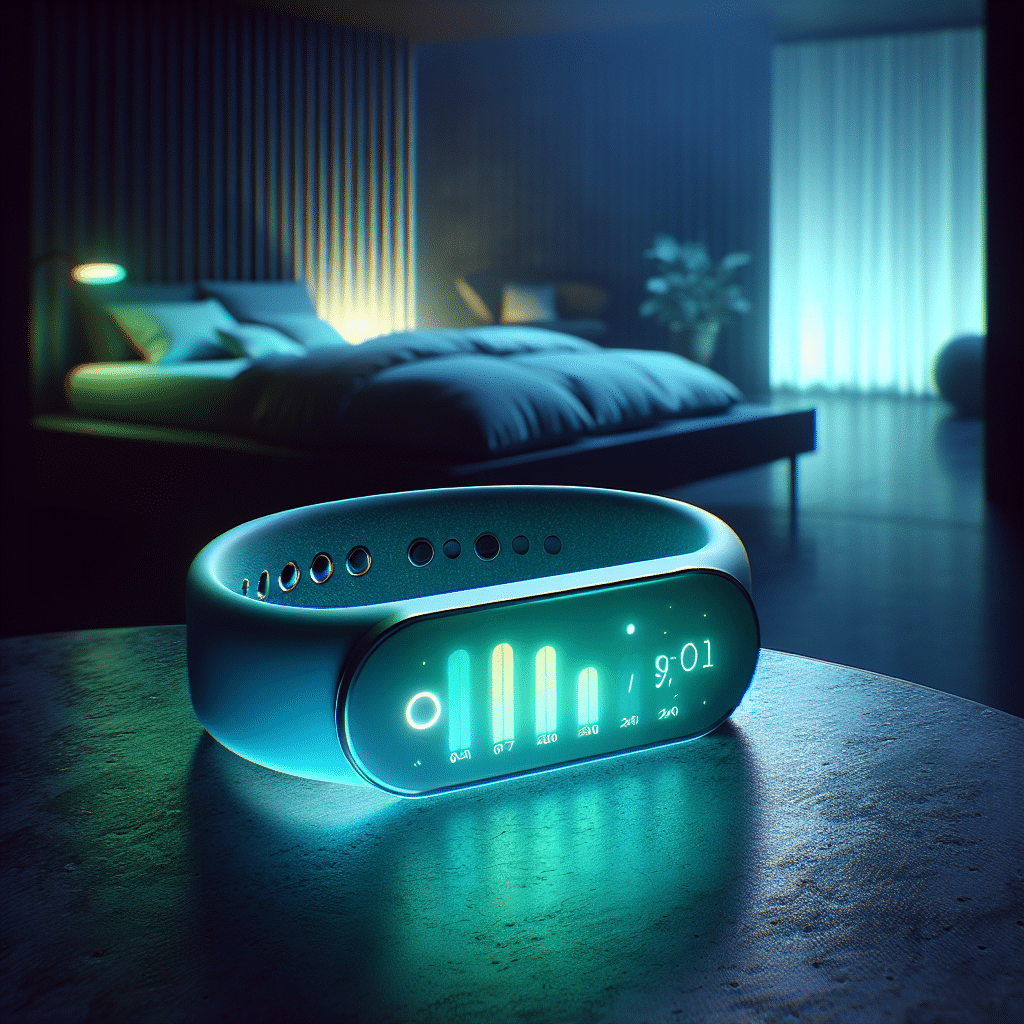
Understanding Wearable Sleep Monitors
Wearable sleep monitors, ranging from smartwatches to specialized sleep bands, capture data on your sleep patterns, behaviors, and overall health while you rest. This technology uses sensors to track various metrics such as heart rate, body temperature, movement, and even ambient noise levels, providing insights into how well you sleep and tips for improving it.
The Rise of Wearable Technology
The proliferation of wearable technology has transformed how we track our fitness and health metrics. With consumers becoming increasingly health-conscious, the demand for devices that monitor sleep has surged. These devices appeal not only to fitness enthusiasts but also to those struggling with sleep disorders, anxiety, or just wanting to enhance the quality of their sleep.
How Wearable Sleep Monitors Work
Wearable sleep monitors typically use three main types of sensors:
-
Accelerometers: These sensors detect movement during sleep. If you toss and turn, the monitor records these movements to gauge sleep quality, such as distinguishing between light and deep sleep.
-
Heart Rate Monitors: A critical indicator of sleep stages, heart rate variability offers insights into whether you are in a resting state or experiencing REM sleep.
-
Skin Temperature Sensors: Variations in body temperature can signal changes in your sleep cycle. Some wearables can detect slight fluctuations, providing a more comprehensive view of your rest.
Key Metrics Tracked
The effectiveness of sleep monitoring lies in the metrics tracked by these devices:
-
Sleep Duration: Knowing how many hours you actually sleep, compared to what you aim for.
-
Sleep Quality: Determined by the ratio of light sleep to deep sleep stages.
-
Wake Times: How often you wake up during the night and for how long.
-
Sleep Latency: The time it takes to fall asleep after lying down.
-
Environmental Factors: Some devices include features to track ambient light and noise levels to evaluate their impact on sleep quality.
Benefits of Using a Wearable Sleep Monitor
-
Personalized Insight: Wearable monitors provide feedback tailored to your specific sleep patterns, helping you identify what’s working and what isn’t.
-
Behavior Modification: By quantifying sleep data, wearables encourage users to adopt better sleep habits, such as improving sleep hygiene or establishing a more consistent sleep schedule.
-
Connection to Overall Health: Poor sleep is correlated with numerous health issues such as obesity, hypertension, and diabetes. Monitoring can help identify these risk factors.
-
Encouragement for Professional Help: Recognizing persistent sleeping issues may prompt users to seek medical advice, facilitating early intervention for sleep disorders.
-
User Interaction: Many devices come with apps that allow users to track their progress and set goals, enhancing user engagement and motivation.
Limitations and Considerations
While the benefits of wearable sleep monitors are compelling, there are limitations:
-
Accuracy: Many devices estimate sleep stages based on movement and heart rate; they may not be as precise as medical sleep studies conducted in labs.
-
Overreliance: Users may become fixated on metrics, leading to anxiety about sleep rather than fostering a healthy sleep environment.
-
Comfort: Some individuals may find wearing a device while sleeping uncomfortable, potentially altering their sleep rather than improving it.
-
Battery Life: Frequent charging may disrupt the day-to-day usability of the device, especially if wearing it continuously is required.
-
Privacy Concerns: Data security is always a concern with health tracking devices, as the sensitive information they collect may be vulnerable to breaches.
Enhancing Sleep Through Technology Integration
Wearable monitors can often pair with other smart home devices, offering enhanced control over your sleep environment. Integration with smart thermostats allows for temperature adjustments tailored to sleep stages, while smart lighting can gradually dim to signal bedtime.
The Future of Wearable Sleep Monitors
As technology advances, future iterations of wearable sleep monitors will likely include features such as:
-
Enhanced Sleep Diagnostic Tools: More precise sensors could provide real-time feedback on brain waves during sleep cycles.
-
AI Integration: Artificial intelligence can analyze data over time, predicting sleep problems before they occur, and suggesting personalized interventions based on historical patterns.
-
Smart Fabric: Developments in fabric technology may lead to wearable sleep monitors woven into bed sheets or pajamas, eliminating discomfort while maintaining accurate tracking.
The Psychological Impact of Monitoring Sleep
Understanding your sleep patterns can serve as a double-edged sword. While data can motivate positive changes, it can also lead to increased anxiety. The phenomenon known as “orthosomnia” illustrates this, where users become overly concerned about achieving the ‘perfect’ sleep statistic.
Real-life Experiences
Numerous testimonials from users indicate transformative experiences after adopting wearable sleep monitors. Many report improved awareness of their habits, allowing for adjustments like reducing caffeine intake or adhering to a bedtime routine. Users frequently cite benefits such as feeling more rested and energetic during the day, impacting productivity and overall mood positively.
A Look at Popular Devices
Several devices have stood out in the market:
-
Fitbit Charge Series: Known for its comprehensive health tracking and user-friendly interface, including sleep stages and health metrics.
-
Oura Ring: This discreet yet powerful ring offers in-depth sleep analysis and is particularly favored by individuals all about health optimization.
-
Apple Watch: Offers a combination of fitness and health tracking with features for sleep, but its accuracy varied as it mostly used algorithms to infer sleep metrics.
-
Whoop Strap: Primarily designed for athletes, this device focuses on recovery and sleep performance, appealing to those who require more than just basic tracking.
Choosing the Right Wearable Sleep Monitor
When selecting a wearable sleep monitor, consider the following factors:
-
Comfort: Choose a device that feels comfortable enough to wear while you sleep.
-
Features: Determine which metrics are most relevant to you—be it heart rate variability, sleep stage tracking, or environmental feedback.
-
Battery Life: Ensure that the device has adequate battery life to last through the night and be usable without constant charging.
-
Budget: Evaluate how much you are willing to invest. While higher-priced models often come with better sensors and features, many cost-effective options provide sufficient data.
Enhancing Your Sleep Environment
Regardless of whether you use a wearable sleep monitor, improving your sleep environment is crucial. Consider these factors:
-
Light Regulation: Maintain a dark sleeping area using blackout curtains.
-
Noise Reduction: White noise machines or earplugs can minimize disruptions.
-
Comfortable Bedding: Invest in a quality mattress and pillows to support a good night’s rest.
-
Temperature Control: Studies suggest that cooler temperatures facilitate better sleep, so adjust your thermostat accordingly.
-
Limit Screen Time: The blue light emitted by devices can interfere with melatonin production. Reducing screen time before bed can help.
Conclusion
The role of wearable sleep monitors in improving sleep health is significant, offering insights and feedback that can lead to better overall well-being. Understanding your sleep patterns, integrating technology, and modifying behaviors may result in a more restful night. While they have their limitations, when used wisely, wearable sleep monitors can be powerful tools for anyone looking to enhance their slumber.