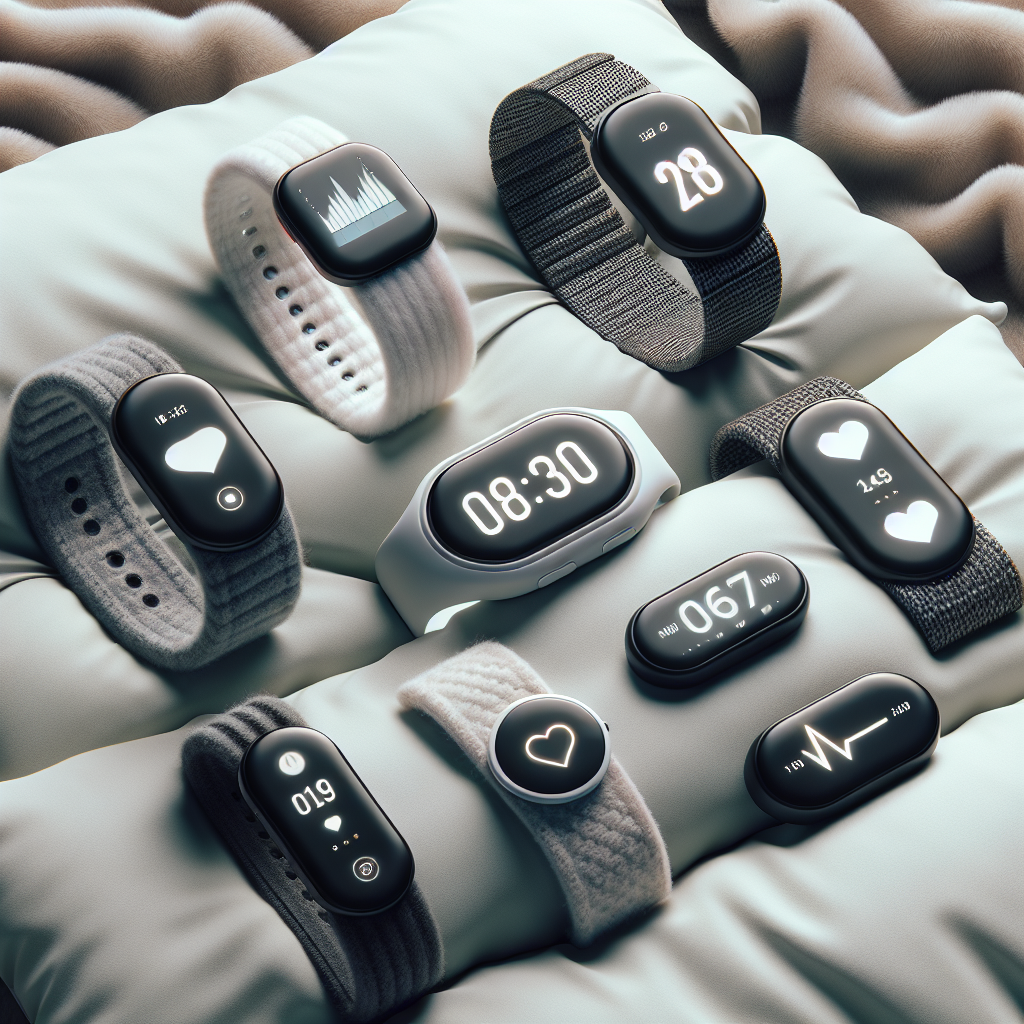
Wearable Sleep Monitors: A Comprehensive Review
Understanding Wearable Sleep Monitors
Wearable sleep monitors are increasingly popular among health enthusiasts and individuals seeking to improve their sleep quality. Unlike traditional sleep studies conducted in clinical settings, these devices allow users to gain insights into their sleep patterns, duration, and overall health from the comfort of their own homes.
Types of Wearable Sleep Monitors
-
Smartwatches
- Brands like Apple, Samsung, and Fitbit incorporate robust sleep tracking features.
- Functions include heart rate monitoring, SpO2 levels, and sleep cycle analysis.
-
Fitness Trackers
- Devices such as the Garmin Vivosmart and Fitbit Inspire focus on daily activity alongside sleep metrics.
- They also track exercise, heart rate variability, and recovery times.
-
Dedicated Sleep Devices
- Products like the Withings Sleep Tracking Mat or the Oura Ring are specialized purely for monitoring sleep.
- These devices often provide advanced analytics and are designed for maximum comfort during overnight use.
Key Features to Look For
-
Sleep Stage Tracking
- Most modern devices differentiate between light, deep, and REM sleep.
- This data helps users understand their sleep quality and identify areas for improvement.
-
Heart Rate Monitoring
- Continuous heart rate monitoring can provide insights into cardiovascular health and stress levels.
-
Battery Life
- A long-lasting battery is essential for uninterrupted monitoring.
- Many wearable sleep monitors boast a battery life of several days.
-
Comfort and Design
- Wearability during sleep requires that the device be lightweight and non-intrusive.
- Fabrics and materials that are breathable can enhance comfort for a better night’s sleep.
-
Integration with Health Apps
- Many wearable devices sync seamlessly with health apps, offering a comprehensive view of user data.
- This connectivity allows for personalized feedback and adjustments to sleep hygiene.
Top Wearable Sleep Monitors Reviewed
1. Oura Ring Gen3
- Overview: The Oura Ring is a sleek, ring-shaped sleep tracker that boasts precision in sleep analytics.
- Features:
- Sleep stage tracking & overall sleep score.
- Heart rate variability and body temperature monitoring.
- Battery life of up to 7 days.
- Pros: Highly accurate sensor technology; stylish design; exceptional user experience via its app.
- Cons: High price point; less effective for those not comfortable wearing rings.
2. Fitbit Charge 5
- Overview: A popular choice among fitness enthusiasts, the Fitbit Charge 5 offers robust tracking capabilities.
- Features:
- Comprehensive sleep analysis, including Sleep Score.
- Stress management tools through heart rate variability data.
- 7-day battery life.
- Pros: User-friendly interface; integrates well with various fitness apps; excellent community support.
- Cons: Limited data integration for advanced users; some features require Fitbit Premium for full access.
3. Apple Watch Series 8
- Overview: As one of the most advanced smartwatches, the Apple Watch offers extensive health tracking features, including sleep.
- Features:
- Sleep monitoring with focus on sleep trends and heart rate data.
- Integration with Apple Health and customizable sleep modes.
- Pros: Exceptional ecosystem compatibility; attractive design; frequently updated software.
- Cons: Battery life typically lasts only 18 hours; may feel bulky for some users.
4. Whoop Strap 3.0
- Overview: A subscription-based wearable that focuses on recovery and performance, the Whoop Strap is an excellent option for athletes.
- Features:
- Detailed sleep insights combined with strain and recovery metrics.
- Offers an intuitive mobile app for analyzing sleep patterns.
- Pros: Great for athletes who want to optimize performance; no upfront cost with subscription model.
- Cons: Monthly fee; not designed primarily for general use outside of athletic performance.
5. Garmin Venu 2
- Overview: A stylish smartwatch with advanced fitness tracking capabilities, the Garmin Venu 2 is ideal for those who want aesthetics along with functionality.
- Features:
- Sleep tracking with detailed reports.
- Use of pulse oximeter to measure blood oxygen saturation during sleep.
- Pros: High-quality display; customizable watch faces; good for outdoor activities.
- Cons: Complicated interface for some users; heavier than competing models.
6. Withings Sleep Tracking Mat
- Overview: This device offers a unique non-wearable option for sleep monitoring, placed under the mattress.
- Features:
- Automatic sleep detection; provides sleep cycles and snoring analysis.
- Integrates with the Health Mate app for comprehensive health tracking.
- Pros: No need to wear anything; accurate data collection.
- Cons: Static nature limits usability; lacks portability for travel.
Analyzing Performance and Accuracy
When evaluating wearable sleep monitors, accuracy is paramount. Several studies have indicated that while consumer-grade sleep trackers offer good insights, they may not always match the precision of polysomnography conducted in labs. Look for reviews and studies comparing devices like the Oura Ring and Fitbit against clinical measures to gauge accuracy.
User Experience and Comfort
Wearable sleep monitors must be comfortable over long periods. User settings can significantly influence comfort. For rings and wristbands, consider adjustable sizes and soft materials. Some users prefer the convenience of non-wearables like sleep tracking mats, eliminating the issue of discomfort during sleep.
Pricing and Value
Wearable sleep monitors come in a range of price points. Expect to invest more in devices that offer advanced features and metrics. Basic fitness bands may start under $100, while premium devices like the Oura Ring can exceed $300. Balance your needs and budget to find the perfect device.
Conclusion
A myriad of wearable sleep monitors is available, offering increasingly sophisticated sleep tracking capabilities. Selecting the right device involves considering your comfort level, budget, and the specific features that will benefit your unique sleep needs. As technology advances, you can expect enhancements in functionality, accuracy, and user experience, making it easier to achieve consistently restful nights.