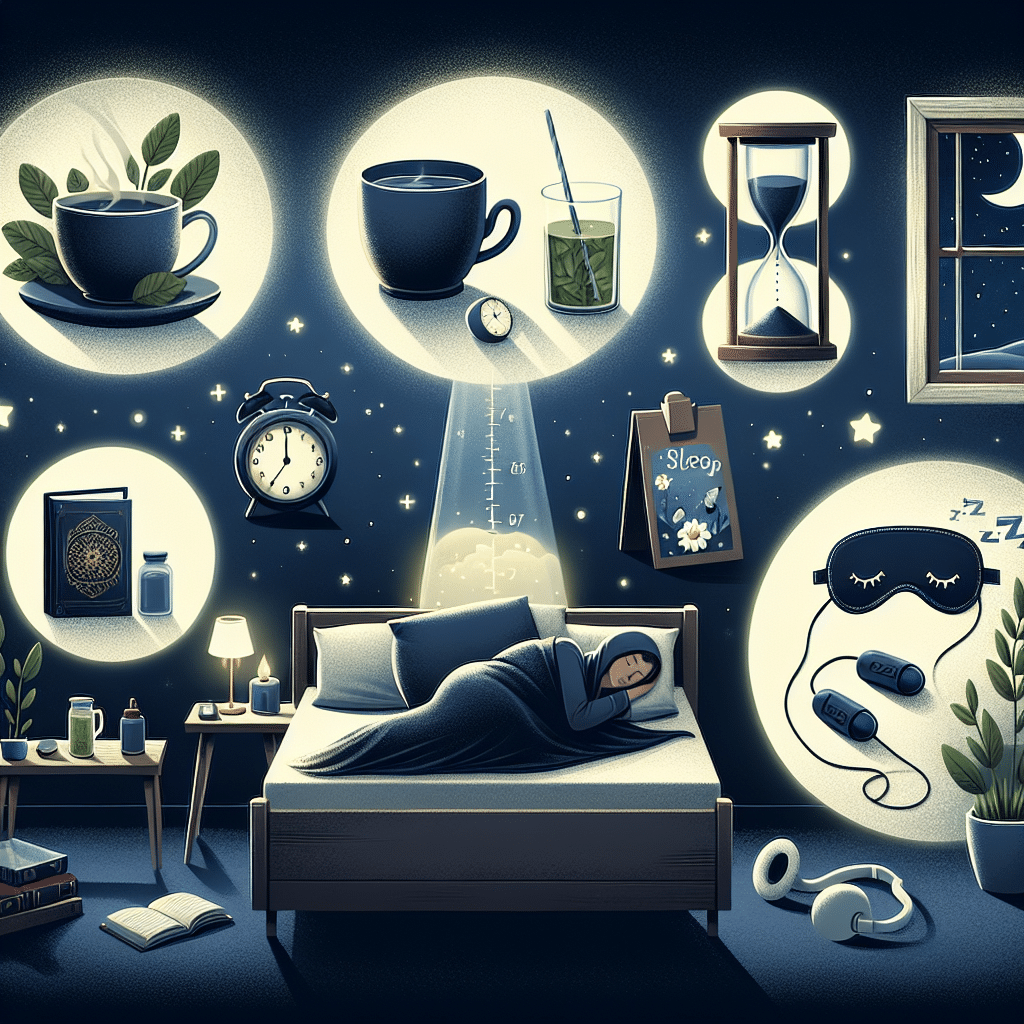
Strategies to Combat Waking Up During the Night
Understanding the Causes of Nighttime Awakenings
Before implementing strategies to combat nighttime awakenings, it is essential to understand the underlying causes. Frequent waking can stem from various factors, including stress, anxiety, lifestyle habits, medical conditions, and environmental disturbances. Identifying these triggers will guide you toward effective mitigation techniques.
1. Create a Sleep-Inducing Environment
a. Optimize Your Bedroom
Ensure your bedroom is conducive to sleep. This includes:
- Temperature Control: Keep the room cool, ideally between 60-67°F (15-19°C).
- Noise Reduction: Use earplugs or white noise machines to drown out disruptive sounds.
- Light Management: Block out light with blackout curtains or sleep masks. Dimming lights in the evening can also signal your body that it’s time to wind down.
b. Invest in Quality Bedding
Quality sleep starts with comfortable bedding. Consider the following:
- Mattress Quality: Ensure your mattress supports your preferred sleeping position and is firm enough to avoid sagging.
- Pillow Selection: Choose pillows that retain their shape and offer proper neck support.
2. Establish a Consistent Sleep Schedule
a. Stick to a Regular Sleep Routine
Going to bed and waking up at the same time each day can help regulate your body’s internal clock. Aim for:
- Consistent Timing: Even on weekends, try to remain within an hour of your regular wake-up time.
- Pre-Sleep Rituals: Engage in relaxing activities before bed, such as reading or meditative practices.
b. Limit Naps
While short naps can boost energy, long daytime sleep can interfere with nighttime sleep:
- Limit Napping Duration: If needed, keep naps under 30 minutes and avoid napping late in the day.
3. Mind Your Pre-Sleep Habits
a. Monitor Food and Beverage Intake
What you consume can significantly affect your sleep. Consider these guidelines:
- Avoid Caffeine: Limit caffeine intake at least 6 hours before bedtime.
- Limit Alcohol and Heavy Meals: Alcohol disrupts REM sleep, and heavy meals can lead to discomfort. Aim to finish eating 2-3 hours prior to sleeping.
b. Prioritize Relaxation Techniques
Stress and anxiety are primary culprits behind nighttime awakenings. Incorporate relaxation practices:
- Breathing Exercises: Deep breathing can diminish anxiety.
- Progressive Muscle Relaxation: Tense and release muscle groups to alleviate physical stress.
4. Enhance Daily Activity
a. Maintain Regular Physical Activity
Engaging in physical activity during the day can significantly improve sleep quality:
- Aim for 30 Minutes Daily: Moderate aerobic exercises such as brisk walking are effective.
- Avoid Late Workouts: Exercising too close to bedtime can energize you, making it more challenging to fall asleep.
5. Limit Screen Time Before Bed
a. Create a Technology Curfew
Excessive screen time can disrupt melatonin production, affecting sleep quality:
- Establish a Cut-off Time: Aim to switch off all electronic devices at least an hour before bed.
- Engage in Alternative Activities: Spend this time reading or practicing gentle yoga instead.
b. Use Blue Light Filters
If you must use screens in the evening, consider blue light filtering glasses or apps to diminish screen effects.
6. Incorporate Supplements Wisely
a. Melatonin Supplementation
Melatonin, a hormone regulated by the body, can improve sleep quality:
- Consult Your Doctor: Speak to a healthcare provider about appropriate melatonin dosage tailored to your needs.
- Timing Matters: Take melatonin 30-60 minutes before bed for optimal results.
b. Herbal Remedies
Natural herbal supplements can support relaxed states, such as:
- Valerian Root: Known for its calming effects.
- Chamomile: Often consumed as tea, it has sedative properties.
7. Addressing Health Issues
a. Consult a Healthcare Professional
If nighttime awakenings persist despite lifestyle changes, professional evaluation may be necessary. Conditions like sleep apnea, restless leg syndrome, or chronic pain can disrupt sleep quality and should be diagnosed and treated.
b. Monitor Mental Health
Stress and anxiety can manifest in sleep disturbances. Seek help from mental health professionals if needed. Cognitive behavioral therapy for insomnia (CBT-I) has shown success in treating sleep disturbances related to mental health.
8. Use Cognitive Behavioral Techniques
a. Identify Negative Thought Patterns
Recognizing and addressing harmful thoughts related to sleep can improve your situation:
- Cognitive Restructuring: Challenge negative thoughts surrounding insomnia. Replace them with positive affirmations and thoughts.
b. Keep a Sleep Diary
Logging your sleep can help identify patterns:
- Track Sleep Patterns: Note your bedtimes, wake times, daily activities, food and drink, and any nighttime disturbances to identify contributing factors.
9. Establish a Comfortable Wind-Down Routine
a. Include Calming Activities
Create a personalized wind-down routine that signals your body to prepare for sleep:
- Gentle Yoga or Stretching: Helps to release tension.
- Warm Baths or Showers: Taking a warm shower can raise your body temperature momentarily and then cool you down as you dry off, encouraging sleepiness.
b. Aromatherapy
Certain scents can promote relaxation and encourage sleep:
- Lavender Essential Oil: Use diffusers or spray on pillows to create a calming atmosphere.
- Sandalwood or Chamomile: Both are known for their soothing properties.
10. Limit Fluid Intake Before Bed
a. Manage Hydration Levels
While hydration is crucial for health, drinking excessive fluids before bedtime can lead to regular nighttime bathroom trips:
- Timing Hydration: Focus on hydration during the morning and afternoon and limit intake in the few hours leading up to bedtime.
11. Maintain a Balanced Diet
a. Eat Sleep-Inducing Foods
Certain foods are known to improve sleep quality:
- Complex Carbohydrates: Foods like whole grains have a calming effect.
- Magnesium-Rich Foods: Bananas, leafy greens, and almonds are excellent sources that can promote muscle relaxation.
b. Create a Sleep-Optimizing Dinner
Eating a balanced dinner that includes lean protein, whole grains, and healthy fats can help stabilize blood sugar levels and avoid hunger pangs in the middle of the night.
12. Engage in Mindfulness and Meditation
a. Practicing Mindfulness Techniques
Mindfulness can significantly reduce anxiety that may disrupt sleep:
- Guided Meditation Apps: Use apps featuring sleep meditations to help transition into sleep.
- Focus on the Present: Ground yourself in the present moment instead of worrying about past or future events.
b. Learn to Navigate Through the Night
If you wake up during the night, employ mindfulness:
- Stay Calm: Instead of stressing out over being awake, acknowledge the situation and practice relaxation techniques.
13. Monitor Your Sleep Technology
a. Utilize Sleep Trackers
Using wearable devices or smartphone applications can provide valuable insights into your sleep patterns:
- Analyze Trends: Identify what factors correspond with good nights of sleep versus bad ones.
b. Stay Informed
Educate yourself about sleep science to become your own advocate for better sleep practices.
14. Create a Plan for Nighttime Awakenings
a. Develop a Nighttime Plan
If you wake up during the night, have a plan in place:
- Avoid Watching the Clock: This can increase anxiety. Use a clock that doesn’t light up.
- Engage in Quiet, Calm Activities: If unable to fall back asleep, read in low light or practice relaxation techniques in a quiet environment.
15. Personalize Your Sleep Solutions
a. Reflect on Individual Needs
Remember that what works for one person may not work for another. Take the time to:
- Experiment: Try different techniques to find what helps you best.
- Custom Tailor Routine: Create a unique bedtime routine that reflects your preferences, both in activities and timing.
b. Be Patient
Combating nighttime awakenings takes time and consistent effort. Be patient with yourself and make gradual adjustments to find your optimal sleep pattern.