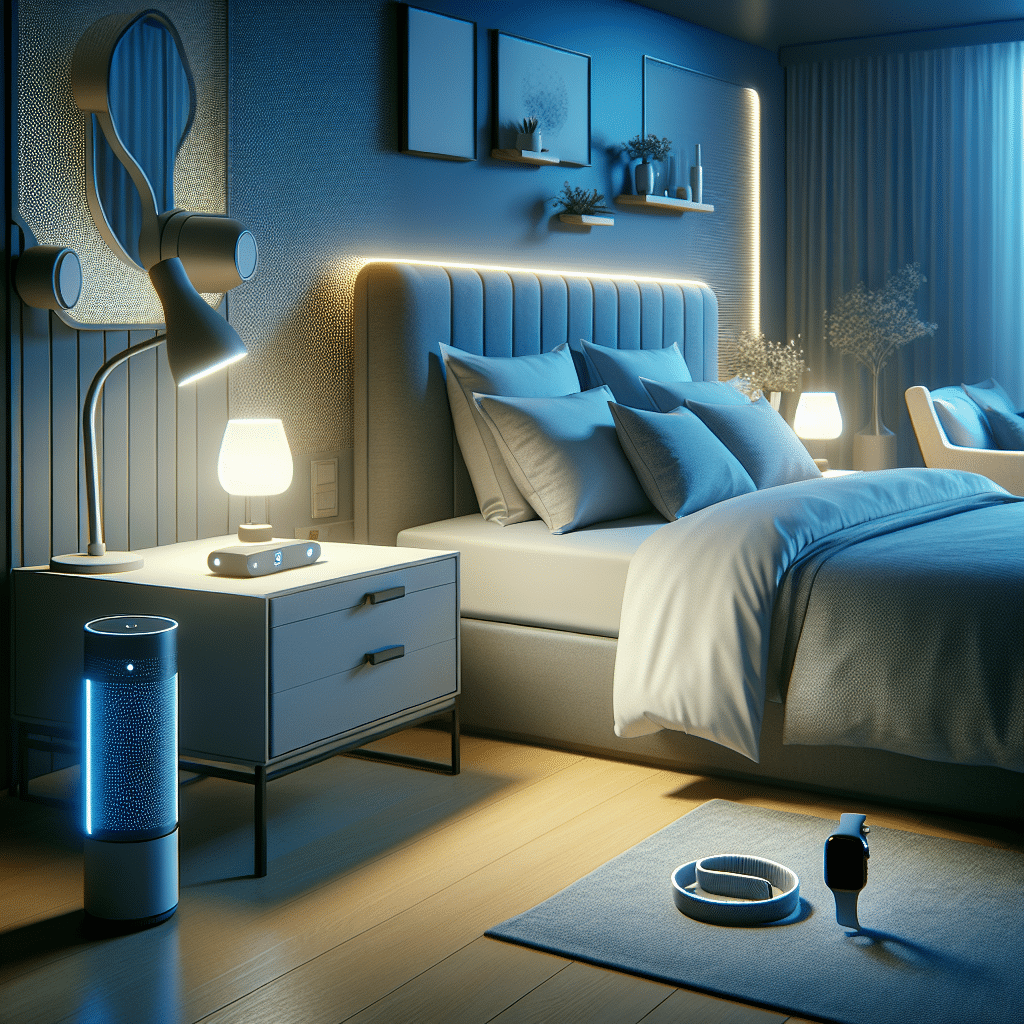
Understanding Sleep-Friendly Technologies
In our fast-paced digital age, the importance of sleep is often overshadowed by the myriad distractions that technology presents. However, an array of sleep-friendly technologies has emerged, aimed at enhancing the quality and duration of our sleep. This article delves into innovative tools and devices designed to promote a healthier lifestyle through better sleep hygiene.
Smart Sleep Devices
1. Smart Mattresses
Smart mattresses are equipped with sensors that monitor sleep patterns, movement, and even heart rate. These mattresses can automatically adjust firmness and temperature, creating a more conducive sleeping environment. Brands like Sleep Number and Eight Sleep utilize technology to provide personalized comfort. For instance, they can inflate or deflate based on your sleep position, helping to minimize interruptions due to discomfort.
2. Sleep Trackers
Wearable devices such as Fitbit, Apple Watch, and specialized devices like Oura Ring analyze your sleep cycles and overall health metrics. By tracking REM, light, and deep sleep, these devices enable users to understand their sleep patterns better. The data collected can help facilitate lifestyle changes, contributing to improved sleep quality.
Sound and Light Technologies
3. White Noise Machines
White noise machines create a consistent auditory backdrop that masks disruptive noises. Devices like those from Marpac are designed to help you fall asleep faster and stay asleep longer. By producing sounds that block external distractions, these machines cater to those living in urban environments or shared spaces.
4. Smart Lighting Solutions
Lighting plays a crucial role in regulating our circadian rhythms. Smart bulbs, such as those offered by Philip Hue or LIFX, can be programmed to mimic natural sunlight. This technology adjusts color temperature and brightness throughout the day, encouraging alertness during waking hours and promoting relaxation as bedtime approaches. Utilizing a warm light in the evening can signal your body to produce melatonin, enhancing sleep quality.
Application Solutions
5. Sleep Meditation Apps
Apps like Calm or Headspace offer guided meditation and sleep stories designed to reduce stress and promote relaxation. These applications often feature calming sounds or nature sounds and can be used as part of a nighttime routine. Regular use can help ease anxiety and prepare the mind for restful sleep.
6. Sleep Hygiene Education Apps
Mobile applications such as Sleep Cycle not only track your sleep but provide insights into your sleep hygiene habits. These apps often come with tips on creating a sleep-friendly environment, helping users understand the impact of caffeine, screen time, and room temperature on sleep quality.
Environmental Controls
7. Smart Thermostats
Maintaining an optimal temperature is vital for good sleep. Smart thermostats like the Nest Learning Thermostat can automate home heating and cooling systems according to sleep schedules. Research suggests that the ideal sleeping temperature is typically between 60°F to 67°F (15.6°C to 19.4°C). By keeping your bedroom at this optimal range, you can improve sleep quality dramatically.
8. Air Quality Monitors
Clean air is essential for restorative sleep. Air quality monitors like the Awair track pollutants, humidity, and CO2 levels, helping you understand the air quality in your sleeping environment. Implementing air purifiers or humidifiers based on these readings can create a healthier atmosphere conducive to sleep.
Innovative Sleep Aids
9. Weighted Blankets
Weighted blankets, designed to apply gentle pressure, can provide a comforting effect that increases the production of serotonin and melatonin while reducing cortisol levels. Research indicates that using a weighted blanket can lead to improved sleep quality and reduced anxiety, making them an excellent addition to a sleep-friendly environment.
10. Sleep Masks and Biohacking Gadgets
Innovative sleep masks that block light while also offering sound features, such as the Mavogel Sleep Mask, can enhance relaxation. Additionally, biohacking gadgets like the Dodow use light patterns to guide your breathing, designed to help you fall asleep faster by promoting a meditative state.
Sleep-Focused Wearables
11. Smart Pajamas
Innovations in textile technology have led to the creation of smart pajamas that integrate sleep-tracking sensors. Brands like Nadi X offer activewear that monitors your movement during sleep, providing insights into how your body behaves throughout the night, allowing for better adjustments and improvements in sleep posture.
12. Sleep Headphones
For those who enjoy listening to music or soothing sounds while sleeping, ultra-comfortable sleep headphones like Sleep Phones provide a solution. These specially designed headphones can be worn comfortably throughout the night, delivering calming music or guided meditations.
The Future of Sleep Technology
13. Neurostimulation Devices
Advanced neurostimulation devices, such as the Nectar, are emerging technologies that provide gentle electrical stimulation to the brain. This method aims to enhance deep sleep stages and improve overall sleep efficiency. As the field of sleep science advances, such innovations promise significant improvements in sleep quality.
14. AI Sleep Coaching
Artificial intelligence applications are now being used to manage sleep routines and offer personalized coaching based on individual behaviors and preferences. Systems like Sleepio utilize machine learning algorithms to analyze sleep patterns and provide customized advice, transforming how we approach sleep improvements.
Recommendations for Integrating Technology into Your Sleep Routine
- Create a Sleep-Inducing Environment: Utilize smart lighting and temperature control to adjust your environment to promote sleep.
- Track and Analyze Your Sleep: Make use of sleep trackers to record your sleep patterns and correlate them with lifestyle factors.
- Incorporate Relaxation Techniques: Use sleep meditation or calming sound apps to unwind before bed.
- Stay Informed about Air Quality: Monitor and optimize the air quality in your bedroom with air quality devices.
Maintaining Balance with Technology
As beneficial as sleep-friendly technologies can be, it is crucial to maintain a balanced approach. Limiting screen time before bed and establishing a consistent bedtime routine remain essential practices for optimal sleep health. By leveraging technology wisely, individuals can cultivate a sleep-friendly environment that fosters restorative sleep and enhances overall wellness.