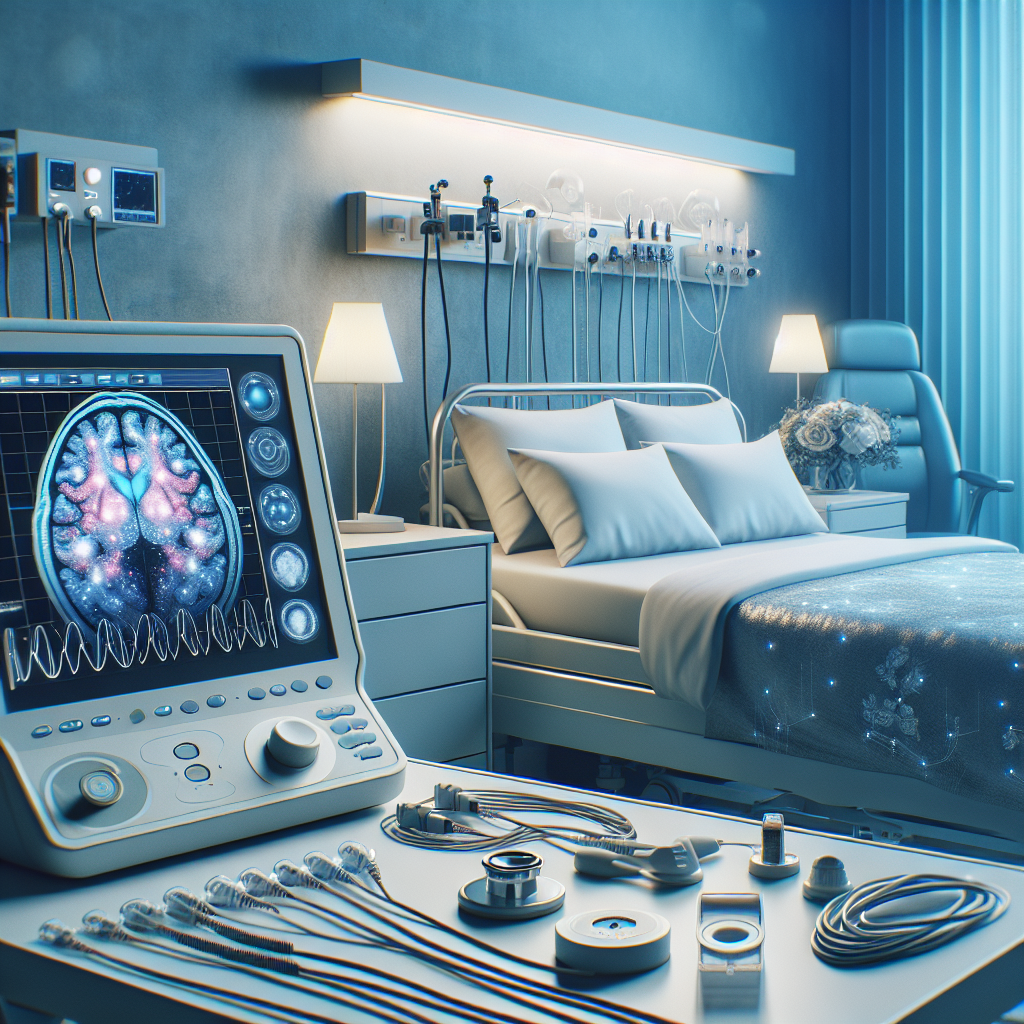
Understanding Sleep Disorders
Sleep disorders encompass a range of conditions that impair sleep quality, duration, or the ability to achieve restorative sleep. They include insomnia, sleep apnea, restless legs syndrome, narcolepsy, parasomnias, and circadian rhythm disorders. The impact of these disorders extends beyond fatigue, affecting mood, cognitive function, and overall health.
Why Testing is Crucial
Testing for sleep disorders is essential for accurate diagnosis and effective treatment. Many people might overlook their sleep issues, attributing them to stress or lifestyle factors. However, an undiagnosed sleep disorder can lead to serious health risks, including cardiovascular diseases, diabetes, and depression. Through proper testing, healthcare providers can identify underlying issues, leading to tailored treatment plans that improve quality of life.
Symptoms of Sleep Disorders
Recognizing sleep disorder symptoms is the first step toward diagnosis. Common symptoms include:
- Insomnia: Difficulty falling or staying asleep, waking up too early, and non-restorative sleep.
- Sleep Apnea: Loud snoring, gasping for air during sleep, excessive daytime sleepiness, and difficulty concentrating.
- Restless Legs Syndrome (RLS): Unpleasant sensations in the legs accompanied by an irresistible urge to move them, often worsening during periods of inactivity.
- Narcolepsy: Excessive daytime sleepiness, cataplexy (sudden loss of muscle tone), hallucinations, and sleep paralysis.
- Parasomnias: Abnormal behaviors during sleep, such as sleepwalking, night terrors, and REM sleep behavior disorder.
Initial Consultation
The diagnosis process begins with a comprehensive medical history and initial consultation. During this visit, a healthcare professional typically conducts:
- Patient Interview: Patients discuss their symptoms, sleep patterns, and medical history. This includes any medications taken and lifestyle factors, such as caffeine and alcohol consumption.
- Sleep Diary: Patients may be asked to maintain a sleep diary for one to two weeks. This diary includes details about sleep duration, patterns, and quality, as well as daytime habits and feelings of fatigue.
Screening Tools
Healthcare professionals often use screening tools to evaluate sleep disorders. Some common screening questionnaires include:
- Pittsburgh Sleep Quality Index (PSQI): Assesses sleep quality and disturbances over the past month.
- Epworth Sleepiness Scale: Evaluates daytime sleepiness and the likelihood of dozing off in various situations.
- Insomnia Severity Index (ISI): Measures the severity and impact of insomnia symptoms.
These tools provide a structured format for understanding a patient’s sleep issues, but they are usually complemented by further testing.
Sleep Study Types
Depending on the initial findings, a healthcare provider may recommend a sleep study. The two primary types are:
1. Polysomnography (PSG)
Polysomnography is an overnight sleep study conducted in a sleep clinic or hospital. It involves:
- Electroencephalography (EEG): Monitors brain waves.
- Electromyography (EMG): Measures muscle activity.
- Electrooculography (EOG): Records eye movements.
- Oximetry: Tracks oxygen levels in the blood.
- Respiratory Monitoring: Checks airflow and breathing patterns.
These tests help doctors diagnose various sleep disorders, including sleep apnea, narcolepsy, and REM sleep behavior disorder.
2. Home Sleep Apnea Testing (HSAT)
For those suspected of having obstructive sleep apnea, a home sleep apnea test may be an option. HSAT devices are portable and measure:
- Breathing patterns
- Oxygen levels
- Heart rate
These tests are convenient for patients but may not provide as comprehensive a diagnosis as PSG since they typically lack EEG and EOG monitoring.
Other Diagnostic Tests
In certain cases, healthcare providers may recommend additional tests to confirm a diagnosis, such as:
- Actigraphy: A wrist-worn device that tracks movement and can help assess sleep patterns over extended periods.
- Multiple Sleep Latency Test (MSLT): This determines how quickly a person falls asleep in a quiet environment during the day. It is often used to diagnose narcolepsy.
Interpreting Results
After completing the appropriate tests, healthcare providers analyze the data to identify sleep disorders. Results may indicate issues like:
- Obstructive Sleep Apnea: Characterized by intermittent airway obstructions leading to respiratory pauses. Clinicians evaluate apnea-hypopnea index (AHI) scores, which categorize the severity of sleep apnea.
- Hypersomnia: Excessive sleepiness during the day, necessitating further examination for conditions like narcolepsy or idiopathic hypersomnia.
- Periodic Limb Movement Disorder (PLMD): Identified through EMG readings that show involuntary leg movements during sleep.
Treatment Options
Following diagnosis, treatment for sleep disorders can vary widely depending on the specific condition and its severity. Common treatment options include:
- Cognitive Behavioral Therapy for Insomnia (CBT-I): An effective first-line treatment for chronic insomnia, focusing on changing sleep behaviors and thoughts.
- Continuous Positive Airway Pressure (CPAP) Therapy: A common treatment for sleep apnea, wherein a CPAP machine delivers a steady flow of air to keep airways open during sleep.
- Medication: Prescription medications such as stimulants for narcolepsy or modafinil can help manage excessive daytime sleepiness.
- Lifestyle Changes: Recommendations often include establishing a regular sleep schedule, limiting caffeine and alcohol intake, and incorporating relaxation techniques.
Importance of Follow-Up
After initiating treatment, follow-up consultations play a critical role in assessing the efficacy of the chosen therapy and making necessary adjustments. Continuous monitoring ensures that patients achieve optimal sleep quality and overall health.
Conclusion
Understanding sleep disorders is paramount for both patients and healthcare providers. Accurate testing and diagnosis are essential steps in identifying effective treatment methods that enhance sleep quality and improve health outcomes.
By prioritizing sleep health, individuals can enjoy a better quality of life, increased productivity, and overall wellness. Ultimately, awareness and proactive measures are key in combating sleep disorders and promoting a restorative sleep environment.
Staying informed about sleep disorders and undergoing appropriate testing when necessary can lead to significant improvements in sleep quality and overall well-being, emphasizing the importance of prioritizing sleep health in our lives.