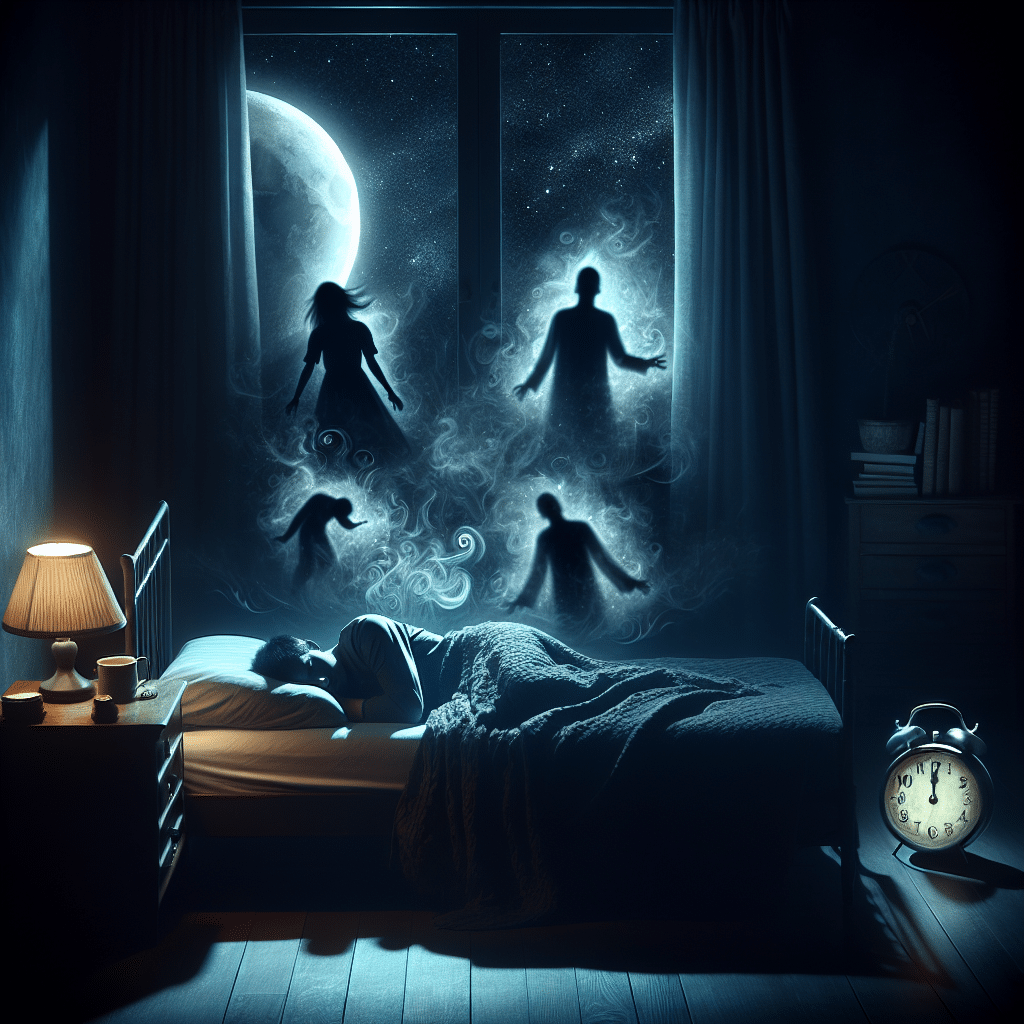
Understanding Parasomnia: A Deep Dive into Sleep Disorders
What is Parasomnia?
Parasomnia is an umbrella term used to classify a variety of sleep disorders characterized by atypical behaviors, movements, emotions, and experiences that occur during sleep transitions. These disturbances can happen during various stages of sleep, including non-rapid eye movement (NREM) and rapid eye movement (REM) sleep. Parasomnias can manifest in different ways, leading to compromised sleep quality not just for individuals but also for their partners and families.
Types of Parasomnia
Parasomnias are categorized based on their occurrence during specific sleep phases. The main types include:
-
NREM Parasomnias:
- Sleepwalking: Occurs during deep NREM sleep; individuals may walk, talk, or perform complex behaviors while remaining largely unaware.
- Sleep Talking: Involves verbalization during sleep which can range from nonsensical phrases to coherent dialogue.
- Night Terrors: Characterized by intense fear and panic during NREM sleep, often leading to screaming and thrashing about.
- Sleep Eating Disorders: Involve eating food while in a state of semi-consciousness, which can lead to health issues.
-
REM Sleep Parasomnias:
- REM Sleep Behavior Disorder (RBD): Individuals physically act out their dreams, which can involve violent movements and can pose dangers to themselves and others.
- Nightmares: Bad dreams that cause distress and can lead to awakened states.
-
Other Parasomnias:
- Exploding Head Syndrome: Involves the perception of loud noises or explosions upon falling asleep or waking.
- Sleep Paralysis: A temporary inability to move or speak while falling asleep or waking up, often associated with hallucinations.
Causes of Parasomnia
The exact causes of parasomnia can vary widely and may include:
- Genetic Factors: A family history of sleep disorders can predispose individuals to parasomnia.
- Stress and Anxiety: High-stress levels can trigger episodes, particularly in conditions like night terrors or RBD.
- Sleep Deprivation: Lack of sufficient sleep can lead to episodes of sleepwalking or nightmares.
- Substance Abuse: Alcohol and certain medications can disrupt normal sleep patterns, leading to parasomnias.
- Other Medical Conditions: Conditions such as narcolepsy, Parkinson’s disease, and post-traumatic stress disorder (PTSD) are often associated with an increased risk of parasomnia.
Symptoms of Parasomnia
Symptoms vary depending on the specific type of parasomnia experienced. Common manifestations include:
- Sleepwalking: Walking, moving objects, or performing complex actions while completely unaware.
- Night Terrors: Screaming, fear, rapid heart rate, and confusion upon awakening.
- RBD Symptoms: Fluttering movements, shouting, and acting out dreams during REM sleep, potentially causing injury.
- Sleep Talking: Occasional or regular episodes of talking during sleep, which can be incomprehensible or logical.
Diagnosis of Parasomnia
Diagnosing parasomnia typically involves:
- Medical History Review: Discussing symptoms, sleep patterns, and any potential triggers.
- Sleep Studies (Polysomnography): In a sleep clinic, medical professionals can monitor brain waves, breathing, and other functions to determine sleep stages and identify disturbances.
- Actigraphy: A device worn on the wrist to track sleep-wake cycles.
A thorough evaluation is essential to distinguish parasomnia from other sleep disorders and health issues.
Treatment Options for Parasomnia
The treatment for parasomnia often depends on its severity, frequency, and potential underlying causes:
-
Behavioral Interventions:
- Sleep Hygiene: Adopting regular sleep schedules and a calm sleeping environment can significantly improve sleep quality.
- Stress Management: Implementing relaxation techniques such as mindfulness and cognitive behavioral therapy can reduce episodes.
-
Medications:
- Benzodiazepines: These can be prescribed for severe cases to suppress sleep disturbances.
- Melatonin: Particularly for RBD, melatonin may help stabilize sleep patterns.
- Antidepressants: In certain cases, selective serotonin reuptake inhibitors (SSRIs) may be prescribed to manage symptoms.
-
Safety Precautions:
- Creating a safe bedroom environment is crucial, especially for individuals prone to sleepwalking or RBD. This may involve removing sharp objects, locking doors, and ensuring windows are secure.
Living with Parasomnia
Individuals with parasomnia can still lead fulfilling lives. Here are strategies for coping:
- Open Communication: Discussing episodes with family or partners can foster understanding and improve safety measures.
- Keeping a Sleep Journal: Documenting events surrounding parasomnia can help identify triggers and patterns.
- Support Groups: Connecting with others who experience similar challenges can provide emotional support and share effective coping strategies.
When to Seek Help
If parasomnia episodes cause discomfort, safety concerns, or affect daily functioning, seeking professional help is vital. Consulting a sleep specialist can be the first step toward effective management and treatment.
Conclusion
Parasomnia is a multifaceted sleep disorder that affects individuals in varying ways, from sleepwalking to night terrors. Understanding its types, causes, and treatment options can empower those affected to seek help and improve their sleep quality. By being aware of the symptoms and engaging with healthcare professionals, individuals can navigate the complexities of parasomnia effectively, ensuring a restful night’s sleep.