wearable sleep monitors review

wearable sleep monitors review

Wearable Sleep Monitors: A Comprehensive Review

Understanding Wearable Sleep Monitors

Wearable sleep monitors are increasingly popular among health enthusiasts and individuals seeking to improve their sleep quality. Unlike traditional sleep studies conducted in clinical settings, these devices allow users to gain insights into their sleep patterns, duration, and overall health from the comfort of their own homes.

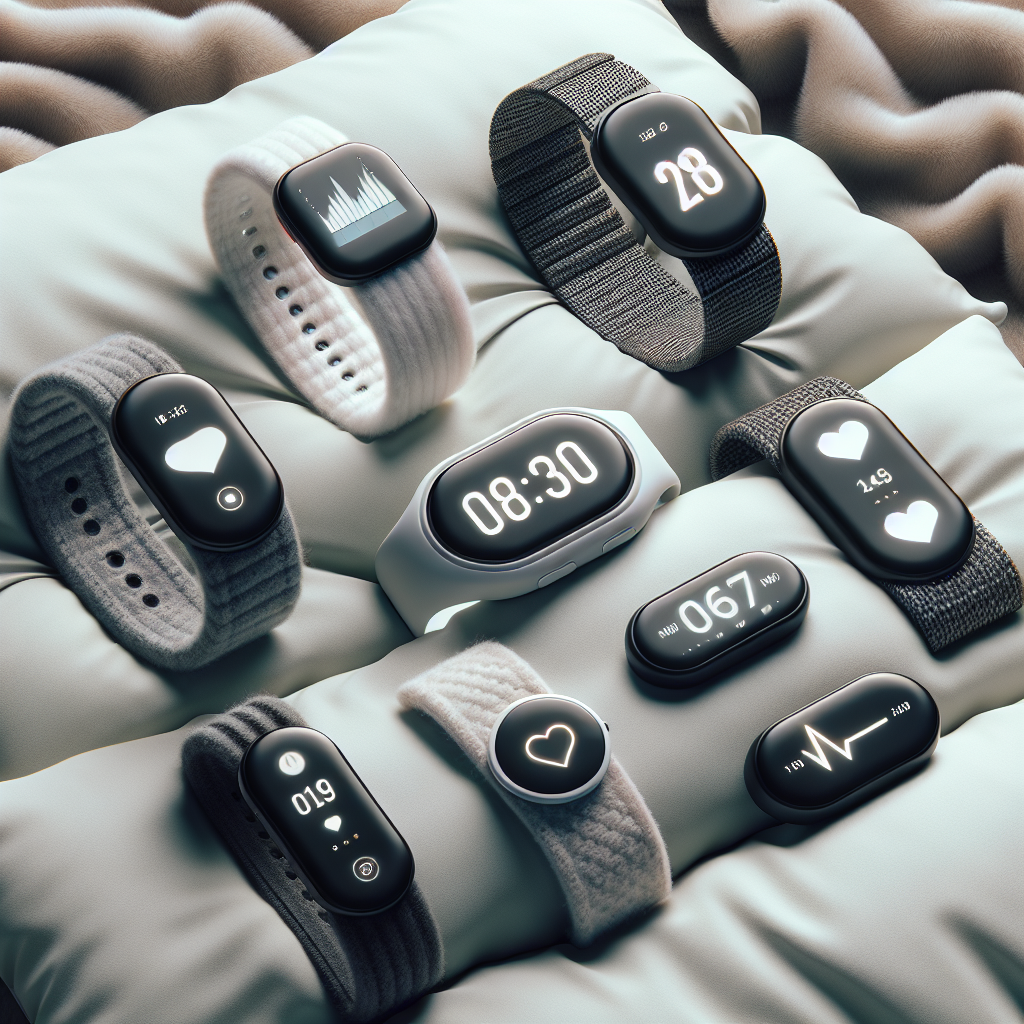
Types of Wearable Sleep Monitors

  1. Smartwatches

    • Brands like Apple, Samsung, and Fitbit incorporate robust sleep tracking features.
    • Functions include heart rate monitoring, SpO2 levels, and sleep cycle analysis.
  2. Fitness Trackers

    • Devices such as the Garmin Vivosmart and Fitbit Inspire focus on daily activity alongside sleep metrics.
    • They also track exercise, heart rate variability, and recovery times.
  3. Dedicated Sleep Devices

    • Products like the Withings Sleep Tracking Mat or the Oura Ring are specialized purely for monitoring sleep.
    • These devices often provide advanced analytics and are designed for maximum comfort during overnight use.

Key Features to Look For

  1. Sleep Stage Tracking

    • Most modern devices differentiate between light, deep, and REM sleep.
    • This data helps users understand their sleep quality and identify areas for improvement.
  2. Heart Rate Monitoring

    • Continuous heart rate monitoring can provide insights into cardiovascular health and stress levels.
  3. Battery Life

    • A long-lasting battery is essential for uninterrupted monitoring.
    • Many wearable sleep monitors boast a battery life of several days.
  4. Comfort and Design

    • Wearability during sleep requires that the device be lightweight and non-intrusive.
    • Fabrics and materials that are breathable can enhance comfort for a better night’s sleep.
  5. Integration with Health Apps

    • Many wearable devices sync seamlessly with health apps, offering a comprehensive view of user data.
    • This connectivity allows for personalized feedback and adjustments to sleep hygiene.

Top Wearable Sleep Monitors Reviewed

1. Oura Ring Gen3
  • Overview: The Oura Ring is a sleek, ring-shaped sleep tracker that boasts precision in sleep analytics.
  • Features:
    • Sleep stage tracking & overall sleep score.
    • Heart rate variability and body temperature monitoring.
    • Battery life of up to 7 days.
  • Pros: Highly accurate sensor technology; stylish design; exceptional user experience via its app.
  • Cons: High price point; less effective for those not comfortable wearing rings.
2. Fitbit Charge 5
  • Overview: A popular choice among fitness enthusiasts, the Fitbit Charge 5 offers robust tracking capabilities.
  • Features:
    • Comprehensive sleep analysis, including Sleep Score.
    • Stress management tools through heart rate variability data.
    • 7-day battery life.
  • Pros: User-friendly interface; integrates well with various fitness apps; excellent community support.
  • Cons: Limited data integration for advanced users; some features require Fitbit Premium for full access.
3. Apple Watch Series 8
  • Overview: As one of the most advanced smartwatches, the Apple Watch offers extensive health tracking features, including sleep.
  • Features:
    • Sleep monitoring with focus on sleep trends and heart rate data.
    • Integration with Apple Health and customizable sleep modes.
  • Pros: Exceptional ecosystem compatibility; attractive design; frequently updated software.
  • Cons: Battery life typically lasts only 18 hours; may feel bulky for some users.
4. Whoop Strap 3.0
  • Overview: A subscription-based wearable that focuses on recovery and performance, the Whoop Strap is an excellent option for athletes.
  • Features:
    • Detailed sleep insights combined with strain and recovery metrics.
    • Offers an intuitive mobile app for analyzing sleep patterns.
  • Pros: Great for athletes who want to optimize performance; no upfront cost with subscription model.
  • Cons: Monthly fee; not designed primarily for general use outside of athletic performance.
5. Garmin Venu 2
  • Overview: A stylish smartwatch with advanced fitness tracking capabilities, the Garmin Venu 2 is ideal for those who want aesthetics along with functionality.
  • Features:
    • Sleep tracking with detailed reports.
    • Use of pulse oximeter to measure blood oxygen saturation during sleep.
  • Pros: High-quality display; customizable watch faces; good for outdoor activities.
  • Cons: Complicated interface for some users; heavier than competing models.
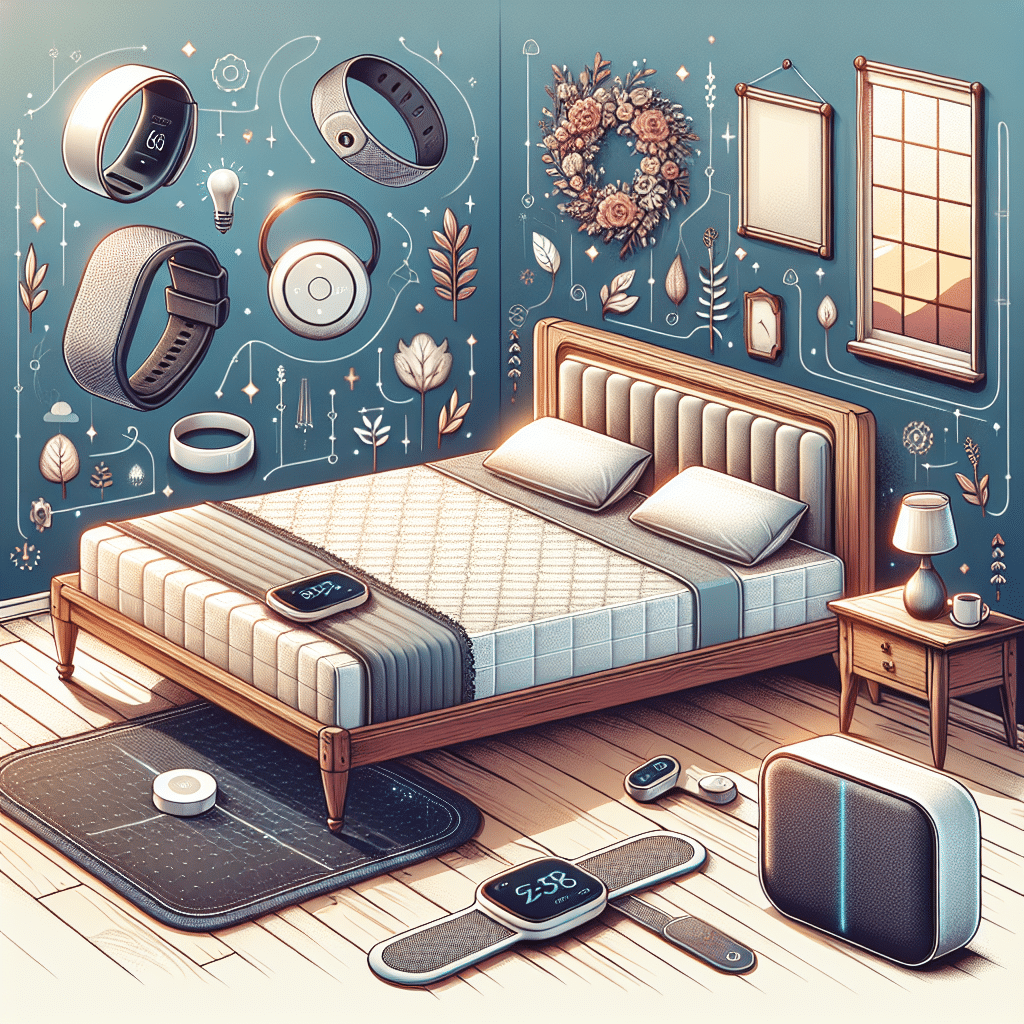
6. Withings Sleep Tracking Mat
  • Overview: This device offers a unique non-wearable option for sleep monitoring, placed under the mattress.
  • Features:
    • Automatic sleep detection; provides sleep cycles and snoring analysis.
    • Integrates with the Health Mate app for comprehensive health tracking.
  • Pros: No need to wear anything; accurate data collection.
  • Cons: Static nature limits usability; lacks portability for travel.

Analyzing Performance and Accuracy

When evaluating wearable sleep monitors, accuracy is paramount. Several studies have indicated that while consumer-grade sleep trackers offer good insights, they may not always match the precision of polysomnography conducted in labs. Look for reviews and studies comparing devices like the Oura Ring and Fitbit against clinical measures to gauge accuracy.

User Experience and Comfort

Wearable sleep monitors must be comfortable over long periods. User settings can significantly influence comfort. For rings and wristbands, consider adjustable sizes and soft materials. Some users prefer the convenience of non-wearables like sleep tracking mats, eliminating the issue of discomfort during sleep.

Pricing and Value

Wearable sleep monitors come in a range of price points. Expect to invest more in devices that offer advanced features and metrics. Basic fitness bands may start under $100, while premium devices like the Oura Ring can exceed $300. Balance your needs and budget to find the perfect device.

Conclusion

A myriad of wearable sleep monitors is available, offering increasingly sophisticated sleep tracking capabilities. Selecting the right device involves considering your comfort level, budget, and the specific features that will benefit your unique sleep needs. As technology advances, you can expect enhancements in functionality, accuracy, and user experience, making it easier to achieve consistently restful nights.


seasonal affective disorder and sleep

seasonal affective disorder and sleep

Understanding Seasonal Affective Disorder (SAD)

What is Seasonal Affective Disorder?

Seasonal Affective Disorder (SAD) is a form of depression that occurs at specific times of the year, most commonly during the fall and winter months when natural sunlight is limited. Individuals with SAD may experience symptoms such as persistent sadness, loss of interest in activities, fatigue, irritability, and difficulties in concentration.

Symptoms of SAD

The symptoms of SAD can vary in intensity and duration but often include:

  • Persistent low mood
  • Lack of energy and fatigue
  • Changes in sleep patterns, often leading to oversleeping
  • Changes in appetite resulting in weight gain or loss
  • Difficulty concentrating
  • Social withdrawal

Diagnosis of SAD

Mental health professionals diagnose SAD based on specific criteria, including the recurrence of depressive episodes in a seasonal pattern. A thorough evaluation typically involves a clinical interview and standardized questionnaires like the Inventory of Depressive Symptomatology (IDS) or the Seasonal Affective Disorder Questionnaire (SAD-Q).

The Science of SAD

Biological Mechanisms Underlying SAD

Research suggests that the primary biological mechanism involved in SAD is related to the body’s circadian rhythms and biological clock, which can be disrupted by seasonal changes in light exposure. The following factors play a crucial role:

  • Melatonin Production: Melatonin, the hormone responsible for regulating sleep, can be affected by light exposure. During shorter days, melatonin levels may rise earlier, leading to increased sleepiness.

  • Serotonin Levels: Natural light influences serotonin, a neurotransmitter linked with mood regulation. Reduced levels of sunlight can lower serotonin levels, exacerbating feelings of depression.

  • Vitamin D Deficiency: Sunlight is essential for synthesizing Vitamin D in the body. A deficiency may lead to low mood because Vitamin D is crucial for the production of serotonin.

The Relationship Between SAD and Sleep

Sleep Patterns in Individuals with SAD

Individuals diagnosed with SAD often experience disruptions in sleep patterns. Common sleep-related issues include:

  • Hypersomnia: Many individuals with SAD report excessive sleepiness and longer sleep durations. This can be linked to increased melatonin production due to reduced light exposure.

  • Sleep Quality: Poor sleep quality is frequently associated with SAD, with affected individuals experiencing fragmented sleep. This can lead to daytime fatigue and exacerbate depressive symptoms.

  • Restless Sleep: Individuals may also report difficulties in achieving restful sleep, which hampers recovery and contributes to overall malaise.

How Sleep Affects SAD Symptoms

Quality sleep plays a pivotal role in mental health, and disturbances can significantly impact the severity of SAD symptoms:

  • Mood Regulation: Adequate sleep is essential for mood stabilization. Poor sleep can increase irritability and decrease the ability to cope with stressors, intensifying SAD symptoms.

  • Cognitive Function: Sleep is critical for cognitive processing. Lack of sleep can impair memory, attention, and decision-making, which are vital for managing day-to-day activities.

  • Physical Health: The effects of sleep deprivation extend to physical health and can exacerbate feelings of lethargy, contributing to the cycle of depression associated with SAD.

Management and Treatment of SAD

Light Therapy

One of the most effective treatments for SAD is light therapy. This involves exposure to bright artificial lighting designed to mimic natural sunlight. Key aspects include:

  • Timing and Duration: Light therapy is often most effective when used in the morning for 20-30 minutes, ideally right after waking.

  • Light Box Specification: Choosing a light box that emits at least 10,000 lux is recommended. It should block UV rays to prevent skin damage.

  • Regularity: Consistency is vital; users should incorporate daily sessions to maintain balanced mood levels.

Cognitive Behavioral Therapy (CBT)

CBT can be a powerful therapeutic approach for individuals experiencing SAD. It focuses on altering negative thought patterns and behaviors associated with depression:

  • Behavioral Activation: Encourages people to engage in activities that promote positive emotional states.

  • Cognitive Restructuring: Helps identify and challenge unhelpful thoughts, allowing individuals to better manage their emotional responses.

Medication

In more severe cases, antidepressants may be prescribed to alleviate symptoms of SAD. Selective serotonin reuptake inhibitors (SSRIs) are commonly utilized, as they can enhance serotonin levels in the brain.

Lifestyle Modifications for Managing SAD

Exercise

Regular physical activity has profound effects on mood and can alleviate the symptoms of SAD:

  • Endorphin Release: Engaging in exercise helps release endorphins, which can improve mood and overall well-being.

  • Routine Establishment: Exercising outdoors can additionally increase exposure to natural light during daylight hours.

Nutrition and Diet

  • Balanced Diet: A nutrition rich in whole foods, including fruits, vegetables, lean proteins, and whole grains, can support overall mental health.

  • Omega-3 Fatty Acids: Foods rich in omega-3s, like fish and walnuts, have been linked to improved mood and reduced depressive symptoms.

  • Limit Sugary and Processed Foods: High sugar and processed food consumption can lead to spikes and drops in energy, which may exacerbate symptoms of SAD.

Social Support

Maintaining social connections and engaging with supportive friends and family members can mitigate SAD symptoms:

  • Regular Interaction: Scheduling social activities, even virtually, can help combat feelings of isolation.

  • Engagement in Community Events: Participating in community events or group activities can foster connections and increase exposure to sunlight.

Conclusion

Recognizing the profound relationship between Seasonal Affective Disorder and sleep is vital for individuals seeking to manage their symptoms effectively. By understanding the symptoms, treatment options, and lifestyle changes that can support better mental health, those affected by SAD can pursue a more stable emotional state during the changing seasons.

seasonal affective disorder and sleep

seasonal affective disorder and sleep

Understanding Seasonal Affective Disorder (SAD)

Seasonal Affective Disorder (SAD) is a form of depression that occurs at specific times of the year, usually in the fall and winter months when sunlight exposure decreases. While many individuals experience the winter blues, SAD is characterized by symptoms that are severe enough to interfere with daily functioning. The disorder is recognized by fluctuations in mood and can lead to significant changes in behavior, energy levels, and overall mental health.

Symptoms of SAD

The symptoms of SAD can vary from person to person but commonly include:

  • Depressive Mood: Individuals often feel sad, hopeless, or worthless.
  • Fatigue: A constant sense of tiredness can affect one’s motivation and energy.
  • Changes in Sleep Patterns: Increased sleepiness or insomnia is prevalent.
  • Changes in Appetite: Many individuals experience changes, such as craving carbohydrates and gaining weight.
  • Social Withdrawal: People may isolate themselves from family and friends.
  • Difficulty Concentrating: Cognitive functions may decline, leading to trouble with focus or decision-making.
  • Loss of Interest: Hobbies and activities that once brought joy may no longer be enjoyable.

Understanding these symptoms is critical for recognizing SAD and seeking appropriate treatment.

Causes of Seasonal Affective Disorder

The exact causes of SAD remain unclear, but several factors may contribute to its development:

  • Biological Factors: One primary theory revolves around the brain’s chemical balance and neurotransmitters like serotonin, which regulate mood. Reduced sunlight exposure can lead to lower serotonin levels.
  • Circadian Rhythm Disruption: The body’s internal clock, which regulates sleep-wake cycles, can also be affected by seasonal changes.
  • Vitamin D Deficiency: Limited sunlight exposure during fall and winter lowers Vitamin D levels, which may influence mood regulation.
  • Genetic Factors: Family history of depression or SAD increases the likelihood of developing the disorder.

The Impact of Sleep on SAD

Sleep is intrinsically linked to Seasonal Affective Disorder, with many individuals experiencing significant disruptions in their sleep patterns as a result of SAD. This connection underscores the bidirectional relationship between sleep and mental health.

Sleep Patterns in Individuals with SAD

In general, people with SAD might experience:

  • Hypersomnia: Many individuals sleep excessively but still feel fatigued. This oversleeping is sometimes marked by difficulty waking up in the mornings.
  • Insomnia: Conversely, others may struggle with sleep onset or maintenance insomnia, leading to restless nights and feelings of unrest in the morning.
  • Restorative Sleep Issues: Despite several hours spent in bed, individuals may not achieve restorative sleep, leading to chronic fatigue.

How Sleep Affects Mood

Sleep plays a pivotal role in regulating mood and emotional health. Quality sleep helps to stabilize mood by restoring neurotransmitter levels and regulating hormones that affect emotional processes. Insufficient or poor-quality sleep can lead to exacerbated symptoms of depression and anxiety, thereby further aggravating the feelings associated with SAD.

Cognitive Behavioral Therapy (CBT) for SAD

Cognitive Behavioral Therapy (CBT) is one of the most effective treatments for SAD and is particularly beneficial in addressing sleep issues. CBT focuses on changing negative thought patterns and improving coping strategies. Specific techniques include:

  • Sleep Hygiene Education: Encouraging healthy sleeping habits, such as maintaining a consistent sleep schedule, creating a comfortable sleep environment, and limiting screen time before bed.
  • Behavioral Activation: Encouraging individuals to engage in enjoyable activities to combat withdrawal and increase motivation.
  • Cognitive Restructuring: Helping individuals identify and challenge negative thoughts associated with their mood and sleep.

Light Therapy as a Treatment Option

Light therapy is a well-researched treatment for SAD, involving exposure to bright, artificial light that mimics sunlight. It is believed to influence the brain’s production of melatonin and serotonin, leading to improvements in mood and sleep.

  1. Mechanism of Action: Light therapy helps reset the circadian rhythm and influences melatonin levels, which can improve sleep regularity and quality.
  2. Recommended Duration: Typically, individuals are advised to use a light box for about 20 to 30 minutes each morning.
  3. Consistency is Key: For optimal results, consistency in daily light exposure is crucial during the fall and winter months.

The Role of Physical Activity

Regular physical activity is vital for managing SAD and its associated sleep disturbances. Exercise has several benefits:

  • Mood Enhancement: Exercise releases endorphins, which improve mood and act as natural stress relievers.
  • Sleep Regulation: Physical activity can help promote deeper sleep and reduce symptoms of insomnia.
  • Increased Energy Levels: Although it may seem counterintuitive, exercising can boost energy levels, counteracting the fatigue associated with SAD.

Nutritional Considerations

Nutrition plays a fundamental role in managing mood and enhancing sleep quality. The following dietary strategies may help:

  • Omega-3 Fatty Acids: These can support brain health and mood regulation. Foods high in omega-3s include fatty fish, flaxseeds, and walnuts.
  • Complex Carbohydrates: These help increase serotonin levels, which may improve mood. Whole grains, legumes, and vegetables can be beneficial.
  • Balanced Diet: A variety of fruits, vegetables, lean proteins, and healthy fats will help maintain overall health and well-being.

The Importance of Social Support

Building and maintaining a strong social network can serve as an essential buffer against the impacts of SAD. Engaging with friends and family provides emotional support and opportunities for outdoor activities, which can enhance exposure to natural light.

Mindfulness and Relaxation Techniques

Practicing mindfulness, meditation, or yoga can be beneficial for those experiencing SAD. These techniques help:

  • Reduce Stress: Mindfulness practices encourage present-moment awareness and reduce anxiety, which can worsen depressive symptoms.
  • Promote Better Sleep: Engaging in relaxation techniques before bed can improve sleep quality and duration.

The Impact of Vitamin D

Vitamin D is crucial for mental health, and deficiency is particularly common in those suffering from SAD. Individuals may consider supplementation or employing strategies to enhance their Vitamin D intake:

  • Sun Exposure: Aim for 10 to 30 minutes of sun exposure several times a week to maintain adequate levels.
  • Dietary Sources: Foods like fatty fish, fortified milk, and eggs can help increase Vitamin D levels in the body.
  • Supplementation: Consult a healthcare provider for appropriate Vitamin D supplementation if necessary.

Conclusion: Linking Sleep and SAD Management

Understanding the links between Seasonal Affective Disorder and sleep is crucial for effective management. By utilizing approaches like light therapy, CBT, regular physical activity, and a balanced diet, individuals can improve both their mood and sleep quality. Addressing sleep issues directly can lead to a reduction in depressive symptoms, paving the way for improved overall mental well-being.

By incorporating these practices into their daily routines, individuals suffering from SAD can experience a more fulfilling life, leading to better emotional health and resilience throughout the seasonal changes.

herbal solutions for a restful night’s sleep

herbal solutions for a restful night's sleep

The Science of Sleep and Herbal Solutions

With increasing concerns about sleep disorders such as insomnia, many individuals are looking for natural ways to improve their sleep quality. Herbal solutions have gained popularity due to their holistic approach and fewer side effects compared to pharmaceutical options. This article explores various herbal remedies that promote restful sleep, based on scientific evidence and traditional practices.

Understanding Sleep Disorders

Before diving into herbal remedies, it’s vital to understand why quality sleep is crucial. Sleep not only supports cognitive function but also plays a significant role in emotional health and physical well-being. Insomnia, characterized by difficulty falling asleep or staying asleep, affects millions worldwide. Factors like stress, anxiety, and lifestyle choices can disrupt sleep patterns, leading to various health issues.

Popular Herbal Solutions for Sleep

1. Chamomile (Matricaria chamomilla)

Chamomile is one of the most well-known herbs for promoting relaxation. Often consumed as a tea, chamomile contains apigenin, an antioxidant that binds to receptors in the brain, leading to sedative effects. Studies have shown that chamomile can significantly improve sleep quality, with participants reporting more restful nights after consistent use.

Usage: Drink a cup of chamomile tea about 30 minutes before bedtime.

2. Valerian Root (Valeriana officinalis)

Valerian root is another popular herbal solution for insomnia. It has been used for centuries due to its sedative properties. Volatile oils in valerian interact with gamma-aminobutyric acid (GABA), a neurotransmitter, to promote relaxation. Research indicates that valerian may enhance sleep quality and reduce the time it takes to fall asleep, making it an effective option for chronic insomnia sufferers.

Usage: Available as a capsule, liquid extract, or tea, it’s best taken 30 minutes to two hours before bed.

3. Lavender (Lavandula angustifolia)

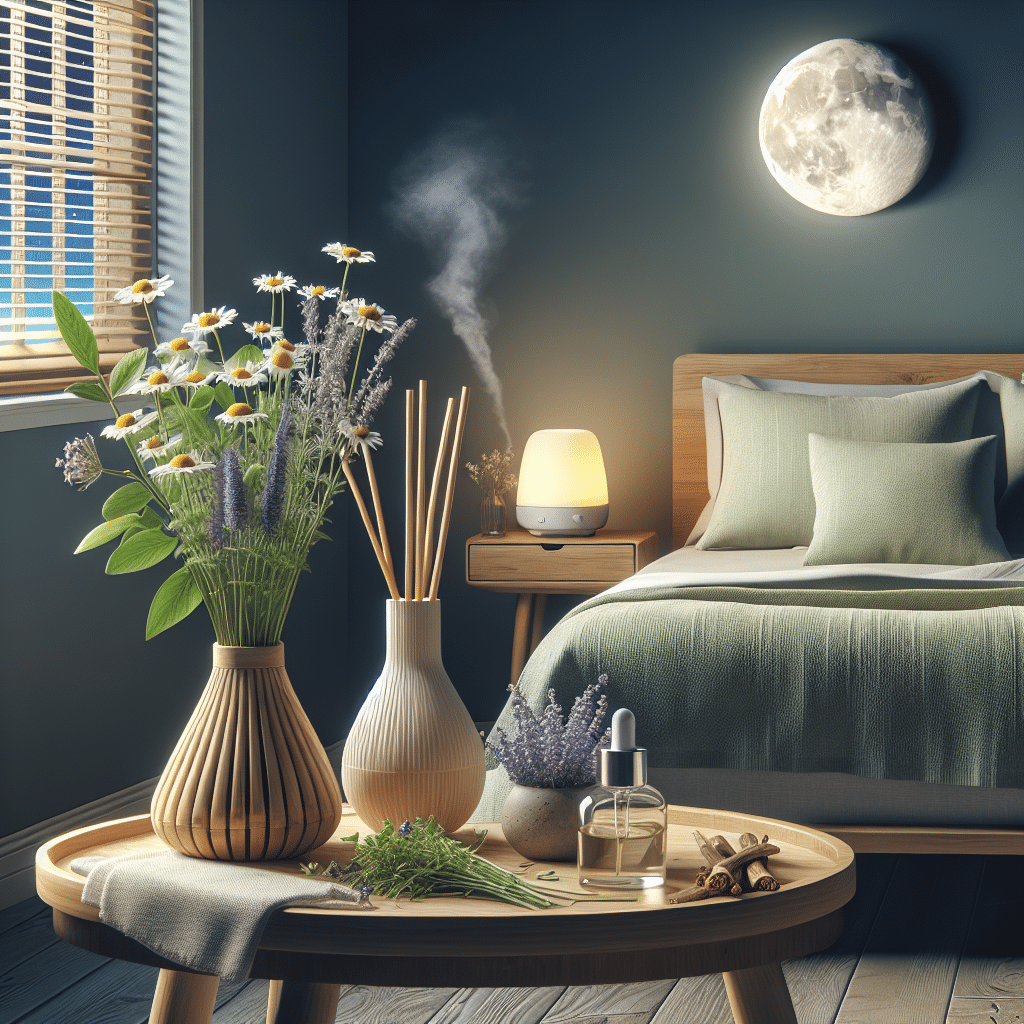
Lavender is celebrated for its calming aroma, which can be harnessed through essential oils or dried flowers. Research shows that lavender can decrease levels of cortisol, the stress hormone, thus enhancing relaxation and sleep quality. It can also increase slow-wave sleep, crucial for restorative rest.

Usage: Use a diffuser to disperse lavender essential oil in your bedroom or place a sachet of dried lavender under your pillow.

4. Lemon Balm (Melissa officinalis)

Lemon balm is a member of the mint family and has a history of use in alleviating stress and insomnia. Studies have suggested that it may increase GABA levels, further promoting relaxation. Lemon balm tea or supplements can effectively enhance sleep.

Usage: Consume lemon balm tea 30-60 minutes before sleep to reap its calming benefits.

5. Passionflower (Passiflora incarnata)

Passionflower is known for its calming properties, often used to treat anxiety and insomnia. It too increases GABA levels in the brain, leading to improved mood and sleep quality. Some studies have shown that it significantly helps improve sleep quality and reduce insomnia symptoms.

Usage: Available in tea, tincture, or capsule form, take it before bedtime with sufficient water.

6. Hops (Humulus lupulus)

Often associated with beer brewing, hops are also used in herbal medicine for their sedative effects. Hops can significantly improve sleep quality and reduce the time it takes to fall asleep. The herb is traditionally used in conjunction with valerian for enhanced effectiveness.

Usage: Hops can be found in teas, capsules, or tinctures. Best taken in the evening.

Combination Herbal Remedies

Many users find that combining herbs amplifies their effects. Here are a few effective formulations:

1. Valerian and Hops

This combination is common in sleep supplement capsules. The synergistic effects of valerian and hops can help users fall asleep faster, enjoy deeper sleep cycles, and wake up feeling refreshed.

2. Lemon Balm and Chamomile

A tea blend of chamomile and lemon balm can be a delightful way to end the day. Both herbs promote relaxation, making it an ideal bedtime ritual.

3. Lavender and Valerian

For those who enjoy aromatherapy, using lavender essential oil in combination with valerian supplements can create a multi-faceted approach to achieving better sleep.

Safety and Precautions

While herbal remedies can be beneficial, caution is advised. Here are some guidelines:

  • Consult a Professional: Always consult with a healthcare professional before beginning any herbal treatment, especially if pregnant, nursing, or taking other medications.

  • Start Low and Go Slow: If you are trying a new herbal remedy, start with a small dose to see how your body reacts before increasing.

  • Consistency is Key: Herbs may take time to build up in your system, so regular usage is recommended for maximum benefits.

Lifestyle Considerations

For optimal sleep health, consider incorporating the following practices alongside herbal remedies:

  1. Avoid Stimulants: Reduce caffeine and nicotine intake, especially in the evening, to promote more restful sleep.

  2. Establish a Sleep Routine: Go to bed and wake up at the same time every day to regulate your body’s internal clock.

  3. Create a Sleep-Conducive Environment: Ensure your bedroom is dark, quiet, and cool. Consider using blackout curtains or white noise machines if necessary.

  4. Limit Screen Time: Avoid screens an hour before bed, as blue light can disrupt your circadian rhythm.

Conclusion

A restful night’s sleep is vital for overall health and well-being. Herbal solutions offer a natural and often effective way to combat insomnia and improve sleep quality. Exploring remedies like chamomile, valerian root, and lavender, among others, can provide much-needed relaxation and restorative sleep. Each remedy and combination carries its unique benefits, allowing you to choose what works best for your personal sleep needs. With patience, the right herbal approach can make a significant difference in achieving the peaceful sleep you deserve.

top smart alarm clocks for better sleep

top smart alarm clocks for better sleep

In today’s fast-paced, technology-driven world, sleep often takes a backseat to our busy schedules. However, the emergence of smart alarm clocks has revolutionized how we approach sleep, making it easier to achieve a restful night. These innovative devices offer more than just alarm functions; they incorporate features aimed at enhancing sleep quality and promoting better morning routines. Here’s a detailed look at the top smart alarm clocks available today, featuring an overview of their unique capabilities and benefits.

1. Philips Wake-Up Light Alarm Clock

Key Features:

  • Gradual Sunrise Simulation: Mimics natural sunlight to wake you gently.
  • Multiple Alarm Sounds: Choose from various natural sounds or FM radio.
  • Snooze Functionality: Simple touch snooze to extend your sleep.
  • Dimming Capability: Brightness adjusts for nighttime use.

The Philips Wake-Up Light Alarm Clock is designed to emulate sunrise, gradually illuminating your room over a 30-minute period before your set wake-up time. This feature helps regulate your body’s circadian rhythm, making waking up feel more like a natural experience. It also includes a selection of soothing sounds and customizable light intensities, accommodating a wide range of preferences.

2. Hatch Restore

Key Features:

  • Personalized Sleep Routine: Users can customize their sleep and wake times.
  • Sleep Sounds and Stories: Offers a library of sounds and bedtime stories.
  • Smart Home Integration: Compatible with voice-activated devices (Amazon Alexa, Google Assistant).
  • Sleep Coaching: Provides insights to help improve sleep quality based on user behavior.

The Hatch Restore smart alarm clock doubles as a sleep coach. It not only wakes you up with light and sound but also helps you create relaxing evening routines. Users can set calming light patterns and sleep sounds, making it ideal for winding down after long days. Integrated app features allow for tracking sleep habits, providing tailored recommendations for improvement.

3. Lenovo Smart Clock 2

Key Features:

  • Built-In Google Assistant: Control other smart devices in your home.
  • Personalization Options: Display customizable clock faces and photos.
  • Wireless Charging Pad: Conveniently charge your smartphone overnight.
  • Ambient Light: Soft glow to help you navigate in the dark.

Lenovo’s Smart Clock 2 merges technology and convenience. With Google Assistant integrated, you can manage your smart home, set reminders, and ask for weather updates, all while in bed. The wireless charging feature lets you power your device effortlessly overnight, ensuring you wake up with a fully charged phone at your side.

4. Amazon Echo Show 5

Key Features:

  • Smart Display: Shows time, weather, and alarms with visual prompts.
  • Voice-Controlled: Use Alexa for setting alarms and controlling smart devices.
  • Streaming Capabilities: Watch videos or view security camera feeds.
  • Customized Alarms: Set multiple alarms with specific sounds or music.

The Amazon Echo Show 5 not only performs tasks typical of an alarm clock but also provides a versatile smart hub for your home. Its screen can display the time along with additional information such as reminders, weather forecasts, and news updates. The ability to set multiple alarms and control your environment through voice commands adds significant convenience, making it a multifaceted device for your bedside.

5. Lenovo Smart Clock Essential

Key Features:

  • Simplified Design: A compact size that fits seamlessly on bedside tables.
  • Voice Control: Operational via Google Assistant, enabling easy hands-free use.
  • Dual USB Ports: Charge additional devices simultaneously.
  • Sleep Time Features: Gentle alarm sounds and dimmable display.

This easy-to-use Lenovo Smart Clock Essential is perfect for those looking for a minimalist approach without sacrificing functionality. Its voice-activated control lets you manage various smart home devices without getting out of bed. Its dimmable display is designed to keep disturbances to a minimum during sleep.

6. JBL Horizon Bluetooth Clock Radio

Key Features:

  • Dual Alarms: Individual alarm setups for multiple users.
  • Bluetooth Streaming: Connects wirelessly to mobile devices for music playback.
  • USB Charging: Convenient charging method for smartphones and tablets.
  • Dimmable Display: Slide to adjust brightness according to preference.

JBL’s Horizon Bluetooth Clock Radio brings quality sound into the equation of smart alarm clocks. It offers dual alarms so couples can customize their wake-up times. The Bluetooth functionality allows you to stream music or wake up to your favorite tunes rather than standard alarm sounds, making mornings more pleasant. The built-in USB port ensures your devices remain charged overnight.

7. Mirari OK to Wake! Clock

Key Features:

  • Kid-Friendly Design: Bright colors and engaging design appeal to children.
  • Wake-Up Light: Light changes color to signal it’s okay to get up.
  • Fun Sounds: Offers a range of cheerful wake-up tunes.
  • Parental Control: Parents can set wake time, encouraging better sleeping habits for kids.

Designed specifically for children, the Mirari OK to Wake! Clock serves as a helpful tool for teaching kids the importance of sleep routines. The clock lights up when it’s time to wake up and gives kids a visual cue about when it’s okay to get out of bed. This feature promotes greater independence and helps mitigate early risers from waking parents during the night.

8. Withings Sleep Tracking Mat

Key Features:

  • Under-Mattress Sleep Tracking: Monitors sleep cycles without wearing a device.
  • Sleep Apnea Detection: Provides insights into potential sleep apnea risks.
  • Smart Home Integration: Compatible with other smart home devices.
  • Detailed Sleep Analysis: Reports on sleep duration, quality, and heart rate.

For a more advanced monitoring experience, consider the Withings Sleep Tracking Mat. Placed under your mattress, it continuously tracks your sleep cycles, providing you with detailed insights into your sleep patterns. It works seamlessly with other smart home devices, allowing for improved ambient conditions that could contribute to better sleep hygiene.

9. iHome Zenergy Bedside Sleep Therapy Speaker

Key Features:

  • Therapy Sounds and Light: Offers nature sounds and a variety of relaxation techniques.
  • Bluetooth Capability: Connect your smartphone for music playback.
  • Sleep Timer: Allows sounds to play only for a set time.
  • Directional Sound: Designed to direct sound to where you need it most.

The iHome Zenergy Bedside Sleep Therapy Speaker stands out for its focus on sound and light therapy. Designed to help you relax and sleep better, it features various ambient sounds and light settings. You can even combine sound with light therapy to create the ideal sleep environment, promoting relaxation after a long day.

10. Lenovo Smart Clock Essential with Google Assistant

Key Features:

  • Google Assistant Integration: Easy access to metrics and control over smart devices.
  • Compact Design: Perfect for small spaces while maintaining functionality.
  • Choice of Alarm Sounds: Customize alarms with your preferred sounds.
  • Soft Lighting: Gentle glow for nighttime visibility without disturbance.

This smart clock from Lenovo not only fulfills traditional alarm functions but does so with a simple, user-friendly interface that’s great for tech novices. Its built-in Google Assistant allows voice commands for routine tasks, while the soft lighting feature ensures you won’t be jarred awake by a harsh alarm.

Conclusion

Incorporating the right smart alarm clock can fundamentally alter your approach to sleep and waking up, providing a plethora of features designed to enhance overall well-being. From simulating natural sunlight and offering sleep coaching to providing ambient relaxation sounds, these devices cater to various personal needs and preferences. When selecting the best option, consider factors such as design, functionality, and additional features that align with your lifestyle. Investing in one of these smart alarm clocks could be a significant step towards achieving better sleep and a more refreshing start to your day.

sleep disorder treatment options

sleep disorder treatment options

Understanding Sleep Disorders

Sleep disorders affect millions of people worldwide, leading to various health complications. The most common types of sleep disorders include insomnia, sleep apnea, restless leg syndrome, and narcolepsy. Each disorder presents unique symptoms and challenges, necessitating different treatment approaches.

Types of Sleep Disorders

  1. Insomnia: Characterized by difficulties falling asleep, staying asleep, or waking too early, insomnia can be acute or chronic. It can result from stress, anxiety, depression, or poor sleep hygiene.

  2. Sleep Apnea: This disorder involves repeated interruptions in breathing during sleep, leading to fragmented sleep and excessive daytime sleepiness. Obstructive sleep apnea (OSA) is the most common type.

  3. Restless Leg Syndrome (RLS): RLS causes uncomfortable sensations in the legs, leading to an uncontrollable urge to move them, particularly in the evenings or at night.

  4. Narcolepsy: A neurological disorder that affects the brain’s ability to control sleep-wake cycles, narcolepsy causes excessive daytime sleepiness and sudden sleep attacks.

Treatment Options for Sleep Disorders

1. Lifestyle and Behavioral Modifications

Sleep Hygiene: Practicing good sleep hygiene is crucial for managing sleep disorders. This includes:

  • Regular Sleep Schedule: Going to bed and waking up at the same time daily helps regulate your body’s internal clock.
  • Sleep Environment: Ensure a conducive sleep environment—dark, quiet, and cool spaces are ideal.
  • Pre-Sleep Routine: Engage in relaxing activities like reading or meditating before bed to signal your brain that it’s time to wind down.

Cognitive Behavioral Therapy for Insomnia (CBT-I): CBT-I is a structured program that helps individuals identify and replace thoughts and behaviors that cause or worsen sleep problems. Techniques may include:

  • Stimulus Control: Associating the bedroom with sleep by limiting activities such as eating, watching TV, or working in bed.
  • Sleep Restriction: Limiting the amount of time spent in bed to match the actual amount of sleep being obtained.

2. Medical Interventions

Medications: When behavioral approaches are insufficient, medications may be prescribed to aid sleep. They include:

  • Benzodiazepines: While effective, these can lead to dependency and are often recommended for short-term use.
  • Non-benzodiazepine Sleep Aids: Drugs like zolpidem and eszopiclone are prescribed for individuals needing occasional short-term assistance with sleep.
  • Antidepressants: Trazodone and other antidepressants are sometimes utilized to treat insomnia, particularly when symptoms are linked to mood disorders.

Continuous Positive Airway Pressure (CPAP): For individuals with obstructive sleep apnea, CPAP machines provide a steady stream of air to keep the airway open during sleep. Proper usage drastically decreases sleep apnea episodes and improves overall sleep quality.

3. Alternative Therapies

Light Therapy: This therapy is effective for circadian rhythm disorders, depression-related insomnia, and seasonal affective disorder (SAD). Exposure to bright light in the morning can help reset your internal clock.

Acupuncture: Some studies suggest this ancient practice may help with insomnia by promoting relaxation and improving sleep quality.

Herbal Supplements: Various natural remedies may assist in enhancing sleep quality:

  • Melatonin: A hormone that regulates sleep-wake cycles, melatonin supplements can reduce the time taken to fall asleep.
  • Valerian Root: Frequently used for its calming effects, valerian root may reduce the time it takes to fall asleep and improve sleep quality.

4. Addressing Underlying Conditions

Many sleep disorders are secondary to other health problems. Therefore, addressing these underlying issues is vital for effective treatment.

Mental Health Treatment: Disorders such as anxiety and depression often contribute to sleep issues. Therapy or appropriate medication can reduce symptoms and improve sleep quality.

Weight Management: For patients with sleep apnea, losing weight can significantly alleviate symptoms. A comprehensive weight management program, including diet and exercise, is often recommended.

Managing Chronic Pain: Individuals suffering from chronic pain conditions may find relief through pain management techniques such as physical therapy, medication, or cognitive behavioral therapy.

5. Technology-Assisted Solutions

Sleep Trackers: Wearable technology can help individuals monitor their sleep patterns, providing valuable insights into sleep quality and aiding in better decision-making regarding treatment approaches.

Smart Home Solutions: Devices like smart thermostats or blackout curtains allow you to create an ideal sleeping environment, contributing to improved sleep quality.

Meditation and Mindfulness Apps: These applications provide guided sessions that promote relaxation and reduce anxiety, helping to combat sleep disorders over time.

6. When to Seek Professional Help

Consulting with a sleep specialist is crucial if self-help strategies and over-the-counter options fail. Sleep studies (polysomnography) may be conducted to diagnose conditions accurately.

Checklist for Professional Consultation:

  • Consistent trouble falling asleep or staying asleep for more than three weeks.
  • Experiencing excessive daytime sleepiness that affects daily life.
  • Noticing frequent snoring or gasping for air during sleep.
  • Symptoms of depression or severe anxiety impacting sleep.

Conclusion

Managing sleep disorders involves a multi-faceted approach tailored to the individual’s specific needs. While lifestyle modifications and behavioral therapies are foundational, medical interventions and alternative therapies can enhance outcomes for many individuals. By employing a combination of these methods, individuals can take significant steps toward achieving restful, restorative sleep, which is imperative for overall health and well-being. As ongoing research uncovers more about sleep mechanisms, we can expect further advancements in treatment options, allowing for even better management of sleep disorders in the future.

By incorporating these strategies, individuals may find significant improvements in sleep quality and overall well-being, ultimately leading to a healthier life. For the best outcomes, consultation with a healthcare provider is advisable.

sleep disorder treatment options

sleep disorder treatment options

Understanding Sleep Disorders

Sleep disorders affect millions of people worldwide, disrupting daily life and overall well-being. Common sleep disorders include insomnia, sleep apnea, restless legs syndrome (RLS), and narcolepsy, each requiring tailored treatment approaches. Treatment options can vary significantly based on the specific disorder, its severity, and individual patient needs.

1. Insomnia

1.1 Lifestyle and Behavioral Modifications

Cognitive Behavioral Therapy for Insomnia (CBT-I) is a primary non-pharmacological treatment for insomnia. This structured program helps individuals identify and replace thoughts and behaviors that cause or worsen sleep problems. Techniques include:

  • Sleep Restriction: Limiting time in bed to actual sleep time to create a stronger association between bed and sleep.
  • Stimulus Control: Encouraging activities in bed to promote relaxation rather than wakefulness.
  • Sleep Hygiene Education: Instructing individuals on the importance of a sleep-conducive environment, such as keeping the bedroom cool, dark, and quiet.

1.2 Pharmacological Treatments

For some, medication may be necessary, particularly for severe insomnia. Commonly prescribed sleep medications include:

  • Benzodiazepines: Like temazepam and lorazepam, effective in reducing sleep onset time but may cause dependence.
  • Non-benzodiazepine Hypnotics: Such as zolpidem and eszopiclone, which work similarly but with less risk of dependence.
  • Melatonin Receptor Agonists: Ramelteon mimics melatonin to regulate sleep-wake cycles without the addictive potential of traditional sleep meds.

2. Sleep Apnea

2.1 Continuous Positive Airway Pressure (CPAP)

The primary treatment for moderate to severe obstructive sleep apnea (OSA) is CPAP therapy. This involves wearing a mask that delivers air pressure to keep the airway open during sleep, preventing interruptions in breathing.

2.2 Oral Appliances

For mild to moderate OSA, dental devices can be effective. These appliances reposition the jaw and tongue to keep the airway open, especially for patients who cannot tolerate CPAP.

2.3 Lifestyle Changes

Adopting healthier habits can significantly reduce OSA symptoms. Recommended changes include:

  • Weight Loss: Reducing weight can alleviate pressure on the airway.
  • Positional Therapy: Some individuals experience apnea primarily when sleeping on their backs; side-sleeping may help.
  • Avoiding Alcohol and Sedatives: These substances can relax the throat muscles, worsening apnea.

2.4 Surgical Options

In severe cases, various surgical procedures may be effective, including:

  • Uvulopalatopharyngoplasty (UPPP): Removal of excess tissue in the throat to widen the airway.
  • Genioglossus Advancement: Moving the tongue muscle attachment forward to prevent blockage.
  • Maxillomandibular Advancement: Realigning the upper and lower jaw to enlarge the airway.

3. Restless Legs Syndrome (RLS)

3.1 Lifestyle Modifications

Managing RLS often starts with lifestyle changes. This includes:

  • Regular Exercise: Moderate activity can relieve symptoms, but excessive exercise may exacerbate them.
  • Good Sleep Hygiene: Establishing a regular sleep schedule and creating a comfortable sleep environment.
  • Avoiding Stimulants: Limiting caffeine and nicotine can improve symptoms.

3.2 Nutritional Supplements

Some patients with RLS benefit from:

  • Iron Supplements: If low iron levels are detected, supplementation can reduce symptoms.
  • Folic Acid and Magnesium: These nutrients may also alleviate discomfort.

3.3 Medications

For more severe cases, medications can provide relief, including:

  • Dopaminergic Agents: Such as pramipexole and ropinirole, which mimic dopamine effects in the brain.
  • Gabapentin: Used to treat nerve pain, it can help relieve RLS symptoms.
  • Opioids: In cases resistant to other treatments, low doses of opioids can mitigate symptoms.

4. Narcolepsy

4.1 Medications

The cornerstone of narcolepsy treatment is medication. Key options include:

  • Stimulants: Amphetamines or modafinil can help manage daytime sleepiness.
  • Sodium Oxybate: This dual-action medication aids nighttime sleep and reduces daytime sleepiness.

4.2 Behavioral Strategies

Behavioral approaches can support medication in managing narcolepsy symptoms, including:

  • Scheduled Naps: Short naps during the day can help mitigate sleepiness.
  • Avoidance of Triggers: Identifying and managing factors that trigger excessive sleepiness or cataplexy, such as strong emotions or prolonged inactivity.

5. Circadian Rhythm Disorders

5.1 Chronotherapy

For disorders like Delayed Sleep Phase Syndrome (DSPS) or Advanced Sleep Phase Syndrome (ASPS), chronotherapy can effectively reset the body clock. This approach involves gradually shifting the sleep schedule by moving the sleep time by 1-2 hours over several days.

5.2 Light Therapy

Exposure to bright lighting during the morning can be especially beneficial for those with DSPS. This encourages the body’s natural circadian rhythms to realign and improves the overall sleep-wake cycle.

6. Combining Treatments

Often, a multidisciplinary approach combines various treatments for better effectiveness. Coordinated care among primary care physicians, sleep specialists, and mental health professionals can address the complexity of sleep disorders.

7. Emerging Treatments and Research

7.1 Behavioral Sleep Medicine

Recent advancements in behavioral sleep medicine emphasize the connection between mental health and sleep quality. Therapists are increasingly trained to address sleep issues within the context of broader psychological conditions.

7.2 Neurostimulation

Research is investigating neurostimulation techniques like transcranial magnetic stimulation, which might help enhance sleep quality, particularly in insomnia and RLS patients.

7.3 Sleep Technology

Innovations in sleep technology, including wearable devices and smartphone applications, are providing new ways to monitor sleep patterns and improve sleep hygiene.

8. Importance of Professional Evaluation

Identifying and treating sleep disorders requires a comprehensive evaluation by healthcare professionals. Sleep studies (polysomnography) and home sleep apnea tests can provide critical insights that inform treatment recommendations.

9. Closing Thoughts on Treatment Options

Tailoring the approach to the specific sleep disorder and individual patient needs is vital for effective management. The collaborative efforts of healthcare professionals and innovative treatment strategies are paving the way for improved outcomes for those struggling with sleep issues. With the right treatment, individuals can experience enhanced sleep quality and overall better health and well-being.

By understanding these treatment options and seeking professional advice, patients can regain control over their sleep and improve their quality of life.

natural ways to combat insomnia and enhance sleep

natural ways to combat insomnia and enhance sleep

Understanding Insomnia

Insomnia is a prevalent sleep disorder characterized by difficulty falling asleep, staying asleep, or waking up too early. According to the American Sleep Association, about 30% of adults experience symptoms of insomnia, while 10% suffer from chronic insomnia. Lack of sleep affects mental clarity, mood stability, and overall health. Natural, holistic approaches to combating insomnia can be highly effective without the potential side effects associated with pharmaceutical sleep aids.

Establish a Sleep Schedule

  1. Consistency Matters: Going to bed and waking up at the same time every day can significantly improve sleep quality. This consistency trains your body’s internal clock, helping you fall asleep and wake up more easily.

  2. Limit Naps: While a short nap can recharge your energy, long or irregular napping can negatively impact your nighttime sleep. If you feel the need to nap, limit it to 20-30 minutes in the early afternoon.

Create a Restful Environment

  1. Optimize Your Bedroom:

    • Darkness: Use blackout curtains or sleep masks to block out light. Light inhibits melatonin, the hormone responsible for sleep.
    • Noise Control: Use white noise machines or earplugs to drown out disruptive sounds. Soft natural sounds can also create a calming atmosphere.
    • Comfort: Invest in a comfortable mattress and pillows that support your preferred sleeping position.
  2. Temperature Regulation: The ideal bedroom temperature for sleep is between 60 and 67 degrees Fahrenheit (15 to 20 degrees Celsius). Experiment with bedding and clothing to find a temperature that feels comfortable for you.

Mind Your Diet

  1. Avoid Stimulants: Caffeine can stay in your system for hours, making it difficult to fall asleep. Be mindful of hidden sources of caffeine, including chocolate, certain sodas, and medications. Aim to avoid caffeine at least six hours before bedtime.

  2. Timing Your Meals: Avoid heavy meals, spicy dishes, and alcohol close to bedtime. Digestive discomfort can significantly impair sleep quality. Instead, try a light snack if you’re hungry, such as a banana or a small serving of oatmeal.

  3. Incorporate Sleep-Inducing Foods: Some foods promote sleep:

    • Almonds: High in magnesium, which may improve sleep quality.
    • Kiwi: Rich in serotonin; studies suggest it can improve sleep onset and duration.
    • Fatty Fish: Fish like salmon are high in omega-3 fatty acids and vitamin D, both critical for sleep regulation.

Incorporate Relaxation Techniques

  1. Mindfulness Meditation: Mindfulness can reduce anxiety, a common contributor to insomnia. Spend a few minutes focusing on your breath, observing your thoughts without judgment.

  2. Deep Breathing Exercises: Practicing deep breathing can calm your mind and body. The 4-7-8 technique is particularly effective. Inhale for four counts, hold for seven, and exhale for eight.

  3. Progressive Muscle Relaxation (PMR): PMR involves tensing and then relaxing each muscle group in your body. This method not only reduces muscle tension but can also promote overall relaxation.

Evening Routine

  1. Limit Screen Time: The blue light emitted by phones, tablets, and computers can disrupt melatonin production. Aim to stop using electronic devices at least 1 hour before bedtime.

  2. Dim Your Lights: In the hour leading up to sleep, lower the lights in your home to signal to your body that it is time to wind down.

  3. Establish a Calming Bedtime Ritual: Incorporate relaxing activities like reading, journaling, or listening to soothing music before bed to signal to your body that it’s time to sleep.

Natural Sleep Aids

  1. Herbal Teas: Certain teas can promote relaxation and better sleep, including:
  • Chamomile: Known for its mild sedative properties.
  • Valerian Root: Traditionally used as a remedy for insomnia and anxiety.
  • Lavender: Its aromatic scent can improve sleep quality.
  1. Essential Oils: Aromatherapy can enhance relaxation and improve sleep quality. Try diffusing essential oils like lavender or bergamot in your bedroom or sprinkling a few drops on your pillow.

  2. Melatonin Supplements: This natural hormone regulates the sleep-wake cycle. While melatonin supplements can be helpful for occasional insomnia, they should be used under medical guidance to prevent dependency.

Physical Activity

  1. Exercise Regularly: Regular physical activity can help you fall asleep faster and enjoy deeper sleep. Aim for at least 30 minutes of moderate exercise most days of the week but avoid vigorous workouts close to bedtime.

  2. Gentle Yoga: Practicing yoga, particularly restorative yoga, can promote relaxation and reduce stress. Poses such as Child’s Pose and legs-up-the-wall help to calm the nervous system.

Cognitive Behavioral Therapy for Insomnia (CBT-I)

  1. Cognitive Tools: CBT-I is a structured program that helps address thoughts and behaviors that contribute to insomnia. It can effectively change sleep patterns and improve overall quality of sleep without medication.

  2. Sleep Restriction Therapy: This involves limiting the time spent in bed to the actual amount of time spent sleeping, gradually increasing time spent in bed as sleep improves.

Key Supplements to Consider

  1. Magnesium: This mineral helps regulate neurotransmitters that promote sleep. Foods rich in magnesium, such as spinach, pumpkin seeds, and black beans, can be beneficial.

  2. Glycine: An amino acid that can lower body temperature and promote sleep onset. Consider a glycine supplement before bedtime if you struggle with sleep.

Managing Stress and Anxiety

  1. Journal Your Thoughts: Exiting the day’s worries onto paper can provide relief and prevent stress-related insomnia. A gratitude journal can shift your focus from stressors to positive aspects of your life.

  2. Therapeutic Techniques: Consider seeking professional help for chronic anxiety or stress. Techniques like cognitive-behavioral therapy can provide long-term strategies for managing insomnia.

Building a Support System

  1. Talk About It: Sometimes sharing your struggles with insomnia can alleviate stress. Engaging with friends, family, or support groups can provide comfort and strategies from those who understand.

  2. Sleep Environment: Discuss sleep habits with a partner or roommate. Create a shared plan, whether it involves keeping noise levels down, adjusting light, or agreeing on bedtime routines.

Harnessing Light

  1. Natural Light Exposure: Exposure to natural light during the day can help regulate your circadian rhythm. Spend time outdoors or use light therapy boxes, especially in winter months.

  2. Limit Evening Light Exposure: As mentioned earlier, dimming lights in the evening can help signal to your brain that it’s time to prepare for sleep.

Monitor Your Sleep

  1. Sleep Diaries: Keeping a sleep diary can help identify patterns or triggers that affect your sleep quality. Record sleep times, wake times, and any nighttime awakenings to discuss with healthcare professionals if needed.

  2. Use Technology Wisely: Sleep apps can help track sleep patterns, monitor heart rates, and suggest tips for improving sleep. However, avoid using them obsessively, as it might induce anxiety.

Seek Professional Guidance

  1. Consult a Sleep Specialist: If lifestyle changes don’t improve your sleep, consider seeking help from a sleep specialist. Professional evaluation can help determine underlying disorders and appropriate treatments.

  2. Discuss Medications: If you’re taking medications that interfere with sleep, consult your healthcare provider about alternatives that might minimize side effects.

Emphasize the Long-Term

  1. Be Patient: Changing sleep habits takes time. Acknowledge that improvement might not be immediate, and celebrate small victories along the way.

  2. Regular Check-Ins: Reassess your sleep habits every few months. Life changes can impact habits, and maintaining a healthy sleep routine requires ongoing effort.

  3. Resilience Strategy: Develop strategies to deal with life events that may disrupt sleep, such as organizational deals, time management skills, and relaxation techniques.

Conclusion Missing

Utilizing these natural techniques to combat insomnia can greatly enhance sleep quality and quantity. By making small adjustments in daily habits, environment, and mindset, improving sleep can become a realistic, attainable goal.

best sleep tracking gadgets for home

best sleep tracking gadgets for home

Best Sleep Tracking Gadgets for Home

Understanding Sleep Tracking Technology

In today’s fast-paced world, understanding sleep quality is more important than ever. Sleep tracking gadgets have emerged as crucial tools for enhancing sleep health. These devices utilize various technologies to monitor sleep patterns, understand the stages of sleep, and even identify factors that may disrupt restful sleep.

Key Features to Look for in Sleep Trackers

When considering a sleep tracking gadget, keep the following features in mind:

  1. Accuracy – The most crucial aspect, as precise measurements are necessary to provide insightful data.

  2. Sleep Stages Monitoring – The ability to differentiate between REM, deep sleep, and light sleep helps in understanding sleep quality.

  3. Heart Rate and Breathing Rate Monitoring – These metrics can provide insights into overall health and potential sleep issues.

  4. User Interface – An easy-to-navigate app enhances user experience, allowing for efficient data interpretation.

  5. Battery Life – Devices that can last through the night without frequent recharging are preferable.

  6. Comfort – Wearable devices should be comfortable enough to use while sleeping.

  7. Integration with Other Health Apps – Compatibility with other health-monitoring tools can provide a holistic overview of your well-being.

Top Sleep Tracking Gadgets

1. Fitbit Charge 5

Overview:
The Fitbit Charge 5 is a fitness tracker that doubles as a reliable sleep tracker. It uses advanced sensors to monitor heart rate variability, SpO2 levels, and sleep stages throughout the night.

Features:

  • Sleep Score: Provides an overall rating based on duration, quality, and stages of sleep.
  • Daily Readiness Score: Helps determine if you’re ready for intensive exercise or if you should take a rest day.
  • Long Battery Life: Offers up to 7 days of battery life.

Why it’s great:
The Fitbit Charge 5 is particularly fantastic for those who want comprehensive health data alongside their sleep analysis.

2. Oura Ring

Overview:
The Oura Ring is a sleek and stylish smart ring designed specifically for monitoring sleep, recovery, and overall health.

Features:

  • Sleep Stages Tracking: Measures light, deep, and REM sleep phases.
  • Readiness Score: Provides insights on whether your body is ready to tackle the day based on recent sleep and activity.
  • Minimalistic Design: Lightweight and unobtrusive, making it ideal for sleep tracking.

Why it’s great:
Its design makes the Oura Ring an attractive option for individuals reluctant to wear bulky devices to bed.

3. Withings Sleep Tracking Mat

Overview:
This non-wearable sleep tracker lays under your mattress to provide detailed sleep analysis without disrupting your sleep.

Features:

  • Sleep Cycle Analysis: Highlights light, deep, and REM sleep intervals.
  • Heart Rate and Breathing Monitoring: Tracks vital signs throughout the night.
  • Smart Home Integration: Can be connected to other smart home devices for enhanced sleep environments.

Why it’s great:
Ideal for couples or those who prefer not to wear a device while sleeping, this mat captures comprehensive sleep data effortlessly.

4. Samsung Galaxy Watch 5

Overview:
The Galaxy Watch 5 is a multifunctional smartwatch that provides impressive sleep tracking capabilities.

Features:

  • Advanced Sleep Tracking: Monitors sleep stages, snoring, and more through a combination of sensors.
  • Body Composition Analysis: Offers a broader view of health that complements sleep tracking.
  • Smart Alarm: Wakes you up during the lightest sleep phase within a designated time frame.

Why it’s great:
This smartwatch not only tracks sleep but also serves as a fitness tool and a daily productivity aid.

5. WHOOP Strap 3.0

Overview:
Focused on athletes and fitness enthusiasts, the WHOOP Strap 3.0 is a subscription-based wearable that emphasizes recovery and sleep optimization.

Features:

  • Sleep Coach: Provides tailored recommendations based on your sleep data.
  • 24/7 Heart Rate Monitoring: Tracks your heart rate variability for enhanced insights into your health.
  • Strain and Recovery Tracking: Offers a holistic view of your body’s readiness.

Why it’s great:
For those deeply committed to athletics, the WHOOP system helps tailor sleep strategies to optimize performance.

6. Xiaomi Mi Band 6

Overview:
The Xiaomi Mi Band 6 is a budget-friendly fitness band that provides basic yet effective sleep tracking features.

Features:

  • Sleep Monitoring: Tracks light and deep sleep phases.
  • Long Battery Life: Lasts up to 14 days on a single charge.
  • Affordability: Offers great features for its budget-friendly price.

Why it’s great:
An excellent choice for tracking sleep without breaking the bank, the Mi Band 6 is ideal for beginners or casual users.

7. Sleep Number 360 Smart Bed

Overview:
A revolutionary mattress that not only supports sleep but actively adjusts to your sleeping patterns.

Features:

  • SleepIQ Technology: Monitors your sleep patterns and adjusts the firmness based on your movements.
  • Temperature Control: Allows users to set their ideal temperature for restful sleep.
  • Dual Adjustment: Perfect for couples, as each side of the bed can be adjusted independently.

Why it’s great:
For high-end solutions, this smart bed offers an unparalleled sleep experience and personalized comfort.

8. Beddit Sleep Monitor

Overview:
Beddit offers a simple setup with a thin strip placed under your sheet to track sleep without any wearables.

Features:

  • Sleep Tracking: Comprehensive analysis of your sleep cycles, heart rate, and respiratory rate.
  • Sleep Score: Provides insights into sleep quality and recommendations for improvement.
  • Sleep Environment Monitoring: Tracks bedroom conditions like temperature and humidity.

Why it’s great:
An ideal choice for those who prefer non-intrusive methods of sleep tracking without compromising on data quality.

9. Nest Hub (2nd Gen)

Overview:
Google’s Nest Hub can act as a sleep tracker using motion detection data to analyze sleep patterns, alongside its Google Assistant capabilities.

Features:

  • Sleep Sensing: Monitors sleep duration using advanced radar technology.
  • Ambient Light Sensors: Adjusts at night for optimal sleeping conditions.
  • Smart Home Control: Integration with other smart devices for setting the perfect sleep environment.

Why it’s great:
Perfect for those looking to integrate a sleep tracker into their smart home setup, enhancing both comfort and data tracking.

10. Apple Watch Series 8

Overview:
The latest in Apple’s smartwatch lineup, this device features comprehensive fitness and sleep tracking.

Features:

  • Sleep Stage Analysis: Tracks REM, core, and deep sleep along with duration.
  • Integrated Health Monitoring: Includes features like heart rate and blood oxygen level tracking.
  • Notifications: Discreet notifications that won’t disturb your sleep.

Why it’s great:
For Apple users, this watch provides seamless compatibility with other iOS devices while offering advanced fitness and sleep tracking features.

Tips for Effective Sleep Tracking

  1. Regular Routine: Stick to a consistent sleep schedule to improve data accuracy.
  2. Sleep Environment: Create a quiet, dark, and cool room for optimal sleeping conditions.
  3. Limit Stimulants: Minimize caffeine and electronic usage before bedtime to interfere less with sleep.
  4. Data Interpretation: Use the insights gained from your sleep tracker to make informed lifestyle changes.
  5. Consult Professionals: If you notice consistent disturbances in your sleep, consider consulting a health professional for guidance.

Utilizing sleep tracking gadgets can significantly enhance your understanding of your sleep patterns, leading to a healthier lifestyle. By integrating one or more of these devices into your routine, you can work toward more restful nights and energized days.

remedies to effectively reduce snoring at night

remedies to effectively reduce snoring at night

Understanding Snoring: Causes and Implications

Snoring occurs when the flow of air through the mouth and nose is partially obstructed during sleep. This can lead to vibrations of the throat tissues, making the characteristic sound of snoring. Although snoring might seem innocuous, it can disturb your sleep and that of your partner, leading to daytime fatigue and other health issues. Several factors contribute to snoring, including anatomical abnormalities, age, sleep position, and lifestyle habits.

Identifying Key Remedies for Snoring

To combat snoring effectively, consider the following remedies, categorized under different approaches:

Lifestyle Changes

  1. Weight Management: Excess weight, particularly around the neck, can contribute to snoring. Studies show that losing even a small amount of weight can decrease snoring severity. Implement regular physical activity and a balanced diet rich in fruits, vegetables, lean proteins, and whole grains.

  2. Alcohol Consumption: Alcohol relaxes the throat muscles, increasing the likelihood of snoring. Avoid alcohol at least two hours before bedtime to minimize its effects on your sleep.

  3. Quit Smoking: Smoking irritates the mucous membranes in the throat and nose, leading to inflammation and increased snoring. Quitting can significantly reduce the severity of snoring.

  4. Sleep Position: Sleeping on your back can cause your tongue to move to the back of your throat, leading to snoring. Experiment with side-sleeping using body pillows or specialized pillows designed to keep you on your side.

  5. Regular Sleep Schedule: Establishing a consistent sleep routine can enhance overall sleep quality and reduce snoring. Aim for 7-9 hours of sleep each night, going to bed and waking up at the same time daily.

Home Remedies

  1. Humidifiers: Dry air can irritate the respiratory system. Using a humidifier in your bedroom can help to keep airways moist, reducing the chances of snoring.

  2. Nasal Strips: Over-the-counter nasal strips can help keep the nostrils open and improve airflow through the nasal passages. This remedy is particularly beneficial for people whose snoring originates from nasal blockages.

  3. Essential Oils: Oils such as eucalyptus or peppermint can help clear nasal passages and promote better airflow. Add a few drops to a diffuser or apply diluted oils to the chest and back of the neck before sleep.

  4. Ginger Tea: Ginger is known for its anti-inflammatory properties. Drinking ginger tea or incorporating fresh ginger into your meals may help alleviate nasal congestion and promote better breathing during sleep.

  5. Avoid Heavy Meals Before Bed: Consuming large meals close to bedtime can interfere with your sleep quality and exacerbate snoring. Try to finish eating at least three hours before sleeping.

Medical Interventions

  1. Continuous Positive Airway Pressure (CPAP): For individuals with severe sleep apnea, a CPAP machine is often recommended. This device helps maintain open airways by providing a steady stream of air while you sleep.

  2. Oral Appliances: Dentists specializing in sleep medicine can provide custom-fitted oral appliances. These devices reposition the tongue and jaw to keep the airway open.

  3. Surgery: In certain cases, surgical interventions may be necessary. Procedures like uvulopalatopharyngoplasty (UPPP), somnoplasty, or septoplasty aim to remove excess tissue or correct structural issues in the throat and nasal passages.

  4. Allergy Treatments: If allergies contribute to snoring, consult an allergist for tests and possible treatments. Antihistamines, nasal corticosteroids, or allergy shots may be effective in reducing nasal congestion.

  5. Throat Exercises: Strengthening the muscles in the throat can help reduce snoring. Try exercises such as repeating vowel sounds (a, e, i, o, u) for a few minutes daily or singing. Throat-specific exercises can help tone the relevant muscles and improve airway openness during sleep.

Sleep Environment Adjustments

  1. Elevate Your Head: Raising the head of your bed by 4 to 6 inches can help prevent the tongue from falling back and blocking the throat. Use a wedge pillow or adjustable base to achieve this position.

  2. Comfortable Bedding: Investing in appropriate mattresses and pillows can also improve sleep quality. Opt for pillows that support the neck properly, facilitating alignment of the head and spine.

  3. Reduce Environmental Allergens: Minimize potential allergens in your bedroom by using hypoallergenic bedding, regularly washing linens, and keeping the space dust-free. Consider removing pets from the bedroom if they trigger allergies.

  4. Room Temperature: A cooler room often leads to better sleep quality. Keep the bedroom at a comfortable temperature and use breathable bedding to promote restful sleep.

  5. Limit Blue Light Exposure: Blue light from screens can hinder melatonin production, affecting sleep quality. Engage in screen-free activities for at least an hour before bed, choosing calming options like reading or meditation.

Natural Supplements and Therapies

  1. Melatonin: This natural hormone helps regulate sleep cycles. Supplementing with melatonin can improve sleep quality and potentially reduce snoring through better-rested muscle tone.

  2. Magnesium: Magnesium supports muscle function and relaxation. A magnesium-rich diet, or supplements, can promote restful sleep and help alleviate snoring.

  3. Zinc Supplements: Zinc is essential for maintaining the integrity of the mucous membranes. Adequate zinc intake can assist with respiratory function, reducing snoring.

  4. Herbal Remedies: Natural herbs such as chamomile, valerian root, or passionflower may aid relaxation and improve sleep quality. Consult a healthcare provider before trying new herbal supplements.

  5. Acupuncture: Some people find that acupuncture can help alleviate snoring by promoting relaxation and reducing congestion. Seek a practitioner with experience in managing sleep-related problems.

Tracking and Monitoring Progress

To find the most effective remedies for snoring, keep a sleep journal. Document factors such as sleep position, diet, alcohol intake, and snoring frequency. This information can help identify patterns and triggers. Additionally, consider using smartphone apps or wearable devices that monitor sleep quality and provide insights into improvements based on your lifestyle changes.

When to Seek Professional Help

If snoring persists despite trying various remedies, it may be prudent to consult a healthcare professional. Chronic snoring can be indicative of sleep apnea or other serious conditions that require medical evaluation. Prioritize your health and well-being by seeking a personalized assessment.

Building a Collaborative Approach

If you share a bed with a partner, involve them in the process of finding effective remedies to reduce snoring. Encourage them to provide feedback on what seems to help. It’s crucial for both partners to feel well-rested, so exploring solutions together can lead to improved sleep quality for everyone involved.

By understanding the underlying causes of snoring and implementing these effective remedies, you can significantly reduce its occurrence, leading to healthier, more restful nights.

Conclusion: Embracing Change for Better Sleep

Creating a multifaceted approach that combines lifestyle modifications, home remedies, medical insights, and environmental adjustments can empower you to tackle snoring effectively. Start with the changes that feel most manageable and build upon your successes. Ultimately, prioritizing sleep hygiene and health will foster better sleep both for you and your partner.