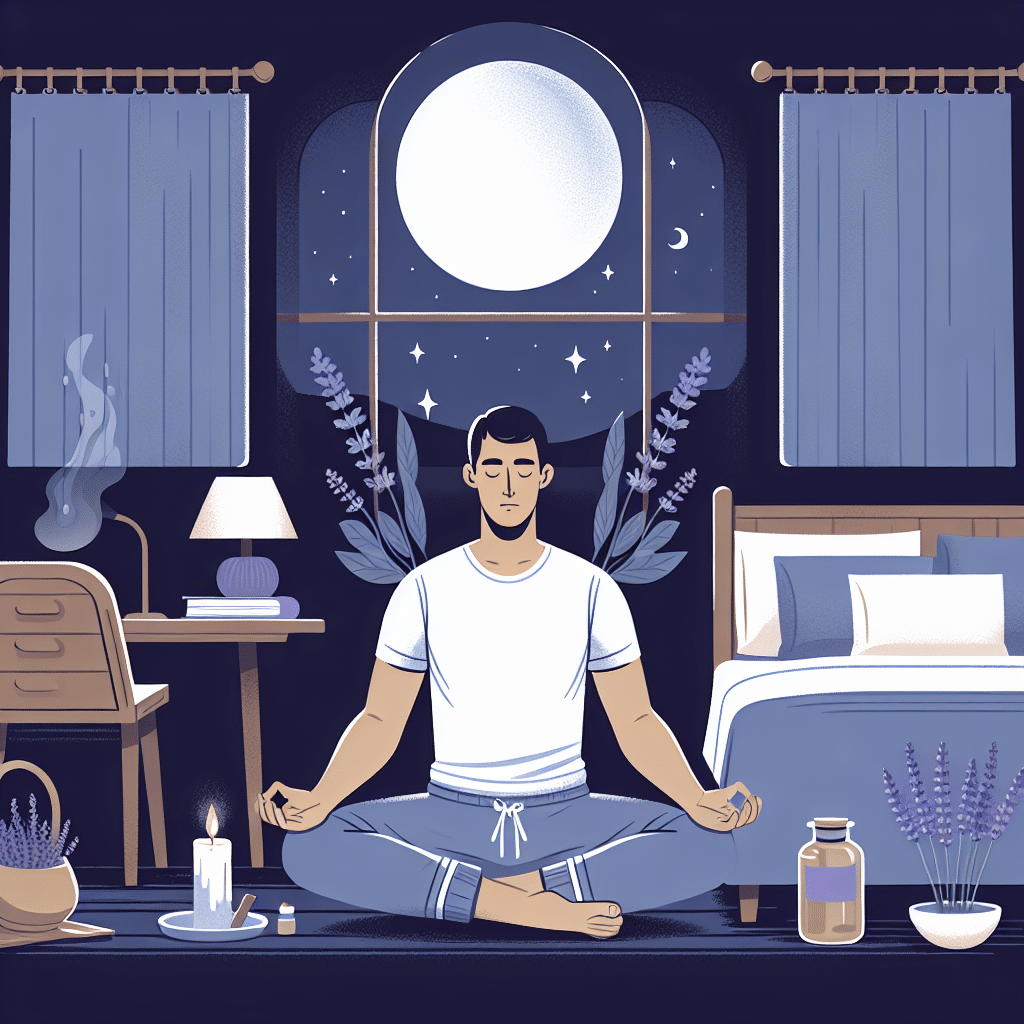
The Importance of a Relaxing Bedtime Routine
Creating a calm and peaceful bedtime routine is essential in promoting better sleep. The way you prepare for sleep can significantly impact your overall health, mood, and well-being. A well-structured bedtime routine can improve your sleep quality, boost day-time energy levels, and enhance cognitive functions.
Understanding Sleep Cycle
Before delving into naturally relaxing practices, it’s vital to understand the sleep cycle. Sleep is divided into multiple stages, including non-REM (Rapid Eye Movement) and REM sleep. A typical sleep cycle lasts about 90 minutes, and adults typically require between 7-9 hours of total sleep. Disrupted sleep cycles can lead to sleep deprivation, fatigue, and a host of health issues. Therefore, focusing on relaxation techniques can help lull the body into a state conducive to falling and staying asleep.
Creating a Sleep-Inducing Environment
Control Lighting
The bedroom should be darkened as much as possible. Consider blackout curtains to minimize outside light. Additionally, use warm-tone bulbs or dimmers to create a soothing ambiance. Light exposure, especially blue light from screens, can interfere with melatonin production, the hormone responsible for sleepiness.
Ideal Room Temperature
The ideal sleep temperature lies between 60-67°F (15-19°C). Cooler temperatures can help lower your body temperature, signaling that it’s time for sleep. Using breathable bedding materials can also ensure comfort throughout the night.
Minimize Noise
External sounds can disrupt sleep. Consider using white noise machines or earplugs to block out unwanted noise. Soft, calming sounds can create an atmosphere that promotes relaxation and distraction from daily stressors.
Incorporating Relaxation Techniques
Mindful Breathing
Breathing exercises are effective for inducing relaxation. Simple techniques like the 4-7-8 method can help calm the mind. Inhale for four seconds, hold for seven seconds, and exhale for eight seconds. Repeat this for several cycles. This practice not only reduces anxiety but also lowers heart rates, preparing the body for sleep.
Progressive Muscle Relaxation
Progressive Muscle Relaxation (PMR) involves tensing and then relaxing different muscle groups in the body. Start by focusing on your feet, and progressively work your way upwards. This method is effective in promoting physical relaxation by releasing muscle tension.
Guided Visualization
Visualizing tranquil scenes can help divert your mind from racing thoughts. Imagine a serene beach or a quiet forest, engaging all your senses. This visualization can lower heart rates and reduce stress.
Meditation and Mindfulness
Engaging in meditation prior to sleep can significantly enhance relaxation. Apps and online resources provide guided meditations specifically designed for sleep. Mindfulness meditation encourages letting go of intrusive thoughts, allowing for a peaceful transition into sleep.
Establishing a Pre-Bedtime Routine
Limit Screen Time
Avoid screens at least 30-60 minutes before bed. The blue light emitted by phones, tablets, and computers can hinder melatonin production. Instead, consider reading a book, journaling, or engaging in quiet hobbies that don’t require electronic devices.
Herbal Teas for Relaxation
Consider drinking herbal teas like chamomile, valerian root, or lavender. These teas have natural calming properties that can ease the transition into sleep. The act of sipping a warm beverage itself can signal your body to prepare for rest.
Aromatherapy
Use essential oils like lavender, chamomile, or sandalwood to create a calming atmosphere. Diffusing these oils in your bedroom, or applying them to pulse points, can promote relaxation and improve sleep quality.
Warm Bath or Shower
Taking a warm bath or shower before bed can significantly lower nighttime anxiety levels. The warming of the body, followed by a rapid drop in temperature when you exit the warm water, mimics the natural cooling process that the body undergoes during sleep.
Incorporating Light Exercise into Your Routine
Gentle, light exercises can prepare the mind and body for sleep without overstimulating. Practices like yoga are excellent as they integrate deep breathing with soothing movements. Poses such as Child’s Pose and Corporation Pose can help release tension and promote relaxation.
Stretching
Incorporate some light stretching into your bedtime routine to relieve physical tension built up during the day. Stretching can improve blood circulation, reduce muscle stiffness, and prepare the body for rest.
Journaling for Mental Clarity
Writing before bedtime can help clear the mind. Try spending 10-15 minutes journaling about your day, reflecting on positive experiences, or making a gratitude list. This practice helps release pent-up thoughts and worries, allowing for a clearer mind as you head to sleep.
Nutrition and Sleep
Mindful eating habits can also contribute to a better bedtime routine. Certain foods may help promote relaxation. For example:
- Bananas contain magnesium and potassium, which help relax muscles.
- Almonds and other nuts provide magnesium, known for its sleep-promoting properties.
- Turkey contains tryptophan, which aids in serotonin production and promotes better sleep.
It’s crucial to avoid heavy meals and caffeine before bed; heavy meals can disrupt digestion and sleep patterns. Aim to consume your last meal at least 2-3 hours before bedtime.
Technology Breaks and Digital Detox
Incorporating regular technology breaks during the day is crucial to improving sleep quality. Digital detox periods can reduce anxiety and promote mental clarity. Allocating specific times to disconnect from devices can aid relaxation, making it easier to unwind at night.
Routine Consistency
Establishing a consistent bedtime routine sends signals to your body that it’s time to wind down. Aim to go to bed and wake up at the same time every day, even on weekends. Consistency helps regulate your body’s internal clock, resulting in improved sleep quality over time.
Building a Sleep Ritual
Develop a sleep ritual that encompasses various activities that encourage relaxation. This can include a combination of:
- Reading a book
- Meditation
- Gentle stretches
- Sipping herbal tea
This multifaceted approach allows for a gradual shift from wakefulness to sleep, easing tension and promoting inner calmness.
Understanding Individual Needs
Everyone experiences stress and relaxation differently. It’s essential to identify which techniques resonate with you. Consider experimenting with various methods from the relaxation practices mentioned above, and refine your routine to fit your personal preferences.
Tracking Sleep Progress
Keep a sleep journal to monitor your sleep patterns and the effectiveness of your bedtime routine. Include times to bed, wake time, how you feel in the morning, and any sleep disturbances experienced through the night. This awareness can enhance your ability to fine-tune your routine further, identify factors impacting sleep, and improve overall sleep quality.
Conclusion
By incorporating these naturally relaxing practices into your bedtime routine, you can create a conducive environment for better sleep, ultimately enhancing your overall well-being. Focus on relaxation techniques, establish a consistent routine, and experiment with various activities until you discover the perfect blend for your restful nights.