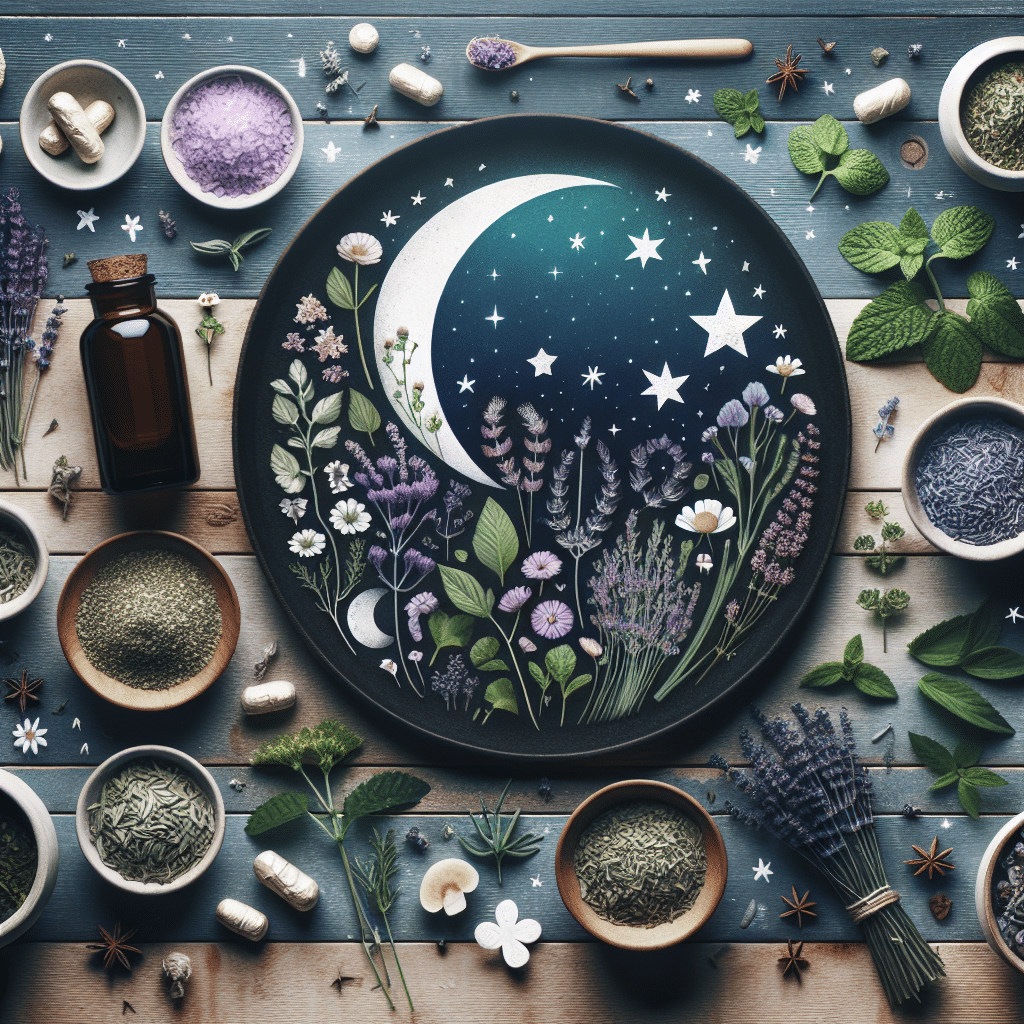
Natural Herbs for Promoting Restful Sleep
Understanding Sleep
Sleep is a vital biological process that allows the body and mind to recuperate. Insufficient sleep can lead to various health issues, including anxiety, depression, and decreased immune function. While numerous factors influence sleep quality, natural herbs have emerged as effective remedies for promoting restful sleep.
The Role of Herbal Remedies
Herbal remedies derive from plants and have been used for centuries in traditional medicine. Many individuals seek herbal solutions due to their holistic nature and minimal side effects. Below are several prominent herbs known for their calming properties that can aid in achieving a good night’s sleep.
1. Chamomile (Matricaria chamomilla)
Chamomile is a popular herbal remedy known for its calming effects. Its primary active compound, apigenin, binds to specific receptors in the brain that promote relaxation and sleepiness. A study published in Molecular Medicine Reports confirmed chamomile’s efficacy in enhancing sleep quality.
Usage: Chamomile can be consumed as a tea, with one to two cups recommended 30 minutes before bed.
Note: People with allergies to ragweed or certain plants in the Asteraceae family should exercise caution when using chamomile.
2. Valerian Root (Valeriana officinalis)
Valerian root is renowned for its sedative effects. It is often used to treat insomnia and anxiety. The herb contains compounds that may increase the levels of GABA (gamma-aminobutyric acid) in the brain, aiding relaxation.
Usage: Valerian root is available in tinctures, teas, or capsules, with a dosage of 300-600 mg recommended about 30 minutes before sleep.
Caution: Valerian can cause drowsiness. It is advisable not to mix it with alcohol or sedative medications.
3. Lavender (Lavandula angustifolia)
Lavender is well-known for its aromatic properties, and studies have shown that its fragrance can significantly improve sleep quality. The scent has calming effects, reducing anxiety and promoting relaxation. A study in the Journal of Medicinal Plants Research found that lavender essential oil improved sleep quality among participants.
Usage: Lavender can be used in various forms, such as essential oils, tea, or sachets placed under pillows.
Tip: Diffusing lavender oil in the bedroom before sleep can create a calming environment.
4. Passionflower (Passiflora incarnata)
Passionflower is an effective herb for managing anxiety and insomnia. It is believed to enhance GABA levels, leading to relaxation. Research published in the Journal of Clinical Pharmacy and Therapeutics found that passionflower extract improved sleep quality in patients with insomnia.
Usage: It can be taken as a tea, tincture, or capsule. A dosage of 250-500 mg is typically recommended before bedtime.
Caution: Pregnant or nursing women should avoid passionflower due to potential effects on hormonal balance.
5. Lemon Balm (Melissa officinalis)
Lemon balm is a calming herb that is often used in combination with other herbs like valerian. It has been shown to reduce anxiety and improve sleep quality. One study highlighted its benefits as a mild sedative and its ability to enhance sleep quality.
Usage: Lemon balm is available as tea, tincture, or capsules, with 300-600 mg usually recommended before bed.
Tip: Lemon balm tea can be enjoyed hot or cold, offering a soothing pre-sleep ritual.
6. Hops (Humulus lupulus)
Hops, commonly known for their use in beer production, also possess sedative properties. Hops can help improve sleep quality and reduce anxiety, as supported by studies published in Phytotherapy Research.
Usage: Hops can be consumed as a tea, tincture, or in capsule form, with the usual dosage ranging from 300-500 mg before bed.
Caution: Hops may interact with certain medications, so consultation with a healthcare provider is advised.
7. Ashwagandha (Withania somnifera)
Ashwagandha is an adaptogenic herb that helps combat stress and anxiety, thereby promoting restful sleep. Its calming effects are attributed to its ability to lower cortisol levels. Studies have documented the benefits of ashwagandha in enhancing sleep quality.
Usage: It can be taken in powder form, capsules, or as a tincture. A typical dosage is around 600 mg daily, preferably in the evening.
Caution: Pregnant women and individuals with autoimmune diseases should consult with a healthcare professional before using ashwagandha.
8. Holy Basil (Ocimum sanctum)
Holy basil, or tulsi, is revered in Ayurvedic medicine for its ability to combat stress and anxiety. Its adaptogenic properties promote overall well-being, which contributes to improved sleep. Research indicates that holy basil can enhance sleep quality by mitigating stress-related insomnia.
Usage: Holy basil can be consumed as a tea or in supplement form. A daily dose of 300-600 mg is generally recommended.
Tip: Drinking holy basil tea before bed can provide a soothing nighttime ritual.
9. Scutellaria (Skullcap)
Skullcap is a traditional remedy used to alleviate anxiety and insomnia. The herb’s calming effects stem from its ability to influence neurotransmitter function, particularly GABA. A study published in Phytotherapy Research highlighted its potential for relaxing the nervous system.
Usage: Skullcap can be taken as a tea or tincture, with a common dosage of 250-500 mg before bedtime.
Caution: Pregnant women should avoid skullcap due to its effects on hormonal balance.
10. Kava Kava (Piper methysticum)
Kava kava is renowned for its relaxing properties, primarily attributed to its kavalactones, which have anxiolytic effects. Studies indicate that kava kava can be effective in reducing anxiety levels, improving sleep quality for those stressed or anxious.
Usage: Available in capsules, powders, or teas, a typical dose is around 200-400 mg, taken one hour before sleep.
Caution: Long-term use of kava kava can lead to liver issues; therefore, it should be used sparingly and under supervision.
How to Incorporate Herbs into Your Routine
-
Herbal Teas: One of the simplest ways to enjoy the benefits of sleep-promoting herbs is through herbal teas. They offer a calming ritual before bed and can provide the soothing effects of the herbs listed above.
-
Supplements: For those who find it challenging to consume herbs in their natural state, supplements offer a convenient alternative. Capsules, powders, and tinctures can be found in health food stores.
-
Aromatherapy: Essential oils from calming herbs like lavender and chamomile can be used in aromatherapy. Diffusers or application to pulse points can enhance relaxation before sleep.
-
Culinary Use: Some herbs can be incorporated into your meals. For example, adding lemon balm to salads or using chamomile-infused honey can provide both culinary enjoyment and sleep benefits.
-
Mindfulness Practices: Pairing herbal use with mindfulness activities such as meditation or gentle yoga can amplify the calming effects of these herbs, creating a holistic approach to better sleep.
Final Thoughts
The journey to restful sleep can be an individual exploration. While herbs show promise in promoting relaxation and better sleep quality, they are not a one-size-fits-all solution. Consulting a healthcare professional before starting any new herbal regimen is crucial, especially for individuals taking other medications or with underlying health conditions.
In addition to herbal remedies, it’s important to establish a sleep-friendly environment: keep your bedroom dark, cool, and free of distractions. Combining lifestyle adjustments with the calming properties of natural herbs may yield the best outcomes for promoting restful sleep. By understanding how these herbs work, individuals can make informed decisions in their pursuit of better sleep.