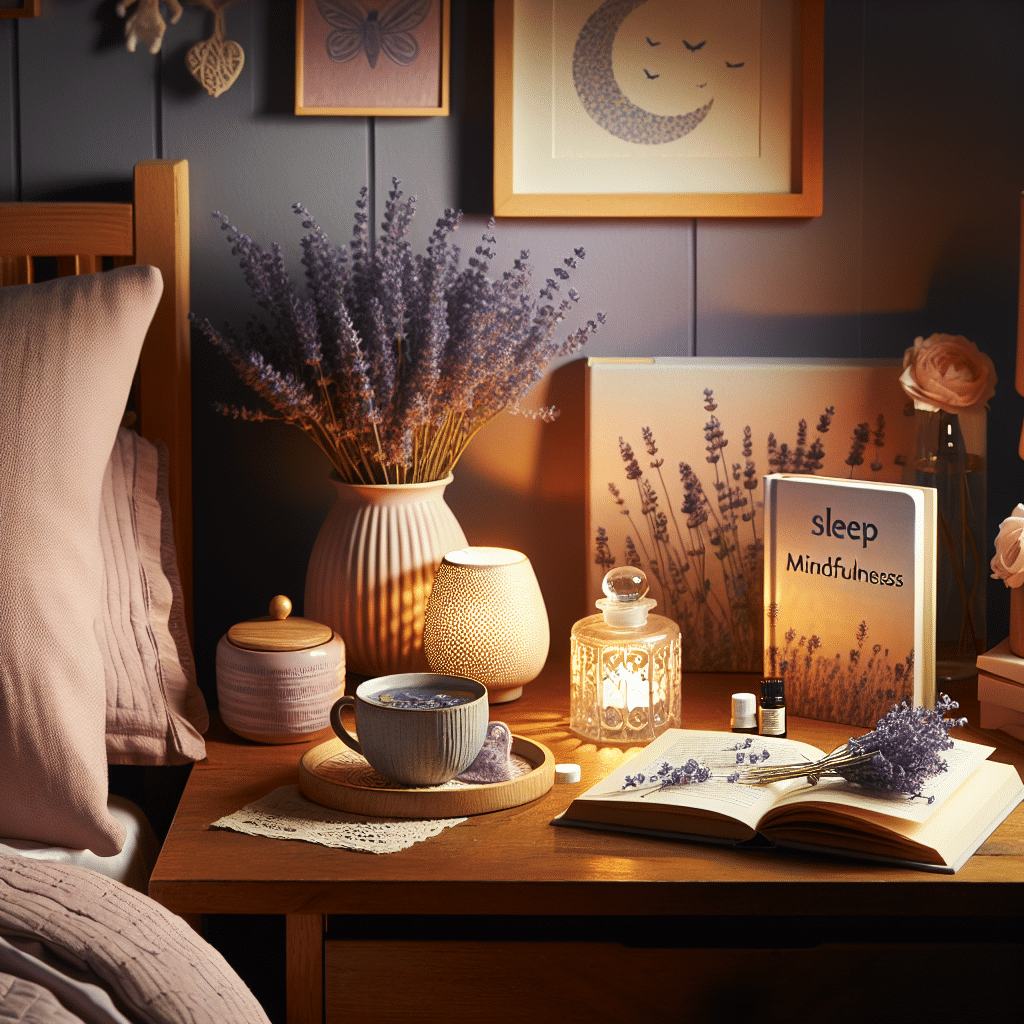
Understanding Nighttime Restlessness
Nighttime restlessness, characterized by a sense of unease or an inability to settle down, can disrupt sleep and affect overall well-being. This phenomenon may arise due to stress, anxiety, dietary habits, or even certain medical conditions. Fortunately, various home remedies can help soothe restlessness and promote a restful night.
Herbal Teas
Chamomile Tea
Chamomile is renowned for its calming properties. Drinking chamomile tea before bedtime can reduce anxiety and promote relaxation. Prepare it by steeping chamomile flowers in hot water for about five minutes. Add honey or lemon for flavor if desired.
Lavender Tea
Lavender is another herbal remedy famed for its tranquilizing effects. Lavender tea can ease the mind and help prepare the body for sleep. Steep dried lavender buds in boiling water for a soothing beverage.
Valerian Root Tea
Valerian root has been used for centuries as a sedative. It may help reduce the time taken to fall asleep and improve sleep quality. Brew valerian root tea by steeping the dried root in water for about 10 minutes.
Essential Oils
Lavender Oil
Using lavender essential oil in a diffuser can create a peaceful atmosphere conducive to sleep. Alternatively, mix a few drops with a carrier oil and apply it to pulse points like wrists and temples to promote relaxation.
Bergamot Oil
Bergamot oil, extracted from citrus fruits, has anxiety-reducing properties. Diffuse this uplifting oil in your bedroom or blend it with a carrier oil for a calming massage before bedtime.
Frankincense Oil
Frankincense is known for its grounding properties. Diffusing frankincense oil can create a serene environment. You can also add a few drops to your bathwater for a calming soak.
Warm Baths
Taking a warm bath before bed can significantly enhance relaxation. The warm water helps to raise your body temperature, which then drops as you leave the bath, signaling your body that it’s time to sleep. Adding Epsom salt to your bath can provide additional relaxation benefits and reduce muscle tension.
Meditation and Deep Breathing
Mindfulness Meditation
Practicing mindfulness meditation can help quiet the racing thoughts that contribute to nighttime restlessness. Set aside 10-15 minutes before bed to focus on your breath and let go of daily stresses.
Deep Breathing Techniques
Deep breathing exercises can help activate your body’s relaxation response. A simple technique involves inhaling deeply for a count of four, holding your breath for seven counts, and exhaling slowly over a count of eight. Repeat this for several cycles to soothe your mind and body.
Diet Adjustments
Avoid Stimulants
Caffeine and nicotine can disrupt sleep and lead to restlessness. Avoid these stimulants in the hours leading up to bedtime. Opt for herbal or decaffeinated beverages in the evening.
Light Evening Snacks
If hunger strikes at night, reach for light snacks that promote sleep. Options like a small banana, a handful of almonds, or whole-grain toast with almond butter can help maintain stable blood sugar levels during the night.
Tart Cherry Juice
Tart cherry juice is a natural source of melatonin, a hormone that regulates sleep. Drinking a small glass in the evening may help improve sleep quality.
Lifestyle Changes
Establish a Sleep Routine
A consistent sleep routine can signal your body that it’s time to wind down. Aim to go to bed and wake up at the same time every day, even on weekends. This can help regulate your body’s internal clock.
Limit Screen Time
Exposure to screens can interfere with melatonin production. Aim to switch off electronic devices at least an hour before bedtime. Instead, engage in calming activities like reading or listening to soothing music.
Adjusting Your Sleep Environment
Optimize Your Bedroom
Create a conducive sleep environment by ensuring your bedroom is dark, cool, and quiet. Consider blackout curtains, earplugs, or white noise machines to minimize disturbances. A comfortable mattress and pillows are essential for a restful night.
Aromatherapy
Incorporating calming scents into your sleep environment can enhance relaxation. Along with essential oils, consider using scented candles (in moderation) in your bedroom to promote a soothing atmosphere.
Gentle Yoga and Stretching
Incorporating gentle yoga or stretching exercises before bed can help alleviate tension and promote relaxation. Poses such as Child’s Pose, Legs Up the Wall, and Cat-Cow can help release any built-up stress and prepare your body for rest.
Cognitive Behavioral Techniques
Journaling
If racing thoughts contribute to your nighttime restlessness, consider keeping a journal. Write down any worries or stressors before bedtime to help clear your mind. This act can create emotional distance from these thoughts and assist in letting them go for the night.
Visualization
Guided imagery can be an effective way to quiet your mind. Picture a peaceful scene or a calming scenario, like a serene beach or a quiet forest, to promote relaxation and help you drift off peacefully.
Natural Supplements
Magnesium
Magnesium plays a crucial role in managing sleep. Low levels are associated with restlessness. Consider supplementing with magnesium glycinate or simply include magnesium-rich foods like leafy greens, nuts, and seeds in your diet.
Melatonin
Melatonin supplements can help regulate sleep cycles. Consult with a healthcare professional before considering this remedy to determine the correct dosage, as individual needs may vary.
Avoiding Heavy Meals Before Bed
Heavy, rich meals close to bedtime can disrupt sleep and lead to restlessness. Aim to finish eating at least two to three hours before your planned bedtime. If you do feel hungry, opt for a light snack to satisfy hunger without overloading your digestive system.
Cognitive Techniques
Positive Affirmations
Incorporating positive affirmations into your nightly routine can help create a calm mindset. Phrases like “I am calm and relaxed” can be recited during your winding-down process, reinforcing a peaceful mental state.
Progressive Muscle Relaxation
This technique involves tensing and then relaxing each muscle group in your body sequentially. Start from your toes and work your way up to your head, focusing on the sensations of tension and relaxation. This practice helps to release physical tension linked to anxiety.
Conclusion
Implementing these home remedies for soothing nighttime restlessness can greatly enhance your sleep quality and overall well-being. Combining various techniques as needed and tailoring your approaches based on personal preferences may yield the best results. Consistency and finding what works for you are key to creating a peaceful nighttime routine.