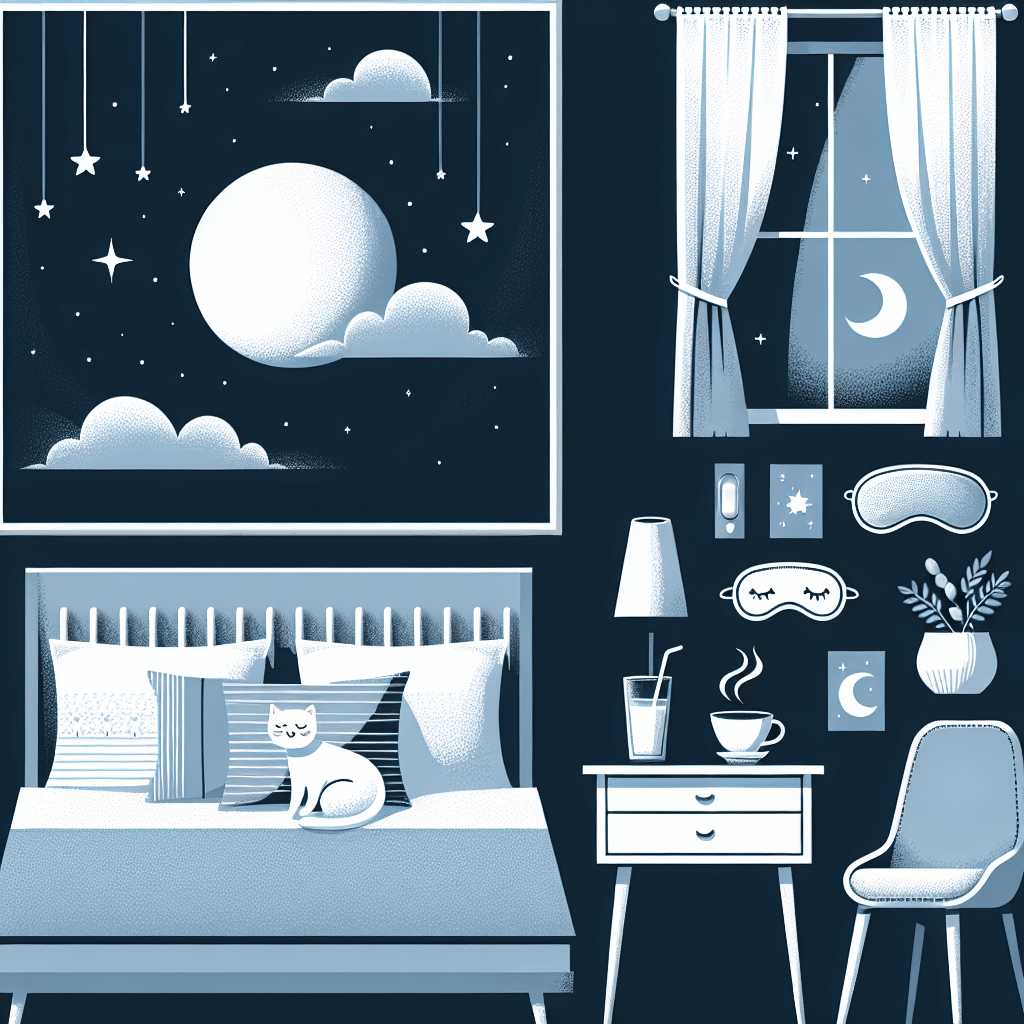
Understanding Sleep Needs
Sleep is vital for our overall health and well-being. Yet, many people struggle with insomnia or poor-quality sleep. Customized sleep routines take into account individual preferences, lifestyles, and physiological needs, enhancing the quality of rest and supporting health.
Assessing Your Sleep Patterns
Begin by keeping a sleep diary for about two weeks. Note your bedtime, wake-up time, nighttime awakenings, total hours slept, and how you feel in the morning. This information helps identify patterns or issues that need addressing.
Factors Affecting Sleep Quality
-
Age: Sleep needs change with age. Infants require around 14-17 hours, teens around 8-10 hours, and adults typically need 7-9 hours.
-
Lifestyle: Stress, work hours, and family commitments play significant roles in how well you sleep. Analyzing your daily schedule helps in drafting a realistic routine.
-
Health Conditions: Chronic pain, anxiety, and other medical conditions can severely affect sleep. Consulting healthcare professionals for remedies tailored to your situation is essential.
Creating Your Customized Sleep Routine
-
Determine Your Ideal Sleep Duration: Based on your age and lifestyle, recognize how much sleep typically leaves you feeling rested.
-
Consistent Sleep Schedule: Aim for a consistent sleep and wake-up time, even on weekends. This helps regulate your body’s internal clock, leading to better sleep quality.
-
Wind-Down Routine: Establish a calming pre-sleep routine. This can include reading, meditation, or light stretching. Aim for some screens-off time before bed to reduce blue light exposure, which can interfere with melatonin production.
-
Environment Optimization: Ensure your sleep environment promotes relaxation:
- Temperature: Keep the bedroom cool (between 60-67°F or 15-19°C) for optimal sleep conditions.
- Darkness: Invest in blackout curtains to block out unwanted light.
- Noise: Use earplugs or a white noise machine if you live in a noisy area.
-
Mind Your Diet: Avoid stimulating foods and beverages before bedtime. Instead, consider a light snack, such as nuts or yogurt. Caffeine and alcohol can disrupt your sleep cycle, so limit consumption in the hours leading up to sleep.
Incorporating Exercise
Regular physical activity supports better sleep. Ideally, aim for at least 30 minutes of moderate exercise most days. Be mindful of timing; vigorous workouts close to bedtime can have the opposite effect.
-
Morning Exercise: Engaging in aerobic activities like walking, jogging, or cycling in the morning can uplift your mood and promote a better sleep cycle at night.
-
Yoga and Stretching: Incorporate gentle stretches or yoga in the evening to release tension from the day. Poses like Child’s Pose or Legs-Up-the-Wall help calm the nervous system.
Track Your Sleep
Utilizing sleep-tracking devices or apps can provide insights into your sleep quality. Look for patterns such as:
- Sleep duration
- Sleep interruptions
- Time taken to fall asleep
With these insights, you can tweak your routine as necessary to enhance your rest quality.
Addressing Sleep Disorders
If you suspect you have a sleep disorder, such as sleep apnea, insomnia, or restless legs syndrome:
-
Consult a Specialist: Seeking professional help can lead to diagnoses and treatment plans tailored to your needs.
-
Cognitive Behavioral Therapy for Insomnia (CBT-I): This structured program helps address thoughts and behaviors that disrupt sleep.
-
Medication Options: In some cases, doctors may prescribe sleep aids, but they should be used judiciously and typically for short-term relief.
Embracing Mindfulness Practices
Mindfulness practices like meditation, breathing exercises, or guided imagery can significantly improve sleep quality. Implement these strategies:
-
Deep Breathing: Engage in deep breathing exercises to decrease heart rate and promote relaxation.
-
Progressive Muscle Relaxation: Tense and then relax different muscle groups, starting from your toes and moving up to your head.
-
Meditation: Apps and online resources offer guided meditations specifically designed for improving sleep.
The Role of Light Exposure
Your body relies on natural light to regulate the sleep-wake cycle. Maximize your exposure to natural light during the day and minimize light exposure during the evening.
-
Daytime: Spend time outdoors, especially in the morning, to help reinforce the body’s natural circadian rhythm.
-
Nighttime: Limit the use of bright lights in your home after sunset. Consider using warm-toned bulbs for a softer ambiance.
Utilizing Aromatherapy for Relaxation
Essential oils such as lavender, chamomile, and sandalwood have calming effects. Diffusing these oils in your bedroom or adding a few drops to your pillow can create a soothing atmosphere.
The Impact of Technology
While technology is often blamed for sleep disruption, it can also be used positively. Use sleep apps that help you monitor your patterns, or ambient noise apps that mimic natural sounds.
-
Blue Light Filters: If you must use screens before bed, install blue light-filtering software or use screen glasses designed to block blue light.
-
Sleep Meditation Apps: These can guide you in relaxing practices right from your smartphone.
Social Considerations
Interactions with family and friends can impact your sleep. Establish quiet hours in the evening with family members or roommates to enhance your sleep environment. Consider discussing sleep needs with your partner to align bedtimes and routines.
The Power of Naps
Short naps can recharge your energy without interfering with nighttime sleep. Limit naps to 20-30 minutes and earlier in the day to prevent disrupting your nighttime sleep cycle.
Conclusion
Customized sleep routines crafted with careful consideration of individual needs and preferences can dramatically enhance sleep quality. By assessing personal patterns, optimizing sleep environments, and incorporating exercises, mindfulness, and dietary practices, individuals can foster healthier sleep habits that lead to restorative and rejuvenating rest.