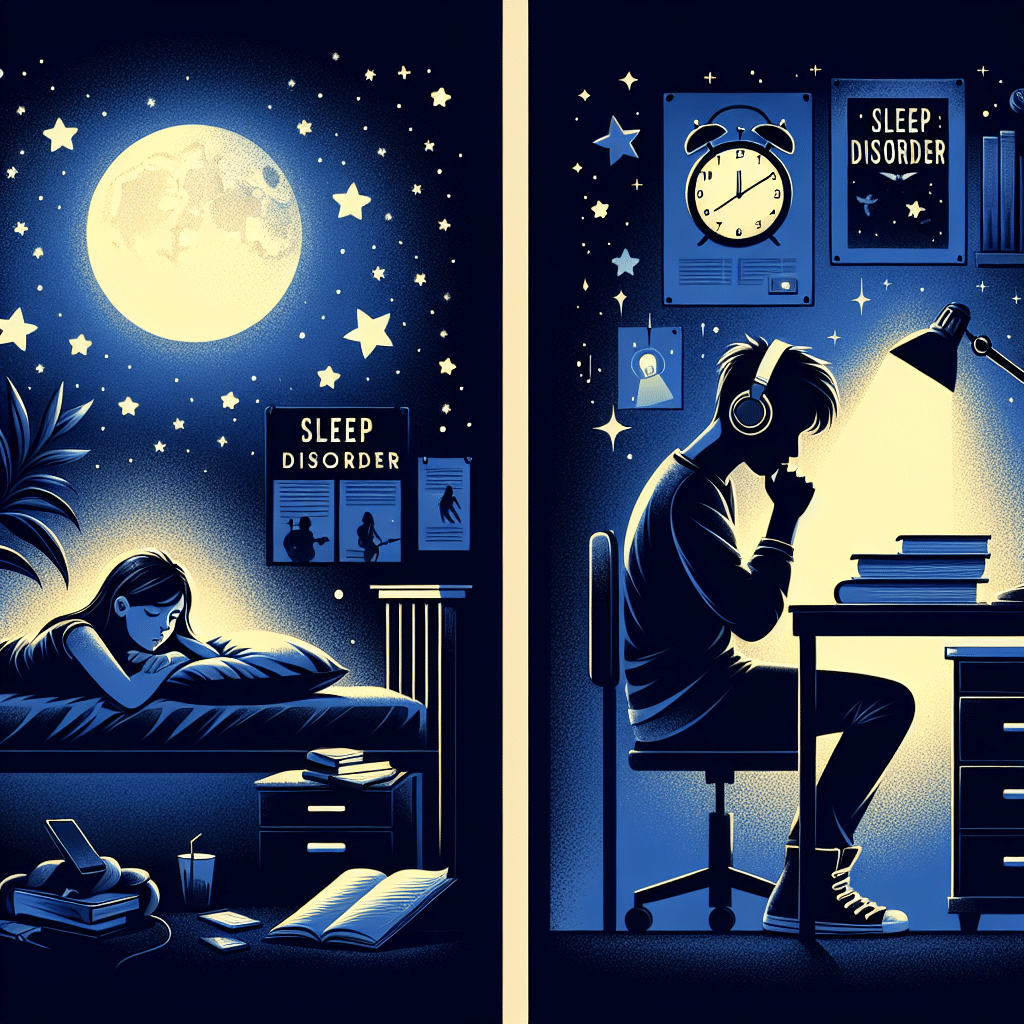
white noise machines perfect for studying students

white noise machines perfect for studying students

Understanding White Noise Machines

White noise machines provide a consistent sound that can mask other environmental noises, ultimately aiding in concentration and enhancing productivity, particularly for students who need to study.

What is White Noise?

White noise is a sound that encompasses all audible frequencies, played at the same intensity. This continuous sound acts as a blanket, covering disruptive noise around you. Unlike sudden bursts of sound, white noise creates a soothing backdrop, helping people focus on tasks like studying or reading.

Benefits of White Noise Machines for Students

  1. Improved Concentration:
    White noise enhances focus by lessening distractions. Students often find themselves disrupted by conversations, sirens, or other ambient noises, making it hard to concentrate on their studies. A white noise machine can neutralize these distractions, allowing for a more immersive study session.

  2. Better Sleep Quality:
    Good sleep is critical for cognitive function and memory retention. Many students struggle with sleep quality, and white noise can help mask disruptive sounds that can hinder restful sleep. A consistent white noise environment promotes deeper sleep cycles and helps maintain focus during long study hours.

  3. Stress Reduction:
    Studying can be stressful, leading to anxiety and a mental block. White noise machines aid in creating a calming atmosphere that can reduce anxiety and help students focus better. The soothing sound can create a protective barrier from disruptive distractions.

  4. Enhanced Retention and Memory:
    Engaging with educational material in a consistently calm environment can lead to better retention. Students are more likely to remember information they studied without interruptions. White noise supports long study sessions where information retention is critical.

Features to Look for in a White Noise Machine

When choosing a white noise machine ideal for studying, consider the following features:

  • Sound Quality:
    The clarity and richness of the sound play significant roles in effectiveness. Look for machines that have high-quality speakers to deliver a more pleasant sound experience.

  • Volume Control:
    A white noise machine should offer variable volume levels. This feature allows students to adjust the sound intensity based on their personal preferences and the level of background noise.

  • Sound Options:
    Some white noise machines come with various sound profiles, including natural sounds like rain or ocean waves. Students may find these alternative sounds more enjoyable while studying.

  • Portability:
    For those who study in various locations, a portable white noise machine can be a handy tool. Lightweight devices with battery power can be convenient for travel.

  • timer Function:
    A timer can be beneficial for students who like to study in intervals. Setting a timer allows the machine to shut off automatically after a designated study period, conserving energy while still being effective.

Popular White Noise Machines for Students

  1. LectroFan Classic:
    This machine offers ten fan sounds and ten white noise variations, providing a diverse range of sound profiles. Its compact design makes it travel-friendly, and it features a volume control knob for personalized sound levels.

  2. Marpac Dohm Classic:
    Known for its high-quality fan-based white noise sound, the Marpac Dohm produces a natural white noise experience rather than synthetic sounds. The adjustable tone and volume make it a popular choice among students seeking a soothing environment.

  3. Homedics White Noise Sound Machine:
    This option includes multiple sound choices such as white noise, nature sounds, and even lullabies. Its affordability and portable design make it an attractive choice for students on a budget.

  4. Tommee Tippee GroEgg 2:
    Primarily designed for children, this versatile machine includes a nightlight and a selection of sounds. Its adorable design and sound options make it a fun addition to a student’s study environment.

Setting Up Your White Noise Machine

  1. Optimal Placement:
    Place your white noise machine close to your study area but not directly next to you. The goal is to create a sound blanket in the environment without making the noise overwhelming.

  2. Finding the Right Volume:
    Start at a lower volume and increase it gradually until you find the most comfortable setting. Remember, the device should be loud enough to mask distracting sounds but soft enough not to be intrusive.

  3. Testing Sound Preferences:
    Experiment with different sound profiles. While some students prefer the classic white noise, others may find nature sounds or lullabies more conducive to studying.

Potential Drawbacks

  • Personal Preference:
    Not everyone responds well to white noise. Some might find it distracting rather than soothing. It’s essential to try out a machine before committing to it.

  • Adjustment Period:
    If you are new to using white noise, there might be a short adjustment period. Initially, the constant sound may feel unusual, but most students adapt quickly.

Combining White Noise with Study Techniques

While a white noise machine can be highly beneficial, it’s not a standalone solution. Pairing it with effective study techniques enhances overall productivity:

  • Pomodoro Technique: Use a timer alongside your white noise machine to create productive study intervals followed by short breaks. This method can maximize focus and retention.

  • Limiting Distractions: Turn off notifications on devices, close unnecessary tabs, and create a study area that minimizes interruptions. A white noise machine works best in a controlled environment.

  • Mindfulness Practices: Incorporating mindfulness or breathing exercises before studying can help prepare your mind for focus. The white noise machine will further help maintain a calm atmosphere.

Conclusion

Integrating a white noise machine into a student’s study routine can significantly enhance focus and retention. By understanding their features and benefits, students can create an effective studying environment that leads to academic success.

meditation tips for better sleep

meditation tips for better sleep

Understanding the Connection Between Meditation and Sleep

Through the ages, meditation has been revered for its myriad health benefits, including enhanced emotional well-being and improved focus. In recent years, one of its most significant benefits—its ability to promote better sleep—has gained widespread attention. Sleep disturbances can have crippling effects on daily functioning, making meditation an attractive, natural alternative to pharmaceuticals in the quest for restful nights.

The Science of Sleep

Sleep is a complex biological process governed by numerous factors including circadian rhythms and neurotransmitter balance. During sleep, the body undergoes essential restorative processes, such as cellular repair and hormone regulation. Disruptions to this cycle can lead to insomnia, anxiety, and various other health issues. By incorporating meditation into your routine, you can promote relaxation and ensure your body receives the restorative sleep it craves.

Tips for Incorporating Meditation into Your Sleep Routine

1. Create a Calm Environment

A serene atmosphere is essential for effective meditation. Make sure your bedroom is free from distractions such as electronics, bright lights, and noise. Consider dimming the lights or using blackout curtains to create a tranquil space. Adding soft music or white noise can also help mask any disruptive sounds.

2. Establish a Consistent Schedule

Practice meditation at the same time every day, ideally in the evening before bedtime. Consistency reinforces the habit and signals to your body that it’s time to wind down. Gradually aim for at least 10 to 20 minutes per session.

3. Choose the Right Meditation Technique

Different meditation styles can work better for different individuals. Here are a few that can be particularly beneficial for sleep:

  • Mindfulness Meditation: This technique focuses on being present in the moment. You can practice awareness by directing your focus to your breath, bodily sensations, or ambient sounds.

  • Guided Imagery: This involves visualizing calming scenes, such as a beach or forest, to help promote relaxation.

  • Body Scan Meditation: Focus on systematically relaxing each muscle group in your body, starting from your toes and working your way up. This can help release physical tension that might hinder sleep.

4. Breathe Deeply

Controlled breathing techniques such as diaphragmatic breathing can enhance relaxation. Practice inhaling deeply through your nose for four counts, hold for four counts, and exhale through your mouth for six counts. This method calms the mind and prepares the body for sleep.

5. Focus on Gratitude

Practicing gratitude can shift your mindset from stress to positivity. Before bed, take a few minutes to reflect on three things you’re thankful for. This exercise can alleviate anxious thoughts and pave the way for a peaceful night’s sleep.

6. Limit Stimulants

Caffeine and nicotine can significantly interfere with your sleep. It’s advisable to cease any consumption of these substances at least six hours before bedtime. When integrated with your meditation practice, it can enhance the quality of sleep you achieve.

7. Incorporate Gentle Yoga

Gentle yoga is an excellent companion to meditation when looking to improve sleep. Poses like child’s pose and legs-up-the-wall can help release physical tension. A gentle yoga session can increase flexibility, reduce stress, and prepare your body for restful sleep.

8. Set Intentions for Sleep

Before beginning your meditation session, set a clear intention for restful sleep. Something as simple as, “I intend to release my worries and embrace deep sleep” can guide your meditation and reinforce your focus on achieving a state of tranquility.

9. Use Aromatherapy

Aromatherapy can enhance meditation practices. Essential oils such as lavender and chamomile are known for their relaxing properties. Consider diffusing these scents in your meditation space, or placing a few drops on your pillow for a serene nighttime experience.

10. Utilize Technology Mindfully

While excessive screen time can interfere with sleep, certain meditation apps can guide you through soothing practices. Apps like Headspace and Calm provide various guided sessions designed specifically for sleep, helping to ease your mind after a long day.

11. Experiment with Soundscapes

Nature sounds, such as rainfall or ocean waves, can provide a peaceful backdrop for your meditation practice. Research shows that these sounds can help lower heart rates and anxiety levels, making it easier to drift off to sleep.

12. Practice Loving-Kindness Meditation

Loving-kindness meditation involves focusing on sending love and goodwill first to yourself, then to loved ones, and finally to all sentient beings. Practicing this can foster feelings of compassion and create a peaceful mental environment conducive to sleep.

13. Journaling Before Bed

Before meditating, consider keeping a small journal beside your bed. Jot down thoughts that may be weighing on your mind. This practice can help you clear your mind of worries, making it easier to transition into meditation and, subsequently, sleep.

14. Focus on Your Body

As you meditate, take time to check in with your physical state—starting from your toes and moving upwards. Acknowledging tension in different areas can help you consciously relax and release gripping anxiety that may be keeping you awake.

15. Be Patient with Yourself

Meditation is a practice that improves over time. If you find it difficult to focus initially, practice patience and self-compassion. Each session is a step toward greater relaxation, and the benefits of your efforts will accumulate over time.

16. Stay Consistent Even on Weekends

Our bodies thrive on routine. Although it might be tempting to sleep in on weekends, maintaining consistent meditation times will help your body regulate its internal clock and improve your overall sleep quality.

17. Avoid Heavy Meals Before Bed

Heavy or rich meals can disrupt your sleep cycle. Aim to have your last meal at least 2-3 hours before bedtime. A light snack, like yogurt or a banana, is perfectly acceptable if you need something before your meditation and sleep.

18. Integrate Mindfulness Throughout the Day

Incorporate mindfulness practices throughout your day, such as taking short breaks to breathe and reset your mind. This will enhance your ability to relax more fully during your evening meditation routine.

19. Track Your Progress

Keeping a sleep diary can help you monitor patterns and improvements as you incorporate meditation. Note any changes in your sleep quality, duration, and how you feel throughout the day.

20. Leverage Group Meditation Resources

Joining a community offering guided meditation sessions can boost your engagement and commitment to the practice. Many meditation groups and classes focus on relaxation and sleep, providing you with valuable insights and shared experiences.

Integrating these meditation tips into your nightly routine can significantly enhance your sleep quality. As with any habit, consistency is key to experiencing the full benefits of meditation. As you embrace this peaceful practice, you may find more rejuvenating sleep within your reach, creating a serene routine that promotes lasting wellness.

chronic sleep disorder management

chronic sleep disorder management

Chronic Sleep Disorder Management: Strategies and Solutions

Chronic sleep disorders affect millions of individuals worldwide, leading to fatigue, diminished productivity, and a myriad of health issues. Understanding how to manage these disorders effectively can significantly improve quality of life.

Understanding Chronic Sleep Disorders

Chronic sleep disorders encompass a range of conditions, including insomnia, sleep apnea, restless legs syndrome (RLS), and narcolepsy. These disorders disrupt normal sleep patterns, resulting in insufficient restorative sleep. The National Sleep Foundation emphasizes that adults require 7-9 hours of sleep for optimal health, and disruptions can lead to both physical and mental health problems.

Recognizing Symptoms

Symptoms of chronic sleep disorders vary widely but generally include:

  • Difficulty falling or staying asleep.
  • Excessive daytime sleepiness.
  • Mood disturbances such as irritability or anxiety.
  • Difficulty concentrating and memory issues.
  • Snoring or gasping during sleep.

Proper identification of symptoms is essential for effective management.

Diagnosis by a Sleep Specialist

If you suspect a chronic sleep disorder, consulting a sleep specialist is vital. A comprehensive evaluation may include:

  • Sleep history: Review of sleep patterns and associated habits.
  • Sleep studies (polysomnography): Monitoring of sleep cycles in a lab or at home to evaluate issues such as sleep apnea.
  • Actigraphy: Use of a wrist-worn device to track sleep-wake patterns over time.

Correct diagnosis is crucial as management strategies differ significantly among disorders.

Cognitive Behavioral Therapy for Insomnia (CBT-I)

Cognitive Behavioral Therapy for Insomnia (CBT-I) is a first-line treatment for chronic insomnia. This structured program helps patients recognize and alter thoughts and behaviors that impair sleep. Key components include:

  • Sleep education: Understanding sleep mechanisms and hygiene practices.
  • Cognitive restructuring: Identifying and modifying negative thoughts about sleep.
  • Sleep restriction: Limiting time in bed to consolidate sleep.
  • Relaxation techniques: Incorporating mindfulness and relaxation exercises to reduce anxiety.

CBT-I has been shown to provide lasting results and is often preferred to pharmacological interventions.

Continuous Positive Airway Pressure (CPAP) for Sleep Apnea

Obstructive sleep apnea (OSA) is characterized by repeated interruptions in breathing during sleep. The primary treatment is Continuous Positive Airway Pressure (CPAP), which keeps airways open. Successful management involves:

  • Adherence: Consistent use of CPAP can significantly improve symptoms.
  • Mask fitting: Ensuring the mask fits comfortably to avoid leaks.
  • Regular follow-ups: Monitoring effectiveness through sleep studies.

Lifestyle modifications, such as weight loss and sleep position changes, also play a supportive role.

Lifestyle Changes: Sleep Hygiene

Implementing good sleep hygiene practices can be crucial in managing chronic sleep disorders. Recommendations include:

  • Consistent sleep schedule: Going to bed and waking up at the same time daily, even on weekends.
  • Sleep environment: Creating a cool, quiet, and dark bedroom. Consider blackout curtains and white noise machines.
  • Limit screen time: Reducing exposure to screens at least an hour before bed, as blue light can disrupt melatonin production.
  • Morning sunlight exposure: Natural light exposure during the day helps regulate circadian rhythms.

Nutritional Interventions

Diet plays a significant role in sleep quality. Consider these dietary strategies:

  • Avoid heavy meals: Refrain from large meals within two hours of bedtime, as they can cause discomfort and indigestion.
  • Limit caffeine and nicotine: Reducing consumption of stimulants, particularly in the afternoon and evening, can help facilitate better sleep.
  • Hydration balance: Staying hydrated is essential, but limit liquid intake in the evening to reduce nighttime bathroom trips.

Foods rich in magnesium (like nuts and leafy greens) and tryptophan (like turkey and dairy) can improve sleep quality.

Physical Activity

Regular physical activity enhances overall health and can improve sleep quality. Activities include:

  • Aerobic exercise: Engaging in moderate to vigorous activity for at least 150 minutes per week can facilitate deeper sleep.
  • Flexibility and strength training: Incorporating yoga or stretching can reduce tension, promoting relaxation.

Timing is essential; exercising too close to bedtime may lead to difficulties in falling asleep.

Exploring Medication Options

While lifestyle modifications and behavioral therapies are first-line treatments for many sleep disorders, medication may be necessary for some individuals. Consult with a healthcare provider about:

  • Short-term sleep aids: Prescription medications may help, but they’re typically not recommended for long-term use due to potential dependency and side effects.
  • Melatonin supplements: Often used to regulate circadian rhythms, particularly in shift workers or those with jet lag.

It’s critical to work closely with a healthcare provider to find the optimal treatment plan tailored to individual needs.

Support Groups and Resources

Connecting with others experiencing similar challenges can provide emotional support and practical advice. Look for local or online support groups focused on specific sleep disorders.

Tracking Progress

Utilizing sleep diaries or mobile apps can aid in tracking sleep patterns, noting factors that affect sleep quality. This data can be invaluable for healthcare providers when adjusting treatment plans.

Stress Management Techniques

Chronic stress significantly impacts sleep quality. Techniques include:

  • Mindfulness and meditation: Practicing mindfulness can help calm the mind, making it easier to fall asleep.
  • Deep breathing exercises: Focusing on breathing can assist in reducing anxiety and promoting relaxation.
  • Guided imagery: Visualizing peaceful scenarios can distract from stressful thoughts and help induce sleep.

The Path to Better Sleep

Individuals with chronic sleep disorders can take proactive steps towards better sleep by understanding their condition, adopting healthy habits, and utilizing therapeutic interventions. By working closely with healthcare professionals and remaining committed to lifestyle changes, individuals can improve both sleep quality and overall well-being.

middle-of-the-night wakeup remedies

middle-of-the-night wakeup remedies

Understanding Middle-of-the-Night Wakings

Experiencing middle-of-the-night wakings is a common issue, often resulting from various factors such as stress, anxiety, caffeine consumption, or sleep disorders. This article delves into effective remedies and strategies to help you navigate this challenging situation and improve your sleep quality.

Identifying the Causes

  1. Lifestyle Choices

    • Caffeine and Alcohol: Consuming stimulants or depressants close to bedtime can disrupt your sleep cycle. It’s best to limit caffeine intake in the afternoon and avoid alcohol two to three hours before sleeping.
    • Screen Time: The blue light emitted by screens can suppress melatonin production. Try to turn off electronic devices at least an hour before bed to promote healthier sleep patterns.
  2. Stress and Anxiety

    • Psychological factors often lead to restless nights. Stress from daily life can keep your mind active, making it difficult to settle into deep sleep. Engaging in mindfulness practices can help alleviate nighttime awakenings.
  3. Physical Discomfort

    • Issues such as back pain, sleep apnea, or uncomfortable sleeping conditions can contribute to awakenings. Ensuring that your mattress and pillows provide adequate support can make a significant difference.

Natural Remedies

  1. Herbal Teas

    • Chamomile Tea: Renowned for its calming effects, chamomile is an effective sleep aid. Drinking a cup before bed can reduce anxiety and help you sleep profoundly.
    • Lavender Tea: Known for its soothing aroma, lavender tea promotes relaxation and can facilitate deeper sleep. Consider steeping fresh lavender flowers for maximum effect.
  2. Essential Oils

    • Lavender Oil: Diffusing lavender essential oil in your bedroom can create a calming environment. Alternatively, you can apply diluted lavender oil to your wrists or temples.
    • Bergamot Oil: Known for its mood-lifting properties, bergamot can also reduce anxiety levels. Use it in a diffuser or mix it with a carrier oil for topical application before sleep.
  3. Bathe with Epsom Salts

    • A warm bath infused with Epsom salts can relax your muscles and calm your mind. The magnesium in Epsom salts promotes sleep and alleviates tension, making it easier to drift off.

Sleep Hygiene Practices

  1. Establish a Consistent Sleep Schedule

    • Aim to go to bed and wake up at the same time every day. This consistency reinforces your body’s natural circadian rhythm and can improve overall sleep quality.
  2. Create a Restful Environment

    • Your bedroom should be conducive to sleep. Keep your sleeping area dark, cool, and quiet. Use blackout curtains and consider white noise machines if necessary.
  3. Limit Naps

    • While short naps can be beneficial, long or irregular napping can negatively impact nighttime sleep. If you must nap, limit it to 20-30 minutes.

Mindfulness and Relaxation Techniques

  1. Deep Breathing Exercises

    • Practicing deep breathing when awoken can help calm your mind. Inhale deeply through your nose, hold for a few seconds, and exhale slowly through your mouth. Repeat this process until you feel relaxed.
  2. Guided Imagery

    • Visualizing peaceful scenes can distract your mind from worries that cause wakefulness. Picture tranquil places, such as a serene beach or a quiet forest, to help ease your mind back to sleep.
  3. Progressive Muscle Relaxation

    • This technique involves tensing and relaxing each muscle group, starting from your toes to your head. Focusing on each individual muscle can significantly reduce physical and mental tension.

Cognitive Behavioral Techniques

  1. Sleep Restriction Therapy

    • Limit the amount of time you spend in bed to the actual time you sleep. Gradually increase your time in bed as your sleep improves. This method can help strengthen your association between bed and sleep.
  2. Cognitive Restructuring

    • Challenge negative thoughts associated with sleeplessness. Instead of worrying about the implications of waking in the night, remind yourself that these awakenings are normal.

Dietary Considerations

  1. Magnesium-Rich Foods

    • Including foods high in magnesium, such as nuts, seeds, and leafy greens, can promote calmness and relaxation. Try incorporating these foods into your dinner for better sleep.
  2. Light Evening Snacks

    • A small snack consisting of sleep-promoting foods like bananas or whole-grain toast can provide a subtle boost of serotonin, aiding in relaxation.
  3. Limit Fluid Intake Before Bed

    • Reduce your fluid intake in the evening to minimize nighttime bathroom trips. Aim to hydrate adequately throughout the day instead.

When to Seek Professional Help

  1. Persistent Sleep Issues

    • If you find that your middle-of-the-night awakenings persist despite implementing various remedies, it may be prudent to consult with a healthcare professional. Conditions such as insomnia, restless leg syndrome, or sleep apnea may require specialized treatment.
  2. Cognitive Behavioral Therapy for Insomnia (CBT-I)

    • Consider working with a therapist trained in CBT-I. This therapy effectively addresses insomnia by identifying and correcting poor sleep habits and thoughts.
  3. Sleep Studies

    • In some cases, a doctor may recommend a sleep study to accurately diagnose underlying sleep disorders. This process often provides a comprehensive understanding of your sleep patterns, leading to tailored solutions.

Implementing Changes

Transitioning to improved sleep practices may take time. Evaluate which strategies resonate with you and establish a nightly routine that promotes relaxation. Consistency is vital for long-term success. Gradually integrate these changes into your lifestyle to see tangible improvements in your sleep health.

middle-of-the-night wakeup remedies

middle-of-the-night wakeup remedies

Understanding Middle-of-the-Night Wakeups

Middle-of-the-night wakeups can be frustrating, disrupting sleep patterns and leaving you groggy the next day. Knowing effective remedies can provide immediate relief and help improve your overall sleep quality.


1. Assess Your Sleep Environment

Your sleep environment plays a critical role in how well you sleep through the night. Small adjustments can make a significant difference.

  • Temperature Control: Keeping your room cool, ideally between 60-67°F (15-19°C), can help enhance sleep quality.
  • Darkness: Use blackout curtains or sleep masks to block out light, which can interfere with melatonin production.
  • Noise Levels: Consider using white noise machines or earplugs to drown out disturbing sounds.

2. Mindfulness and Relaxation Techniques

Mental stress can lead to frequent awakenings. Incorporating mindfulness or relaxation techniques may help soothe your mind.

  • Deep Breathing: Practice the 4-7-8 breath technique. Inhale for 4 seconds, hold for 7, and exhale for 8. Repeat until you feel calmer.
  • Progressive Muscle Relaxation: Gradually tense and then relax each muscle group, starting from your toes and working up to your head.
  • Guided Imagery: Visualize a peaceful scenario, such as a serene beach or a quiet forest, allowing your mind to drift away from stressors.

3. Herbal Remediations

Herbs can be an effective natural solution for sleeplessness.

  • Chamomile Tea: Drinking chamomile tea before bed reduces insomnia and promotes relaxation.
  • Valerian Root: Known for its sedative properties, valerian root can help you fall asleep faster and reduce night awakenings.
  • Lavender Essential Oil: Diffusing lavender oil in your sleeping area or applying a few drops to your pillow can improve sleep quality.

4. Nutritional Changes

Food choices influence sleep quality. Practicing good nutrition can minimize midnight awakenings.

  • Avoid Heavy Meals Before Sleep: Dining too close to bedtime can lead to discomfort and interruptions.
  • Incorporate Sleep-Inducing Foods: Foods rich in magnesium (like almonds and spinach) and tryptophan (such as turkey) can aid in sleep.
  • Limit Caffeine and Alcohol: Both substances can disrupt your sleep cycle. Aim for a cut-off time of at least 4-6 hours before bedtime.

5. Behavioral Alterations

Your habits significantly impact your sleep.

  • Consistent Sleep Schedule: Go to bed and wake up at the same time every day, even on weekends, to regulate your body’s internal clock.
  • Limit Naps: While short naps can be beneficial, long or irregular napping during the day can hinder nighttime sleep.
  • Evaluate Redirecting Thoughts: If you wake up with a racing mind, keep a journal by your bedside to jot down thoughts instead of letting them fester.

6. Non-Pharmaceutical Sleep Aids

For some, over-the-counter remedies can provide quick relief.

  • Melatonin Supplements: These may help reset your sleep-wake cycle, particularly if you struggle with occasional insomnia.
  • Magnesium Supplements: Magnesium can help both relax your muscles and calm your nervous system.

7. Cognitive Behavioral Techniques

Cognitive Behavioral Therapy (CBT) can help reshape negative thought patterns around sleep.

  • Cognitive Restructuring: Identify and challenge unhelpful thought patterns, such as focusing on fears about not getting enough sleep.
  • Stimulus Control Therapy: Reserve your bed for sleep and intimacy only; this will condition your brain to associate your bed with sleep.

8. Regular Exercise

Incorporating regular physical activity into your routine can promote deeper and more restorative sleep.

  • Timing is Key: Aim to complete workouts at least a few hours before bedtime, as exercise close to bedtime can be stimulating.
  • Choose Enjoyable Activities: Consistency is crucial, so find exercises you enjoy, whether it’s walking, dancing, or swimming.

9. Seek Professional Help

Persistent middle-of-the-night awakenings may warrant a consultation with a sleep specialist.

  • Identify Underlying Conditions: Conditions such as sleep apnea, anxiety, or restless leg syndrome may require specific treatments.
  • Sleep Studies: Undergoing a sleep study can provide in-depth insights into your sleep patterns and issues.

10. Maintain Open Communication

Discussing sleep issues with your partner or family can provide support and understanding.

  • Shared Sleep Responsiveness: If your partner has different sleep needs, find compromises, such as separate blankets or adjusting bedtimes when necessary.
  • Support Groups: Connecting with others experiencing similar issues can offer additional strategies and foster a sense of community.

11. Utilize Technology Wisely

Tracking sleep can empower you to make informed changes.

  • Sleep Tracking Apps: Use apps that monitor your sleep patterns, cycle stages, and disruptions.
  • Smart Home Devices: Consider using devices that can adjust lighting and temperature based on your sleep needs.

12. Create a Bedtime Ritual

A calming pre-sleep ritual prepares your mind and body for rest.

  • Limit Screen Time: Reduce the use of electronic devices at least one hour before bedtime to improve melatonin production.
  • Engage in Relaxing Activities: Read a book, practice gentle yoga, or take a warm bath to signal your body that it’s time to wind down.

13. Maintain a Sleep Diary

Keeping a sleep diary can be an invaluable tool.

  • Documenting Patterns: Note when you lay down, when you wake up, energy levels throughout the day, and food or drink consumed.
  • Identify Triggers: Recognizing patterns can illuminate habits that affect your sleep.

14. Consider Feng Shui Principles

Creating a harmonious sleeping environment adhering to Feng Shui might promote better sleep.

  • Bed Placement: Position your bed so that you can see the door without being directly in line with it.
  • Declutter: Keep your bedroom space tidy and free of excessive decor that might create visual chaos.

15. Limit Fluid Intake Before Bed

To avoid nighttime bathroom trips:

  • Manage Hydration: While hydration is essential, limit fluids in the two hours leading up to sleep.
  • Check Medications: Some medications may increase the urge to urinate; consult your doctor about alternatives.

Final Thoughts

Incorporating these remedies into your routine can significantly reduce middle-of-the-night wakeups, improve sleep quality, and lead to more refreshed mornings. Take the time to explore various strategies and discover what works best for your unique needs.

effective aromatherapy diffusers for better sleep

effective aromatherapy diffusers for better sleep

Aromatherapy is an ancient holistic practice that uses aromatic essential oils to improve physical and emotional well-being. One of the most effective tools for immersing oneself in these soothing scents is through the use of aromatherapy diffusers. These devices disperse essential oils into the air, promoting relaxation and enhancing sleep quality. Below are some effective types of aromatherapy diffusers that can significantly improve your sleep experience.

1. Nebulizing Diffusers

How They Work: Nebulizing diffusers work by breaking down essential oils into small particles and releasing them into the air without the use of water or heat. This method preserves the integrity and therapeutic properties of essential oils.

Benefits for Sleep: Since nebulizers offer pure essential oil mist, they provide a strong and immediate aroma that can promote deeper relaxation and sleep onset. Oils such as lavender, chamomile, and cedarwood are commonly recommended for their calming properties.

Ideal Usage: Use nebulizing diffusers in a quiet space before bedtime. Focus on calming oils that don’t overwhelm the senses. A few minutes of diffusion prior to sleep can create a peaceful environment.

2. Ultrasonic Diffusers

How They Work: Ultrasonic diffusers use water and ultrasonic waves to create a fine mist of essential oils and water vapor. They often come with intricate designs and lights, adding ambient beauty to your space.

Benefits for Sleep: The combination of misting water and essential oils adds humidity to the air, which can be beneficial for respiratory health while promoting a tranquil atmosphere. Lavender and ylang-ylang oils are popular choices for enhancing sleep quality due to their calming properties.

Ideal Usage: Fill the tank with water and a few drops of your chosen essential oil blend before bedtime. The continuous mist will maintain an aromatic environment throughout the night, ensuring a restful sleep.

3. Heat Diffusers

How They Work: Heat diffusers employ warmth to gently evaporate essential oils, thus releasing their fragrance into the air. These are often candle or electric-powered, making them accessible and user-friendly.

Benefits for Sleep: While heat can alter the chemical composition of some oils, heat diffusers work well with more stable essential oils like sandalwood and vanilla. Their soft, warm light can create a calming atmosphere—ideal for winding down.

Ideal Usage: Use heat diffusers to create a peaceful bedtime routine, illuminating your space with soft light while permeating it with soothing scents. Ensure that you do not overheat the oils to preserve their medicinal properties.

4. Candle Diffusers

How They Work: Candle diffusers involve a simple setup: a bowl or tray is placed above a candle to heat the essential oils gently. The heat promotes the evaporation of the oils, releasing their fragrances gradually.

Benefits for Sleep: Candle diffusers provide not only the ambiance of candlelight but also the benefits of aromatherapy. They are especially effective with warmer scents like lavender, lily, or jasmine, which can help settle the mind and body for rest.

Ideal Usage: Light the candle about 30 minutes before bedtime, allowing the essential oil’s scent to permeate the room. Always supervise candle usage for safety.

5. Reed Diffusers

How They Work: Reed diffusers consist of a glass container filled with essential oils and a bouquet of reeds that absorb the oil, releasing fragrance into the air passively.

Benefits for Sleep: Reed diffusers provide a constant, low-level scent that is non-intrusive—perfect for a sleep environment. Oils like bergamot and sweet orange can create a serene ambiance, promoting relaxation.

Ideal Usage: Position reed diffusers in your bedroom; they will continuously release fragrance without needing electricity or heat. Flip the reeds every few days to refresh the scent.

6. Electric Diffusers

How They Work: Electric diffusers typically combine ultrasonic technology with an electrical power source to create a water and essential oil mist. They often include various settings for mist output and lighting options.

Benefits for Sleep: Electric diffusers allow for customizable settings, making them adaptable for various preferences. Choose calming oils like clary sage and frankincense to create an ideal sleep environment.

Ideal Usage: Set the diffuser to run intermittently throughout the night for optimal oil diffusion. Ensure to fill the device with water and appropriate essential oils before sleep.

Selecting the Right Essential Oils

The effectiveness of an aromatherapy diffuser is heavily influenced by the essential oils you choose. Here are some recommended oils known for their sleep-enhancing properties:

  • Lavender: Renowned for its calming effects, it can help reduce anxiety and improve sleep quality.
  • Bergamot: This citrus oil not only uplifts but also promotes relaxation, making it a perfect addition to your sleep routine.
  • Chamomile: Known for its soothing qualities, chamomile can help in reducing racing thoughts and promoting a sense of calm.
  • Cedarwood: This grounding oil can promote restful sleep by easing anxiety and enhancing emotional balance.
  • Ylang-Ylang: Its sweet floral aroma helps reduce stress and promotes relaxation, leading to improved sleep quality.

Maintenance Tips for Diffusers

Proper maintenance ensures that your diffuser operates efficiently, prolonging its lifespan and maintaining the purity of the aromas. Here are some tips:

  1. Regular Cleaning: Clean your diffuser once a week to remove any residual oils. Use a mix of water and vinegar to deep clean stubborn build-ups.

  2. Use Distilled Water: If your diffuser requires water, using distilled water can prevent mineral buildup and extend its lifespan.

  3. Essential Oil Guidelines: Avoid synthetic oils, as they may degrade the diffuser and lead to undesired effects. Stick to high-quality, pure essential oils.

  4. Follow Manufacturer Instructions: Each diffuser may have specific requirements. Following guidelines ensures safety and proper functionality.

Creating an Aromatherapy Sleep Ritual

For optimal results, establishing a nightly ritual that incorporates aromatherapy can amplify its benefits. Here are some steps to consider:

  1. Dim the Lights: About an hour before bedtime, dim the lights in your bedroom to signal to your body that it’s time to unwind.

  2. Prepare Your Diffuser: Select calming essential oils, fill the diffuser, and set it to run for 30 minutes prior to bedtime.

  3. Mindful Breathing: As the scent fills the room, practice mindful breathing exercises to enhance relaxation and lower stress levels.

  4. Limit Screen Time: Avoid electronic devices during your aromatherapy session to allow your mind to unwind naturally.

  5. Create Comfort: Create a cozy environment by adjusting your bedding, dimming lights, and maintaining a cool temperature, enhancing the power of aromatherapy.

By selecting the right diffuser and essential oils, and creating a soothing pre-sleep routine, you can foster an optimal sleep environment that promotes tranquility and restoration. The art of aromatherapy could indeed transform your sleep experience, making those restful nights more accessible and enjoyable.

sleep environment tips for restful nights

sleep environment tips for restful nights

Optimize Your Sleep Environment for Restful Nights

Achieving a comfortable sleep environment is crucial for enhancing sleep quality. Here are essential tips to create your ideal sleeping space.

1. Set the Ideal Temperature

The ideal bedroom temperature for sleep typically falls between 60°F to 67°F (15°C to 20°C). Cooler temperatures help lower your body’s core temperature, signaling that it’s time to sleep. Use a thermostat or a fan to maintain a consistent climate, and adjust your bedding according to seasonal changes.

2. Invest in Quality Bedding

High-quality mattresses and pillows are vital for support and comfort. Test different types of mattresses—memory foam, hybrid, or innerspring—to find the one that best suits your sleeping style (back, side, or stomach). In addition, opt for supportive pillows that keep your neck aligned with your spine, reducing strain and enhancing comfort.

3. Choose the Right Lighting

Lighting plays a significant role in setting the mood for sleep. Consider blackout curtains to eliminate outside light sources. Use dimmable lights or lamps that allow you to control the brightness as bedtime approaches. Blue light emitted from screens can interfere with melatonin production, so aim to turn off electronics at least an hour before bed.

4. Minimize Noise Pollution

Noise can significantly disrupt sleep quality. To combat this, incorporate white noise machines or fans to drown out distracting sounds. If you prefer silence, consider using earplugs. Also, invest in soundproofing materials for windows and doors if you live in a noisy environment.

5. Keep Your Bedroom Clutter-Free

A tidy, organized bedroom promotes relaxation and helps reduce stress. Remove unnecessary items and clutter that could be visually distracting. Create a calming atmosphere with minimal decorations and soothing color palettes, such as soft blues or neutral tones.

6. Incorporate Scents

Aromatherapy can create a peaceful sleeping environment. Essential oils like lavender, chamomile, and sandalwood are known for their calming properties. Use a diffuser or consider incorporating scented candles, ensuring they are extinguished before sleeping.

7. Limit Screen Time Before Bed

Screens emit blue light, which can interfere with your body’s natural sleep cycle. Establish a tech-free zone in your bedroom and develop a bedtime routine that discourages screen time. Consider reading a physical book or practicing mindfulness meditation instead.

8. Designate Your Bedroom for Sleep

Reserve your bedroom primarily as a sleeping space. Avoid working or eating in bed, which can condition your brain to associate the bed with activities other than sleep. This will help signal your brain to wind down as you enter the room.

9. Personalize Your Sleep Space

Make your bedroom a reflection of your personal style and preferences. Choose decor and colors that inspire tranquility. Incorporate items that provide comfort, such as soft blankets or plush pillows. Engaging your senses helps promote relaxation.

10. Maintain Cleanliness

Regularly clean your bedding, including sheets and pillowcases, to reduce allergens and irritants. Wash them every one to two weeks and vacuum your mattress and floors frequently. Cleanliness not only improves hygiene but also creates a more inviting atmosphere.

11. Control Humidity Levels

Optimal humidity levels in your bedroom should range from 30% to 50%. Too much humidity can lead to respiratory problems and mold growth, while too little can dry out your skin and nasal passages. Use a dehumidifier or humidifier to maintain ideal conditions based on seasonal variations.

12. Use Comfortable Sleepwear

Your choice of sleepwear can impact your comfort levels. Opt for breathable, soft fabrics like cotton or bamboo that promote airflow and wick away moisture. Ensure your sleepwear fits comfortably and allows you to move freely throughout the night.

13. Create Pre-Sleep Rituals

Establish a calming pre-sleep routine that signals to your body it’s time for rest. Activities such as reading, gentle stretching, or taking a warm bath can help unwind your mind and body.

14. Consider Nature Sounds

Incorporate calming nature sounds or guided sleep meditations into your nighttime routine. Sounds from oceans, forests, or gentle rain can create a serene backdrop that promotes relaxation. Many streaming platforms offer dedicated playlists for sleep.

15. Block EMF Radiation

Electromagnetic fields (EMFs) from electronic devices can interfere with sleep quality. Reduce exposure by unplugging devices not in use, moving electronics away from your bed, and employing EMF shields if necessary.

16. Incorporate Plants

Consider adding indoor plants to your bedroom. Some, like snake plants and peace lilies, are known to purify the air while improving indoor air quality. However, be mindful of your allergies as certain plants may not be suitable for everyone.

17. Rug Placement

If you have hard floors, consider using area rugs to soften sound and create a cozier feel. Choose rugs that are easy to clean and in colors that match your room’s decor.

18. Optimize Your Sheets

Invest in high-quality sheets made from breathable fabrics like cotton or linen. Opt for a thread count suitable for your comfort preferences. Softer sheets can add to the overall comfort of your sleep environment.

19. Use a Bedside Table

Having a bedside table nearby can make essential items easily accessible, such as books, glasses, or water. This reduces the instinct to reach for electronics, thereby promoting better sleep hygiene.

20. Make Adjustments Gradually

If adjusting your sleep environment, do so gradually. Introduce one change at a time to assess its impact on your sleep quality. This helps you adapt more easily and determine what improvements work best for you.

By implementing these actionable tips, you can create a serene and restorative sleep environment, ultimately leading to restful nights and better overall health. Prioritize your sleep space, and you’ll reap the innumerable benefits that a good night’s sleep brings.

teenagers and sleep disorders tips

teenagers and sleep disorders tips

Understanding Teenagers and Sleep Disorders

The Importance of Sleep for Teens

Sleep is vital for teenagers, influencing their academic performance, emotional regulation, and physical health. During adolescence, the body undergoes significant growth and changes, requiring adequate rest for optimal development. Research indicates that teenagers need approximately 8 to 10 hours of sleep per night. Unfortunately, many teens fail to reach this goal due to various factors, leading to sleep disorders.

Common Sleep Disorders Among Adolescents

  1. Insomnia: This disorder can manifest as difficulty falling asleep, staying asleep, or waking up too early. Anxiety about school and social pressures is often a significant contributor.

  2. Sleep Apnea: This condition, characterized by breathing interruptions during sleep, is common among overweight teens. It results in fragmented sleep and excessive daytime drowsiness.

  3. Delayed Sleep Phase Disorder (DSPD): Many teens experience a natural shift in their circadian rhythm, leading to late bedtimes and difficulties waking up early for school.

  4. Narcolepsy: Though less common, this disorder causes excessive daytime sleepiness and sudden sleep attacks during waking hours, significantly affecting daily life.

Preventive Tips for Better Sleep

  1. Establish a Regular Sleep Schedule: Encourage consistent sleep and wake times, even on weekends. This routine stabilizes the body’s internal clock.

  2. Limit Screen Time Before Bed: Blue light emitted by screens can interfere with melatonin production. Aim for at least one hour of screen-free time before bedtime.

  3. Create a Relaxing Bedtime Ritual: Activities such as reading, gentle yoga, or taking a warm bath can signal the body that it’s time to wind down.

  4. Optimize the Sleep Environment: Ensure the sleeping area is dark, cool, and quiet. Consider blackout curtains or white noise machines to eliminate disruptions.

  5. Encourage Physical Activity: Regular exercise during the day can improve sleep quality. Aim for at least 30 minutes of moderate exercise most days.

Nutritional Considerations

  1. Avoid Stimulants: Caffeine from sodas, coffee, or energy drinks can hinder sleep. Encourage avoiding caffeine at least 6 hours before bedtime.

  2. Balanced Diet: A diet rich in fruits, vegetables, whole grains, and lean proteins can promote better sleep. Foods like almonds, turkey, and bananas aid melatonin production.

  3. Hydration: While staying hydrated is essential, limit fluid intake in the evening to prevent nighttime bathroom trips.

Addressing Anxiety and Stress

  1. Mindfulness and Meditation: Practicing mindfulness can reduce anxiety and improve overall mental well-being. Apps and online resources can help teens integrate these techniques into their routine.

  2. Time Management: Helping teens prioritize and manage their time effectively can reduce academic-related stress, allowing for more time to relax and unwind before bed.

  3. Seek Support: If anxiety is overwhelming, consider speaking to a school counselor or mental health professional. They can provide coping strategies and support.

When to Seek Professional Help

If sleep issues persist despite implementing these strategies, it may be time to consult a healthcare provider. They can assess for underlying conditions contributing to sleep disorders and recommend appropriate interventions.

  1. Sleep Studies: In some cases, a sleep study (polysomnography) may be necessary to diagnose sleep disorders like sleep apnea or narcolepsy.

  2. Cognitive Behavioral Therapy (CBT): This therapeutic approach has proven effective for treating insomnia and can equip teens with skills to manage their sleep better.

  3. Medications: In specific situations, doctors may prescribe medications for short-term use. This approach should be closely monitored to avoid dependency.

The Role of Parents and Caregivers

  1. Model Healthy Sleep Habits: Parents should practice good sleep hygiene to set a positive example for their teenagers.

  2. Communicate Openly: Encourage open discussions about sleep issues, feelings of stress, or anxiety related to school. Understanding and support can alleviate burdens.

  3. Encourage Routine: Help establish routines that prioritize sleep, ensuring homework and responsibilities do not encroach upon bedtime.

Promoting a Healthy School Environment

  1. Educate Staff and Students: Schools can implement programs that educate students about the importance of sleep and its impact on health and academic performance.

  2. Consider Later Start Times: Studies have shown that later start times can improve academic performance and overall health for teenagers. Advocating for this change can benefit the entire student body.

  3. Extra-Curricular Activities: Encourage schools to provide ample opportunities for students to engage in sports, arts, and clubs during the day, preventing overscheduling during evenings.

Final Thoughts

The journey to optimal sleep for teenagers can be complex due to multiple factors influencing their sleep patterns. By fostering a supportive environment, promoting healthy habits, and recognizing the signs of sleep disorders, adolescents can learn to prioritize their sleep health. This commitment will significantly impact their overall well-being, academic success, and quality of life long term. Addressing sleep disorders in this demographic is not just about improving sleep; it’s about empowering teens to achieve their best potential both inside and outside the classroom.

special remedies for teenagers struggling with sleep

special remedies for teenagers struggling with sleep

Understanding Sleep Problems in Teenagers

Sleep issues among teenagers are becoming increasingly common, with studies revealing that 70% of adolescents experience insufficient sleep on school nights. Biological changes, increased academic pressure, and social dynamics contribute significantly to this crisis. The National Sleep Foundation recommends that teenagers aged 14 to 17 get 8-10 hours of sleep each night. This article presents special remedies aimed at helping teenagers regain healthy sleep patterns.

Establish a Consistent Sleep Schedule

Establishing a regular sleep schedule is paramount. Encouraging teens to go to bed and wake up at the same time daily can regulate their body clocks. This practice enhances the quality of sleep and helps prevent insomnia.

  • Digital Tools: Use apps to set reminders for bedtime.
  • Weekend Routine: Try to keep the same sleep schedule even on weekends to avoid “social jetlag.”

Create a Sleep-Inducing Environment

The bedroom environment plays a critical role in sleep quality. A calming atmosphere can facilitate better sleep. Here are suggestions for optimizing the space:

  • Temperature Control: Aim for a cool room temperature between 60-67°F (15-20°C).
  • Light Exposure: Use blackout curtains to reduce external light and dim lights an hour before bedtime to signal the body that it’s time to wind down.
  • Soundproofing: Use white noise machines or earplugs to minimize disruptive sounds.
  • Comfortable Bedding: Invest in quality mattresses and pillows that support sleep hygiene.

Limit Screen Time

Excessive screen time is a leading cause of sleep deprivation. The blue light emitted by phones, tablets, and computers disrupts melatonin production, making it harder to fall asleep.

  • Digital Curfew: Implement a no-device rule at least an hour before bedtime.
  • Blue Light Blocking Glasses: Consider screen filters or glasses that block blue light during late-night usage.

Develop a Relaxation Routine

A pre-sleep routine can help signal the mind and body that it’s time to sleep. Introduce calming activities into the evening routine.

  • Mindfulness Meditation: Teach teens to practice mindfulness or meditation to reduce anxiety.
  • Reading: Encourage reading physical books rather than digital ones.
  • Gentle Yoga: Simple yoga poses can help relax the body and prepare for sleep.

Nutritional Considerations

Dietary choices can heavily influence sleep quality. It’s essential for teenagers to adopt a well-balanced diet that supports healthy sleep.

  • Caffeine Limitation: Reduce caffeine intake after 2 PM. This not only includes coffee but also soda and energy drinks.
  • Small Evening Snacks: A light snack that includes tryptophan (like turkey or bananas) may promote sleepiness.
  • Hydration Management: Encourage teens to drink adequate water throughout the day but limit fluids before bed to prevent nighttime awakenings.

Exercise Regularly

Regular physical activity helps improve sleep quality and reduce anxiety. However, the timing of the exercise session is crucial.

  • Morning or Afternoon Workouts: Encourage teens to engage in exercise during the day. Late-night vigorous workouts can be counterproductive.
  • Types of Activities: Options like swimming, cycling, and team sports can be beneficial.

Natural Supplements

When lifestyle modifications aren’t enough, natural supplements can aid in improving sleep.

  • Melatonin: This benign hormone aids in regulating sleep-wake cycles. Consult professionals to determine appropriate dosages.
  • Valerian Root: Known for its calming properties, valerian can help in reducing the time it takes to fall asleep.
  • Magnesium: This mineral can help relax muscles and enhance sleep quality. Foods rich in magnesium include nuts, seeds, and leafy greens.

Encourage Open Communication

Teens often face stressors that impact their sleep. Establishing an open channel for discussion can alleviate some anxiety.

  • Mental Health Awareness: Educate them about recognizing the signs of stress and anxiety.
  • Counseling: Sometimes, professional help is required. Encourage teens to speak to a counselor if they experience chronic sleep issues.

Explore Sleep Apps

Numerous mobile applications exist to assist with sleep tracking, meditation, and soundscapes, making them a helpful tool for tech-savvy teenagers.

  • Sleep Cycle: Use apps that monitor sleep patterns and wake teens during light sleep.
  • Headspace: Offer guided meditations specifically designed to enhance sleep quality.

Limit Stimulants in Evening Study Sessions

Many teens study late, often resorting to caffeine or energy drinks to stay awake. This practice is counterintuitive to achieving a good night’s sleep.

  • Study Timings: Encourage scheduling intensive study sessions earlier in the day.
  • Healthy Study Habits: Suggest techniques like the Pomodoro Technique that allow for breaks and reduce fatigue.

Promote Journaling

Expressive writing can help manage stress and anxiety. Keeping a sleep journal can also aid in identifying patterns.

  • Expressive Writing: Encourage them to journal their thoughts before bed, helping to clear their minds.
  • Sleep Log: Keeping track of sleep patterns, mood, and energy levels can help identify issues affecting sleep.

Encourage Healthy Peer Relationships

Anxiety and peer pressure can exacerbate sleep problems. Building healthy friendships can provide emotional support.

  • Group Activities: Engage in team sports or group projects to foster connections.
  • Open Discussions: Facilitate discussions about sleep among friends to normalize concerns.

Limit Naps

While napping may seem beneficial, excessive napping can interfere with nighttime sleep. Encourage proper nap management.

  • Power Naps: If necessary, short 20-30 minute naps early in the afternoon can be refreshing without impacting night sleep.
  • Avoid Late Naps: Discourage napping after 3 PM.

By integrating these remedies, teenagers can foster a healthier approach to sleep. Emphasizing the importance of sleep hygiene and addressing environmental and lifestyle factors can significantly aid in overcoming sleep challenges. Implementing a strategic combination of these suggestions may help transformative changes in sleep patterns and overall well-being.

top gadgets that help reduce snoring effectively

top gadgets that help reduce snoring effectively

1. Anti-Snoring Mouthpieces

Anti-snoring mouthpieces are dental devices designed to keep the airway open during sleep. By repositioning the jaw and tongue, these gadgets help prevent obstructions in the throat. Custom-fitted devices, made by a dentist, tend to be more effective than over-the-counter options. Research indicates that mouthpieces can reduce snoring in approximately 70% of users.

2. Nasal Strips

Nasal strips are adhesive strips placed on the outside of the nose, designed to physically open the nostrils. By enhancing airflow, they can effectively reduce snoring caused by nasal congestion or obstruction. Commonly used by athletes, these strips can be effective in improving sleep quality if snoring is linked to breathing difficulties.

3. Continuous Positive Airway Pressure (CPAP) Machines

CPAP machines are primarily used for treating sleep apnea but can also be beneficial for snorers. They deliver a constant stream of air through a mask, preventing the airway from collapsing. This device not only alleviates snoring but also improves overall sleep quality and reduces daytime fatigue.

4. Sleep Positioners

Sleep positioners help maintain optimal sleeping positions. Many people snore while sleeping on their back, as gravity pulls the tongue and soft tissues back into the throat. Positioners, which include specialized pillows or wearable devices, encourage side sleeping, thereby significantly reducing snoring incidents.

5. Smart Pillows

Smart pillows are equipped with advanced technology that detects snoring and adjusts the pillow’s angle to open the airway. By elevating the head slightly, these pillows can reduce obstruction and snoring without waking the sleeper. Some models even connect to apps to monitor sleep patterns and provide insights.

6. Essential Oil Diffusers

While not a direct solution for snoring, essential oil diffusers can promote better sleep quality. Oils like eucalyptus or peppermint can help clear nasal passages, making breathing easier. A more restful sleep environment indirectly contributes to reduced snoring occurrences and aids in relaxation.

7. Hydration Monitoring Gadgets

Staying hydrated is crucial for preventing nasal congestion. Gadgets like smart water bottles track your hydration levels, reminding users to drink throughout the day. Proper hydration can lead to less mucus production and clearer nasal passages at night, effectively reducing snoring.

8. Humidifiers

Dry air can exacerbate nasal congestion and throat irritation, leading to increased snoring. Humidifiers add moisture to the air, keeping the nasal passages and throat hydrated. Regular use of a humidifier can create a more comfortable sleeping environment, and studies show it can reduce snoring by making breathing easier.

9. Adjustable Bed Frames

Adjustable bed frames allow users to elevate their head while sleeping. This elevation can reduce the likelihood of snoring by helping to keep the airway open. Some models even come with pre-set positions for snoring relief, providing a customizable sleeping solution.

10. Snore-Free Guru Devices

These gadgets are designed to analyze your snoring patterns and provide feedback or corrective measures. They often include wearable technology that vibrates gently when it detects snoring, encouraging users to change positions without waking them. This innovative approach serves as a personalized snoring solution.

11. Mouth Sprays and Sprays

Some mouth sprays contain natural ingredients that help relax the throat muscles or reduce inflammation. They are easy to use—simply spray in the mouth before bed. Their soothing properties can lead to less obstruction and consequently reduce snoring. Look for sprays with ingredients like aloe vera or menthol for optimal results.

12. Snoring Pillows

Specialized snoring pillows are designed with unique shapes to support the head and neck properly. These pillows promote proper spinal alignment and keep the airway open. Some models even include cooling technology for added comfort. This ergonomic approach can minimize the risk of snoring while enhancing overall sleep quality.

13. UV-C Light Sanitizers

These gadgets might seem unrelated to snoring but play a critical role in maintaining a healthy sleeping environment. UV-C light sanitizers eliminate bacteria and allergens that could irritate the throat or nasal passages, helping to promote better air quality. A cleaner environment can lead to fewer mismatched sleep occurrences.

14. Wearable Sleep Trackers

Wearable sleep trackers monitor your sleep cycles, snoring patterns, and general sleep quality. They provide valuable insights into how snoring affects sleep. Understanding these patterns can help you implement necessary changes, whether that means altering sleep positions or consulting a healthcare professional for further evaluation.

15. Anti-Snore Apps

Many smartphone apps are designed to monitor and track snoring. These apps use microphone technology to analyze snoring patterns and offer personalized solutions, such as reminders to change sleep positions. Some apps even provide analysis features to discern what factors contribute most to your snoring bouts.

16. Aromatherapy Neck Pillows

Combining aromatherapy with support, these neck pillows infuse calming scents such as lavender or chamomile, which can promote relaxation. Reducing stress and anxiety before bed can improve sleep quality and alleviate snoring. Look for pillows with removable covers for easy washing and maintenance.

17. Silicones and Chin Straps

Chin straps help keep the mouth closed during sleep, which can minimize the likelihood of breathing through the mouth—a common cause of snoring. Many straps are made of soft silicone materials for comfort. While slightly cumbersome, they have proven effective for many individuals in reducing snoring frequencies.

18. Weighted Blankets

Weighted blankets can provide comfort and help reduce anxiety levels during sleep. The pressure they apply has a calming effect, leading to slower heart rates and deeper sleep. This enhanced relaxation can reduce disruptive sleep patterns associated with snoring, allowing for a more restful night.

19. Sleep Sound Machines

Sleep sound machines produce white noise or nature sounds that can drown out the noise of snoring. While they don’t prevent snoring, they can help improve the sleep experience for anyone sharing a bed with a snorer. This ability to mask noise can make for a less disruptive sleep environment, allowing partners to rest more soundly.

20. Natural Supplements

Certain natural supplements may help promote better sleep and reduce snoring. Ingredients like melatonin, valerian root, and magnesium can aid relaxation and improve sleep quality. Always consult with a healthcare provider before starting any supplement regimen, especially if you’re already taking medication.

21. Air Purifiers

Air purifiers remove allergens and irritants from the air, which can lead to clearer nasal passages and improved breathing during sleep. By maintaining better air quality, these devices help minimize the factors contributing to snoring. Opt for purifiers with HEPA filters to ensure they capture the finest particles.

22. Smart Bed Systems

Smart bed systems offer a comprehensive monitoring solution, incorporating sleep analysis, adjustable settings, and even climate control. These technological advancements can help create the perfect sleeping environment, reduce snoring, and improve overall sleep quality. Many of these beds come equipped with sensors that can adjust the positioning for optimal airflow automatically.

23. Specialized Breathing Aids

Some gadgets are designed specifically to aid breathing by using positive expiratory pressure or other mechanisms. These aids can be beneficial for those whose snoring arises from increased airway resistance. Familiarize yourself with the various types available and consult with a sleep specialist to find the best match for your needs.

24. Consultations and Professional Guidance

Lastly, while gadgets can significantly help, consulting with healthcare professionals is crucial. A sleep study can accurately diagnose underlying conditions contributing to snoring. Personalized recommendations can pave a more effective path toward a peaceful sleep solution tailored to individual needs. Always pair technology with professional advice for optimal health outcomes.