natural solutions for sleep apnea relief

natural solutions for sleep apnea relief

Understanding Sleep Apnea

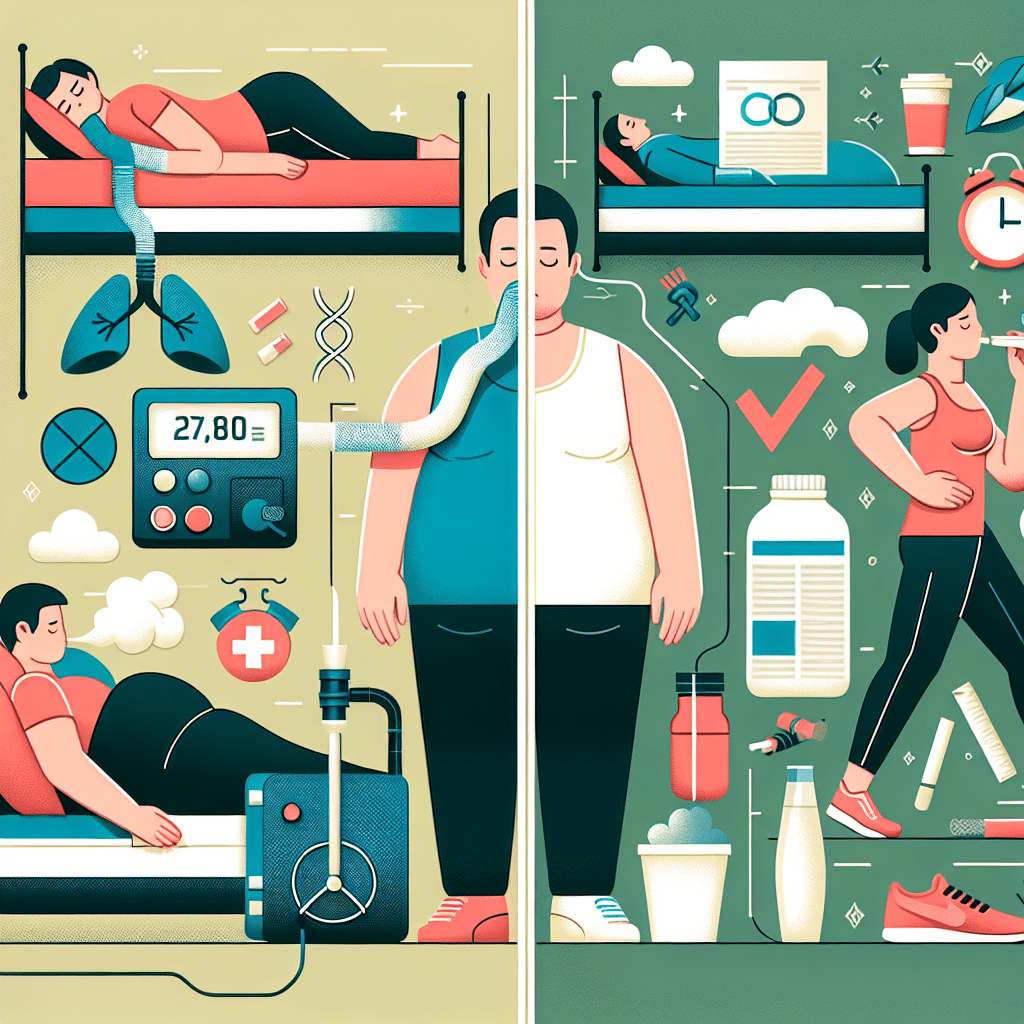
Sleep apnea is a common and serious sleep disorder wherein breathing repeatedly stops and starts, leading to disrupted sleep and reduced oxygen levels in the body. There are three primary types: Obstructive Sleep Apnea (OSA), Central Sleep Apnea (CSA), and Complex Sleep Apnea Syndrome. OSA is the most prevalent form, characterized by the relaxation of throat muscles, which blocks airflow.

Natural Solutions for Sleep Apnea Relief

1. Weight Management

Excess weight, particularly around the neck, can contribute significantly to obstructive sleep apnea. Studies indicate that weight loss can reduce the severity of OSA. Adopting a balanced diet rich in whole foods, such as fruits, vegetables, and lean proteins, coupled with regular physical activity, can help manage body weight effectively.

Effective strategies include:
  • Portion Control: Monitoring portion sizes can prevent overeating.
  • Healthy Snacking: Replace high-calorie snacks with nutritious options like nuts or yogurt.
  • Regular Exercise: Aim for at least 150 minutes of moderate aerobic activity each week.

2. Positional Therapy

Sleeping positions significantly affect sleep apnea symptoms. Many individuals with OSA experience worsened symptoms when sleeping on their backs. Positional therapy involves training the body to sleep on its side.

Techniques to consider:
  • Side Sleeping: Use a specialized pillow that encourages side sleeping.
  • Tennis Ball Method: Sew a tennis ball into the back of a shirt to deter back sleeping.

3. Herbal Remedies

Several herbs may offer relief for sleep apnea symptoms. These herbs can help manage inflammation, promote relaxation, and support better sleep.

Recommended herbs:
  • Valerian Root: Known for its calming effects, valerian root can help improve sleep quality.
  • Passionflower: This herb has sedative properties that may alleviate anxiety, promoting better sleep.
  • Lavender: Used in aromatherapy, lavender promotes relaxation and may enhance sleep quality.

4. Essential Oils

Aromatherapy with essential oils can be a helpful adjunct to traditional sleep apnea treatments. Certain oils possess relaxing qualities that can help reduce stress and promote better sleep.

Oils to consider:
  • Lavender: Helps reduce anxiety and improve overall sleep quality.
  • Chamomile: Known for its soothing effects, chamomile can help induce sleep.
  • Cedarwood: May assist in breathing by reducing airway inflammation.

5. Breathing Exercises

Practicing specific breathing exercises can strengthen the muscles in the throat, potentially reducing the severity of sleep apnea.

Effective practices:
  • Diaphragmatic Breathing: Focus on deep breathing using the diaphragm. Inhale through your nose, allowing your abdomen to expand, and exhale slowly.
  • Buteyko Method: This technique encourages nasal breathing, which may help in managing sleep apnea symptoms.

6. Mouthpieces and Oral Appliances

Custom dental devices can help keep the airway open during sleep. These appliances reposition the jaw and tongue, lessening obstruction.

Types of devices:
  • Mandibular Advancement Devices (MADs): Gradually reposition the lower jaw forward, opening the airway.
  • Tongue Retaining Devices (TRDs): Keep the tongue in place to prevent blockage.

7. Dietary Modifications

Certain dietary choices can impact sleep apnea severity. Limiting specific food groups may alleviate symptoms.

Consider these modifications:
  • Limit Alcohol: Alcohol relaxes throat muscles and can exacerbate sleep apnea.
  • Reduce Caffeine: Avoid caffeine, especially in the hours leading up to bedtime, to enhance sleep quality.
  • Avoid Heavy Meals Before Bed: Large, heavy meals can disrupt sleep and increase apnea occurrences.

8. Optimal Sleep Environment

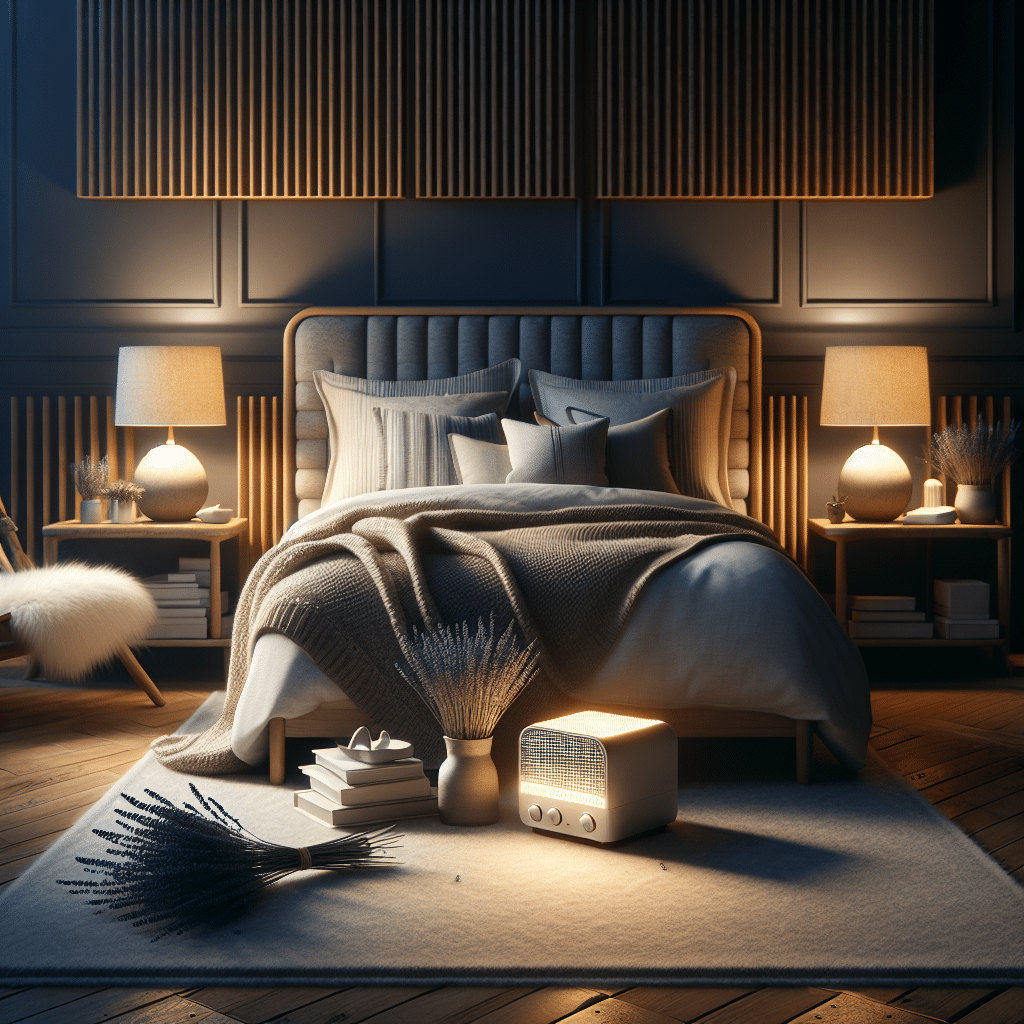
Creating a comfortable sleep environment plays a crucial role in managing sleep apnea. Focus on factors that contribute to a conducive sleeping atmosphere.

Key considerations:
  • Mattress Quality: Invest in a supportive mattress that suits your sleeping style.
  • Room Temperature: Maintain a cool room temperature for optimal sleep conditions.
  • Light and Noise: Block out light and noise with blackout curtains and white noise machines.

9. Stress Management Techniques

Stress and anxiety can worsen sleep apnea symptoms. Employing various relaxation techniques can alleviate tension and foster better sleep.

Techniques to incorporate:
  • Yoga and Meditation: Both practices enhance relaxation and improve sleep quality.
  • Progressive Muscle Relaxation: Methodically tense and relax each muscle group to reduce stress before bedtime.

10. Regular Sleep Routine

Establishing a regular sleep schedule can support improved sleep hygiene. Consistency helps regulate the body’s internal clock.

Routines to adopt:
  • Set a Sleep Schedule: Go to bed and wake up at the same time daily.
  • Pre-Sleep Ritual: Engage in calming activities, such as reading or taking a warm bath, to signal your body it’s time to wind down.

11. Limit Use of Electronics Before Bed

The blue light emitted by screens can disrupt melatonin production, affecting sleep quality. Aim to reduce screen time in the hours leading up to bed.

Strategies include:
  • Establish a Digital Curfew: Set a time each evening to turn off electronic devices.
  • Use Blue Light Filters: If screen use is necessary, employ blue light filter applications or glasses.

12. Hydration

Staying well-hydrated is essential for overall health, yet too much fluid intake before bed may cause nighttime trips to the bathroom, disrupting sleep.

Hydration tips:
  • Monitor Fluid Intake: Drink adequately throughout the day but limit fluids in the hour before sleep.
  • Choose Hydrating Foods: Consume fruits and vegetables with high water content to help hydration without excess fluid before bedtime.

13. Consult a Professional

While natural solutions can be beneficial, consulting with healthcare professionals is crucial, particularly for severe cases of sleep apnea. They can guide the best combination of treatments suited to individual needs.

Professional evaluations may include:
  • Sleep Studies: Conducting a polysomnography study can determine the severity of sleep apnea and inform treatment options.
  • Customized Treatment Plans: Healthcare providers can offer tailored recommendations based on individual circumstances and health status.

14. Regular Check-ups

Regular medical check-ups enable proactive management of sleep apnea. Routine evaluations help track progress and adjust treatment plans accordingly.

Monitoring may involve:
  • Follow-up Evaluations: Regular assessments to monitor sleep patterns and apnea severity.
  • Adjustments in Therapy: Tweaking lifestyle interventions or treatments as needed for optimal outcomes.

By adopting various natural solutions and maintaining open communication with professionals, individuals suffering from sleep apnea can enhance their overall quality of life and achieve restful sleep.

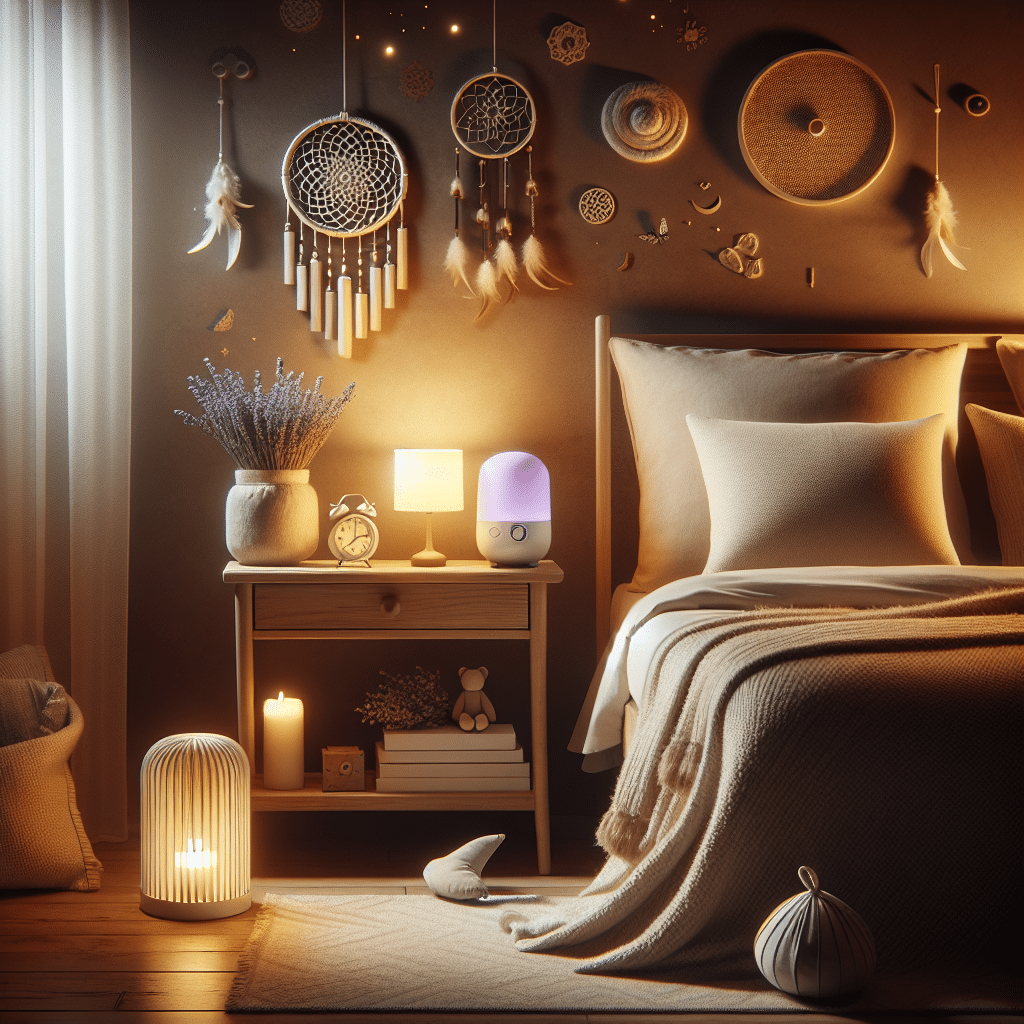
top noise machines to enhance deep sleep

top noise machines to enhance deep sleep

Top Noise Machines to Enhance Deep Sleep

1. LectroFan Classic

The LectroFan Classic is a favorite among sleep enthusiasts for its versatility. With ten fan sounds and ten white noise variations, it allows users to customize their sleep environment. It also features a compact size, making it perfect for travel. The sound quality is superb, providing a consistent noise that masks disruptive sounds effectively. Users appreciate the adjustable volume control, which helps in fine-tuning the experience to personal preference.

2. Marpac Dohm Classic

The Marpac Dohm Classic is an iconic white noise machine renowned for its natural sound. Utilizing a fan-based mechanism, it creates a real-world noise that many find comforting. The machine is equipped with two-speed options that allow users to adjust the tone and volume. With a simple design and durable construction, the Dohm Classic is ideal for those who prefer natural sounds over electronic alternatives.

3. Hatch Restore

The Hatch Restore is more than just a noise machine; it’s a complete sleep solution. Combining soothing sounds with a smart alarm clock and a sleep trainer, it offers a unique experience. It can be controlled via a mobile app, allowing users to customize their bedtime routine with a mix of white noise, nature sounds, and gentle light settings. Users appreciate the integration with smart home devices and the ability to program personalized sleep settings.

4. Sound+Sleep SE

The Sound+Sleep SE enhances sleep with its Adaptive Sound Technology, which adjusts the sound based on ambient noise levels. This feature ensures that disruptive sounds are masked effectively, promoting deeper sleep. With 30 different sound profiles, including natural sounds, white noise, and ambient tones, users can easily find the perfect sound for their needs. The volume and tone controls enable a tailored experience, and the Sleep timer function allows users to set how long the machine will operate.

5. Big Red Rooster White Noise Machine

Ideal for both adults and children, the Big Red Rooster offers a range of white noise sounds, along with nature sounds like ocean waves and rain. It features a night light and a timer that can be set for 15, 30, or 60 minutes. Its portable design is ideal for travel, and many users rave about its ease of use. The Big Red Rooster has become a household staple for families looking to improve sleep for both parents and children.

6. Adaptive Sound Technologies Sound+Sleep Mini

For those who need a compact noise machine, the Adaptive Sound Technologies Sound+Sleep Mini is a fantastic option. This machine is designed for travel, with a lightweight and portable design. It boasts 12 sound settings that cover a wide range of preferences, from gentle streams to vibrant white noise. The sound quality is crystal clear, ensuring that the noise effectively masks disruptions. It even features a ‘smart’ mode, adjusting the sound based on ambient noise levels in the room.

7. Yogasleep Rohm

The Yogasleep Rohm is a portable white noise machine that is perfect for sleep on the go. It features three different sound settings: bright white noise, deep white noise, and gentle surf, catering to individual preferences. The rechargeable battery lasts up to 12 hours, making it an excellent travel companion. Users appreciate its compact design and the quality of the sounds, which help in creating a calming sleep atmosphere anywhere.

8. Sleep Easy Sound Machine

The Sleep Easy Sound Machine is an economical choice that does not compromise on quality. With a simple rotary control for volume and sound selection, it provides easy operation. The machine offers a range of sounds, including white noise, brown noise, and ocean waves. Users find the Sleep Easy Sound Machine particularly useful for blocking out distractions, and its affordable price point makes it an accessible choice for many.

9. AVANTEK White Noise Sound Machine

The AVANTEK White Noise Sound Machine offers exceptional functionality with its soothing sounds and multiple volume levels. It features a built-in timer for up to 7 hours, which can conserve energy and ensure that the machine only operates as long as needed. The machine has a user-friendly interface and ten different sound options, including fan sounds and gentle rain, which cater to various sleep preferences.

10. Douni Sleep Sound Machine

The Douni Sleep Sound Machine is known for its impressive sound quality and variety of sounds. With 24 different sound options, including white, pink, and brown noise, users have ample choices to find their perfect sleep environment. The Douni is also equipped with a timer and adjustable volume settings, making it user-friendly. Many users appreciate its elegant design, which fits seamlessly into any bedroom decor.

Benefits of Noise Machines for Sleep Quality

Using noise machines can significantly enhance sleep quality, especially for those who live in noisy environments. These devices work by creating a consistent auditory backdrop that masks background sounds. This can be particularly beneficial for light sleepers or individuals who are easily awakened by sudden noises. The calming sounds from noise machines can also lower stress and anxiety levels, making it easier to transition into a restful sleep state.

Selecting the Right Noise Machine

When choosing a noise machine, consider the following factors:

  • Sound Variety: Look for machines that offer multiple sound options to find what works best for you. Some people may prefer white noise, while others may enjoy nature sounds or calming melodies.
  • Volume Control: Adjustable volume is crucial to personalize your experience. Being able to increase or decrease sound levels can help in finding the ideal balance that suits your preferences.
  • Portability: If you travel frequently, opt for a lightweight and compact machine that easily fits in a suitcase.
  • Timer Settings: Machines with timer settings allow you to program how long you want the sound to continue, conserving energy and ensuring the machine isn’t running throughout the night unnecessarily.

Where to Purchase Noise Machines

Fashion your sleep sanctuary by investing in a quality noise machine, which can be found in retail stores, home appliance outlets, and various online platforms like Amazon. Reading customer reviews can also offer additional insights into product performance and suitability for your needs.

In conclusion, the right noise machine can transform your sleep experience, catering to specific preferences while effectively creating a serene environment conducive to deep, restorative sleep.

tips to improve sleep quality at home

tips to improve sleep quality at home

Tips to Improve Sleep Quality at Home

1. Optimize Your Sleep Environment

a. Invest in a Good Mattress and Pillows: Ensure your mattress provides adequate support and comfort. Consider factors like firmness and material that align with your sleeping style. The right pillows should support your head and neck appropriately.

b. Control Room Temperature: Ideal sleeping temperatures range from 60°F to 67°F (15°C to 19°C). If you feel too hot or too cold, it can affect your sleep quality. Use fans, air conditioning, or heaters as necessary.

c. Light Control: Darkness signals your body to sleep. Use blackout curtains or an eye mask to block out light. Dimmers can help adjust brightness to create a soothing atmosphere.

d. Sound Management: Consider using white noise machines or earplugs to drown out disruptive noises. Natural sounds can also induce relaxation.

2. Establish a Bedtime Routine

a. Consistent Sleep Schedule: Going to bed and waking up at the same time every day regulates your body’s internal clock, improving sleep quality.

b. Pre-Sleep Activities: Engage in calming activities before bed, such as reading, gentle stretches, or meditation, to signal your body that it’s time to wind down.

c. Limit Screen Time: Reduce exposure to screens from phones, tablets, and TVs at least an hour before bedtime. The blue light emitted can interfere with melatonin production.

3. Mind Your Diet

a. Avoid Heavy Meals Before Bed: Eating large meals can lead to discomfort and disrupt sleep. Try to finish eating at least 2-3 hours before bedtime.

b. Limit Caffeine and Nicotine: These stimulants can significantly impact sleep quality. Limit intake in the afternoon and evening.

c. Alcohol Moderation: While alcohol may help you fall asleep initially, it can disrupt your sleep cycle later. Limit consumption, especially close to bedtime.

d. Consider Sleep-Inducing Foods: Incorporate foods that promote sleep, like almonds, cherries, bananas, and oatmeal, which can help relax muscles and induce drowsiness.

4. Physical Activity

a. Daily Exercise: Regular exercise helps improve sleep quality and reduce insomnia. Aim for at least 30 minutes of moderate exercise most days of the week.

b. Avoid Intense Workouts Before Bed: While exercise is beneficial, intense workouts close to bedtime can energize you. Aim to finish vigorous workouts at least 3 hours before sleep.

5. Manage Stress and Anxiety

a. Practice Mindfulness or Meditation: Take time to meditate or practice mindfulness techniques to reduce anxiety and foster relaxation. Apps like Headspace or Calm can guide you.

b. Journaling: Write down your thoughts, concerns, and to-do lists in a journal to help clear your mind before sleep.

c. Seek Professional Help: If stress and anxiety significantly impact your sleep, consider speaking to a mental health professional for tailored strategies.

6. Limit Naps

a. Short Power Naps: If you must nap, limit it to 20-30 minutes and avoid doing so late in the day to prevent interference with nighttime sleep.

b. Timing is Key: Nap earlier in the afternoon (before 3 p.m.) to minimize disruption to your nighttime sleep cycle.

7. Reduce Fluid Intake Before Bed

a. Manage Hydration: While staying hydrated is essential, reduce fluid intake one to two hours before bed to minimize trips to the restroom during the night.

b. Avoid Diuretics: Limit beverages with diuretic properties, such as caffeine and alcohol, in the hours leading up to bedtime.

8. Leverage Aromatherapy

a. Use Essential Oils: Scents like lavender, chamomile, and cedarwood may promote relaxation and improve sleep quality. Consider using an essential oil diffuser in your bedroom.

b. Sleep Sprays: Look for calming pillow sprays or linen mists that harness the soothing properties of essential oils.

9. Limit Bed Activities

a. Reserve Your Bed for Sleep: To strengthen the association between your bed and sleep, limit activities like watching TV, working, or eating in bed.

b. Engaging in Sex: While intimacy can be a great way to relieve stress and promote bonding, ensure it’s a natural part of your life without creating a dependency.

10. Natural Supplements and Herbs

a. Melatonin Supplements: Short-term use of melatonin may help regulate sleep cycles, especially for shift workers or those traveling through time zones. Consult a healthcare provider for guidance on dosages.

b. Consider Herbal Remedies: Valerian root, chamomile, and passionflower are known for their sedative effects. Always check with a healthcare professional before starting new supplements.

11. Practice Good Sleep Hygiene

a. Keep a Sleep Diary: Track your sleep patterns and habits. Noticing trends can help you identify issues affecting sleep quality.

b. Educate Yourself on Sleep Needs: Understand that individual sleep needs vary by age, lifestyle, and health. Aim for the recommended 7-9 hours for adults.

c. Stay Away From Stimulants Late in the Day: Be mindful of energy drinks, coffee, and other stimulants that may linger in your system longer than anticipated.

12. Create a Relaxing Bedroom Aesthetic

a. Use Calming Colors: Soft blues, greens, or neutrals create a serene environment conducive to sleep.

b. Decor with Purpose: Choose minimalistic or calming decorations that do not hinder relaxation. Declutter your space to enhance tranquility.

13. Limit Exposure to Noise and Light

a. Consider Soundproofing: If noises are unavoidable, consider soundproofing techniques for windows or walls to minimize disturbances.

b. Dim Lights in the Evening: Create a relaxing ambiance with soft lighting in the evening to signal to your body that it’s time to wind down.

14. Avoid Using Sleeping Pills

a. Be Cautious with Sedatives: While they may provide immediate relief, sleeping pills can lead to dependency and side effects. Explore non-pharmacological approaches first.

b. Discuss with Your Doctor: If sleep problems persist, consult a healthcare professional before considering medication options for a comprehensive evaluation.

15. Consult a Sleep Specialist

a. Understand Sleep Disorders: If you experience ongoing issues, such as insomnia or sleep apnea, seeing a sleep specialist can provide targeted treatments.

By following these tips, you can create an environment and lifestyle that promotes quality sleep. Focus on consistency and patience; sleep improvement takes time but is achievable with dedicated effort.

restless leg syndrome sleep problems

restless leg syndrome sleep problems

Understanding Restless Leg Syndrome and Its Impact on Sleep

What is Restless Leg Syndrome (RLS)?

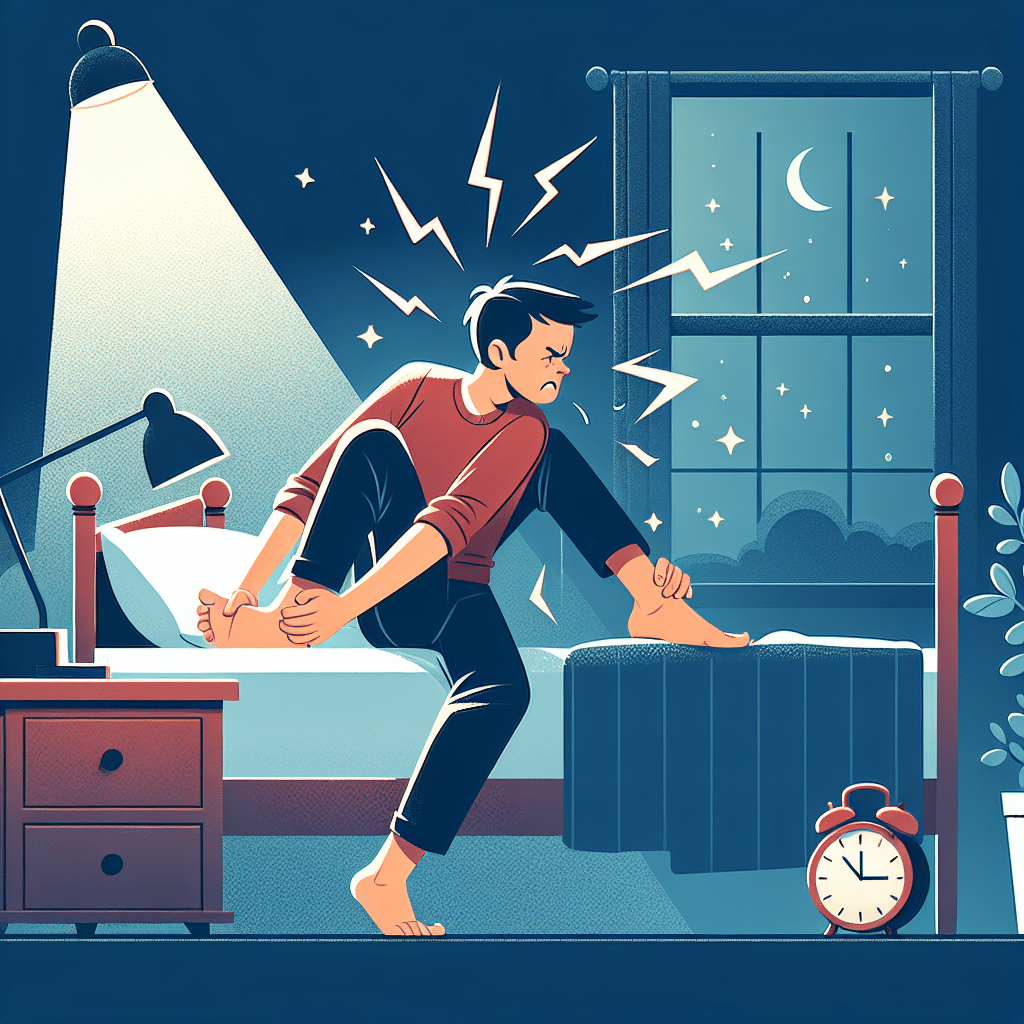
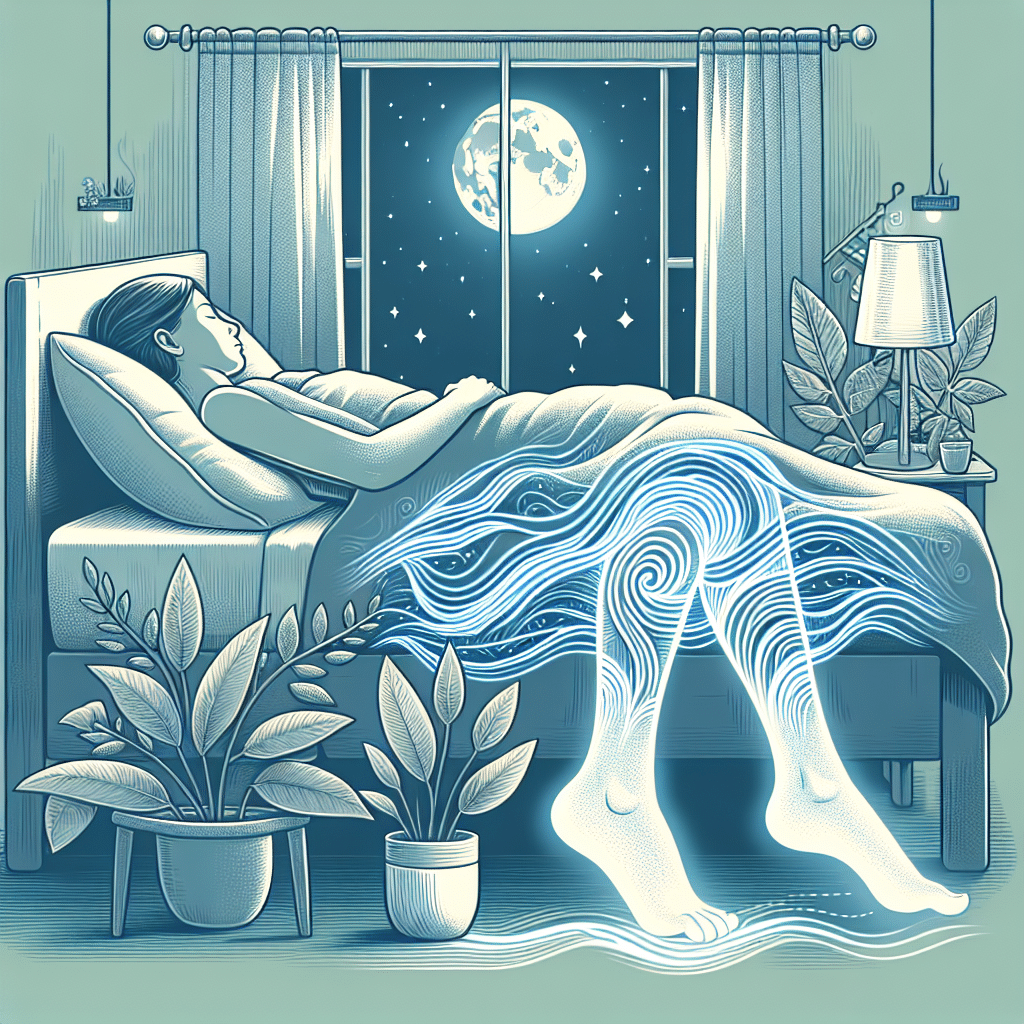
Restless Leg Syndrome (RLS), also known as Willis-Ekbom disease, is a neurological condition characterized by an uncontrollable urge to move one’s legs. This urge often occurs during periods of inactivity or while lying down, particularly at night. RLS can significantly disrupt sleep patterns, leading to insomnia and other related sleep disorders.

Symptoms of RLS

The primary symptoms of Restless Leg Syndrome include:

  • Urge to Move: An overwhelming need to move the legs, often accompanied by uncomfortable sensations, such as tingling, prickling, or aching.
  • Worsening Symptoms in the Evening: Symptoms tend to magnify during the evening and at night, making it challenging to relax.
  • Relief with Movement: Symptoms can temporarily improve with movement, such as walking, stretching, or shifting positions.
  • Sleep Disruption: Severely affected individuals may find it impossible to fall asleep or stay asleep due to persistent discomfort.

Causes and Risk Factors

The exact cause of RLS is not fully understood, but several factors may contribute to its development:

  • Genetics: A family history of RLS is common, suggesting a potential genetic predisposition.
  • Iron Deficiency: Low levels of iron in the brain have been linked to RLS. Individuals with anemia may experience heightened symptoms.
  • Chronic Diseases: Conditions such as Parkinson’s disease, diabetes, and kidney failure are associated with RLS.
  • Medications: Certain medications, including antidepressants and antihistamines, may exacerbate symptoms.
  • Lifestyle Factors: Increased caffeine intake, alcohol consumption, and sedentary lifestyle can also stimulate RLS symptoms.

The Link Between RLS and Sleep Disorders

Restless Leg Syndrome causes significant sleep disturbances, leading to a cycle of insomnia and daytime fatigue. Those with RLS may experience:

  • Delayed Sleep Onset: The discomfort associated with RLS often makes it difficult to fall asleep.
  • Frequent Awakenings: Many individuals report waking up multiple times throughout the night due to leg discomfort, resulting in fragmented sleep.
  • Reduced Sleep Quality: Even if individuals manage to fall asleep, the quality of sleep is often poor, leading to unrefreshing sleep.

The interplay between RLS and other sleep disorders, such as periodic limb movement disorder (PLMD), can further complicate sleep issues.

Diagnosing Restless Leg Syndrome

Healthcare professionals typically diagnose RLS based on the following criteria:

  • Patient History: A comprehensive discussion of symptoms, including their severity and frequency.
  • Physical Examination: Evaluating for other underlying conditions that could contribute to symptoms.
  • Sleep Studies: Polysomnography may be employed to assess sleep patterns and rule out other sleep disorders.

Treatment Options for RLS

While there is no cure for Restless Leg Syndrome, various treatment options can help manage symptoms:

  1. Lifestyle Modifications:

    • Regular Exercise: Moderate physical activity can alleviate symptoms.
    • Sleep Hygiene: Developing a consistent sleep routine, such as maintaining a regular bedtime and creating a comfortable sleep environment, can improve sleep quality.
    • Avoid Triggers: Reducing or eliminating caffeine, nicotine, and alcohol may decrease RLS symptoms.
  2. Dietary Changes:

    • Iron-Rich Foods: Consuming foods high in iron, such as red meat, beans, and dark leafy greens, can help if iron deficiency is a contributing factor.
    • Magnesium and Folate: Supplements containing magnesium or folate have been known to alleviate symptoms for some individuals.
  3. Medications:

    • Dopaminergic Agents: Medications like pramipexole and ropinirole are commonly prescribed to help manage RLS symptoms by targeting the dopamine pathways in the brain.
    • Anti-Seizure Medications: Gabapentin and pregabalin have shown effectiveness in reducing symptoms for patients with RLS.
    • Opioids: In more severe cases, low doses of opioids may be recommended for symptom relief.
  4. Alternative Therapies:

    • Cognitive Behavioral Therapy (CBT): Therapy focusing on changing unhelpful thoughts and behaviors surrounding sleep can benefit individuals struggling with RLS and insomnia.
    • Acupuncture: Some studies suggest acupuncture may provide relief for those with RLS symptoms.

Tips for Improving Sleep with RLS

To enhance sleep quality for those afflicted with Restless Leg Syndrome, consider the following strategies:

  • Establish a Relaxation Routine: Engage in calming activities before bed, such as reading or practicing mindfulness meditation.
  • Warm Baths and Massage: Soaking in a warm bath or receiving a leg massage can alleviate RLS symptoms and promote relaxation.
  • Elevate the Legs: Using pillows to elevate the legs may offer relief during sleep.

Emotional and Psychological Impact

Living with Restless Leg Syndrome can lead to emotional distress, anxiety, and even depression due to disrupted sleep and chronic discomfort. Acknowledging these feelings and seeking support, whether through counseling or support groups, may help individuals cope with the psychological effects of RLS.

Final Note

Restless Leg Syndrome significantly affects sleep quality and overall well-being. Understanding the condition, its symptoms, and potential management strategies is crucial for those struggling with RLS. By employing a combination of lifestyle modifications, dietary changes, and appropriate treatments, individuals can find ways to manage their symptoms and improve their sleep quality.

effective remedies for restless leg syndrome

effective remedies for restless leg syndrome

Understanding Restless Leg Syndrome (RLS)

Restless Leg Syndrome (RLS) is a neurological disorder characterized by an uncontrollable urge to move one’s legs, usually triggered by uncomfortable sensations. These sensations often manifest as tingling, crawling, or aching feelings in the legs, predominantly experienced in the evening or nighttime. The condition can lead to disrupted sleep and significant discomfort.

Lifestyle Changes

  1. Regular Exercise
    Engaging in moderate, regular exercise, such as walking, swimming, or cycling, can significantly alleviate RLS symptoms. Aim for 30 minutes of physical activity most days of the week. However, avoid strenuous exercise in the evening as it may exacerbate symptoms.

  2. Sleep Hygiene
    Maintaining a consistent sleep schedule is crucial for overcoming RLS. Create a calming bedtime routine, ensuring your sleeping environment is conducive to rest. Minimize noise, control ambient lighting, and consider using a white noise machine if necessary.

  3. Dietary Adjustments
    A balanced diet can influence RLS symptoms. Incorporate foods rich in iron, folate, and magnesium, which are believed to play a role in reducing RLS severity. Green leafy vegetables, nuts, seeds, and whole grains are excellent choices. Conversely, reduce caffeine and alcohol intake, as they can exacerbate symptoms.

  4. Stay Hydrated
    Dehydration can worsen sensations associated with RLS. Drink adequate water throughout the day, but reduce fluid intake before bedtime to minimize nocturnal disruptions.

Natural Remedies

  1. Warm Baths
    Taking a warm bath before bedtime can help relax muscles and soothe RLS symptoms. Adding Epsom salts may provide additional relief, as magnesium is known for its muscle-relaxing properties.

  2. Massage Therapy
    Regular leg massages can help reduce discomfort linked to RLS. Consider self-massage or schedule a professional therapy session to provide relief and improve circulation in the legs.

  3. Essential Oils
    Aromatherapy with essential oils such as lavender, chamomile, or marjoram can help calm the nervous system. Dilute a few drops of essential oil with a carrier oil and massage it onto your legs or use it in a diffuser before sleep.

  4. Acupuncture
    This traditional Chinese medicine technique has shown promise in alleviating RLS symptoms for some individuals. By stimulating specific points in the body, acupuncture may help restore balance and reduce discomfort.

Supplements

  1. Iron Supplements
    Low iron levels can exacerbate RLS symptoms. Consult with your healthcare provider to check ferritin levels before considering iron supplementation. If low, you may benefit from ferrous sulfate or other iron forms, but always follow medical guidance regarding dosage.

  2. Magnesium
    Magnesium supplements can help reduce muscle spasms. Opt for magnesium citrate or glycinate for better absorption. Dosage should be approached with caution; consult your healthcare provider for personalized recommendations.

  3. Folate
    Low folate levels can intensify RLS symptoms. Include folate-rich foods in your diet and consider supplementation if necessary. Foods such as lentils, chickpeas, and fortified cereals can help maintain adequate levels.

  4. Vitamin D
    Adequate vitamin D levels are essential for overall nerve health. Sun exposure can enhance vitamin D levels, but supplementation may be necessary, especially in areas with limited sunlight. Blood tests can guide appropriate dosing.

Medical Treatments

  1. Dopaminergic Agents
    Medications such as pramipexole and ropinirole that stimulate dopamine receptors can be highly effective. They are typically the first-line treatment options for moderate to severe RLS. Always consult a healthcare provider for personalized dosage adjustments and monitoring.

  2. Gabapentin
    Gabapentin and pregabalin are anticonvulsants that can help alleviate RLS symptoms, especially those associated with discomfort rather than movement urges. They help calm nerve sensations and are useful alternatives, particularly for individuals sensitive to dopamine medications.

  3. Opioids
    In severe cases resistant to other therapies, low doses of opioids may be prescribed. While effective, this treatment comes with a higher risk of addiction and other side effects, so it is typically a last resort.

  4. Clonazepam
    This benzodiazepine is useful for severe cases or where anxiety is a contributing factor. It helps relax the muscles and may improve sleep quality, despite potential dependency issues.

Home Remedies

  1. Compression Socks
    Wearing compression stockings can improve circulation and reduce the urge to move your legs. They offer graduated compression and can also enhance overall leg comfort.

  2. Cold Packs
    Applying cold packs to your legs can provide temporary relief from unpleasant sensations. Cold therapy numbs the area and reduces inflammation. Use a cold compress for 15-20 minutes before bedtime for maximum effect.

  3. Leg Elevation
    Elevating your legs using pillows while sleeping or resting can alleviate symptoms. This position may reduce discomfort and improve blood circulation.

  4. Routine Stretching Exercises
    Gentle stretching exercises specifically targeting the calves and thighs help relieve muscle tension. Incorporate stretches into your evening routine for optimal results.

Mind-Body Techniques

  1. Cognitive Behavioral Therapy (CBT)
    CBT can help individuals reframe negative thoughts associated with RLS and develop coping strategies. Psychological interventions can alleviate anxiety and stress, which may worsen symptoms.

  2. Meditation and Mindfulness
    Regular practice of meditation and mindfulness can increase awareness of body sensations and improve sleep quality. Techniques such as deep breathing, visualization, or guided imagery may help combat RLS symptoms.

  3. Yoga
    Engaging in yoga helps combine physical movement with mental relaxation, promoting better sleep and reducing muscle tension. Focus on poses that stretch and relax the legs, such as the Forward Bend and Legs-Up-the-Wall poses.

  4. Tai Chi
    This ancient Chinese practice promotes slow, deliberate movements and can enhance flexibility and relaxation, potentially reducing RLS symptoms.

Conclusion

Effectively managing Restless Leg Syndrome involves a holistic approach, combining lifestyle changes, natural remedies, dietary adjustments, and, when necessary, medical interventions. Individuals seeking relief should consider consulting healthcare providers for personalized recommendations and explore alternative therapies that could enhance their overall well-being.

wearable sleep monitors compared: which is best for you

wearable sleep monitors compared: which is best for you

Understanding Wearable Sleep Monitors

Wearable sleep monitors are devices designed to track and analyze sleep patterns, helping users to understand their sleep quality better. These devices employ a variety of sensors to gather data on sleep stages, heart rate, and even movement throughout the night. The increasing demand for wellness technology has led to an array of options in the market, making it crucial to find the one that best suits your personal needs.

Key Features to Look For

When considering wearable sleep monitors, look for the following features:

  • Accuracy: It is essential that the device integrates reliable algorithms to monitor sleep stages accurately, including light, deep, and REM sleep.

  • Comfort: Since these wearables are designed to be worn during sleep, comfort is paramount. Choose a device made from breathable materials and with an adjustable fit.

  • Battery Life: Lengthy battery life stands out as a critical factor in usability, especially for those who prefer not to charge their device frequently.

  • Integration: The ability to sync with other health apps or devices adds value to the wearable by providing a comprehensive view of your health metrics.

  • Price Point: Wearables come with various price tags. Be sure to assess whether the price aligns with the features and benefits offered.

Popular Wearable Sleep Monitors

1. Fitbit Charge 5

The Fitbit Charge 5 is one of the most well-known fitness trackers, equipped with advanced sleep monitoring capabilities. It tracks different sleep stages using a combination of heart rate variability and motion detection.

Pros:

  • Excellent at tracking steps and workouts alongside sleep.
  • Provides a daily readiness score based on sleep and activity levels.
  • User-friendly app experience.

Cons:

  • Premium pricing in comparison to some competitors.
  • Limited to basic sleep information in free version.

2. Oura Ring

The Oura Ring is unique, offering a sleek, unobtrusive design that fits on your finger. It focuses on providing accurate sleep metrics such as total sleep time, sleep quality, and readiness score.

Pros:

  • Accurate tracking of sleep stages and heart rate.
  • Discreet and lightweight; can be worn 24/7.
  • Long battery life (up to a week).

Cons:

  • Higher initial cost compared to wrist wearables.
  • Limited features without the subscription model.

3. Garmin Vivosmart 5

Garmin is renowned for its fitness-focused products. The Vivosmart 5 features advanced sleep tracking, stress monitoring, and pulse oximetry, enhancing overall wellness insights.

Pros:

  • Comprehensive tracking of sleep and heart health.
  • Simple interface with a robust companion app.
  • Affordable in comparison to other premium options.

Cons:

  • Battery life is decent but not as impressive as competitors.
  • Limited third-party app integrations.

Specialized Scenarios

For Athletes: Polar Vantage V2

Athletes often require precision in their sleep metrics to optimize performance. The Polar Vantage V2 delivers comprehensive sleep tracking, accompanied by recovery insights.

Pros:

  • Tailored insights for athletes, including recovery metrics.
  • Accurate heart rate measurement throughout sleep.
  • Long-lasting battery life.

Cons:

  • Higher price point may deter casual users.
  • The app may be overwhelming for casual users due to its extensive data.

For Budget-Conscious Users: Xiaomi Mi Band 6

The Xiaomi Mi Band 6 offers exceptional tracking abilities at an affordable price. It provides a simple approach to sleep monitoring without compromising on essential metrics.

Pros:

  • Inexpensive yet effective sleep tracking.
  • Lightweight and comfortable for overnight wear.
  • Good battery life (up to 14 days).

Cons:

  • Limited insights and features in comparison to higher-end models.
  • App can be less sophisticated than competitors.

Advanced Technology Wearables

Whoop Strap 3.0

For tech enthusiasts, the Whoop Strap 3.0 is a subscription-based wearable offering detailed health insights. This device emphasizes sleep, recovery, and strain.

Pros:

  • Provides personalized coaching based on sleep and recovery.
  • Comprehensive analysis of sleep quality and efficiency.
  • No upfront cost; subscription model only.

Cons:

  • Monthly subscription fees could be a downside for budget users.
  • May demand more data input than some users are comfortable with.

Final Thoughts on Choosing the Right Device

Your choice of wearable sleep monitors should depend on your lifestyle, budget, and specific needs. For individuals seeking general sleep insights, devices like the Fitbit Charge 5 or Garmin Vivosmart 5 are suitable. Alternatively, for those prioritizing fitness, the Polar Vantage V2 or Whoop Strap 3.0 could provide more tailored insights.

Users should also consider the apps affiliated with these devices. An intuitive interface aids in interpreting the data effectively, making it easier to leverage this information for improved sleep.

Ultimately, investing in a quality wearable sleep monitor can pave the way for better sleep hygiene, providing accountability and motivation to improve overall health and well-being.

bedtime routines for deep sleep

bedtime routines for deep sleep

Understanding the Importance of a Bedtime Routine

Creating a bedtime routine is essential for fostering deep sleep. Sleep hygiene practices significantly influence the quality of sleep, and a consistent routine signals your body that it’s time to wind down. Establishing a habitual sequence before bed allows you to relax mentally and physically, paving the way for restorative sleep.

Timing is Everything

Set a Regular Sleep Schedule: A fixed sleep schedule where you go to bed and wake up at the same time, even on weekends, regulates your body’s internal clock, promoting better sleep quality. Aim for 7-9 hours of sleep per night, as recommended by sleep experts.

Wind Down Time: Dedicate at least 30 to 60 minutes before bed for winding down. Gradually decreasing stimulating activities will help your body and mind transition effectively from wakefulness to sleep.

Creating the Ideal Sleep Environment

Optimize Your Bedroom: A comfortable sleep environment enhances sleep quality. Maintain a cool room temperature (around 60-67°F or 15-19°C is ideal), minimize noise with earplugs or white noise machines, and ensure your bedroom is dark with blackout curtains or sleep masks.

Select Comfortable Bedding: Invest in a quality mattress and pillows that cater to your sleep position. Breathable bedding can also enhance comfort and prevent overheating during sleep.

Mindfulness and Relaxation Techniques

Practice Mindfulness Exercises: Engage in mindfulness practices like meditation or deep-breathing exercises. Mindfulness not only calms the mind but also reduces stress and anxiety, both of which can hinder deep sleep.

Incorporate Progressive Muscle Relaxation (PMR): PMR involves tensing and relaxing different muscle groups, which can alleviate physical tension and promote relaxation. Start from your toes and work your way up to your head, progressively releasing tension.

Technology Detox

Limit Screen Time Before Bed: Blue light emitted by screens can interfere with melatonin production, making it harder to fall asleep. Aim to put away all electronic devices at least an hour before bedtime.

Use Blue Light Filters: If you must use devices, employ blue light filter apps or settings to minimize exposure. Consider using blue light blocking glasses if working late.

Engage in Sleep-Inducing Activities

Reading as a Sleep Aid: Engaging in light reading can help divert your mind from daily stressors, making it easier to fall asleep. Pick books that aren’t too stimulating or thought-provoking.

Gentle Yoga and Stretching: Performing light yoga or gentle stretches can ease muscle tension accumulated throughout the day. Poses such as Child’s Pose and Legs-Up-the-Wall can be particularly effective.

Nutritional Considerations

Avoid Heavy Meals Before Bed: Eating large meals or spicy foods close to bedtime can disrupt sleep. Aim to finish dinner at least 2-3 hours before you go to bed.

Mind Your Caffeine and Alcohol Intake: Minimize caffeine and alcohol as both can negatively affect sleep quality. Limit caffeine consumption in the afternoon and reduce alcohol intake, especially close to bedtime.

Consider Sleep-Inducing Foods: Certain foods contain sleep-promoting nutrients. Foods rich in magnesium, like spinach and almonds, or those high in tryptophan, such as turkey and bananas, can help. Herbal teas, such as chamomile, also have calming properties.

Essential Sleep Aids

Aromatherapy with Essential Oils: Scents like lavender, bergamot, and chamomile can promote relaxation and are known to aid sleep. Use a diffuser or apply diluted oils to your pillows.

Supplements for Sleep Enhancement: Natural supplements such as melatonin, valerian root, or magnesium may also assist with sleep onset and quality, but it’s advisable to consult with a healthcare provider prior to trying supplements.

Journaling as a Reflection Tool

Keep a Sleep Journal: Documenting your sleep patterns can help identify trends and triggers affecting your sleep quality. Record what you eat, your activities before bed, and your mood upon waking.

Gratitude Journaling: End your day by noting down things you’re grateful for. This can shift focus away from stress and anxiety, creating a positive mindset for sleep.

Consistency is Key

A well-structured bedtime routine is vital for achieving deep sleep. Consistently performing the same activities in the same order each night reinforces the body’s natural rhythm and encourages relaxation.

Listen to Your Body

Recognize Sleep Signals: If you feel sleepy before your designated bedtime, it may be beneficial to head to bed early. Listening to your body’s rhythms can help optimize your sleep schedule.

Avoid Forced Sleep: If you find yourself lying in bed awake, get up and engage in a quiet activity until you feel sleepy again. This approach prevents your brain from associating your bed with frustration.

Shift Your Mindset Towards Sleep

Emphasizing the quality of sleep over quantity is essential. View sleep as an integral, restorative process rather than a chore. Cultivating a positive relationship with sleep promotes better overall health and well-being.

Final Thoughts on Enhancing Sleep Hygiene

Incorporating a well-rounded bedtime routine that combines environmental adjustments, mindful practices, and healthy habits can significantly improve sleep quality. By prioritizing deep sleep, you can boost mood, enhance cognitive performance, and support overall health. Establish your personalized winding down routine and enjoy the rejuvenating power of a good night’s sleep.

sleep apnea causes and remedies

sleep apnea causes and remedies

Understanding Sleep Apnea: Causes and Remedies

What Is Sleep Apnea?

Sleep apnea is a common sleep disorder characterized by repeated interruptions in breathing during sleep. These pauses can last from seconds to minutes and may occur multiple times throughout the night. The most common type is obstructive sleep apnea (OSA), which occurs when the throat muscles relax excessively, blocking the airway. Complex sleep apnea syndrome, or treatment-emergent central sleep apnea, is a mix of OSA and central sleep apnea.

Causes of Sleep Apnea

  1. Obesity

    • One of the primary risk factors for OSA is obesity. Excess weight, particularly around the neck, can restrict airflow by exerting pressure on the airway during sleep. A study by the American Academy of Sleep Medicine indicates a clear correlation between body mass index (BMI) and OSA severity.
  2. Anatomical Factors

    • Structural abnormalities in the airway, such as enlarged tonsils, a thick neck, or a recessed chin, increase the likelihood of airway obstruction. Furthermore, deviated septum or nasal polyps may exacerbate breathing difficulties.
  3. Age

    • The prevalence of sleep apnea rises with age. As individuals grow older, muscle tone decreases, making the airway more prone to collapse during sleep. Additionally, older adults may have other comorbid conditions that contribute to sleep apnea.
  4. Gender

    • Men are more likely to develop sleep apnea than women, partly due to anatomical differences in upper airway structures. However, the risk for women increases post-menopause as hormone levels change.
  5. Family History

    • Genetics may play a role, as those with a family history of sleep apnea are more susceptible to the condition. Researchers note that inheritable traits can lead to physical features predisposed to airway blockage.
  6. Alcohol and Sedatives

    • Consumption of alcohol and sedative medications can relax the throat muscles, increasing the risk of airway obstruction during sleep. Limiting intake, especially before bedtime, can help mitigate symptoms.
  7. Smoking

    • Smokers are at a higher risk for sleep apnea due to increased inflammation and fluid retention in the upper airway. Quitting smoking can improve sleep quality and reduce apnea severity.
  8. Medical Conditions

    • Conditions such as hypothyroidism, hormonal disorders, and certain neurological disorders can increase the risk of sleep apnea. Individuals with heart disease or diabetes are also at an elevated risk due to their broader health issues affecting breathing.

Symptoms of Sleep Apnea

Recognizing the symptoms of sleep apnea is critical for timely diagnosis and treatment. Common symptoms include:

  • Loud snoring
  • Gasping or choking during sleep
  • Excessive daytime sleepiness
  • Difficulty concentrating
  • Morning headaches
  • Mood changes, including irritability

Remedies for Sleep Apnea

  1. Lifestyle Changes

    • Weight Management: Reducing weight can significantly alleviate the severity of sleep apnea. A balanced diet combined with regular exercise can help lower BMI.
    • Sleep Positioning: Sleeping on one’s side rather than the back can help keep the airway open. Adjustable pillows or specialized sleep positions can aid in maintaining this positioning.
  2. Continuous Positive Airway Pressure (CPAP)

    • A CPAP machine delivers a steady stream of air through a mask worn during sleep. This air pressure helps keep the airway open, significantly reducing the frequency of apnea episodes. A doctor can provide guidance on the best CPAP device, including options for comfort and noise levels.
  3. Oral Appliances

    • Oral appliance therapy involves devices that position the jaw forward to keep the airway open. These custom-fit appliances can be effective for mild to moderate sleep apnea and may be preferred by individuals who find CPAP uncomfortable.
  4. Surgical Options

    • In cases where other treatments are ineffective, surgery may be recommended. Procedures can include uvulopalatopharyngoplasty (UPPP), which removes excess tissue from the throat, or maxillomandibular advancement (MMA), which repositions the jaw to enlarge the airway.
  5. Positional Therapy

    • For some individuals, sleep apnea is mainly triggered by sleeping on their back. Devices that encourage side-sleeping, such as specialized vests or wedge pillows, can help alleviate symptoms.
  6. Medication

    • While there are no specific medications for treating sleep apnea, certain drugs can alleviate symptoms associated with the disorder, such as daytime sleepiness. Modafinil, for example, may be prescribed to treat excessive sleepiness.
  7. Therapeutic Interventions

    • Cognitive behavioral therapy (CBT) can help manage insomnia symptoms commonly associated with sleep apnea. Stress reduction techniques and mindfulness practices can also enhance sleep quality.
  8. Regular Sleep Schedule

    • Maintaining a consistent sleep routine, with the same bedtime and wake-up time across the week, can improve overall sleep quality and minimize apneic episodes.

Monitoring and Follow-up

Regular follow-up with healthcare providers is essential for sleep apnea management. Individuals should track their sleep patterns, symptom severity, and treatment effectiveness. Adjustments to therapies may be necessary based on individual progress and any changes in health condition.

Conclusion

By understanding the various causes of sleep apnea and exploring effective remedies, individuals can take proactive steps toward reclaiming their sleep and overall well-being. It’s essential to work closely with healthcare professionals to ensure the chosen method fits personal needs and addresses the underlying causes effectively.

Additional Considerations

  • Support Groups: Connecting with others experiencing sleep apnea can provide emotional support and share practical advice.
  • Educational Resources: Many organizations offer resources to help individuals better understand sleep apnea, its effects, and effective management techniques.
  • Sleep Studies: If obstructive sleep apnea is suspected, a sleep study (polysomnography) may be necessary for diagnosis and to assess the severity of the disorder.

Maintaining open dialogue with healthcare providers and staying informed about evolving treatment options can optimize outcomes for those affected by sleep apnea.

top home remedies for falling asleep faster

top home remedies for falling asleep faster

Top Home Remedies for Falling Asleep Faster

Falling asleep can often feel like an elusive goal, especially with the stress of modern life. Fortunately, plenty of home remedies can help improve your sleep quality and decrease the time it takes to drift off. Below are various effective strategies designed to promote a restful night’s sleep.

1. Establish a Relaxing Bedtime Routine

Creating a consistent pre-sleep routine signals your body that it’s time to unwind. Adopt calming habits such as reading a book, practicing meditation, or drinking herbal tea. Aim to start this routine 30 to 60 minutes before bedtime.

2. Limit Screen Time Before Sleep

The blue light emitted by phones, tablets, and computers can interfere with the production of melatonin, the hormone responsible for regulating sleep. Try to avoid screens at least one hour before bed to help your body prepare for rest.

3. Create a Comfortable Sleep Environment

Your bedroom should be a sanctuary for sleep. Ensure your room is dark, cool, and quiet. Consider blackout curtains to block outside light and earplugs or a white noise machine to minimize disruptive sounds.

4. Use Aromatherapy

Essential oils like lavender, chamomile, and sandalwood are known for their relaxing properties. Diffusing these scents in your bedroom or applying them to your temples can promote a sense of calm and help you fall asleep faster.

5. Try Herbal Teas

Herbal teas such as chamomile, valerian root, and passionflower have natural sedative properties. Drinking a cup of warm herbal tea before bed can help facilitate relaxation and improve sleep quality.

6. Manage Stress with Mindfulness

Practicing mindfulness through deep-breathing exercises or guided meditation can help reduce racing thoughts and anxiety. Even a few minutes of mindful breathing or meditation can significantly impact your ability to fall asleep.

7. Incorporate Physical Activity

Regular physical exercise promotes better sleep but try to avoid strenuous workouts too close to bedtime. Aim for morning or afternoon workouts to enhance your chances of falling asleep more quickly at night.

8. Limit Caffeine and Nicotine Intake

Caffeine and nicotine are stimulants that can hinder your ability to fall asleep. Try to avoid these substances at least four to six hours before bedtime to ensure a smoother transition to sleep.

9. Monitor Your Diet

Certain foods can impact sleep quality. Incorporating sleep-inducing foods, such as bananas, almonds, and oatmeal, into your evening routine may help by providing key nutrients and supporting the production of sleep hormones.

10. Stay Hydrated, But Not Too Much

While staying hydrated is essential, drinking too much water right before bed can lead to nighttime awakenings. Aim to drink water throughout the day and limit intake in the hour leading up to sleep.

11. Use the Power of Melatonin

Melatonin supplements can be an effective way to regulate sleep cycles, especially for those with circadian rhythm disorders. Always consult with a healthcare professional before starting any supplement.

12. Maintain a Sleep-Comfortable Temperature

The ideal sleeping temperature for most people is between 60-67°F (15-19°C). Adjust your thermostat or layer your blankets to find your perfect temperature for restful sleep.

13. Try Progressive Muscle Relaxation

This relaxation technique involves tensing and then relaxing different muscle groups in your body. Practicing progressive muscle relaxation before bed can significantly ease bodily tension and prepare you for sleep.

14. Limit Naps During the Day

While a short nap can be revitalizing, long or irregular napping during the day can negatively affect your nighttime sleep. If you must nap, keep it under 30 minutes and avoid doing so in the late afternoon.

15. Establish a Sleep Schedule

Going to bed and waking up at the same time every day helps regulate your body’s internal clock. Try to stick to a consistent schedule, even on weekends, to reinforce your natural sleep-wake cycle.

16. Consider Your Sleep Position

Your sleeping position can significantly affect your sleep quality. Determine the most comfortable position, whether it’s on your back, side, or stomach, and invest in a good quality mattress and pillows that support this alignment.

17. Use a Sleep-Inducing Soundtrack

Listening to calming music or nature sounds can induce relaxation and hasten sleep onset. Experiment with rainfall, ocean waves, or classical melodies to discover what works best for you.

18. Limit Alcohol Consumption

While alcohol might make you feel drowsy initially, it disrupts sleep cycles and leads to poorer sleep quality. Moderation is key, so avoid drinking alcohol close to bedtime.

19. Embrace the Power of Visualization

Imagining peaceful scenes, such as a serene beach or a quiet forest, can help promote relaxation. Visualizing these tranquil settings can help quiet your mind and facilitate sleep.

20. Write in a Journal

If you find that your mind is racing with thoughts as you try to fall asleep, consider keeping a journal by your bedside. Writing down worries or tasks for the next day can help clear your mind of distractions.

By experimenting with these methods and finding the combination that works best for you, you can establish a healthier and more effective approach to falling asleep faster. Integrating these home remedies into your routine can pave the way for improved sleep hygiene and overall well-being.

ultimate guide to smart alarm clocks for improved sleep

ultimate guide to smart alarm clocks for improved sleep

Understanding Smart Alarm Clocks

Smart alarm clocks have transformed the way we wake up, blending technology with sleep science to provide a comprehensive solution for improving sleep quality. Unlike traditional alarm clocks that solely focus on waking you up at a set time, smart alarm clocks monitor sleep patterns, offer customizable wake-up routines, and integrate with other smart home devices.

Features to Look for in Smart Alarm Clocks

  1. Sleep Tracking: One of the primary benefits of a smart alarm clock is its ability to track sleep patterns. Utilizing sensors and algorithms, these devices analyze your sleep cycles and provide insights into your sleep quality. Look for clocks that offer detailed reports, showing duration, cycles, and even restlessness.

  2. Gentle Wake-Up: Gradual awakening through gentle sounds or light is crucial for a smoother transition from sleep to wakefulness. Smart alarm clocks can simulate a sunrise by gradually illuminating the room, thus making it a more natural and less jarring way to wake up.

  3. Adjustable Settings: Everyone has unique preferences when it comes to sleep and wake-up settings. A high-quality smart alarm clock will allow you to adjust volume, light intensity, and wake-up sounds.

  4. White Noise and Sounds: Many smart alarm clocks offer ambient sounds or white noise options. These sounds can help block out external noise, promoting a more restful environment. Some devices allow users to choose from nature sounds, urban sounds, or even guided sleep meditations.

  5. Integration with Smart Home Devices: If your home is equipped with smart technology, consider a smart alarm clock that integrates with devices like smart lights, temperature settings, and even smart assistants. This integration allows for a seamless bedtime routine, from dimming lights to adjusting the thermostat.

  6. App Compatibility: Many smart alarm clocks come with companion apps that offer additional functionalities, such as sleep analysis, alarm customization, and reminders for bedtime. Look for clocks that are compatible with your smartphone to maximize the benefits.

  7. Multi-Alarm Settings: If you have varying wake-up times during the week or need to set reminders throughout the day, a smart alarm clock with multi-alarm functionalities can be beneficial.

Benefits of Using a Smart Alarm Clock

Enhanced Sleep Quality

The primary focus of smart alarm clocks is to improve sleep quality. By utilizing sleep tracking features and personalized sleep insights, users can make informed adjustments to their sleep routines, leading to better overall rest.

Customized Wake-Up Experience

Traditional alarms can often induce stress and grogginess. However, smart alarm clocks allow for a gentle wake-up experience, which is essential for ensuring a productive day ahead.

Increased Productivity

Better sleep translates into increased productivity. By waking up refreshed and alert, individuals are more focused and efficient throughout the day.

Stress Reduction

Using smart alarm clocks that incorporate meditation tracks or ambient sounds can significantly reduce stress levels. These elements help create a calming environment conducive to relaxation and restful sleep.

Top Smart Alarm Clocks in 2023

  1. Philips Wake-Up Light Alarm Clock: This clock is designed with a sunrise simulation feature that gradually brightens to mimic the sunrise. It also includes nature sounds to create a soothing wake-up experience.

  2. Amazon Echo Show 5: An integrated smart speaker with Alexa, the Echo Show 5 has voice-controlled alarm features and allows for control over other smart devices in your home. It also provides customizable routines for morning and bedtime.

  3. Sonos One: For those who prioritize sound quality, the Sonos One can double as a smart speaker and alarm clock. Its integration with various music services and voice assistant capabilities makes it a versatile choice.

  4. Lenovo Smart Clock: This compact device features Google Assistant and is built specifically for bedroom settings. Its gentle wake-up options and smart home integration make it a practical option for modern homes.

  5. Withings Sleep Tracking Mat: Although it doesn’t have a traditional alarm clock interface, this mat tracks sleep cycles and integrates with smart alarms through its app. Ideal for those who prefer minimal bedside clutter.

Tips for Maximizing the Benefits of Smart Alarm Clocks

1. Establish a Consistent Sleep Schedule: Regular bedtimes and wake-up times are crucial for maintaining healthy sleep patterns. Use your smart alarm as a tool to reinforce this schedule.

2. Utilize Sleep Analysis Reports: Regularly review the sleep data provided by your smart alarm clock to identify patterns, areas of improvement, or environmental factors affecting your sleep.

3. Create a Bedtime Routine: Pair your smart alarm clock with a nighttime routine. This could involve dimming smart lights, playing relaxation sounds, or taking a few minutes for meditation.

4. Set Reminders for Wind-down Activities: Use the alarm functionality to remind yourself to start winding down at least 30 minutes before bed, promoting a smoother transition into sleep.

5. Limit Screen Time Before Bed: Protect your sleep environment by reducing exposure to screens (phones, tablets) an hour before evening sleep.

FAQs About Smart Alarm Clocks

Q: Can a smart alarm clock improve sleep quality?
A: Yes, they can provide insights into your sleep patterns, which can help you make informed adjustments to your sleep habits.

Q: Are smart alarm clocks compatible with all smartphones?
A: Most smart alarm clocks have apps that are compatible with both iOS and Android devices, but it’s always a good idea to check compatibility before purchasing.

Q: Do these clocks require a Wi-Fi connection?
A: While some smart features may require Wi-Fi for full functionality, many smart alarm clocks work offline as well.

Q: How accurate are sleep tracking features?
A: While not as precise as clinical sleep studies, the algorithms used in smart alarm clocks offer valuable insights and can help identify trends over time.

Q: Is it safe to rely on smart alarm clocks?
A: When used as intended, smart alarm clocks are a safe and effective tool for improving sleep quality. However, they should complement—not replace—healthy sleep habits.

Final Thoughts

Investing in a smart alarm clock with advanced features can be a game changer for anyone looking to enhance their sleep quality and overall well-being. By prioritizing sleep and utilizing technology in a mindful manner, you can pave the way for more energizing mornings and productive days. Choosing the right smart alarm clock is just the first step; combining it with healthy sleep practices will yield the greatest benefits.