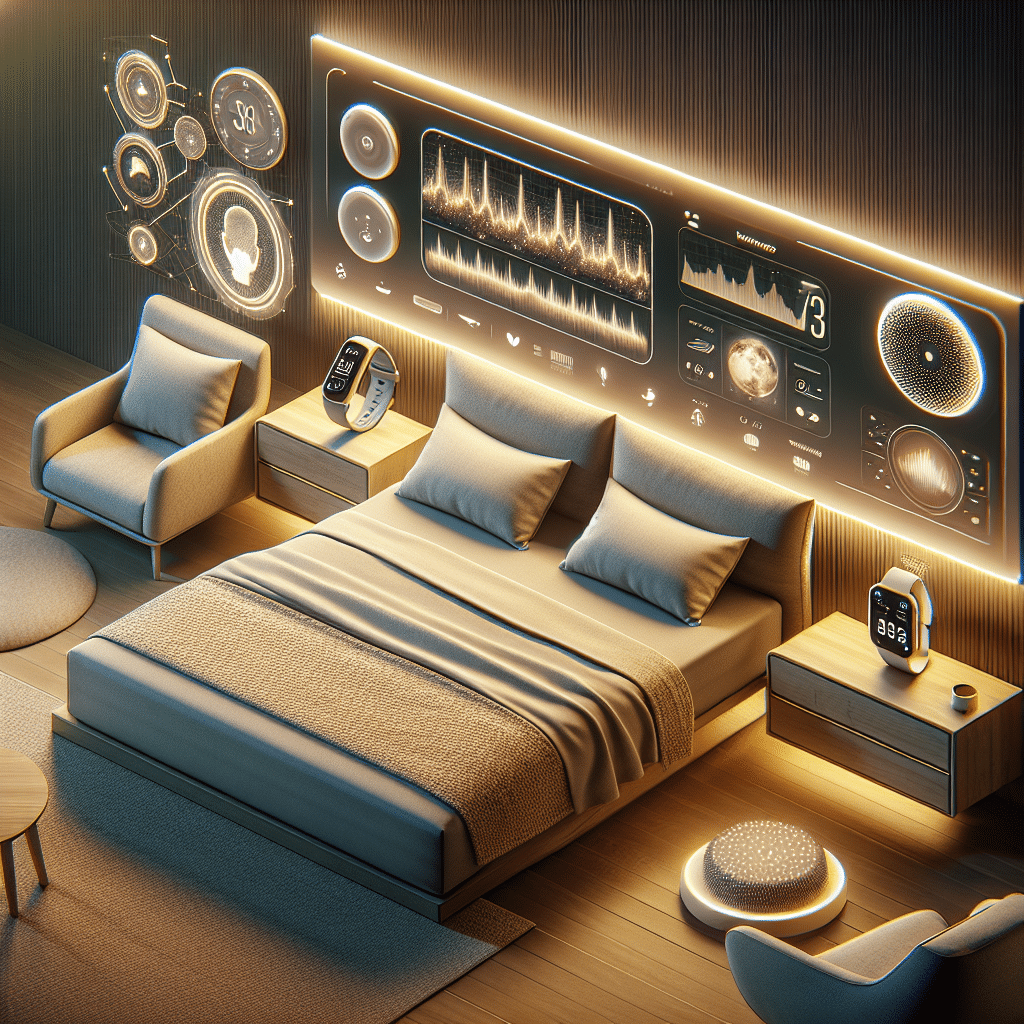
Understanding Advanced Sleep Monitoring Tools
The importance of quality sleep for overall health has garnered attention. Advanced sleep monitoring tools have emerged as vital instruments, helping individuals understand their sleep patterns better and improving their nighttime rest.
What Are Sleep Monitoring Tools?
Sleep monitoring tools are devices designed to track various parameters of sleep, such as duration, quality, phases, and disturbances. They come in various forms, including wearable devices, smartphone apps, and dedicated sleep trackers.
Types of Sleep Monitoring Tools
-
Wearable Sleep Trackers
- Smartwatches and Fitness Bands: Devices like the Fitbit Charge and Apple Watch not only monitor heart rate but also track sleep patterns through motion sensors and heart rate variability.
- Dedicated Sleep Trackers: Devices such as the Oura Ring and the WHOOP Strap focus exclusively on sleep metrics, providing detailed analysis about sleep stages and recovery.
-
Non-Wearable Sleep Monitors
- Bed Sensors: Products like the Withings Sleep Tracking Pad and the Sleep Number bed monitor sleep patterns without needing to be worn. They typically detect movements and heart rate through contact with the mattress.
- Under-Mattress Sensors: Devices like the Zeo and Sleepace monitor sleep quality by being placed under the mattress, tracking metrics without disrupting the sleep experience.
-
Sleep Apps
- Mobile Applications: Apps like Sleep Cycle and Calm use the smartphone’s microphone and accelerometer to analyze sleep cycles, providing insights into sleep quality and waking you during the lightest sleep phase.
Features to Look for in Sleep Trackers
When choosing a sleep monitoring tool, users should consider several key features:
-
Sleep Stage Analysis: The ability to distinguish between light sleep, deep sleep, and REM sleep is crucial for understanding the overall quality of sleep.
-
Heart Rate Monitoring: Continuous heart rate tracking can provide insights into relaxation levels and overall health during sleep.
-
Movement Tracking: Tracking movements during sleep can help identify restlessness or disruptions, indicating potential sleep disorders.
-
Environmental Monitoring: Advanced models measure ambient noise and light levels, and interface with smart home devices to optimize sleep conditions.
-
Data Interpretation: A user-friendly interface that provides actionable insights is essential. Reports should be easy to understand and offer recommendations.
Reviews of Popular Sleep Monitoring Tools
Fitbit Charge 5
Overview: The Fitbit Charge 5 is a fitness tracker that includes advanced sleep tracking features.
Pros:
- Provides comprehensive sleep stage analysis.
- Integrated stress management tools.
- Offers a user-friendly mobile app with valuable insights.
Cons:
- Battery life may require frequent recharging.
- Accuracy can vary, especially for users with irregular sleep schedules.
Conclusion: Ideal for users seeking a multi-functional wearable with a strong focus on general health and wellness.
Oura Ring
Overview: Oura Ring is a highly regarded smart ring that offers deep insights into sleep quality through various sensors.
Pros:
- Compact and stylish design, making it discreet.
- Precise sleep stage tracking with readiness and activity scores.
- Long battery life—about seven days.
Cons:
- Higher price point compared to other trackers.
- Limited functionality for fitness beyond basic activity tracking.
Conclusion: Excellent choice for users prioritizing detailed sleep metrics and a sleek design.
WHOOP Strap 4.0
Overview: The WHOOP Strap is specifically designed for performance and recovery, providing extensive data on sleep.
Pros:
- Focus on recovery metrics, including sleep quality and strain.
- In-depth analytics on sleep cycles and daily readiness to perform.
Cons:
- Subscription model might not suit all users.
- No display—requires a smartphone to access data.
Conclusion: Perfect for athletes and fitness enthusiasts who require detailed recovery analytics.
Withings Sleep Tracking Pad
Overview: This non-invasive sleep tracker fits under a mattress and requires no wearable at all.
Pros:
- Easy to set up, with no need to wear anything.
- Monitors breathing patterns and sleep cycles.
Cons:
- Limited functionality beyond sleep tracking.
- Data is available only via the app, which may not be as intuitive.
Conclusion: A great option for users wanting a holistic overview of their sleep without the inconvenience of wearables.
Sleep Cycle App
Overview: This smartphone app analyzes your sleep patterns and wakes you at the optimal time.
Pros:
- Uses advanced algorithms to track sleep cycles.
- Smart alarm function wakes you gently during light sleep.
Cons:
- Relies on the smartphone, which may not provide the same accuracy as dedicated devices.
- Free version has limited features; premium subscription unlocks full functionalities.
Conclusion: Ideal for users looking for an affordable entry into sleep tracking without purchasing additional hardware.
Advanced Features of Sleep Monitoring Tools
-
AI-Driven Insights: Many modern sleep trackers now incorporate AI technology to provide personalized recommendations based on individual sleep patterns.
-
Smart Home Integration: Several products can connect with smart home systems to adjust room settings automatically, ensuring optimal conditions for sleep.
-
Sleep Hygiene Tips: Advanced tools often provide insights into lifestyle habits affecting sleep, helping users build better sleep hygiene routines.
Problems Addressed by Sleep Monitoring Tools
-
Identifying Sleep Disorders: Many tools help users to understand their sleep better, potentially identifying issues such as sleep apnea or insomnia.
-
Improving Sleep Quality: With regular feedback, users can implement changes in their routines—for instance, reducing screen time or optimizing bedroom environments.
-
Promoting Better Overall Health: By monitoring sleep, users gain insights into how their health and wellness, including stress levels and physical activity, impact sleep quality.
The Future of Sleep Monitoring Technology
The landscape of sleep monitoring technology is ever-evolving. Advancements in biometric sensors and AI algorithms promise to enhance the accuracy and detail of sleep data collected. Innovations like EEG sleep tracking are beginning to bridge gaps in understanding sleep physiology.
As the quest for better sleep continues, expect to see more integrated solutions that combine environmental controls with health monitoring. This convergence promises a more holistic approach to improving sleep quality and, ultimately, overall well-being.
Selecting the Right Tool for You
To select the right sleep monitoring tool, consider the following factors:
-
Purpose: Define what you aim to achieve. Is it merely to track sleep, or do you also want insights on improving health and performance?
-
Comfort: Make sure the device you choose is comfortable during sleep. Wearables should not be overly bulky or restrictive.
-
Budget: With options ranging from free apps to high-end devices, set a budget that aligns with how far you want to delve into sleep analysis.
-
Data Compatibility: Some tools integrate well with existing health data platforms (like Apple Health or Google Fit), allowing you to monitor sleep as part of a broader health overview.
-
User Reviews: Research user feedback on functionality, accuracy, and ease of use. Reviews are incredibly helpful in narrowing choices.
Using an advanced sleep monitoring tool can be transformative, offering insights that lead to significant improvements in sleep quality and, by extension, overall health. Each tool has its unique strengths, ensuring that there is a suitable option for every individual’s need and preference. By evaluating personal requirements and ensuring the selected tool aligns, users can embark on a path toward better rest and recovery.