Understanding Sleep Disorders
Sleep disorders encompass a wide range of issues that affect an individual’s ability to sleep well on a regular basis. These disorders can significantly affect one’s quality of life and impact day-to-day functions. Common types include insomnia, sleep apnea, restless legs syndrome (RLS), narcolepsy, and parasomnias.
Importance of Sleep Disorder Testing
Testing and diagnosing sleep disorders is crucial for effective treatment. Many individuals may not realize they have a sleep disorder, as symptoms can often be mistaken for other health issues. Proper diagnosis can help in managing the condition, leading to improved sleep patterns and overall health outcomes.
Types of Sleep Disorder Tests
1. Polysomnography (PSG)
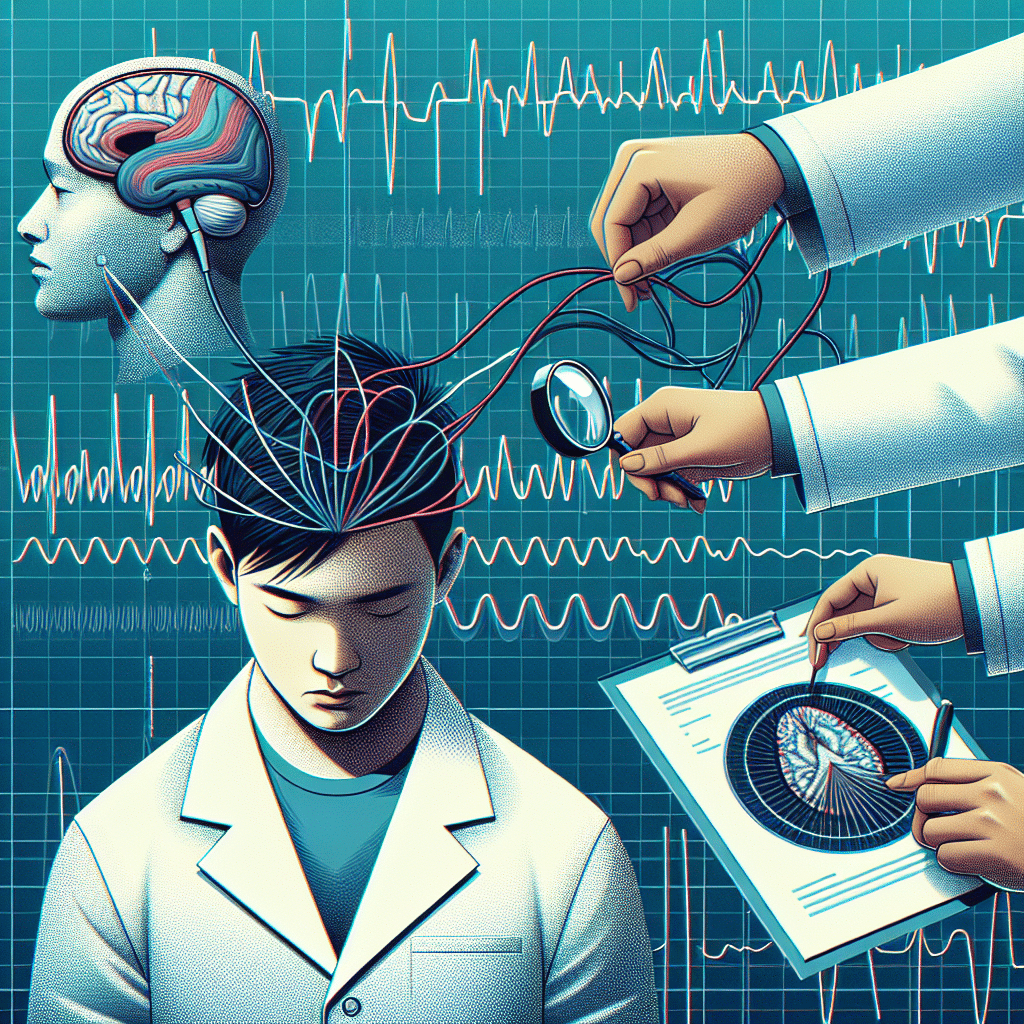
Polysomnography is the gold standard for diagnosing sleep disorders. It involves an overnight stay in a sleep clinic, where various physiological parameters are recorded.
What PSG Measures:
- Brain activity (EEG)
- Eye movements (EOG)
- Muscle activity (EMG)
- Heart rate (ECG)
- Oxygen levels (pulse oximetry)
- Respiratory effort
By analyzing these functions, healthcare professionals can gain insights into sleep stages and identify any disturbances in the sleep cycle.
2. Home Sleep Apnea Testing (HSAT)
For patients suspected of having sleep apnea, a home sleep apnea test may be sufficient. This is a simplified version of PSG and usually involves fewer sensors.
HSAT Components:
- Nasal airflow sensors
- Respiratory effort bands
- Pulse oximeter
Patients can use these devices at home, allowing for more relaxed testing conditions, though some conditions may still require a full PSG.
3. Sleep Diaries
A sleep diary is a straightforward and effective tool for individuals to track their sleep patterns over a period of time—typically two weeks.
Key Components of a Sleep Diary:
- Bedtime and wake-up time
- Number of awakenings during the night
- Daytime sleepiness levels
- Caffeine and alcohol consumption
- Physical activity levels
Analyzing the collected data can provide insight into sleep habits and potential issues.
4. Actigraphy
Actigraphy involves wearing a wrist monitor (similar to a wristwatch) that tracks movement patterns. These devices can provide data on both sleep quantity and quality.
Benefits of Actigraphy:
- Non-invasive and easy to use
- Can be worn in natural sleep environments
- Useful for diagnosing circadian rhythm disorders
Psychological Assessments
Sleep disorders often have psychological components. Assessments like the Epworth Sleepiness Scale (ESS) can evaluate daytime sleepiness levels and help differentiate between various sleep disorders.
Preparing for Sleep Disorder Testing
Preparation for sleep disorder testing may vary depending on the type of test being conducted:
-
Polysomnography:
- Avoid caffeine or stimulants a day prior.
- Bring comfortable sleepwear and any personal items you might need (like medications).
-
Home Sleep Apnea Testing:
- Follow specific instructions from your sleep specialist regarding when to use the device.
-
Sleep Diaries and Actigraphy:
- Maintain accurate and honest records leading up to the appointment.
Diagnosis and Interpretation of Results
Following the sleep studies, sleep specialists will analyze the data. They may look for specific patterns or anomalies that indicate the presence of a sleep disorder.
Common Indicators:
- Frequent awakenings may suggest insomnia.
- Reduced oxygen levels could indicate sleep apnea.
- The amount of time spent in various sleep stages (light, deep, REM) provides information on sleep quality.
Common Sleep Disorders Diagnosed
1. Insomnia
Insomnia is characterized by difficulty falling or staying asleep. Diagnosis often involves a review of sleep histories and possible psychological evaluations to determine underlying causes.
2. Sleep Apnea
Characterized by pauses in breathing during sleep. This disorder can be diagnosed through PSG, which can detect interruptions in breathing patterns.
3. Restless Legs Syndrome (RLS)
Patients with RLS experience uncomfortable sensations in the legs. Diagnosis is typically made based on patient history and specific assessment criteria.
4. Narcolepsy
This is a chronic neurological condition that affects the brain’s ability to regulate sleep-wake cycles. Diagnosis may involve multiple tests, including PSG and a multiple sleep latency test (MSLT).
5. Parasomnias
This includes abnormal behaviors during sleep, such as sleepwalking or night terrors. Diagnosis is largely based on the sleep history and any observations reported by sleep partners.
Treatment Options After Diagnosis
Upon diagnosis, treatment options vary widely depending on the specific disorder:
- Cognitive Behavioral Therapy for Insomnia (CBT-I) is often the first line of treatment.
- Continuous Positive Airway Pressure (CPAP) therapy is standard for obstructive sleep apnea.
- Medications, like dopaminergic agents, may be prescribed for RLS or narcolepsy.
- Lifestyle Changes: Improved sleep hygiene can benefit all sleep disorders.
The Role of Sleep Specialists
Sleep specialists play a crucial role in managing sleep disorders. These healthcare professionals are trained to diagnose and treat a variety of sleep-related issues, providing tailored treatment plans based on individual needs.
The Future of Sleep Disorder Diagnosis
Advancements in technology are likely to enhance sleep disorder testing. Innovations include smartphone apps that monitor sleep patterns and wearable devices that can provide more immediate feedback on sleep quality. These developments aim to make diagnosis and treatment more accessible and efficient.
Conclusion
Sleep disorder testing is a key component of effective management. By understanding the different types of sleep studies, preparation techniques, diagnosis strategies, and potential treatments, both patients and healthcare providers can work collaboratively towards optimal sleep health. Through proper diagnosis, one can take significant steps toward achieving better sleep and, consequently, improved overall well-being.