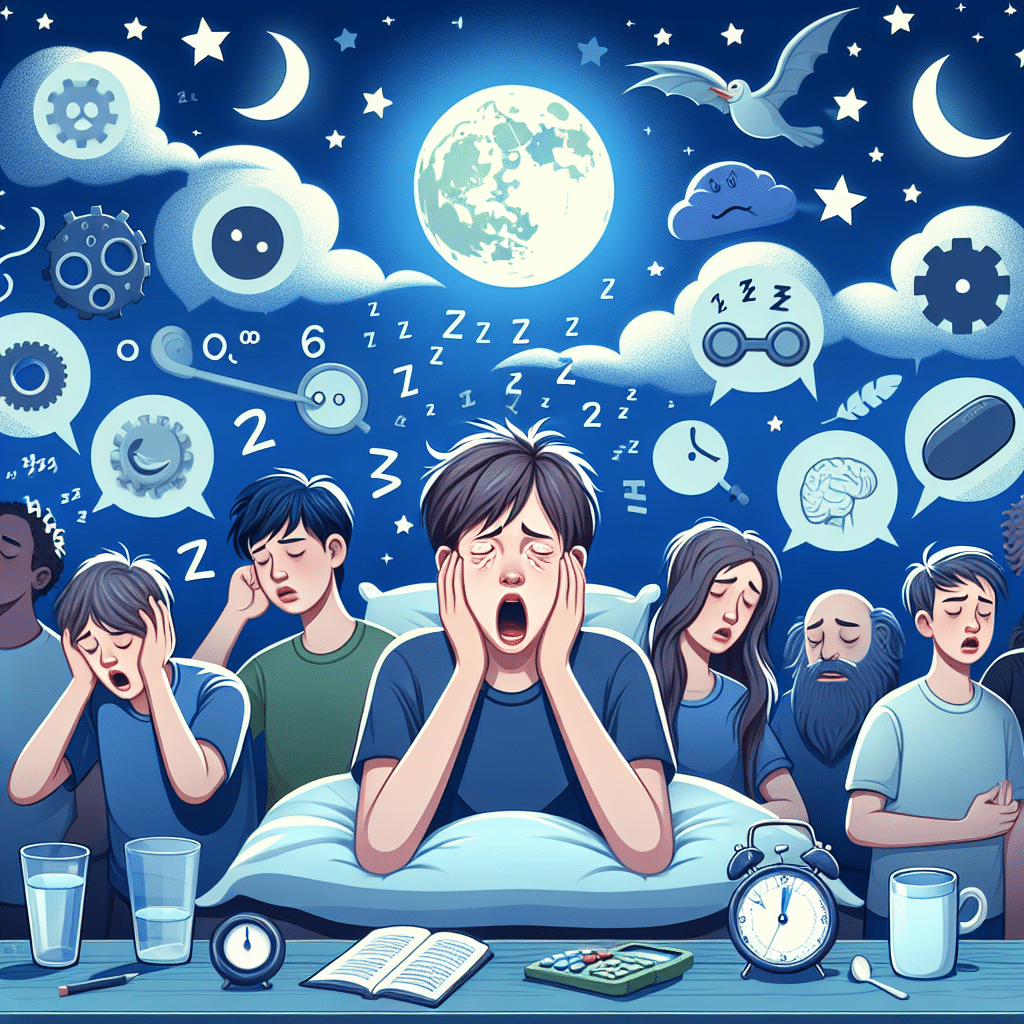
Understanding Sleep Disorders in Teenagers
Teenagers face unique challenges that can significantly affect their sleep patterns. Their bodies are undergoing rapid changes, and lifestyle factors, such as school stress and social pressures, can contribute to sleep disorders. Common sleep disorders in teenagers include insomnia, sleep apnea, and delayed sleep phase disorder (DSPD). Understanding these disorders is essential for addressing sleep problems effectively.
The Importance of Sleep for Teen Development
Sleep is crucial for teenagers as it supports cognitive function, emotional regulation, and physical health. During adolescence, the body experiences hormonal changes that affect sleep needs. Researchers recommend that teenagers get about 8 to 10 hours of sleep per night. Insufficient sleep can lead to decreased academic performance, mood swings, increased risk of mental health disorders, and impaired physical health.
Common Sleep Disorders in Teenagers
1. Insomnia
Insomnia involves difficulty falling or staying asleep. Factors contributing to insomnia in teenagers can include anxiety, stress from schoolwork, caffeine consumption, and irregular sleep schedules.
Tips to Manage Insomnia:
- Establish a Consistent Sleep Routine: Go to bed and wake up at the same time every day, even on weekends, to regulate the body’s internal clock.
- Limit Blue Light Exposure: Minimize screen time from smartphones, tablets, and computers at least one hour before bedtime to promote melatonin production.
- Create a Relaxing Bedtime Ritual: Engage in calming activities, such as reading or taking a warm bath, to signal to the body that it’s time to wind down.
2. Sleep Apnea
Sleep apnea is a serious disorder where breathing repeatedly stops and starts during sleep. It is often characterized by loud snoring and excessive daytime sleepiness. This condition can occur due to obesity, enlarged tonsils, or structural abnormalities in the airway.
Tips to Alleviate Sleep Apnea Symptoms:
- Maintain a Healthy Weight: Regular exercise and a balanced diet can help reduce obesity-related sleep apnea.
- Sleep Position: Encourage sleeping on the side rather than on the back to keep the airway open.
- Consult with a Doctor: Seek professional advice for a proper diagnosis and treatment, which may include using a CPAP machine or undergoing lifestyle changes.
3. Delayed Sleep Phase Disorder (DSPD)
DSPD is characterized by a significant delay in the sleep-wake cycle, making it difficult for teenagers to fall asleep until early morning hours. This disorder often leads to chronic sleep deprivation affecting academic performance and mood.
Tips for Managing DSPD:
- Gradually Adjust Sleep Schedule: Slowly shift the sleep schedule by 15-30 minutes earlier each night until a desired bedtime is reached.
- Light Exposure Management: Increase exposure to natural light in the morning and reduce light exposure in the evenings to help reset the internal clock.
- Use Melatonin Supplements: Consult a healthcare provider about the use of melatonin to help regulate sleep patterns effectively.
Biohacking Sleep: Techniques for Better Rest
Understanding sleep’s science and applying biohacking techniques can help teenagers improve their sleep quality.
1. Sleep Environment Optimization
Creating an ideal sleep environment plays a vital role in enhancing sleep quality.
- Comfortable Bedding: Use a comfortable mattress and quality pillows to promote good spinal alignment.
- Control Room Temperature: Keep the bedroom cool, ideally between 60-67 degrees Fahrenheit, to facilitate better sleep.
- Reduce Noise and Light: Use blackout curtains and white noise machines to minimize disruptions from light and sound.
2. Nutrition and Sleep Hygiene
Diet significantly impacts sleep quality. What you eat, especially in the hours leading up to bedtime, can either enhance or impair sleep.
- Limit Caffeine and Sugar Intake: Avoid caffeine and sugary snacks in the afternoon and evening. Instead, opt for sleep-promoting foods like bananas, nuts, and herbal teas.
- Stay Hydrated: Drink enough water throughout the day, but limit intake before bed to minimize nighttime bathroom trips.
3. Regular Physical Activity
Exercise is vital for improving sleep quality.
- Engage in Regular Exercise: Aim for at least 30 minutes of physical activity most days of the week. Avoid vigorous exercise close to bedtime, which can be stimulating.
- Mind-Body Activities: Incorporate yoga or stretching into your routine to promote relaxation and stress relief before bed.
Psychological Strategies for Better Sleep
Mental health significantly influences sleep outcomes. Addressing underlying emotional issues can improve sleep quality.
1. Mindfulness and Relaxation Techniques
Practicing mindfulness can reduce anxiety and stress, leading to improved sleep.
- Meditation and Breathing Exercises: Engage in daily mindfulness practices to cultivate relaxation. Techniques like deep breathing can calm the mind before bedtime.
- Progressive Muscle Relaxation: This technique involves tensing and relaxing different muscle groups to release tension and prepare the body for sleep.
2. Time Management and Stress Reduction
Learning to manage time effectively can reduce stress levels, leading to better sleep.
- Set Priorities: Break down tasks into manageable pieces and prioritize assignments to avoid last-minute stress.
- Establish Boundaries: Set limits on homework and extracurricular activities to prevent overstimulation during the evening.
Seeking Professional Help
When sleep problems persist, it may be time to seek professional help. Talking to a school counselor, psychologist, or sleep specialist can provide guidance and support.
- Cognitive Behavioral Therapy for Insomnia (CBT-I): A structured program that helps individuals identify and correct thoughts and behaviors that contribute to sleep problems.
- Identify Underlying Issues: Professional assessment can reveal any underlying conditions, such as anxiety or depression, that impact sleep.
Encouraging Healthy Sleep Habits
Promoting positive sleep practices among teenagers starts with education.
1. Open Dialogue About Sleep
Parents and guardians should engage in conversations about the importance of sleep and encourage their teens to share their sleep challenges.
2. Role Models
Parents should model healthy sleep habits by setting their sleep routines and prioritizing well-being. Influence teens positively by demonstrating good sleep hygiene and self-care practices.
3. Technology Management
Educate teens about the effects of technology on sleep. Incorporate screen-free time into family routines, especially before bedtime.
Conclusion
Encouraging teenagers to prioritize sleep is essential for their overall well-being and development. Understanding potential sleep disorders and implementing various tips, strategies, and lifestyle modifications can help create a healthier relationship with sleep. From promoting healthy sleep hygiene to managing mental health, every effort contributes to a more restorative sleep experience, ultimately paving the way for a healthy and fulfilling adolescence.