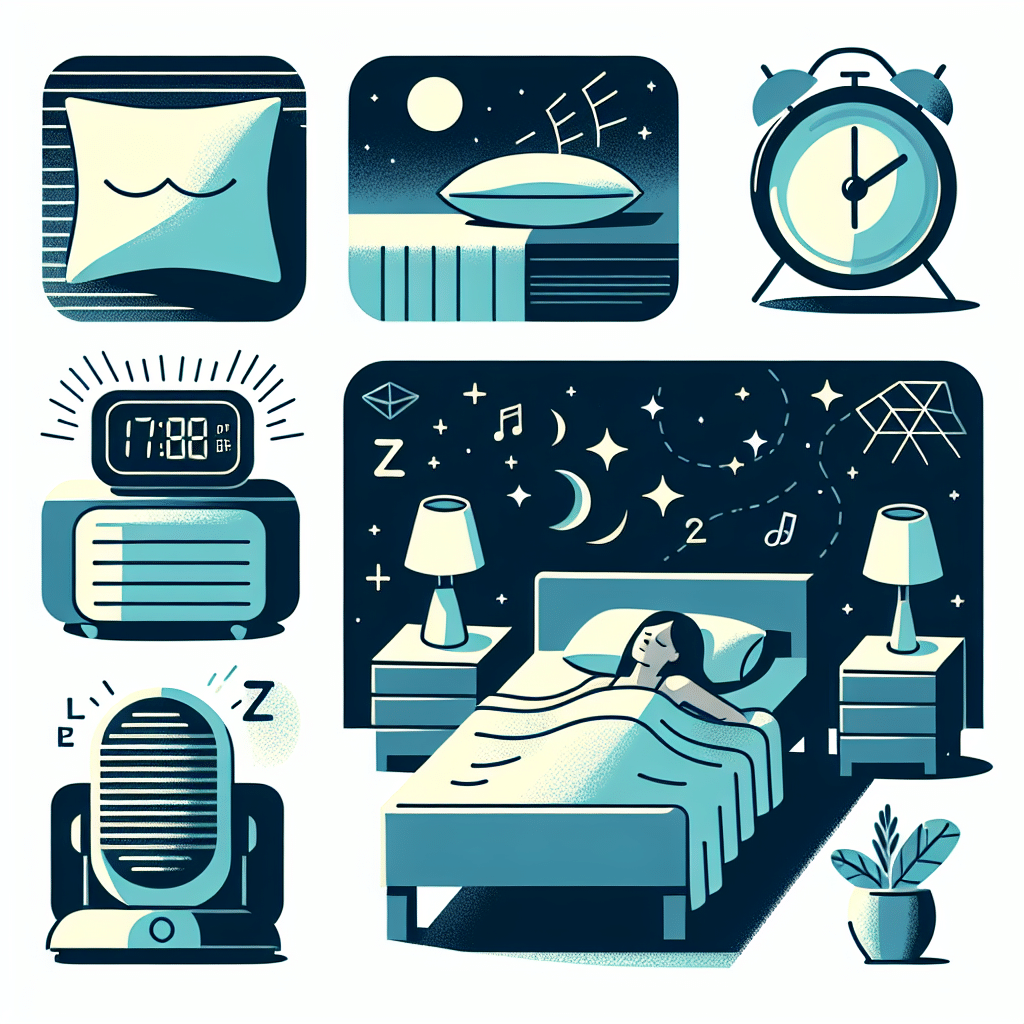
Sleep Hygiene Tips for Better Rest
Understand Sleep Hygiene
Sleep hygiene refers to a set of practices and habits that promote consistent, uninterrupted, and restorative sleep. Adopting effective sleep hygiene can dramatically improve both sleep quality and overall well-being.
Maintain a Consistent Sleep Schedule
-
Set a Regular Bedtime: Go to bed and wake up at the same time every day, even on weekends. This consistency reinforces your body’s natural sleep-wake cycle.
-
Use an Alarm Clock: Utilize an alarm clock for waking up rather than relying on your mobile phone. This reduces temptation to use devices in bed.
-
Limit Naps: If you must nap, keep it short (20-30 minutes) and avoid napping late in the day to prevent disruptions at night.
Create a Relaxing Bedtime Routine
-
Wind Down: Dedicate the last 30-60 minutes before bed to calming activities. Consider reading, taking a warm bath, or engaging in light stretches.
-
Practice Relaxation Techniques: Incorporate meditation, deep breathing, or gentle yoga to ease into sleep.
-
Opt for Bedtime Stories: Listening to soothing stories or podcasts can help your mind unwind effectively.
Optimize Your Sleep Environment
-
Temperature Control: Keep your bedroom cool; an ideal range is between 60°F and 67°F (15°C and 20°C). A cooler room can help induce a natural sleep response.
-
Invest in Quality Bedding: Use comfortable mattresses, pillows, and appropriate bedding to support restful sleep.
-
Block Out Noise: Use earplugs or a white noise machine to drown out disruptive sounds. This can enhance sleep quality dramatically.
-
Limit Light Exposure: Make your bedroom as dark as possible. Consider blackout curtains and avoid screens 1-2 hours before bed to minimize blue light exposure.
-
Keep It Clean and Organized: A tidy, de-cluttered bedroom can create a more calming space conducive to relaxation.
Mind Your Diet
-
Avoid Caffeine: Refrain from consuming caffeine at least 6 hours before bedtime. Caffeine can disrupt your ability to fall and stay asleep.
-
Limit Alcohol Consumption: While alcohol may help you fall asleep initially, it disrupts REM sleep, leading to poorer overall rest.
-
Be Gracious with Your Dinner: Eat lighter in the evening. Heavy meals can lead to discomfort and indigestion, compromising sleep quality.
-
Stay Hydrated: Drink enough water throughout the day, but limit fluid intake within two hours of bedtime to avoid nighttime trips to the bathroom.
Be Mindful of Your Activities
-
Stay Physically Active: Regular physical exercise can enhance sleep, but avoid vigorous workouts close to bedtime.
-
Limit Screen Time: Reduce time spent on phones, tablets, and computers before sleep. The blue light emitted from screens interferes with melatonin production.
-
Watch What You Watch: Choose calming, light programs or books instead of thrillers or exciting content right before bed.
-
Avoid Bedford Discussions: Emotional or intense discussions can hinder relaxation and make it difficult to wind down.
Manage Stress and Anxiety
-
Journaling: Write down thoughts or worries in a journal. This practice helps clear your mind before sleep.
-
Create a Worry Time: Set aside time during the day to address worries. This helps contain anxiety instead of letting it intrude upon your sleep.
-
Seek Professional Help: If anxiety or stress continues to affect your sleep, consider talking to a healthcare professional.
Monitor Sleep Quality
-
Track Your Sleep: Use a sleep journal or app to note patterns, disturbances, or improvements. This can help identify what works best for you.
-
Evaluate Mental Health: Conditions like anxiety or depression can impact sleep. Seek professional help if you suspect mental health issues are affecting your rest.
-
Set Realistic Expectations: Understand that achieving perfect sleep every night is unrealistic; focus on improvements over perfection.
Consider Supplements with Care
-
Melatonin: If you struggle with sleep onset, consult a healthcare provider about using melatonin supplements.
-
Herbal Remedies: Some find chamomile tea or valerian root beneficial, though effectiveness can vary. Always consult a doctor before starting any herbal supplements.
-
Avoid Relying on Sleep Aids: Habitual use of over-the-counter sleep medications can lead to dependency and may not solve underlying issues.
Keep Health Check-Ups
-
Regular Physical Check-ups: Sleep apnea and other sleep disorders can significantly affect sleep quality. Regular health evaluations can help identify health issues early.
-
Discuss Medications: Some medications can affect sleep. Speak to your healthcare provider about alternatives if you notice sleep disruptions.
Use Natural Light Wisely
-
Maximize Daylight Exposure: Get outside and soak up natural light during the day. This helps regulate your body’s internal clock.
-
Dim Lights in the Evening: As bedtime approaches, reduce harsh lighting to signal your body it’s time to prepare for sleep.
-
Consider Light Therapy: If you suffer from insomnia or seasonal affective disorder, light therapy in the morning can help reset your circadian rhythm.
Limit Technology Use at Home
-
Create a Tech-Free Zone: Make your bedroom a device-free zone to minimize distractions and stressors associated with technology.
-
Set Device Curfews: Establish a cutoff time for screens 1-2 hours before sleep to promote better rest.
-
Mind your Usage: Switch to a grayscale display during nighttime hours to reduce blue light exposure.
Be Patient and Adaptable
-
Experiment with Changes: Not every sleep hygiene tip works for everyone. Approach the tips with an experimental mindset to find what suits you best.
-
Be Patient: Lifestyle changes take time to take effect. Allow several weeks to notice significant improvements in sleep.
-
Set Incremental Goals: Focus on one or two changes at a time to avoid overwhelming yourself.
Seek Community Support
-
Engage in Support Groups: Join forums or community groups focused on sleep issues for recommendations, experiences, and encouragement.
-
Share Your Journey: Talking about your sleep challenges with friends or family can help relieve stress and gather additional tips.
Adopting effective sleep hygiene practices can lead to significantly improved sleep quality. By creating a personalized plan that encompasses a consistent schedule, a relaxing bedtime routine, optimized sleep environments, mindful dietary choices, and the management of stress, you will be on the path to achieving better, restorative sleep. Prioritizing these tips can lead to not only better sleep but enhanced overall health and well-being.