circadian rhythm disorder solutions

circadian rhythm disorder solutions

Understanding Circadian Rhythm Disorders

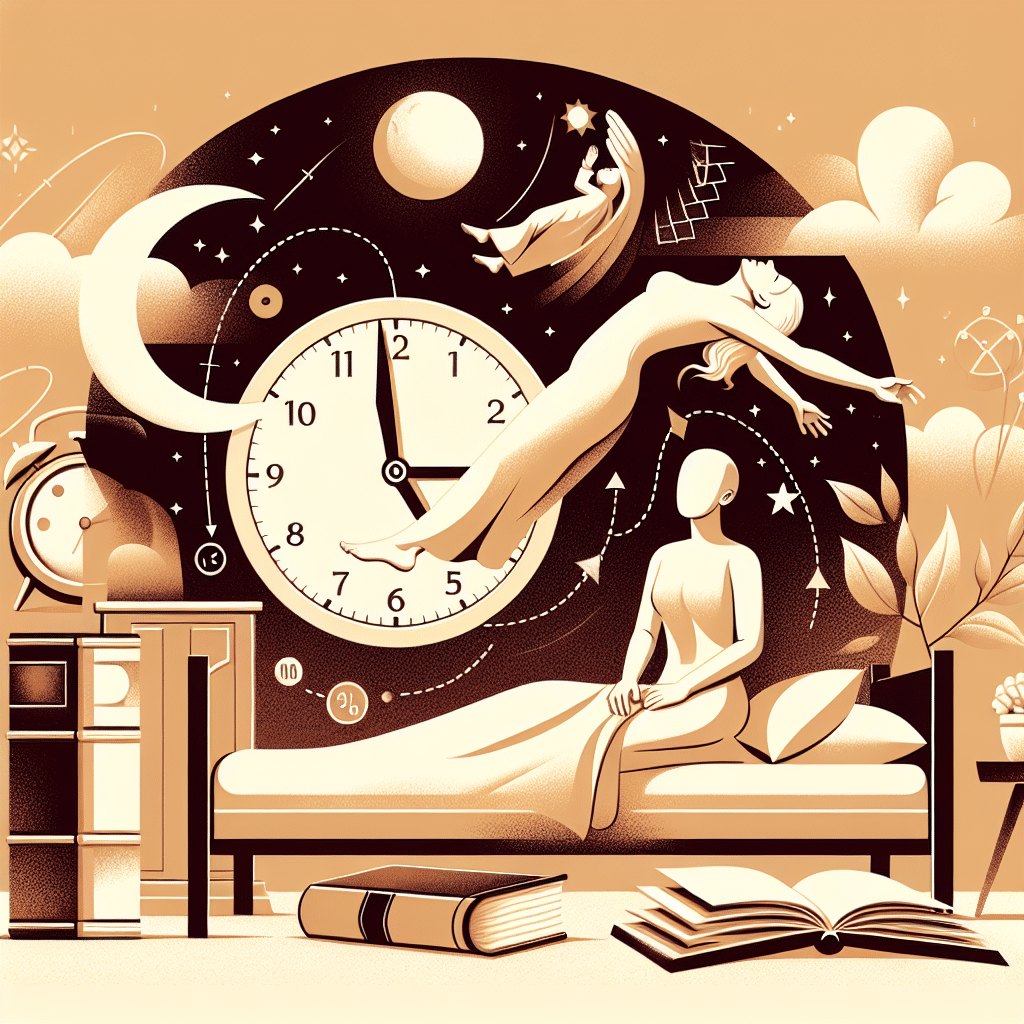
Circadian rhythm disorders (CRDs) are conditions that disrupt the natural sleep-wake cycle of individuals. The body’s internal clock, known as the circadian rhythm, regulates various biological processes, including sleep, hormone production, and metabolism. When this rhythm is disturbed, it can lead to various issues like insomnia, excessive daytime sleepiness, and other health problems.

Recognizing Symptoms of Circadian Rhythm Disorders

To effectively address circadian rhythm disorders, it’s crucial to first identify the symptoms. Common symptoms include:

  • Insomnia: Difficulty falling asleep or staying asleep.
  • Irregular Sleep Patterns: An inconsistent sleep schedule that varies greatly from day to day.
  • Daytime Sleepiness: Persistent fatigue or a strong urge to sleep during the day.
  • Mood Changes: Increased irritability, anxiety, or depressive symptoms.
  • Difficulty Concentrating: Trouble focusing or performing tasks efficiently.
  • Physical Symptoms: Headaches, gastrointestinal issues, or increased susceptibility to illnesses.

Types of Circadian Rhythm Disorders

Understanding the specific type of CRD can greatly influence the treatment approach. The main types include:

  1. Delayed Sleep Phase Disorder (DSPD): Characterized by a significantly delayed sleep onset and wake time.
  2. Advanced Sleep Phase Disorder (ASPD): Involves falling asleep and waking up much earlier than typical.
  3. Non-24-Hour Sleep-Wake Disorder: Commonly seen in blind individuals, where the sleep cycle does not align with the 24-hour day.
  4. Shift Work Disorder: Affects those who work non-traditional hours, leading to difficulties in sleep and wakefulness.
  5. Jet Lag Disorder: Occurs after rapid travel across multiple time zones.

Addressing Circadian Rhythm Disorders: Solutions and Strategies

1. Light Therapy

What it is: Light therapy involves exposure to bright light at specific times to help reset the circadian clock.

How it works: By simulating natural sunlight, light therapy can help enhance alertness and regulate melatonin production.

Implementation:

  • Ideal light sources include specialized light boxes with a brightness of 10,000 lux.
  • Conduct sessions in the morning for individuals with DSPD or in the evening for those with ASPD.

2. Chronotherapy

What it is: A technique that gradually shifts a person’s sleep schedule to align with desired sleep times.

How it works: Gradually adjusting bedtime and waking time helps reconfigure the internal clock over several days or weeks.

Implementation:

  • Move bedtime and wake time by 15-30 minutes each day until the desired schedule is reached.
  • This is particularly effective for DSPD.

3. Behavioral Interventions

What it is: Behavioral strategies include sleep hygiene practices aimed at improving sleep quality.

How it works: Consistency in sleep behaviors can reinforce a stable sleep-wake cycle.

Implementation:

  • Maintain a regular sleep schedule, even on weekends.
  • Create a calming bedtime routine, such as reading or taking a warm bath.
  • Limit exposure to screens at least one hour before bedtime to reduce blue light interference.

4. Pharmacological Solutions

What it is: Medications that can help regulate sleep-wake cycles.

Options:

  • Melatonin Supplements: Useful for adjusting sleep onset times.
  • Prescription Sleep Aids: Such as zolpidem or eszopiclone, may be prescribed for short-term management.

Consultation: Always consult a healthcare professional to discuss potential side effects and benefits before starting any medication.

5. Mindfulness and Relaxation Techniques

What it is: Practices that promote relaxation and stress reduction.

How it works: Mindfulness and relaxation can help individuals disengage from daily stressors that may disrupt sleep.

Implementation:

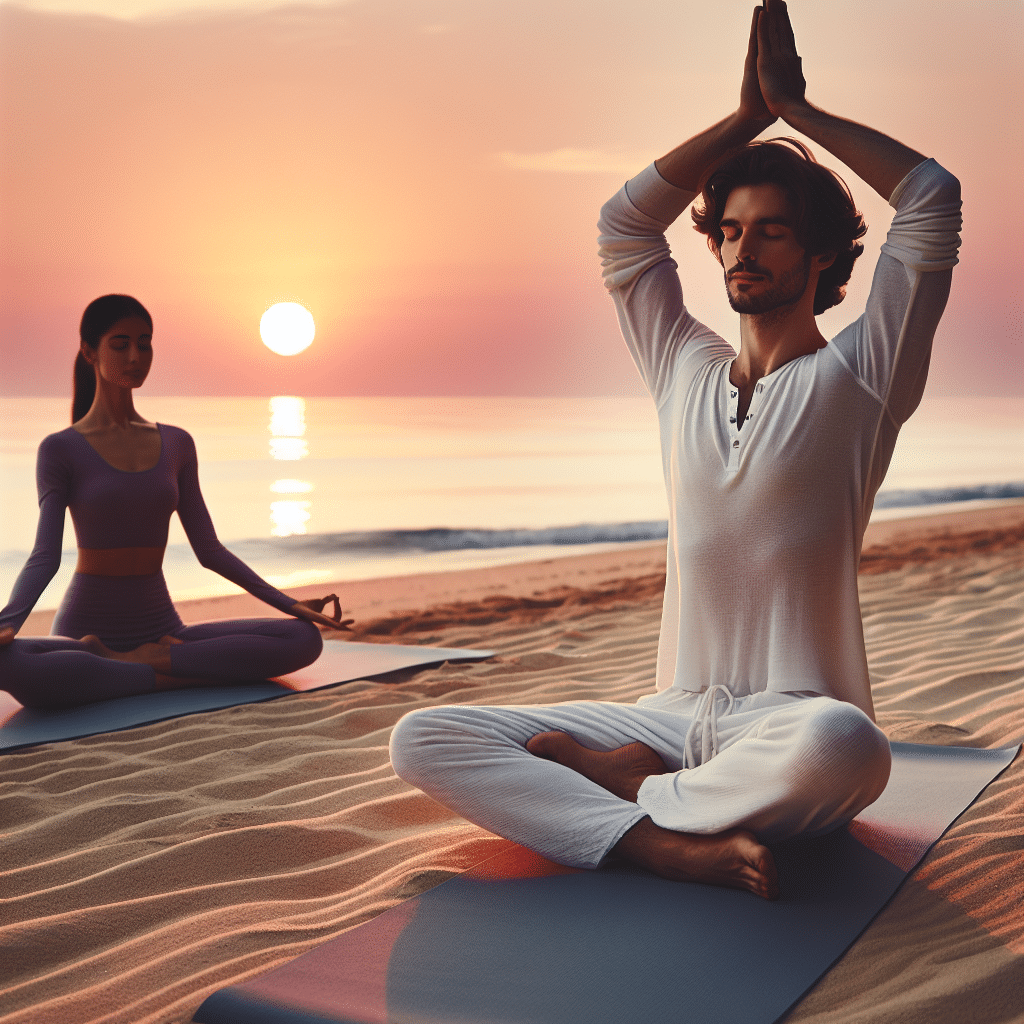
  • Incorporate practices such as meditation, yoga, or deep-breathing exercises into your daily routine.
  • Use applications and online resources to guide mindfulness sessions.

6. Diet and Nutrition Adjustments

What it is: Modifying dietary habits to support better sleep.

How it works: Certain foods and meals can promote or hinder sleep quality.

Implementation:

  • Consume melatonin-rich foods like cherries, bananas, and oats.
  • Avoid stimulants such as caffeine and nicotine, especially in the afternoon and evening.
  • Maintain a balanced diet rich in omega-3 fatty acids and whole grains, which can support brain health.

7. Sleep Environment Optimization

What it is: Creating an ideal environment for sleep.

How it works: A conducive sleep environment reduces disruptions and promotes deeper sleep.

Implementation:

  • Ensure the bedroom is dark, cool, and quiet. Consider blackout curtains or eye masks.
  • Invest in a comfortable mattress and pillows.
  • Limit noise with white noise machines or earplugs.

8. Physical Activity

What it is: Engaging in regular exercise to improve sleep quantity and quality.

How it works: Physical activity can help regulate sleep patterns and improve overall health.

Implementation:

  • Aim for at least 30 minutes of moderate exercise most days of the week, preferably in the morning or afternoon.
  • Avoid vigorous exercise close to bedtime, as it can interfere with the ability to fall asleep.

Seeking Professional Help

When self-help strategies prove ineffective, it may be time to seek professional assistance. Sleep specialists can conduct sleep studies to diagnose specific circadian rhythm disorders and recommend tailored treatment options.

Testing Options:

  • Polysomnography: A comprehensive sleep study that monitors brain waves, oxygen levels, heart rate, and more to diagnose sleep disorders.
  • Actigraphy: A wrist-worn device that tracks sleep patterns over time to provide insights into sleep and wakefulness.

Monitoring Progress and Adaptation

Maintaining an ongoing evaluation of progress with lifestyle changes is vital. Techniques such as sleep diaries, tracking apps, or wearable sleep monitors can help assess the effectiveness of treatment strategies and facilitate necessary adjustments.

Strategies:

  • Record sleep times, wake times, and subjective sleep quality in a journal.
  • Analyze patterns over a few weeks to identify triggers for poor sleep.
  • Be flexible and adaptive in trying various strategies until finding the best individualized approach.

Building Awareness and Social Support

Finally, raising awareness about circadian rhythm disorders can foster a supportive environment for those affected. Educating friends, family, and employers can lead to better understanding, reducing stigma, and encouraging individuals to seek help when needed.

Support groups or forums focus on shared experiences and strategies for managing CRDs, providing a platform for individuals to discuss their challenges and successes.

Staying Informed and Updated

To cope effectively with circadian rhythm disorders, it’s essential to stay informed about new research, treatments, and strategies. Favor reputable health websites, subscribe to journals on sleep medicine, and consider joining related professional organizations.

By implementing these strategies, individuals with circadian rhythm disorders can work towards restoring their natural sleep-wake cycles and improving their overall quality of life. Through a combination of behavioral changes, environmental adjustments, and when necessary, pharmacological intervention, the journey towards better sleep and health becomes a tangible goal.

circadian rhythm disorder solutions

circadian rhythm disorder solutions

What Are Circadian Rhythm Disorders?
Circadian rhythm disorders are medical conditions that result from an imbalance or disruption in an individual’s natural sleep-wake cycle. The circadian rhythm is governed by an internal biological clock, which follows a roughly 24-hour cycle influenced by environmental cues such as light and temperature. Common types of circadian rhythm disorders include Delayed Sleep Phase Disorder (DSPD), Advanced Sleep Phase Disorder (ASPD), Non-24-Hour Sleep-Wake Disorder (Non-24), and Shift Work Sleep Disorder (SWSD).

Identifying Symptoms of Circadian Rhythm Disorders

Recognizing the symptoms of circadian rhythm disorders is essential for early intervention and management. Key symptoms may include:

  • Difficulty falling asleep or waking up at desired times.
  • Excessive daytime sleepiness or fatigue.
  • Irritability and mood disturbances.
  • Problems with concentration and cognitive performance.
  • Insomnia or fragmented sleep patterns.

Diagnosis of Circadian Rhythm Disorders

  • Sleep Studies: Polysomnography (PSG) measures brain activity, blood oxygen levels, heart rate, and breathing to identify disturbances.
  • Actigraphy: A wrist-worn device that tracks sleep and activity patterns over several days.
  • Sleep Diaries: Keeping a sleep diary helps both patients and healthcare professionals identify patterns and triggers related to the disorder.
  • Chronotype Assessment: Understanding one’s biological predisposition for certain sleeping and waking times can aid in diagnosis.

Lifestyle Modifications

1. Light Exposure Management

  • Morning Light: Exposure to bright light soon after waking can trigger the biological clock, reducing sleepiness and increasing alertness.
  • Evening Darkness: Reducing light exposure in the evening, particularly blue light from screens, can promote the secretion of melatonin, aiding sleep onset.

2. Consistent Sleep Schedule

Maintaining a regular sleep-wake schedule helps reinforce the body’s internal clock. Aim to go to bed and wake up at the same time every day, even on weekends.

3. Creating a Sleep-Conducive Environment

  • Comfortable Bedding: Ensure your mattress and pillows provide adequate support.
  • Temperature Control: Keep the bedroom cool, ideally between 60-67°F (15-19°C).
  • Minimize Noise: Use earplugs or white noise machines if you live in a noisy environment.
  • Darken Your Room: Use blackout curtains to block out any external light.

4. Mindfulness and Relaxation Techniques

Practicing mindfulness, meditation, or gentle yoga before bedtime can alleviate stress and prepare the body for restful sleep.

Nutritional Interventions

1. Balanced Diet

A diet that incorporates whole foods, such as fruits, vegetables, whole grains, and lean proteins, supports overall health and can influence sleep patterns positively.

2. Timing of Meals

Avoid heavy meals close to bedtime and try to eat dinner at least 2-3 hours before sleeping. This can prevent digestive issues that could disrupt sleep.

3. Supplements

  • Melatonin: Melatonin supplements can help reset the sleep-wake cycle for some individuals, particularly for those with delayed sleep phase disorder.
  • Magnesium: This mineral may promote relaxation and improve sleep quality. Foods rich in magnesium include almonds, spinach, and black beans.

Behavioral Therapies

1. Cognitive Behavioral Therapy for Insomnia (CBT-I)

CBT-I focuses on changing patterns of thinking and behavior that promote sleep issues. Techniques may include stimulus control and cognitive restructuring.

2. Chronotherapy

This approach involves gradually shifting the sleep schedule over several days to align more closely with desired sleep-wake times.

Medical Treatments

1. Prescription Medications

  • Sleep Aids: Medications like zolpidem or eszopiclone may be prescribed for short-term use. However, they should be used under careful supervision due to potential dependency or side effects.
  • Melatonin Agonists: Drugs like ramelteon mimic melatonin’s effects in the body.

2. Bright Light Therapy

Bright light therapy involves exposure to a lightbox for a specified duration each day to realign circadian rhythms, particularly for shift workers or individuals with Non-24 disorder.

Considerations for Shift Workers

Shift workers face unique challenges regarding circadian rhythm disorders. Strategies include:

  • Short Naps: Taking brief naps during breaks can enhance alertness and performance.
  • Gradual Shift Transitioning: When changing shifts, gradually adjusting the sleep schedule can help reduce disruptions.
  • Healthy Snack Options: Opt for quickly digestible snacks, such as fruits or nuts, to maintain energy during work hours.

Importance of Professional Guidance

Engaging with a healthcare provider who specializes in sleep medicine is vital for managing circadian rhythm disorders effectively. They can provide personalized recommendations, monitor progress, and adjust treatment plans as necessary.

Understanding Chronotypes

Understanding your chronotype—your individual natural predisposition for sleep and wake times—can inform strategies for managing circadian rhythm issues. Chronotypes can be categorized broadly into:

  • Larks: Individuals who naturally wake up early and feel most alert in the morning.
  • Owls: Those who feel more awake later in the day and often stay up late.
  • Hummingbirds: People who fall somewhere in between.

Tailoring interventions based on one’s chronotype can lead to more successful outcomes in addressing sleep difficulties.

Community Support

Participating in support groups, both in-person and online, can connect individuals suffering from circadian rhythm disorders. Sharing experiences and coping strategies fosters a sense of community and can significantly reduce feelings of isolation.

Monitoring Progress

Keeping track of improvements and setbacks is essential. Using sleep tracking apps or maintaining a journal can help individuals identify patterns over time, adjusting their approach as needed.

Seeking Professional Help

If self-management strategies prove ineffective, consult a sleep specialist. They can devise a comprehensive treatment plan that may involve behavioral therapy, pharmacological treatment, or a combination of both.

Resources for Further Reading and Support

  • American Academy of Sleep Medicine (AASM): Offers educational resources and information on sleep disorders.
  • National Sleep Foundation: Provides research updates, articles, and sleep health tips.
  • Sleep Research Society (SRS): Focuses on promoting the importance of sleep in health and disease.

Final Thoughts on Circulating Solutions

Managing circadian rhythm disorders requires a multi-faceted approach that integrates lifestyle modifications, behavioral therapy, and medical interventions. The key to success lies in understanding individual needs and continuously adapting strategies to promote better sleep hygiene and overall well-being. By recognizing the importance of sleep and taking deliberate steps to prioritize it, individuals can lead healthier, more fulfilling lives.

yoga poses to induce sleepiness

yoga poses to induce sleepiness

Yoga Poses to Induce Sleepiness: A Guide to Relaxation and Restfulness

Yoga is not only a physical practice; it’s a holistic approach that fosters mental and emotional well-being. For those struggling with insomnia or a restless mind, specific yoga poses can facilitate relaxation and readiness for sleep. This guide discusses yoga poses specifically designed to induce sleepiness, explaining their benefits and how to perform them accurately.

1. Child’s Pose (Balasana)

Benefits:
Child’s Pose is a restful position that encourages deep breathing, calming the mind and relieving tension in the back.

How to Perform:

  • Start on your hands and knees in a tabletop position.
  • Sit back on your heels and extend your arms forward, lowering your forehead to the ground.
  • Breathe deeply, focusing on expanding your ribs and relaxing your shoulders.
  • Hold for 5-10 breaths.

2. Legs-Up-The-Wall Pose (Viparita Karani)

Benefits:
This restorative pose enhances circulation, reduces fatigue, and lowers stress levels, preparing your body for sleep.

How to Perform:

  • Sit next to a wall and lie on your back.
  • Swing your legs up the wall while keeping your back flat on the floor.
  • Ensure your body is relaxed, with your arms extended out to the sides or resting on your abdomen.
  • Close your eyes and stay in this pose for 5-15 minutes.

3. Forward Bend (Uttanasana)

Benefits:
Forward Bend encourages relaxation in the nervous system, releasing tension along the spine and calming the mind.

How to Perform:

  • Stand tall with your feet hip-width apart.
  • Inhale, raising your arms overhead, then exhale as you hinge at your hips to fold forward.
  • Allow your head to hang heavy and soften your knees if necessary.
  • Hold for 5-10 breaths.

4. Supine Bound Angle Pose (Supta Baddha Konasana)

Benefits:
This pose opens the hips and promotes relaxation, making it an excellent choice for unwinding before bed.

How to Perform:

  • Lie on your back and bring the soles of your feet together.
  • Let your knees fall outward, forming a diamond shape with your legs.
  • Place your hands on your belly or alongside your body.
  • Stay here for 5-15 breaths, focusing on your breath.

5. Savasana (Corpse Pose)

Benefits:
Savasana finalizes the practice, allowing for complete relaxation and integration of the benefits of yoga into your body.

How to Perform:

  • Lie on your back with your legs extended and arms separated from the body.
  • Close your eyes and breathe naturally.
  • Focus on releasing tension with each exhalation.
  • Remain in the pose for at least 5-10 minutes.

6. Cat-Cow Pose (Marjaryasana-Bitilasana)

Benefits:
This dynamic stretch helps alleviate back tension, promoting relaxation through simple, rhythmic movement.

How to Perform:

  • Start in a tabletop position with your wrists under your shoulders and knees under your hips.
  • Inhale, arching your back (Cow), lifting your head and tailbone towards the ceiling.
  • Exhale, rounding your back (Cat), tucking in your chin and tailbone.
  • Continue for 5-10 breath cycles.

7. Seated Forward Bend (Paschimottanasana)

Benefits:
This pose calms the mind, stretches the spine, and can help with anxiety, making it a perfect choice for bedtime.

How to Perform:

  • Sit with your legs extended in front of you.
  • Inhale, raising your arms overhead; exhale as you hinge at your hips to fold forward.
  • Reach towards your feet, shins, or thighs—wherever is comfortable.
  • Hold the position for 5-10 breaths.

8. Happy Baby Pose (Ananda Balasana)

Benefits:
Happy Baby helps to relieve lower back tension, stimulates digestive organs, and relaxes the nervous system.

How to Perform:

  • Lie on your back and bring your knees towards your chest.
  • Grab the outside edges of your feet with your arms, allowing your knees to widen.
  • Gently rock from side to side if it feels good.
  • Hold for 5-10 breaths.

9. Reclining Bound Angle Pose (Supta Baddha Konasana)

Benefits:
This calm pose encourages deep relaxation and opens the hips, making it an ideal choice before sleep.

How to Perform:

  • Lie on your back and bring the soles of your feet together, allowing your knees to fall apart.
  • Use props like blocks or cushions under your knees for added support.
  • Focus on your breath as you relax into this position for 5-15 minutes.

10. Sage’s Pose (Munichasana)

Benefits:
This pose provides a gentle stretch to the legs and hips and promotes emotional calm and ease.

How to Perform:

  • Sit comfortably with one foot in front and one foot behind you, knees bent and aligned.
  • To deepen the stretch, reach forward with your arms while keeping your back straight.
  • Hold the pose for 5-10 breaths on each side.

11. Knees-To-Chest Pose (Apanasana)

Benefits:
This comforting pose reduces stress and anxiety while stretching the lower back and calming the mind.

How to Perform:

  • Lie on your back and draw both knees towards your chest.
  • Wrap your arms around your shins or under your knees.
  • Breathe deeply and relax into the position for 5-10 breaths.

12. Fish Pose (Matsyasana)

Benefits:
Fish Pose opens up the chest and promotes deep breathing, cultivating a sense of tranquility.

How to Perform:

  • Lie on your back, placing your palms under your hips.
  • Arch your back, lifting your chest towards the ceiling while letting your head drop back gently.
  • Hold for 5-10 breaths.

13. Butterfly Stretch (Baddha Konasana)

Benefits:
The Butterfly Stretch opens the hips and is effective for calming the nervous system.

How to Perform:

  • Sit with your back straight and bring the soles of your feet together, allowing your knees to drop to the sides.
  • Hold your feet with your hands, gently pressing down on your knees with your elbows.
  • Breathe deeply and hold for 5-10 breaths.

14. Supported Bridge Pose (Setu Bandha Sarvangasana)

Benefits:
This restorative pose stimulates the thyroid and alleviates stress while promoting relaxation.

How to Perform:

  • Lie on your back and bend your knees, placing your feet hip-width apart.
  • Lift your hips towards the ceiling, placing a block under your sacrum for support.
  • Press your arms into the ground for stability and hold for 5-10 breaths.

15. Reclined Spinal Twist (Supta Matsyendrasana)

Benefits:
Twisting poses are thought to relieve tension and promote relaxation, making them ideal for bedtime.

How to Perform:

  • Lie on your back and draw one knee towards your chest.
  • Allow your knee to cross over your body to the opposite side, keeping your shoulders grounded on the floor.
  • Stretch your arms out to either side and gaze in the opposite direction. Hold for 5-10 breaths before switching sides.

16. Sphinx Pose (Salamba Bhujangasana)

Benefits:
Sphinx Pose opens the heart and stimulates the abdominal organs, which can support a calming effect on the body.

How to Perform:

  • Lie on your stomach with your legs extended and feet hip-width apart.
  • Prop yourself up on your forearms, aligning your elbows under your shoulders.
  • Gaze gently forward while taking deep breaths, holding for 5-10 breaths.

17. Tailor Pose (Baddha Konasana)

Benefits:
This seated pose stretches the inner thighs and groin while promoting a peaceful state of mind.

How to Perform:

  • Sit with your back straight and soles of your feet together.
  • Allow your knees to drift toward the ground. You can use your hands to gently press them down.
  • Breathe deeply for 5-10 breaths, focusing on relaxation.

18. Easy Pose (Sukhasana)

Benefits:
Easy Pose offers grounding and a serene physical state that fosters an inner sense of peace.

How to Perform:

  • Sit cross-legged on the floor with your hands resting on your knees or in your lap.
  • Keep your back straight and eyes closed.
  • Breathe deeply and remain here for as long as comfortable.

19. Plow Pose (Halasana)

Benefits:
Plow Pose promotes restful introspection and relaxation, stretching the spine and calming the nervous system.

How to Perform:

  • Lie on your back and lift your legs over your head.
  • Allow your toes to touch the floor behind you (or use props if needed).
  • Keep your neck relaxed and breathe deeply. Hold for 5-10 breaths.

20. Aromatherapy with Yoga

Incorporating aromatherapy into your yoga practice can enhance relaxation. Scents like lavender, chamomile, and sandalwood are known for their calming properties. As you hold each pose, try using essential oils to create an inviting atmosphere that encourages sleepiness.

Final Thoughts

Integrating these yoga poses into your bedtime routine may help induce sleepiness, promoting overall well-being. Focus on your breath and allow your body to relax fully in each posture. For maximum effect, consider practicing these poses in a dimly lit, peaceful environment to enhance relaxation and prepare your mind and body for a restful night’s sleep.

sleep tracking gadgets under $50

sleep tracking gadgets under $50

Understanding Sleep Tracking Gadgets

Sleep tracking gadgets have gained significant popularity as more people become aware of the importance of quality sleep for overall health. These devices help you monitor and analyze your sleep patterns, offering insights that can improve the way you rest. With various models available on the market, finding an effective gadget under $50 can be both budget-friendly and beneficial.

How Sleep Trackers Work

Sleep trackers typically use sensors to monitor various metrics such as movement, heart rate, and sometimes even temperature or blood oxygen levels. By analyzing this data, these devices can provide insights into your sleep cycles—light, deep, and REM sleep. Most sleep trackers communicate with smartphones through apps, making it easy to view your sleep data anytime.

Essential Features to Look For

  1. Accuracy: One of the most critical aspects of a sleep tracker is its ability to provide precise readings. Look for devices with positive user reviews regarding tracking accuracy.
  2. Battery Life: Many budget sleep trackers offer battery life ranging from several days to weeks on a single charge.
  3. Comfort: If you plan to wear the device while sleeping, ensure it is lightweight and comfortable.
  4. Smartphone App Compatibility: A companion app can enhance your experience, offering in-depth analysis and graphs of your sleep patterns.
  5. Additional Health Metrics: Some gadgets also track other health metrics like heart rate, steps, or even stress levels, providing a holistic view of your wellness.

Top Sleep Tracking Gadgets Under $50

1. Xiaomi Mi Band 6

  • Price: Approximately $40
  • Features: This fitness tracker offers precise sleep tracking, heart rate monitoring, and a variety of fitness modes. It has an AMOLED display, 14-day battery life, and syncs with the Mi Fit app, which provides detailed reports on your sleep cycles.
  • Pros: Great battery life, multiple health metrics, and excellent value for the price.
  • Cons: Some users find the app interface less intuitive than competitors.

2. Fitbit Inspire 2

  • Price: Approximately $49 (on sale)
  • Features: Although primarily a fitness tracker, the Fitbit Inspire 2 offers great sleep tracking features, including insights on length, quality, and sleep stages. The companion app provides detailed analysis and sleep scores based on your performance.
  • Pros: Excellent community support with various challenges, informative sleep insights, sleek design.
  • Cons: May be over budget without discounts; some features require a subscription to Fitbit Premium.

3. Letsfit Smart Watch

  • Price: Approximately $35
  • Features: This smartwatch tracks sleep, heart rate, and provides messaging notifications. It also features a heart rate monitor and blood oxygen level tracking. The app is user-friendly, offering insights into sleep patterns.
  • Pros: Affordable price, wide range of health metrics, very user-friendly.
  • Cons: Accuracy may vary for some users, and the build quality is somewhat basic.

4. Samsung Galaxy Fit 2

  • Price: Approximately $50
  • Features: A comprehensive fitness tracker, the Galaxy Fit 2 comes with impressive sleep tracking capabilities. It delivers insights about sleep stages, duration, and quality, synced with the Samsung Health app.
  • Pros: Bright AMOLED display, long battery life, extensive health tracking features.
  • Cons: Not compatible with non-Samsung phones for full functionality.

5. Garmin Vivosmart 4

  • Price: Approximately $49 (often found on sale)
  • Features: Offers advanced sleep tracking, body battery monitoring, and stress tracking features. Integrates seamlessly with the Garmin Connect app to display analysis and trends.
  • Pros: Sleek design with premium feel; great wrist-based heart rate monitor.
  • Cons: Limited features compared to more expensive Garmin models; the display can be hard to read in bright light.

6. Withings Sleep Tracking Mat

  • Price: Approximately $49 (sometimes on sale)
  • Features: This non-wearable sleep tracker is placed under the mattress to monitor sleep cycles, heart rate, and snoring. Data is sent to the Health Mate app for detailed analytics.
  • Pros: Non-intrusive design; very accurate in measuring sleep patterns.
  • Cons: Price could vary significantly depending on promotions; limited features compared to wrist-worn options.

Consumer Considerations

When selecting a sleep tracker under $50, consider the following factors:

  • User Reviews: Always check user reviews for real-life insights and experiences.
  • Compatibility: Ensure that the gadget is compatible with your smartphone or operating system.
  • Warranty and Support: Look for products with a good warranty and customer support in case of issues.

Combining Sleep Trackers with Healthy Habits

While sleep trackers can provide valuable insights, combining them with healthy habits can further improve your sleep quality. Consider the following tips alongside using your gadget:

  • Establish a Consistent Sleep Schedule: Go to bed and wake up at the same time every day.
  • Create a Relaxing Sleep Environment: Dark, quiet, and cool environments can enhance sleep quality.
  • Limit Screen Time Before Bed: Reduce blue light exposure from screens at least one hour before sleep.
  • Stay Active: Regular physical activity can contribute to better sleep.

Troubleshooting Common Issues

  1. Inaccurate Sleep Tracking: If your gadget isn’t tracking sleep accurately, ensure you wear it correctly and check that it is charged fully before use.
  2. App Sync Issues: If data isn’t appearing in the app, try restarting both the device and your smartphone.
  3. Battery Life Problems: Regularly check for firmware updates that may optimize battery performance, and ensure that background activity isn’t draining the battery prematurely.

Conclusion Without Closing Remarks

Understanding your sleep patterns can lead to more restful nights and improved health. As technology advances, several sleep tracking gadgets under $50 offer features that can help you monitor and enhance your sleep quality. From wrist-worn trackers to non-intrusive mats, products like Xiaomi Mi Band 6, Fitbit Inspire 2, and Garmin Vivosmart 4 provide insightful data that can inform your sleep habits. By combining these devices with good sleep practices, you can work towards achieving better rest and overall wellness. Whether you’re a casual user or a serious health enthusiast, investing in a sleep tracker can be a beneficial step in your wellness journey.

narcolepsy symptoms and sleep tips

narcolepsy symptoms and sleep tips

Understanding Narcolepsy Symptoms

Narcolepsy is a chronic sleep disorder characterized by excessive daytime sleepiness and unexpected sleep attacks. People with narcolepsy may experience a myriad of symptoms that can significantly impact their daily lives. These symptoms can vary in severity and may evolve over time. Understanding these symptoms is crucial for effective management and treatment.

1. Excessive Daytime Sleepiness

One of the hallmark symptoms of narcolepsy is excessive daytime sleepiness (EDS). Individuals may find themselves feeling overwhelmingly tired throughout the day, regardless of how much sleep they had the night before. EDS can be debilitating, leading to difficulties in concentrating, memory issues, and mood fluctuations. This symptom often affects social interactions and job performance.

2. Cataplexy

Cataplexy is a sudden loss of muscle tone triggered by strong emotions, such as laughter, excitement, or anger. It may range from a subtle weakening of facial muscles to a complete collapse. Not all individuals with narcolepsy experience cataplexy, but for those who do, the episodes can be frequent and potentially dangerous, especially if they occur while driving or engaging in physical activities.

3. Sleep Paralysis

Sleep paralysis occurs when a person is unable to move or speak while falling asleep or waking up. This phenomenon can last a few seconds to a couple of minutes and can be accompanied by vivid hallucinations, enhancing feelings of fear. Sleep paralysis is often more common in people with narcolepsy and can lead to anxiety surrounding sleep.

4. Hypnagogic and Hypnopompic Hallucinations

These hallucinations occur during the transition between wakefulness and sleep (hypnagogic) or upon waking (hypnopompic). They can be vivid, bizarre, and frightening, contributing to a poor sleep experience. Understanding that these experiences are symptoms of narcolepsy can help patients cope better.

5. Disturbed Nighttime Sleep

Individuals with narcolepsy often report fragmented sleep patterns at night. Despite sleeping for long periods, they may wake multiple times during the night, leading to unrefreshing sleep. This disturbed sleep can exacerbate EDS during the day.

Sleep Tips for Managing Narcolepsy

While there is no cure for narcolepsy, several strategies can help manage symptoms and improve overall sleep quality. Here are effective sleep tips tailored for those with narcolepsy.

1. Establish a Sleep Schedule

Creating a consistent sleep schedule is vital. Try to go to bed and wake up at the same time every day, even on weekends. This routine helps regulate your body’s internal clock, making it easier to get restful sleep.

2. Take Scheduled Naps

Napping can help alleviate excessive daytime sleepiness. Short, scheduled naps (typically 10-20 minutes) can help recharge energy levels without causing sleep inertia. Plan these naps at times when you typically feel the most tired.

3. Create a Sleep-Friendly Environment

Enhancing your sleeping space can promote better quality sleep. Keep the bedroom dark, quiet, and cool. Consider using blackout curtains, white noise machines, or earplugs to minimize interruptions during sleep. A comfortable mattress and pillow can also contribute to a more restful night.

4. Limit Caffeine and Alcohol Intake

Caffeine and alcohol can interfere with sleep quality. Limit consumption, especially in the hours leading up to bedtime. Opt for herbal teas or decaffeinated drinks in the evening to promote relaxation and support sleep onset.

5. Engage in Regular Physical Activity

Regular exercise can improve sleep quality and reduce daytime sleepiness. Aim for at least 20-30 minutes of moderate exercise most days. It’s best to avoid vigorous activity close to bedtime, but daytime exercise can enhance overall energy levels and promote better nighttime sleep.

6. Manage Stress

High-stress levels can exacerbate narcolepsy symptoms. Incorporate stress management techniques into your daily routine such as mindfulness, meditation, or deep breathing exercises. These practices can help calm your mind and promote relaxation before bed.

7. Monitor Medication and Consult Your Doctor

If you have been prescribed medication for narcolepsy or sleep issues, consistently monitor its effects on sleep quality and daytime functioning. Communicate with your healthcare provider about any side effects or changes in your symptoms. Your doctor may adjust your medication to optimize management.

8. Avoid Heavy Meals Before Bedtime

Eating large or rich meals before bedtime can disrupt sleep. Aim to finish eating dinner a few hours before sleep. If you need a snack closer to bedtime, choose light options such as fruit or yogurt, which are less likely to interfere with sleep.

9. Limit Screen Time Before Sleep

The blue light emitted by screens can interfere with melatonin production, making it harder to fall asleep. Limit the use of phones, tablets, and computers at least an hour before bedtime. Consider incorporating a relaxing bedtime routine that includes activities like reading a book or listening to soothing music.

10. Use Sleep Aids with Caution

While some individuals with narcolepsy may benefit from sleep aids, it’s important to use them cautiously and under the guidance of a healthcare provider. Over-the-counter sleep aids can lead to dependency or may not address the underlying issues of narcolepsy.

Lifestyle Adjustments for Narcolepsy

In addition to optimizing sleep practices, specific lifestyle adjustments can further support individuals living with narcolepsy.

1. Educate Yourself and Others

Educate yourself about narcolepsy and its symptoms. This knowledge can empower you to make informed decisions about your health. Additionally, consider informing family, friends, and colleagues about your condition. Awareness can foster understanding, especially in social and work settings.

2. Join Support Groups

Connecting with others who share similar experiences can provide emotional support and practical tips on managing narcolepsy. Consider joining support groups, either in person or online, where members can share insights and coping strategies.

3. Plan Activities Wisely

Being mindful of high-energy activities and scheduling them around your energy levels can make a significant difference. Identify periods during the day when your energy is typically higher and plan important tasks or social activities during those times.

4. Develop a Relaxation Routine

Create a calming pre-sleep routine that includes relaxation techniques. Activities like light stretching, journals, or aromatherapy can help signal your body that it’s time to unwind. Establishing this routine can make falling asleep easier.

5. Communicate with Your Employer

If you’re working, discuss your condition with your employer if you feel comfortable. Understanding and accommodating your needs can pave the way for a more manageable work experience. Many workplaces are increasingly recognizing the importance of mental health and may offer flexible arrangements.

6. Stay Hydrated and Maintain Healthy Nutrition

Proper hydration and a balanced diet contribute to overall well-being. Staying hydrated supports cognitive function and energy levels. Opt for a diet rich in whole foods, fruits, vegetables, and lean proteins to support brain health and energy stability.

7. Seek Professional Guidance

Regular check-ins with a healthcare provider specializing in sleep disorders can help track your symptoms and adjust treatment as needed. These professionals can offer additional support, including cognitive-behavioral therapy (CBT) tailored to sleep issues.

8. Focus on Mindfulness and Positive Thinking

Cultivating mindfulness and a positive outlook can significantly influence your experience with narcolepsy. Engage in positive affirmations or visualize calm, peaceful scenarios to manage anxiety related to sleep. Practicing gratitude can also improve your overall mood.

By adopting these high-quality strategies and understanding the symptoms of narcolepsy, individuals can navigate their lives more effectively, reducing the impact of this condition on their day-to-day activities. Through awareness, lifestyle adjustments, and medical guidance, managing narcolepsy becomes a more achievable endeavor. Focus on what works best for your individual needs and continuously adapt your strategies as necessary.

narcolepsy symptoms and sleep tips

narcolepsy symptoms and sleep tips

Understanding Narcolepsy: Symptoms and Sleep Tips

What is Narcolepsy?

Narcolepsy is a chronic neurological disorder that affects the brain’s ability to regulate sleep-wake cycles. Individuals with narcolepsy often experience excessive daytime sleepiness (EDS) and may have problems with falling asleep at night. This condition can significantly impact one’s quality of life due to sudden sleep attacks and unforeseen sleep episodes.

Common Symptoms of Narcolepsy

1. Excessive Daytime Sleepiness (EDS)

One of the hallmark symptoms of narcolepsy is excessive daytime sleepiness. People with this condition may feel overwhelmingly tired during the day, even after a full night’s sleep. This persistent fatigue can lead to sudden, uncontrollable urges to sleep, making it difficult to participate in daily activities, work, or social interactions.

2. Cataplexy

Cataplexy is characterized by sudden muscle weakness or paralysis triggered by strong emotions such as laughter, excitement, or anger. Episodes can last from a few seconds to several minutes, resulting in brief lapses in consciousness. This symptom is often confused with seizures but is unique to narcolepsy.

3. Hypnagogic Hallucinations

These vivid and often frightening hallucinations occur when falling asleep or waking up. Individuals may see, hear, or feel things that are not present, leading to confusion and anxiety around sleep.

4. Sleep Paralysis

Sleep paralysis is a temporary inability to move or speak while falling asleep or waking up. These episodes may last for a few seconds to a couple of minutes and can be accompanied by feelings of pressure on the chest. Sleep paralysis can be distressing, particularly in conjunction with hypnagogic hallucinations.

5. Disrupted Nighttime Sleep

Although individuals with narcolepsy experience excessive daytime sleepiness, they may also struggle with disrupted nighttime sleep. Frequent awakenings or an inability to stay asleep can lead to poor-quality sleep, further exacerbating daytime symptoms.

Diagnosing Narcolepsy

An accurate diagnosis of narcolepsy typically involves a detailed medical history, subjective sleep assessments, and specific tests like the Multiple Sleep Latency Test (MSLT) or polysomnography. These tests help to measure how quickly a person falls asleep during the day and identify any abnormal sleep patterns.

Lifestyle Tips for Managing Narcolepsy Symptoms

1. Maintain a Consistent Sleep Schedule

Prioritizing a consistent sleep schedule is crucial for managing narcolepsy. Go to bed and wake up at the same time each day, even on weekends. A regular sleep pattern can help stabilize the body’s internal clock, promoting better nighttime rest and reducing daytime symptoms.

2. Take Short Naps

Incorporate brief naps into your daily routine. A 10 to 20-minute nap can be refreshing and boost alertness without interfering with nighttime sleep. Experiment with nap times to find what works best for you—some individuals find napping in the early afternoon effective.

3. Create a Sleep-Inducing Environment

Transform your bedroom into a sleep-friendly space. Keep the room dark, quiet, and cool. Consider using blackout curtains, eye masks, or white noise machines to minimize disturbances. The more comfortable your bed, the better your chances of achieving restorative sleep.

4. Limit Stimulants

Stimulants such as caffeine and nicotine can worsen insomnia and daytime sleepiness. Try to minimize or eliminate these substances, particularly in the hours leading up to bedtime. Instead, focus on caffeine-free herbal teas or hydration to promote relaxation.

5. Practice Relaxation Techniques

Incorporate relaxation exercises into your nighttime routine. Techniques such as deep breathing, progressive muscle relaxation, or meditation can help calm the mind and prepare the body for sleep. Consider using a guided meditation app or soothing music to enhance your relaxation experience.

Dietary Considerations

1. Monitor Food Intake

Pay attention to what and when you eat. Heavy meals close to bedtime can hinder sleep quality. Opt for lighter evening meals that are rich in sleep-promoting nutrients like whole grains and magnesium.

2. Stay Hydrated

Dehydration can lead to fatigue, impacting your daytime focus and alertness. Ensure you maintain adequate hydration throughout the day while avoiding excessive liquids before bedtime to minimize nocturnal awakenings.

Physical Activity

Engage in regular physical activity as it can significantly impact sleep quality. Aim for at least 30 minutes of moderate exercise most days of the week. Physical activity helps to reduce stress, improve mood, and promote deeper sleep, turning the tide against daytime fatigue.

Consider Medication

In some cases, medications may be necessary to manage narcolepsy symptoms effectively. Stimulant medications such as modafinil and traditional stimulants can help alleviate excessive daytime sleepiness. Antidepressants may be prescribed for cataplexy, sleep paralysis, or hallucinations. Consult your healthcare provider to determine the most suitable treatment plan.

Cognitive Behavioral Therapy for Insomnia (CBT-I)

Cognitive Behavioral Therapy for Insomnia focuses on modifying thoughts and behaviors that negatively impact sleep. CBT-I can teach valuable skills for managing insomnia, providing a powerful adjunct therapy for those with narcolepsy. Techniques may involve sleep education, sleep scheduling, and cognitive restructuring.

Seek Support

Living with narcolepsy can be challenging, but joining support groups can provide a sense of community. Engaging with others who understand the condition can offer practical advice and emotional support. Many organizations and online communities can connect you with individuals who share similar experiences.

Keeping a Sleep Diary

Tracking your sleep patterns, symptoms, and lifestyle choices can help you identify triggers and patterns related to your narcolepsy. Record your bedtime, wake time, naps, episodes of EDS, and other factors that may influence your sleep. Share this information with your healthcare provider to tailor an effective treatment plan.

Use Technology to Your Advantage

Leverage technology to assist in managing narcolepsy. Sleep tracking apps can help monitor sleep quality, while reminders to nap or wind down for sleep can ensure you adhere to your routine. Smart bulbs that mimic sunrise and sunset can aid in regulating your circadian rhythm.

Stay Informed About Your Condition

Education is essential in managing narcolepsy.Being informed about the condition allows for better self-advocacy when discussing symptoms and treatment options with healthcare professionals. Exploring reliable sources, including medical literature and expert websites, can bolster your understanding of narcolepsy.

Communicate with Loved Ones

Informing family, friends, and coworkers about narcolepsy is essential. Open communication leads to understanding and can pave the way for accommodations in both personal and professional settings. Share how they can support you during episodes and promote awareness of your condition.

Regular Health Check-Ups

Frequent check-ups with a healthcare provider are essential for managing narcolepsy. Regular assessments can help monitor symptoms, adjust medication if necessary, and address any emerging concerns. Being proactive about health is key to maintaining overall well-being.

Coping with Narcolepsy at Work or School

If you experience narcolepsy symptoms in educational or professional settings, consider discussing accommodations with your institution or employer. These may include flexible schedules, designated nap areas, or modified workloads. Inform your supervisor or HR department about your needs in a professional manner to foster a supportive environment.

Conclusion: Empowering Yourself With Knowledge

Understanding narcolepsy symptoms and implementing effective sleep strategies are crucial for individuals living with this condition. By maintaining open communication, prioritizing sleep hygiene, and seeking support, individuals with narcolepsy can enhance their quality of life while managing their symptoms.

natural remedies for nightmares and night terrors

natural remedies for nightmares and night terrors

Understanding Nightmares and Night Terrors

Nightmares and night terrors are two distinct sleep disturbances that can lead to distressing experiences during the night. Nightmares are vivid dreams that evoke fear or anxiety, often causing the dreamer to awaken fully. In contrast, night terrors are a type of parasomnia characterized by sudden arousal from deep sleep, accompanied by intense fear and physiological responses such as sweating and rapid heartbeat.

The Importance of Natural Remedies

Natural remedies can provide a gentle and holistic approach to managing nightmares and night terrors. These remedies often include lifestyle adjustments, dietary changes, and the use of herbal supplements, aimed at addressing the underlying causes of sleep disturbances without the side effects commonly associated with pharmaceutical medications.

Creating a Sleep-Conducive Environment

  1. Optimize Your Sleep Space

    • Comfortable Bedding: Invest in a high-quality mattress and pillows that support your sleeping posture.
    • Dark and Quiet Room: Use blackout curtains to eliminate light and consider earplugs or white noise machines to drown out disruptive sounds.
    • Ideal Temperature: Keep your bedroom at a comfortable cool temperature, generally between 60°F to 67°F (15°C to 19°C).
  2. Maintain a Regular Sleep Schedule

    • Set Consistent Sleep and Wake Times: Aim to go to bed and wake up at the same time every day, even on weekends, to regulate your body’s internal clock.

Dietary Considerations

  1. Incorporate Sleep-Inducing Foods

    • Tart Cherry Juice: Rich in melatonin, tart cherry juice can help regulate sleep-wake cycles. Consume about 8 ounces before bedtime.
    • Almonds: High in magnesium, almonds may help promote relaxation and improve sleep quality.
    • Bananas: These fruits contain tryptophan, which can enhance serotonin production and improve sleep.
  2. Minimize Caffeine and Sugar Intake

    • Avoid consuming caffeinated beverages after mid-afternoon and limit sugar intake, especially in the evening, to prevent disruptions in sleep patterns.

Herbal Remedies

  1. Chamomile

    • Chamomile tea has been traditionally used to induce sleep and reduce anxiety. Drinking a cup 30 minutes before bedtime can relax the nervous system.
  2. Valerian Root

    • Known for its sedative properties, valerian root can help reduce the frequency of nightmares. Available as a tea or supplement, it’s best used under the guidance of a healthcare professional.
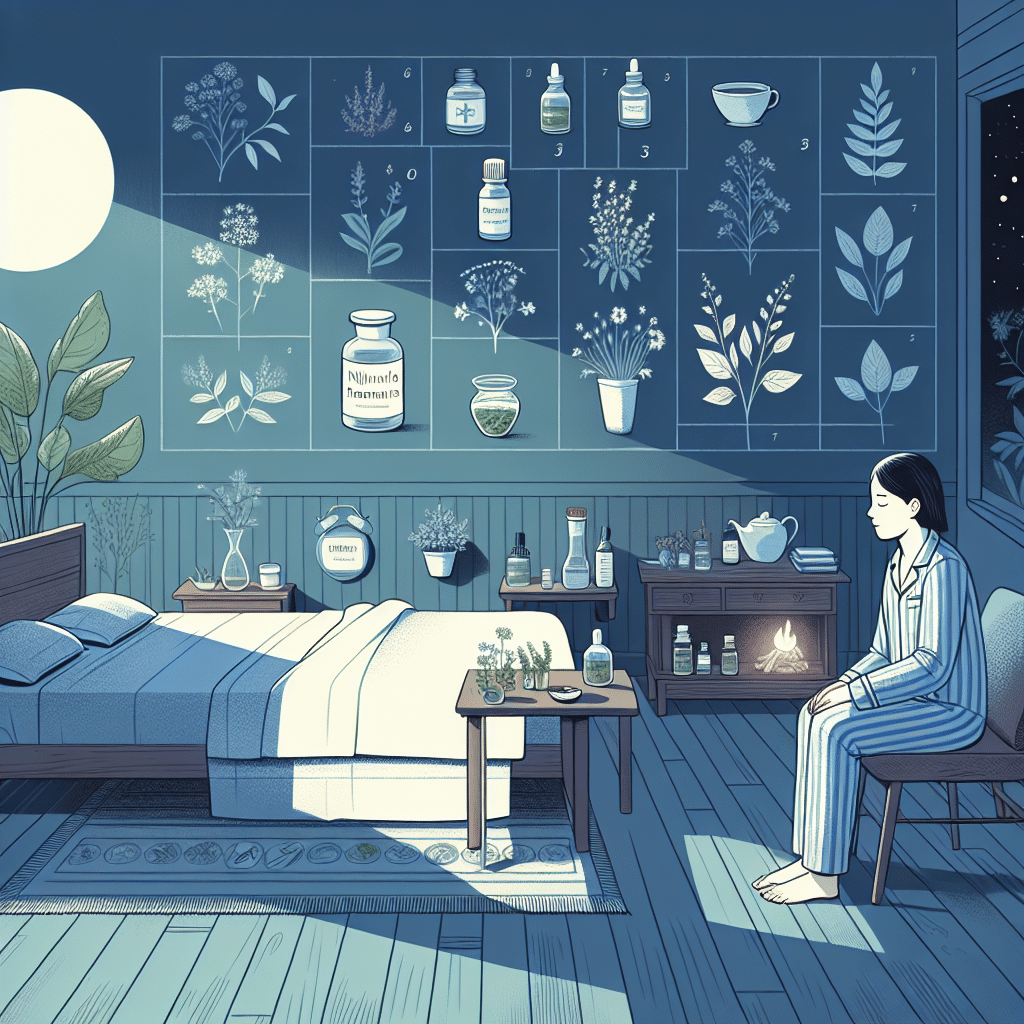
  3. Lavender

    • The soothing aroma of lavender can significantly reduce anxiety and promote relaxation. Consider using lavender essential oil in a diffuser or applying it to pillows before sleep.

Mindfulness and Relaxation Techniques

  1. Meditation

    • Practicing mindfulness meditation can reduce anxiety and improve overall sleep quality. Focus on your breath and let go of racing thoughts.
  2. Deep Breathing Exercises

    • Engage in deep breathing exercises to calm your mind and body. Inhale deeply through your nose for a count of four, hold for four, and exhale through your mouth for a count of six.
  3. Progressive Muscle Relaxation

    • This technique involves tensing and then relaxing each muscle group in the body. Start from your toes and work your way up to your head, promoting overall relaxation before sleep.

Cognitive Behavioral Approaches

Cognitive Behavioral Therapy (CBT) can be a highly effective way to deal with nightmares and night terrors. It involves identifying and changing negative thought patterns associated with sleep disturbances.

  1. Imagery Rehearsal Therapy (IRT)

    • IRT involves rewriting the script of a nightmare while awake. By visualizing a more positive ending, one can reduce the frequency and intensity of the original nightmare.
  2. Keeping a Dream Journal

    • Recording nightmares in a dream journal can help identify triggers and patterns, leading to better management strategies.

Essential Oils and Aromatherapy

  1. Bergamot Oil

    • Known for its calming effects, bergamot essential oil can be diffused in the bedroom to create a soothing atmosphere that encourages restful sleep.
  2. Sandalwood Oil

    • The earthy aroma of sandalwood can help induce tranquility. A few drops on a cotton ball placed under your pillow can impart a calming scent throughout the night.

Lifestyle Adjustments

  1. Limit Screen Time

    • Reducing exposure to screens at least one hour before bed can help improve sleep quality. Blue light emitted from devices can interfere with melatonin production.
  2. Regular Physical Activity

    • Engaging in regular exercise during the day can improve sleep quality. Aim for at least 30 minutes of moderate-intensity activity or 150 minutes of moderate aerobic activity per week.

Seeking Professional Help

If nightmares and night terrors persist despite trying natural remedies, consulting a healthcare provider or sleep specialist can be beneficial. They may conduct sleep studies to determine underlying disorders or recommend additional therapies.

Addressing Underlying Stress and Anxiety

  1. Therapeutic Techniques

    • Professional therapy, including talk therapy or art therapy, can help individuals work through stressors contributing to sleep disturbances.
  2. Engage in Support Groups

    • Connecting with others experiencing similar issues can provide comfort and shared coping strategies.

Conclusion

Effective management of nightmares and night terrors often requires a multifaceted approach that includes natural remedies, lifestyle changes, and, when necessary, professional guidance. By implementing these strategies, many individuals find improvements in their sleep quality and overall well-being.

natural remedies for nightmares and night terrors

natural remedies for nightmares and night terrors

Understanding Nightmares and Night Terrors

Nightmares and night terrors are common sleep disturbances that can affect individuals of all ages. Nightmares are vivid dreams that elicit fear or anxiety and typically occur during the REM (rapid eye movement) sleep phase. These dreams often recall distressing themes that can lead to awakening, leaving a lingering sense of dread. Night terrors, on the other hand, usually occur during deep non-REM sleep and involve extreme emotional reactions, such as screaming or thrashing, often with little recollection of the episode upon awakening.

These disturbances can be caused by various factors including stress, anxiety, dietary choices, and medical conditions. While many people occasionally experience nightmares or night terrors, persistent occurrences can lead to sleep deprivation and daytime fatigue.

Natural Remedies for Nightmares

  1. Aromatherapy

Aromatherapy is the practice of using essential oils to promote mental and physical well-being. Certain essential oils such as lavender, chamomile, and bergamot have calming effects that can help reduce anxiety and improve sleep quality. Lavender, for instance, has been shown to decrease heart rate and blood pressure, promoting relaxation.

  • How to Use: Diffuse essential oils in your bedroom before going to sleep, or apply a few drops on your pillowcase for a calming scent.
  1. Herbal Teas

Herbal teas are a natural way to unwind before sleep. Chamomile, valerian root, and passionflower are well known for their sedative properties. Chamomile tea, in particular, can help calm the nervous system and reduce anxiety levels.

  • How to Use: Prepare a cup of herbal tea about 30 minutes before bedtime. Avoid caffeine or stimulating teas in the evening.
  1. Sleep Hygiene

Maintaining good sleep hygiene is crucial for preventing nightmares and night terrors. Establishing a consistent sleep schedule and creating an ideal sleep environment can have significant effects on sleep quality.

  • Tips: Keep your bedroom dark, cool, and quiet. Avoid screens (phones, TVs) one hour before bedtime, and engage in relaxing activities such as reading or meditative practices.
  1. Mindfulness and Meditation

Mindfulness practices, like meditation and deep-breathing exercises, can significantly reduce stress and anxiety levels, which are common triggers for nightmares. Mindfulness encourages staying present in the moment, which can help alleviate fear and anxiety associated with negative experiences.

  • How to Use: Dedicate 10-20 minutes daily to mindfulness meditation. Focus on your breath or practice guided visualization techniques to promote relaxation before sleep.
  1. Dietary Adjustments

What you consume can have a profound impact on your sleep quality. Incorporating foods that promote serotonin production can help regulate your mood and sleep patterns. Foods rich in magnesium, such as nuts, seeds, and leafy greens, have calming effects.

  • Recommendation: Avoid heavy meals, caffeine, and alcohol close to bedtime. Instead, opt for a light snack like yogurt or a banana.
  1. Magnesium Supplements

Magnesium is a mineral that plays a vital role in sleep regulation. Studies suggest that adequate magnesium levels can reduce the occurrence of insomnia and improve sleep quality. By helping to regulate neurotransmitters, magnesium can promote relaxation and reduce anxiety-related sleep disturbances.

  • Dosage: Consult with a healthcare provider for appropriate dosages. Magnesium-rich foods include spinach, almonds, and black beans.
  1. Cognitive Behavioral Therapy for Insomnia (CBT-I)

CBT-I is an evidence-based psychological treatment aimed at addressing the thoughts and behaviors that contribute to sleep problems. For those whose nightmares or night terrors stem from underlying anxiety or stress, CBT-I can provide tools to manage these thoughts and ultimately improve sleep quality.

  • How to Use: Seek a therapist trained in CBT-I. Sessions will typically involve a combination of cognitive restructuring and behavioral strategies.
  1. Journaling

Keeping a dream journal can help you process your nightmares and understand potential triggers. Writing down your nightmares may lessen their emotional charge and reveal patterns over time. This practice can also help you confront fears that may be contributing to your sleep disturbances.

  • How to Use: Keep a journal by your bedside. Write down your dreams as soon as you wake up to capture the details while they are fresh in your mind.
  1. Limiting Stimulant Intake

Stimulants like caffeine and nicotine can increase anxiety levels and disrupt sleep. Reducing or eliminating these substances, especially in the evening, can help prevent nightmares and night terrors.

  • Suggestion: Aim to cut out caffeine by mid-afternoon and consider alternatives like herbal teas or decaf options.
  1. Physical Activity

Regular physical activity has been shown to improve sleep quality and reduce symptoms of stress and anxiety. Exercise helps regulate the body’s circadian rhythms and promotes deeper sleep phases, which can minimize the likelihood of nightmares and night terrors.

  • Recommendation: Aim for at least 30 minutes of moderate exercise, such as walking or yoga, most days of the week.
  1. Guided Imagery

Guided imagery or visualization is a relaxation technique that can help create a sense of calm. By imagining positive and peaceful scenarios before bedtime, you can help reduce anxiety and prepare your mind for sleep.

  • How to Use: Spend a few minutes visualizing a serene landscape or recalling happy memories, allowing yourself to experience the emotions related to those images.
  1. Safe Sleep Space

Creating a secure and comforting sleep environment can play a crucial role in minimizing nightmares and night terrors. Soft lighting, comfortable bedding, and familiar objects can promote a sense of safety and relaxation.

  • Tips: Consider incorporating comforting items such as stuffed animals, blankets, or soft lighting to create a nurturing space.

Natural Remedies for Night Terrors

  1. Establishing a Routine

Children often experience night terrors, and establishing a nightly routine can help create a sense of security that may reduce their frequency. Consistent bedtime routines promote relaxation and signal to the brain that it is time to wind down.

  • Practice: Create a calming pre-sleep ritual that may include bathing, reading stories, or gentle stretching.
  1. Sleep Positioning

In some cases, changing sleep positions may help reduce night terrors. Sleeping on one’s back is associated with increased occurrences, while side sleeping may mitigate some of the physical reactions during an episode.

  • Gold Standard: Encourage side-sleeping for children who frequently experience night terrors.
  1. Gradual Awakenings

If night terrors are particularly recurrent, gradual awakenings may help. By gently rousing the individual from sleep before an anticipated episode, you can break the cycle and prevent the terror from occurring.

  • Technique: Set an alarm to wake the individual about 15-30 minutes before their normal night terror episodes, providing a gentle nudge back into full wakefulness.
  1. Creating a Calm Environment

A calming sleep space can minimize factors that contribute to night terrors. Eliminating excessive noise, keeping the room at a comfortable temperature, and ensuring optimal darkness are effective strategies.

  • Implementation: Use white noise machines or blackout curtains to create an environment conducive to sound, restful sleep.
  1. Natural Supplements

Some studies suggest that certain natural supplements, such as valerian root and melatonin, may help manage sleep disturbances, including night terrors. These supplements can create a calming effect, making it easier to relax into sleep.

  • Consultation: Always talk to a healthcare professional before starting any supplements, especially for children.
  1. Parent Education

Parents of children who experience night terrors should be educated about the condition to better understand and manage episodes. Knowing that night terrors are common and typically resolve with time can provide reassurance.

  • Encouragement: Networking with other parents or seeking guidance from sleep specialists can provide valuable support.
  1. Limiting Overstimulation

Both children and adults can become overstimulated before bedtime, leading to increased anxiety and night terrors. Reducing screen time and stimulating activities in the evening can contribute to a more peaceful pre-sleep environment.

  • Guidelines: Transition to quiet activities such as reading or drawing in the hour before bedtime.
  1. Deep Breathing Techniques

Teaching children deep-breathing techniques can help them learn to manage feelings of anxiety, which may be associated with night terrors. Deep breathing promotes relaxation, making it easier to transition into sleep.

  • How to Teach: Show them how to take deep breaths, inhaling for a count of four and exhaling for a count of six.
  1. Therapeutic Methods for Adults

For adults, therapeutic methods like EMDR (Eye Movement Desensitization and Reprocessing) may help those with recurring nightmares or night terrors linked to past trauma. EMDR can facilitate the processing of painful memories that contribute to sleep disturbances.

  • Recommendation: Consult with a licensed therapist trained in EMDR for appropriate treatment.
  1. Avoidance of Triggers

Identifying triggers for nightmares and night terrors can play a crucial role in prevention. Common triggers include stress, anxiety, and lifestyle choices. Keeping a sleep diary can help identify specific patterns or food, activity, or technology-related triggers.

  • Documentation: Note down any occurrences of nightmares or night terrors along with the daily activities leading up to the disturbances.

Exploring Professional Help

In some cases, natural remedies may not be enough to address persistent nightmares and night terrors. If sleep disturbances cause significant distress or are affecting day-to-day functioning, professional help is essential. A healthcare provider can evaluate underlying causes, offer tailored treatment plans, and determine whether further interventions are necessary.

Natural remedies provide gentle, holistic approaches to managing nightmares and night terrors. By incorporating various strategies, individuals can promote better sleep, reduce the frequency of sleep disturbances, and ultimately cultivate a more peaceful nighttime experience.

gadgets for meditation and relaxation before bed

gadgets for meditation and relaxation before bed

Gadgets for Meditation and Relaxation Before Bed

1. Smart Sleep Masks

Smart sleep masks are revolutionizing how we relax and prepare for sleep. These masks often feature built-in headphones that play soothing sounds or guided meditations. Many models come equipped with blue light-blocking materials, promoting melatonin production. Notable models such as the Mavogel Sleep Mask are crafted for comfort while effectively blocking out light, ideal for bedtime meditation.

2. Meditation Apps

Multiple meditation apps are available, suitable for both beginners and seasoned practitioners. Calm and Headspace are two popular choices that offer extensive libraries of guided meditations tailored to various needs. Users can choose sessions of differing lengths, making it easy to fit meditation into even the busiest of nights. Both apps also feature sleep stories designed to lull users into a restful state.

3. Aromatherapy Diffusers

Aromatherapy is an age-old technique used for relaxation. Modern gadgets like essential oil diffusers enhance this practice by dispersing fragrant oils in a fine mist. Oils like lavender and chamomile are perfect for bedtime use, promoting relaxation and improved sleep quality. Devices like the Vitruvi Stone Diffuser blend beautifully into home décor while performing their aromatherapeutic magic.

4. White Noise Machines

For those who find sleep elusive in silence, white noise machines can provide a consistent background sound that promotes relaxation. Devices like the LectroFan offer numerous sound options, including fan sounds and natural environments, essentially masking intrusive noises. The constant, low-frequency sounds create an ideal atmosphere for meditation and sleep.

5. Guided Meditation Speakers

Devices like the Flytegeist Meditation Speaker offer a unique audio experience, combining guided meditation with immersive soundscapes. These speakers can be strategically placed near your meditation space, allow for wireless charging, and feature projector capabilities to enhance the experience visually. The blend of sensory experiences heightens relaxation and deepens your meditative state.

6. Weighted Blankets

Weighted blankets have gained popularity for their calming effects. The gentle pressure mimics a hug, reducing anxiety and promoting a sense of security. They can effectively enhance meditation time spent before bed, as their weight encourages deep relaxation. Brands like Gravity have developed high-quality options, ensuring that bedtime rituals become a time of comfort and serenity.

7. Smart Pillows

Smart pillows, such as the Naptime Pillow, track sleep patterns and offer personalized recommendations to enhance sleep quality. Some smart pillows also integrate speakers to play gentle sounds or guided meditations. Furthermore, specific designs are formulated to provide ergonomic support during bedtime relaxation sessions.

8. Relaxation Light Therapy Devices

Light therapy gadgets, like the Philips Somneo Sleep and Wake-up Light, utilize natural light to help regulate sleep patterns. These devices simulate natural sunlight at sunrise to ease you into waking, or they can dim relaxingly to help transition you to sleep. Incorporating this gradual light change into your bedtime routine enhances mindfulness and relaxation, preparing your mind for meditation.

9. Yoga and Stretching Gadgets

Tools like yoga wheels and stretching straps can also enhance your pre-bedtime routine. Integrating gentle yoga or stretching can help release tension accumulated throughout the day. The Liforme Yoga Wheel is great for improving flexibility, while stretching straps like the ProForm Stretch Strap guide you through safe and effective stretches, promoting relaxation.

10. Meditation Cushions

Physical comfort during meditation is crucial, particularly as you transition to sleep. Meditation cushions like the Zafu Cushion provide important support for seated meditation practices. Their design helps align your posture, allowing your focus to remain grounded on your breathing and mindfulness practices instead of physical discomfort.

11. Breathing Technique Gadgets

Devices like the Spire Stone support guided breathing exercises. This simple yet innovative gadget attaches to your clothing and monitors your breathing patterns, providing feedback that encourages relaxation and mindfulness. It’s an effective tool for those who seek to integrate deep breathing into their meditation routine and promote relaxation before bed.

12. Meditation Wearables

Wearable technology often blurs the line between relaxation and fitness. The Muse Headband is a unique device that offers real-time feedback on your brain activity while you meditate. It uses EEG sensors to provide analytics that allows users to refine their meditation practices for better relaxation. This gadget not only tracks your progress but also encourages deeper mindfulness through focused meditation sessions.

13. Himalayan Salt Lamps

Himalayan salt lamps not only enhance the ambiance of your bedroom with their warm, inviting glow but are also believed to improve overall air quality. This serene lighting is conducive to relaxation and meditation. Salt lamps produce negative ions when heated, which may reduce stress and create a calming environment for nightly routines.

14. Meditation Rocks or Crystals

While not traditional gadgets, incorporating meditation rocks or crystals can significantly enhance your relaxation routine. Crystals such as amethyst and rose quartz are known for their calming properties. Pair them with guided meditation sessions for a comprehensive relaxation experience. Consider using a small pouch to keep your crystals nearby during meditation or to place them on your nightstand as a reminder to embrace peace and mindfulness.

15. Personal Sound Bath Devices

Devices like the Singing Bowl or the Forest Echo promote relaxation through sound. These personal sound bath instruments create soothing vibrations and noises that can aid in deeper meditation and relaxation. By integrating sound into nightly routines, users can more easily transition into a restful state of mind.

16. Online Virtual Classes

While not traditional gadgets, accessing online videos and classes can effectively enhance your bedtime mindfulness routine. Platforms like YouTube feature countless resources, offering guided meditation sessions and yoga practices focused on relaxation. Engaging with experts provides a firm structure to follow, encouraging regular practice before sleep.

17. Temperature-Controlled Sleep Products

Optimal sleep temperature is crucial for relaxation. Products like the ChiliPad control the temperature of your bedding, allowing you to create a sleep environment tailored to your needs. Lowering your body temperature before sleep is an effective way to signal your body that it’s time to unwind.

18. Smartwatches with Relaxation Features

Modern smartwatches like the Apple Watch and Fitbit often include guided breathing exercises and relaxation reminders integrated into their fitness tracking capabilities. These devices promote consistency in your nightly routine and serve as gentle nudges to take time for meditation or relaxation.

19. Biofeedback Devices

Biofeedback devices, such as the HeartMath Inner Balance, help users learn to manage physical signs of stress. These devices monitor heart rate variability and provide real-time feedback on relaxation levels. Understanding your physical responses to stress can lead to more effective meditation practices, improving overall relaxation.

20. Mood-Enhancing Apps and Gadgets

Finally, gadgets like the Moodbeam let you track your mood throughout the day. Monitoring emotional states can lead to increased mindfulness, as you learn to notice triggers and respond with appropriate relaxation strategies before bedtime. This forms a holistic approach to meditation and relaxation, bringing deeper awareness to your pre-bed rituals.

By integrating these gadgets into your bedtime routine, you can significantly enhance your meditation and relaxation practices, paving the way to a more restful night and an improved overall sense of well-being. Each item in this collection caters to various aspects of relaxation and mindfulness, ensuring that individuals can find what works best for their unique needs.

restless leg syndrome sleep problems

restless leg syndrome sleep problems

Understanding Restless Leg Syndrome and Its Impact on Sleep

What is Restless Leg Syndrome (RLS)?
Restless Leg Syndrome (RLS), also known as Willis-Ekbom Disease, is a neurological condition characterized by an uncontrollable urge to move the legs, often accompanied by uncomfortable sensations. These sensations can include tingling, prickling, or itching, primarily occurring during inactivity, especially at night. This condition can severely disrupt sleep patterns, leading to significant consequences for overall health and well-being.

Symptoms of RLS
The hallmark symptoms of RLS include:

  • An overwhelming urge to move the legs, particularly during periods of inactivity.
  • Unpleasant sensations in the legs, described as creeping, crawling, or tingling.
  • Symptoms that typically worsen in the evening or night.
  • Partial relief of symptoms through movement, like walking or stretching.

Types of RLS
RLS can be classified into two main types:

  1. Primary (or Idiopathic) RLS: This form occurs without any identifiable cause and often has a genetic component.
  2. Secondary RLS: This type is caused by specific medical conditions or lifestyle factors, such as iron deficiency, pregnancy, diabetes, or medications.

The Sleep Connection
One of the most debilitating effects of RLS is its impact on sleep. Many individuals with RLS experience insomnia or poor sleep quality due to the discomfort of their legs. Understanding the relationship between RLS and sleep disturbances is crucial for effective management.

How RLS Disrupts Sleep

Sleep Initiation Problems
People with RLS often find it difficult to fall asleep due to the urge to move their legs. As bedtime approaches, anxiety can build up, exacerbating the symptoms. This results in extended periods of wakefulness, making it tough to enter the deeper stages of sleep.

Sleep Maintenance Issues
Even if a person with RLS manages to fall asleep, they may frequently awaken throughout the night because of discomfort or urgency to move their legs. This leads to fragmented sleep, which can prevent the individual from achieving restful, restorative sleep cycles.

Increased Awareness of Symptoms
As night falls, RLS symptoms may intensify. Individuals may become hyper-aware of their sensations, leading to self-perpetuating cycles of insomnia. This heightened awareness can cause anxiety about sleep and reinforce restless tendencies, leading to a vicious cycle.

Daytime Consequences
The impact of RLS extends beyond the nighttime hours. Sleep deprivation can lead to daytime drowsiness, impaired cognitive function, mood disorders like anxiety and depression, and diminished overall quality of life. The constant fatigue can affect work performance and interpersonal relationships.

Diagnostic Criteria and Tools

Diagnosing RLS typically involves:

  • A thorough medical history.
  • An assessment of symptoms following the International Restless Legs Syndrome Study Group (IRLSSG) criteria, which include specific features of RLS.
  • Ruling out other conditions, particularly through a polysomnography (sleep study) or blood tests to check for iron deficiency or other underlying disorders.

Treatment Options for RLS

Lifestyle Modifications
Many individuals can alleviate symptoms through lifestyle changes. These may include:

  • Regular Exercise: Engaging in moderate exercise can alleviate symptoms but should be avoided close to bedtime.
  • Sleep Hygiene: Establishing a regular sleep schedule, creating a calming nighttime routine, and optimizing the sleep environment can improve sleep quality.
  • Dietary Changes: Avoiding caffeine, alcohol, and nicotine can lessen symptoms since these substances can exacerbate RLS episodes.

Iron Supplementation
A common underlying issue in secondary RLS is iron deficiency. Therefore, increasing dietary iron intake or taking iron supplements under medical supervision can dramatically reduce symptoms for some individuals.

Pharmacologic Treatments
If lifestyle changes are ineffective, several medications may be used:

  • Dopaminergic agents: Such as Ropinirole and Pramipexole, are effective in reducing symptoms by increasing dopamine levels in the brain.
  • Gabapentin: Often prescribed for neuropathic pain, it can also alleviate RLS symptoms.
  • Opioids: In severe cases, these can be effective but are typically considered a last resort due to the potential for addiction.

Management of RLS in Special Populations

Pregnant Women
RLS is common during pregnancy, especially in the third trimester. Safe management strategies may include leg massages, hot baths, or relaxation techniques. Consultation with a healthcare provider is essential for determining safe medications.

Older Adults
Elderly individuals with RLS may face unique challenges due to potential interactions with other medications and age-related variations in metabolism. Medications should be carefully chosen, emphasizing non-pharmacological approaches whenever possible.

Alternative Therapies

Some individuals find relief through alternative treatments, although these should complement, not replace, medical advice:

  • Acupuncture: Preliminary studies suggest that acupuncture may help reduce the symptoms of RLS.
  • Yoga and Stretching: Regular stretching exercises may alleviate discomfort and improve flexibility. Yoga, particularly restorative practices, may enhance relaxation and sleep quality.

Conclusion

Addressing RLS requires a multifaceted approach that considers individual symptoms and lifestyle factors. Consistent communication with healthcare providers is key to finding the most effective treatments and improving sleep quality. While RLS can be challenging, understanding the condition and seeking appropriate interventions can lead to better management and improved quality of life.