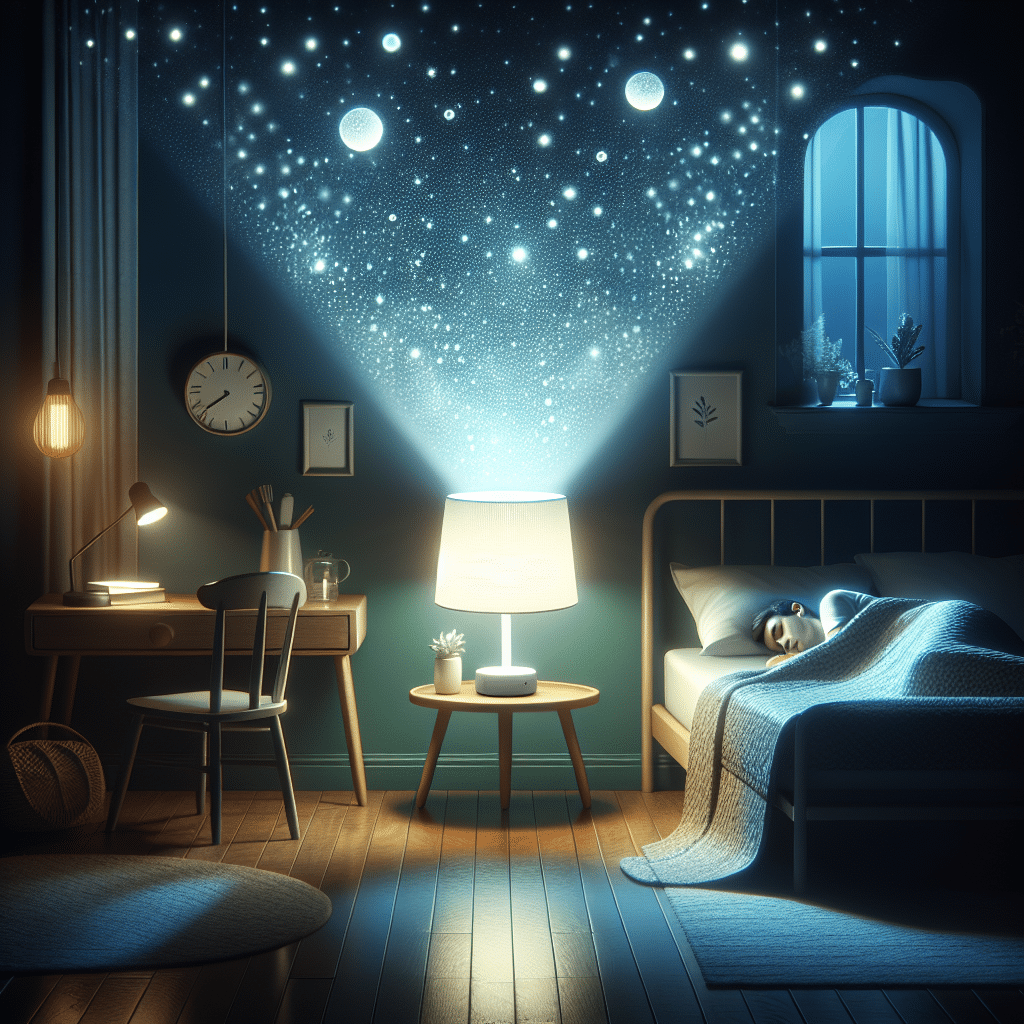
Understanding Light Therapy for Sleep Disorders
What is Light Therapy?
Light therapy, also known as phototherapy, involves the controlled exposure to specific wavelengths of light to influence biological processes in the body. The most common application of light therapy in relation to sleep disorders involves the use of bright light to regulate circadian rhythms, the internal biological clocks that dictate sleep-wake cycles.
How Light Affects Sleep Regulation
Human beings are wired to respond to light exposure, which affects melatonin production, a hormone that regulates sleep. Natural sunlight has a significant role in signaling to our bodies when it’s time to wake up or sleep. During the day, exposure to bright light helps suppress melatonin production, promoting alertness. Conversely, as the sun sets, reduced light levels signal the body to produce melatonin, facilitating sleep.
Benefits of Light Therapy for Sleep Disorders
-
Resetting Circadian Rhythms: Light therapy is especially beneficial for individuals suffering from circadian rhythm disorders, such as Delayed Sleep Phase Disorder (DSPD) or Advanced Sleep Phase Disorder (ASPD). By exposing these individuals to specific wavelengths of bright light in the morning, their sleep-wake cycles can align more closely with natural day-night patterns.
-
Combatting Seasonal Affective Disorder (SAD): Seasonal Affective Disorder, characterized by depressive symptoms that occur in relation to seasonal changes, often affects sleep patterns. Exposure to bright, artificial light can relieve symptoms of SAD, leading to improved sleep quality and duration.
-
Enhanced Mood: Beyond its effects on sleep, light therapy has been found to improve mood, potentially making it easier for individuals to settle into a regular sleep schedule. By increasing serotonin production in the brain, light therapy can help combat the feelings of lethargy that accompany sleep disorders.
Types of Light Therapy Devices
Several types of light therapy devices are available on the market, tailored to different needs and environments.
-
Light Boxes: These are the most common light therapy devices. Light boxes emit a broad spectrum of bright light—usually around 10,000 lux—mimicking natural daylight. They are typically used for 20 to 30 minutes daily, preferably in the morning. Effective for treating SAD and resetting sleep cycles, light boxes are often recommended by sleep therapists.
-
Dawn Simulators: Dawn simulators are alarm clocks designed to gradually increase light intensity to simulate a natural sunrise. They can enhance morning alertness and assist individuals with sleep onset issues, such as those with insomnia.
-
Wearable Light Devices: These are portable devices that provide light therapy on the go. They may come in the form of glasses with embedded lights or bands that wrap around the head. They are particularly useful for those who travel frequently or have shift work disorders.
-
Light Therapy Lamps: Similar to light boxes, these lamps are designed for usage in personal spaces, providing convenient exposure at home or work. They are versatile and can also serve as ambient lighting, making them ideal for prolonged use.
-
Blue Light Therapy Devices: Targeting specific wavelengths, these devices utilize blue light, known to have an invigorating effect. It can enhance alertness and cognitive performance, although it’s critical to regulate exposure to avoid disrupting melatonin production before bedtime.
Best Practices for Using Light Therapy
-
Timing is Key: To achieve the best results, it’s essential to use light therapy in the morning, especially for individuals with delayed sleep phase syndrome. Consult a healthcare professional for personalized recommendations based on individual sleep patterns.
-
Duration of Exposure: General guidelines recommend 20 to 30 minutes of exposure. However, individuals may need to adjust based on their unique reactions and specific sleep issues.
-
Distance from the Light Source: Most light boxes require users to sit about 16 to 24 inches away. Always check the manufacturer’s instructions for optimal distance guidelines.
-
Avoiding Evening Exposure: Using light therapy devices, especially those that emit blue light, in the evening can negatively affect melatonin production and disrupt sleep. Reserve these devices primarily for morning use.
-
Consistency: For sustained benefits, consistency is crucial. Make light therapy a daily routine, especially during the darker winter months or periods of sleep disruption.
Potential Side Effects
While generally considered safe, light therapy can lead to side effects, including:
- Eye strain
- Headaches
- Insomnia if improperly timed
- Irritability
Individuals with specific eye conditions or those taking photosensitive medications should consult a healthcare provider before starting light therapy.
Evaluating Light Therapy Devices
When selecting a light therapy device, consider the following:
- Light Intensity: Opt for devices that emit at least 10,000 lux for effective treatment.
- UV Filters: Ensure the device filters out ultraviolet light to minimize the risk of skin damage.
- Adjustability: Look for dimmable options and adjustable angles or heights for maximum comfort and effectiveness.
- Reputation and Reviews: Research customer reviews and professional endorsements, especially from sleep specialists.
Integration with Other Treatments
Light therapy can be effectively combined with other sleep disorder treatments, such as cognitive behavioral therapy for insomnia (CBT-I), melatonin supplements, or lifestyle modifications that promote better sleep hygiene. Individualized treatment plans crafted with the guidance of healthcare professionals often yield the best outcomes.
Conclusion
Light therapy devices represent a promising avenue for managing sleep disorders, offering a non-invasive, drug-free option to improve sleep quality and align circadian rhythms. Through proper use, these devices can contribute significantly to restorative sleep and overall well-being.
Incorporating the right light therapy device into daily routines can create a balanced approach to tackling sleep disorders and improving overall quality of life.