
stress-related insomnia relief remedies

stress-related insomnia relief remedies

Understanding Stress-Related Insomnia

Stress-related insomnia is a common issue that affects millions of people worldwide. Characterized by difficulty falling asleep or staying asleep due to high stress levels, this condition can impact overall health and well-being. Fortunately, various remedies can help relieve stress-related insomnia. This article explores practical strategies to promote better sleep.

1. Create a Sleep-Inducing Environment

Optimize Your Bedroom

Your sleep environment plays a critical role in your ability to rest. To create an ideal sleep setting:

  • Darkness: Use blackout curtains to minimize light exposure. Darkness signals your body that it’s time to rest.
  • Quietness: Consider soundproofing your room or using white noise machines to drown out disruptive sounds.
  • Cool Temperature: Maintain a comfortable sleeping temperature, ideally between 60-67°F (15-19°C).

Select Comfortable Bedding

Invest in high-quality, breathable sheets and a comforting pillow. The right mattress support can also enhance your sleep quality.

2. Establish a Consistent Sleep Schedule

Prioritize Routine

Going to bed and waking up at the same time every day helps regulate your body’s internal clock. This consistency reinforces your sleep-wake cycle, making it easier to fall asleep and wake up rested.

3. Limit Screen Time Before Bed

Reduce Blue Light Exposure

The blue light emitted from screens can interfere with melatonin production, the hormone responsible for regulating sleep. Aim to disconnect from all electronic devices at least one hour before bedtime. Instead, engage in calming activities like reading or meditative practices.

4. Adopt Relaxation Techniques

Mindfulness Meditation

Mindfulness meditation encourages relaxation by focusing your mind on the present moment. Regular practice can help alleviate stress and anxiety, making it easier to sleep.

To practice mindfulness:

  • Find a quiet space.
  • Focus on your breath and the sensations in your body.
  • Acknowledge any thoughts that arise without judgment, then gently bring your focus back to your breath.

Progressive Muscle Relaxation (PMR)

Progressive Muscle Relaxation involves tensing and relaxing different muscle groups to reduce physical tension and promote relaxation.

Steps for PMR:

  • Start with your toes, tensing and holding the tension for a few seconds before relaxing.
  • Progressively move up through your legs, abdomen, arms, and face.

5. Utilize Aromatherapy

Essential Oils for Sleep

Aromatherapy can provide calming effects to help ease stress-related insomnia. Some effective essential oils include:

  • Lavender: Known for its soothing properties, lavender can promote relaxation.
  • Chamomile: Often used in teas, chamomile essential oil can also calm nerves.
  • Cedarwood: This earthy scent is believed to improve sleep quality.

How to Use Essential Oils

Consider diffusing essential oils in your bedroom or adding a few drops to your pillowcase for a relaxing effect.

6. Engage in Physical Activity

Regular Exercise

Regular physical activity can significantly reduce stress and improve sleep quality. Aim for at least 30 minutes of moderate exercise most days of the week. Options include:

  • Walking or jogging: Simple outdoor activities can enhance mood and promote restful sleep.
  • Yoga: This combination of physical activity and mindfulness can relieve tension and foster relaxation.

Timing Matters

Avoid vigorous exercise close to bedtime, as it may energize you and hinder your ability to fall asleep.

7. Mind Your Diet

Avoid Stimulants

Caffeine and nicotine can disrupt your sleep. To improve sleep quality, reduce or eliminate these substances, especially in the hours leading to bedtime.

Incorporate Sleep-Promoting Foods

Certain foods can enhance sleep quality. Consider incorporating the following into your evening meals:

  • Almonds: A source of magnesium, almonds can help with sleep regulation.
  • Kiwi: Studies have suggested that kiwifruits may improve sleep onset, duration, and efficiency.
  • Fatty Fish: Fish like salmon and trout are rich in omega-3 fatty acids and vitamin D, both linked to improved sleep quality.

8. Consider Herbal Remedies

Herbal Supplements

Natural supplements can be beneficial for those dealing with stress-related insomnia. Consider the following options:

  • Melatonin: This hormone supplement can help regulate sleep cycles.
  • Valerian Root: Valerian has been used traditionally to promote relaxation and improve sleep quality.
  • Passionflower: Known for its anxiety-relieving properties, passionflower may help facilitate restful sleep.

Consult with a healthcare provider before starting any new supplement regimen.

9. Implement Cognitive Behavioral Therapy (CBT)

Explore CBT-I

Cognitive Behavioral Therapy for Insomnia (CBT-I) is an effective treatment designed to address negative thoughts and behaviors surrounding sleep. This structured program typically involves:

  • Identifying thoughts that contribute to insomnia.
  • Developing coping mechanisms to manage anxiety.
  • Establishing a healthy sleep routine.

Consider seeking a trained therapist familiar with CBT-I techniques for personalized support.

10. Journaling Before Bed

Write It Out

Journaling can provide an emotional outlet for stress and anxiety. Before bed, take a few moments to write down your thoughts, worries, or experiences of the day. This practice helps declutter your mind, making it easier to drift off to sleep.

11. Seek Professional Help

When to Consult a Doctor

If insomnia persists despite trying these remedies, consider consulting a healthcare professional. They can evaluate any underlying issues contributing to your sleep disturbances and recommend appropriate treatments, which may include therapy or medication.

12. Practice Gratitude

Daily Gratitude Exercises

Fostering a mindset of gratitude can transform your overall outlook. Spend a few minutes each night reflecting on the positive aspects of your day, no matter how small. This practice can shift focus away from stressors and promote relaxation.

13. Limit Naps

Be Cautious About Daytime Napping

While napping can be refreshing, extended or irregular naps can interfere with nighttime sleep. If you must nap, limit it to 20-30 minutes, and do so early in the day to avoid disrupting your sleep schedule.

14. Breathing Exercises

Deep Breathing Techniques

Engaging in deep breathing exercises can reduce stress and promote relaxation. Use the 4-7-8 technique:

  1. Inhale through your nose for 4 seconds.
  2. Hold the breath for 7 seconds.
  3. Exhale through your mouth for 8 seconds.

Practice this cycle several times to calm your mind and body before sleep.

15. Limit Fluid Intake Before Bed

Hydration Timing

While staying hydrated is important, excessive fluid intake right before bed can lead to nighttime bathroom trips, disrupting your sleep. Aim to finish drinking fluids at least two hours before retiring for the night.

16. Avoid Heavy Meals at Night

Light Evening Snacks

Heavy meals can cause discomfort and disrupt sleep. Opt for light snacks if needed before bed. Foods rich in tryptophan like turkey or whole grain crackers may promote relaxation.

17. Utilize Support Networks

Reach Out to Others

Connect with friends or support groups to share experiences and strategies for managing stress and insomnia. Talking openly about your challenges can provide relief and perspective.

18. Limit Alcohol Consumption

Understand Alcohol’s Impact on Sleep

Though alcohol may initially make you feel sleepy, it disrupts sleep patterns and can exacerbate insomnia. Limiting alcohol consumption, especially in the hours leading up to bedtime, can lead to improved sleep quality.

19. Explore Acupuncture

Consider Alternative Therapies

Acupuncture has been shown to improve sleep quality and reduce stress levels for some individuals. Research or consult with a trained acupuncturist to explore this alternative healing method.

20. Engage in Mindful Breathing Exercises

Practice Mindful Breathing

Focusing on your breath can significantly reduce stress. Engage in mindful breathing exercises for a few minutes each day to promote relaxation and improve sleep quality.

By implementing a combination of these strategies, individuals suffering from stress-related insomnia can enhance their chances of achieving restful and restorative sleep. Prioritizing mental health and creating a conducive sleep environment are essential for managing this common condition effectively.

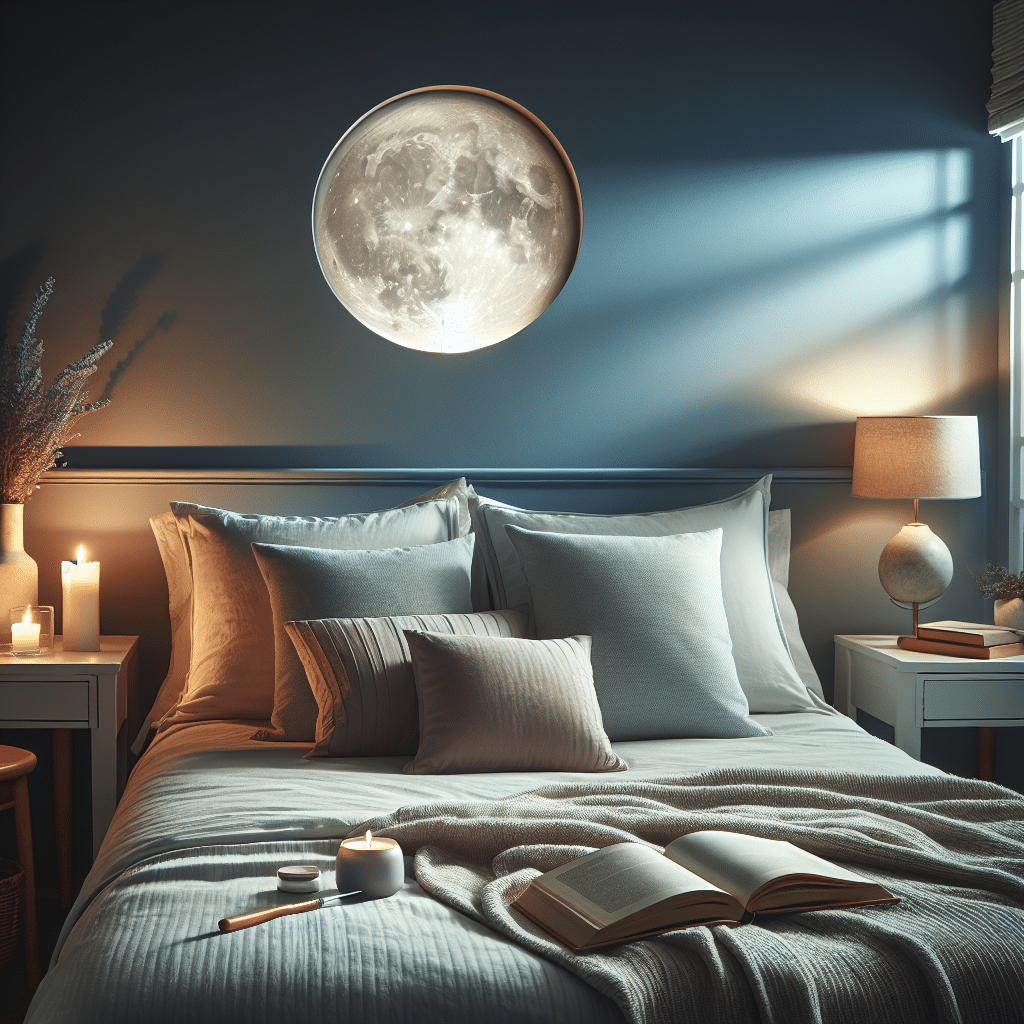
top apps and gadgets for effective sleep tracking

top apps and gadgets for effective sleep tracking

Top Apps and Gadgets for Effective Sleep Tracking

Understanding Sleep Tracking

Sleep tracking is the process of monitoring and analyzing an individual’s sleep patterns, stages, and quality. As awareness of the importance of sleep grows, technology has advanced significantly, offering a plethora of apps and gadgets that can help users achieve better sleep health.

Top Sleep Tracking Apps

  1. Sleep Cycle

    • Platform: iOS, Android
    • Overview: Sleep Cycle uses advanced algorithms to analyze your sleep patterns and wake you up in your lightest sleep phase. The app includes a smart alarm clock feature, and you can track your sleep quality over time with detailed graphs and statistics.
    • Unique Features: Integration with Apple Health, customizable sleep analysis, and soundscapes for relaxation.
  2. Pillow

    • Platform: iOS
    • Overview: A comprehensive sleep tracking app for Apple users, Pillow utilizes your iPhone or Apple Watch to monitor sleep patterns and provide an analysis of sleep quality.
    • Unique Features: Offers audio recordings of sleep sounds, integration with Apple Health, and guided meditation tools.
  3. Sleepzy

    • Platform: iOS, Android
    • Overview: Sleepzy not only tracks your sleep but also provides insights on how to improve sleep quality. The app includes a smart alarm feature that wakes you gently during light sleep.
    • Unique Features: Personalized sleep tracking reports, sleep quality score, and bedtime notifications to help establish a sleep routine.
  4. Fitbit App

    • Platform: iOS, Android
    • Overview: While primarily known for fitness tracking, Fitbit’s app provides robust sleep tracking features for users of Fitbit devices, monitoring sleep stages throughout the night.
    • Unique Features: Sleep score, detailed graphs, guided breathing exercises for relaxation, and integration with health metrics including heart rate.
  5. SleepScore

    • Platform: iOS, Android
    • Overview: SleepScore is powered by sleep science, using sonar technology to analyze sleep without the need for wearables. It provides detailed feedback on your sleep quality and tips for improvement.
    • Unique Features: SleepScore is guided by professional sleep research, offering personalized recommendations based on data collected over time.

Best Sleep Tracking Gadgets

  1. Fitbit Charge 5

    • Overview: This fitness tracker offers advanced health insights, including comprehensive sleep tracking that analyzes sleep stages and overall quality.
    • Unique Features: Daily readiness score, stress management tools, and built-in GPS for fitness tracking.
  2. Oura Ring

    • Overview: The Oura Ring is a discreet sleep and activity tracker worn on your finger. It provides detailed insights into sleep stages, readiness, and overall health.
    • Unique Features: Periodic battery life, a sleek design, and in-depth analysis of readiness based on sleep, activity, and heart rate variability.
  3. Withings Sleep Tracking Mat

    • Overview: This non-wearable sleep tracker fits under your mattress and monitors sleep cycles, heart rate, and snoring.
    • Unique Features: Provides a global sleep score, a snore detection feature, and integration with the Withings Health Mate app for detailed insights.
  4. Apple Watch Series 8

    • Overview: Beyond fitness tracking, the Apple Watch offers a variety of sleep tracking features that integrate seamlessly with the iOS ecosystem and Apple Health.
    • Unique Features: Sleep stages tracking, heart rate monitoring during sleep, and the focus mode to manage disruptions.
  5. Muse S: The Brain Sensing Headband

    • Overview: Muse S is designed for meditation and sleep, using EEG technology to provide feedback on brain activity during sleep.
    • Unique Features: Audio guides for relaxation, heart rate monitoring, and an immersive experience to improve sleep quality through mindfulness practices.

Best Practices for Using Sleep Apps and Gadgets

  • Consistent Sleep Schedule: Aim to go to bed and wake up at the same times daily, even on weekends.
  • Develop a Bedtime Routine: Engage in activities such as reading or meditation prior to sleep to aid relaxation.
  • Limit Screen Time: Reduce exposure to screens before bed to minimize blue light’s impact on melatonin production.
  • Use Sleep Analytics: Regularly review sleep data collected by apps or gadgets to identify trends and areas for improvement.

Conclusion on Integration of Tracking and Lifestyle Changes

Engaging with both sleep tracking apps and gadgets can help you cultivate better sleep hygiene and promote a healthier lifestyle overall. By understanding your sleep patterns in-depth and employing practical lifestyle changes informed by data, achieving restful sleep becomes a more attainable goal.

Final Thoughts

Incorporating innovative sleep tracking apps and gadgets into your daily routine can significantly enhance your understanding of sleep health. With a wealth of options tailored to different preferences and needs, optimizing your sleep has never been more accessible. By adopting best practices and leveraging technology, you can foster healthier sleep patterns and improve your overall well-being.

tips for stress-free bedtime routine

tips for stress-free bedtime routine

Establish a Consistent Bedtime

Creating a regular sleep schedule is pivotal in cultivating a stress-free bedtime routine. Aim to go to bed and wake up at the same time every day, even on weekends. This consistency helps regulate your body’s internal clock, leading to improved sleep quality. A scheduled bedtime can signal to your body when it’s time to wind down, reducing nighttime anxiety about not getting enough rest.

Create a Relaxing Environment

The bedroom should be a sanctuary for relaxation. Start by decluttering the space. A tidy room can help reduce subconscious stress and promote a sense of peace. Consider investing in blackout curtains to block out external light, ensuring a dark, restful environment. The temperature of the room is equally crucial; experts recommend keeping your bedroom cool, ideally between 60-67°F (15-19°C) for optimal sleep.

Limit Screen Time Before Bed

Exposure to blue light emitted from screens can interfere with the production of melatonin, the hormone responsible for sleep. Aim to turn off electronic devices at least an hour before bed. Instead of scrolling through social media or binge-watching TV, consider reading a physical book or listening to calming music. Many people find that engaging in non-screen-related activities helps settle the mind and prepares them for sleep.

Incorporate Relaxation Techniques

Incorporating relaxation techniques can significantly enhance your bedtime routine. Consider activities such as gentle yoga, deep breathing exercises, or meditation. Mindfulness meditation can lower stress levels and promote feelings of calm. As little as 10 minutes can significantly impact your ability to relax before bedtime. Various apps offer guided meditations specifically targeting sleep.

Maintain a Wind-Down Period

Set aside at least 30 minutes each night for a wind-down period. This time is dedicated to transitioning from waking activities to relaxation. During this period, engage in calming activities such as journaling, where you can express your thoughts and feelings from the day. This practice helps clear your mind, making it easier to drift off to sleep without lingering worries.

Limit Caffeine and Heavy Meals

Avoid consuming caffeine or heavy meals in the hours leading up to bedtime. Caffeine can remain in your system for hours and may interfere with your ability to fall asleep. Aim to limit caffeine intake after midday. Additionally, large meals can lead to discomfort and indigestion, hindering restful sleep. If you need a snack, opt for light options like yogurt or bananas, which can promote sleep.

Use Aromatherapy

Incorporating aromatherapy into your bedtime routine can create a soothing atmosphere conducive to sleep. Essential oils like lavender, chamomile, and bergamot are known for their calming properties. Consider using a diffuser to fill your space with these scents, or apply them to a pillow or bedding. A warm bath with scented oils before bed can enhance relaxation and signal to your body that it’s time to sleep.

Engage in Gentle Activity

While high-intensity workouts should be avoided in the evenings, gentle activities can be beneficial for winding down. Engage in light stretching or a slow walk, which can help release physical tension built up during the day. This activity not only relaxes the body but can also clear the mind, making it easier to approach sleep in a peaceful state.

Limit Fluid Intake

While staying hydrated is essential, drinking excessive fluids right before bed can lead to disruptive trips to the bathroom during the night. Aim to limit fluid intake in the last hour before bedtime. Alternatively, hydrate well throughout the day to reduce the need for excessive drinking in the evening. Remaining mindful of your fluid intake can foster uninterrupted sleep.

Create a Pre-Sleep Ritual

Creating a pre-sleep ritual can cue your body that it’s time to wind down. This ritual can include a variety of activities, such as dimming the lights, reading a few pages of a book, or enjoying herbal tea. Engaging in the same activities each night conditions your mind and body, signaling that sleep is imminent.

Keep Your Bedroom Comfortable

Beyond mere aesthetics, the comfort of your sleeping environment plays a significant role in facilitating relaxation. Ensure your mattress and pillows are supportive and comfortable according to your sleeping position. Consider investing in high-quality bedding to enhance tactile comfort. The bedding should be breathable to maintain a comfortable body temperature throughout the night.

Practice Gratitude

Taking a few moments each night to reflect on what you are grateful for can shift your focus from stressors to positive experiences, fostering a relaxed mindset. Consider keeping a gratitude journal where you jot down three things you appreciated each day. Reflecting on the positives can reduce anxiety and improve overall mental well-being before sleep.

Set Boundaries with Work

Creating a boundary between work and home life is crucial for stress management. Designate a particular area in your home for work and commit to stepping away from it after your work hours. Engage in an activity you enjoy in the evening to separate your work mindset from relaxation. Setting this boundary helps signal to your brain that it is time to switch gears and relax.

Optimize Daylight Exposure

Exposing yourself to natural light during the day can improve nighttime sleep quality. Aim to spend time outdoors, especially in the morning, and avoid excessive light exposure in the evening. Adequate daylight helps regulate your circadian rhythm, which promotes a more consistent sleep cycle, reducing stress levels associated with poor sleep.

Avoid Naps Near Bedtime

While napping can be beneficial in short durations, long or late afternoon naps can disrupt your nighttime sleep cycle. If you need to nap, aim for a short 20-30 minute power nap earlier in the day instead of late afternoon or evening. This practice can help you feel refreshed without impacting your regular nighttime rest.

Use Sleep Masks and Ear Plugs

To enhance your sleep environment and prevent distractions, consider using sleep masks and earplugs. A sleep mask can block out unwanted light, making it easier to fall asleep, while earplugs can minimize environmental noise. These tools can be particularly helpful if you live in a noisy area or have a partner who snores.

Seek Professional Help If Needed

If you consistently struggle with stress and sleep, don’t hesitate to seek professional help. A sleep specialist can provide insights tailored specifically to your circumstances. Cognitive-behavioral therapy for insomnia (CBT-I) may be a beneficial approach, addressing the underlying patterns that contribute to sleep difficulties.

By incorporating these strategies into your routine, you can create a more tranquil and enjoyable transition to sleep, allowing you to drift off without the burden of stress. Prioritizing relaxation and self-care in the evening can lead to better sleep, allowing you to awaken feeling refreshed and ready for the day ahead.

sleep disorders in older adults

sleep disorders in older adults

Understanding Sleep Disorders in Older Adults

Sleep is an essential aspect of well-being, especially as one ages. However, sleep disorders among older adults are prevalent, significantly affecting their quality of life, overall health, and daily functioning. This article delves into the various sleep disorders that affect older adults, their symptoms, causes, impacts, and available treatments.

Common Sleep Disorders in Older Adults

  1. Insomnia
    Insomnia is the most prevalent sleep disorder in older adults. It manifests as difficulty falling or staying asleep and can lead to daytime fatigue. Factors contributing to insomnia in seniors include medical conditions, medications, psychological stress, and lifestyle changes.

  2. Sleep Apnea
    Obstructive sleep apnea (OSA) is characterized by repeated interruptions in breathing during sleep. It is often associated with snoring and excessive daytime sleepiness. Risk factors include obesity, hypertension, and age-related anatomical changes in the throat.

  3. Restless Leg Syndrome (RLS)
    RLS is a neurological disorder that causes an uncontrollable urge to move one’s legs, typically due to uncomfortable sensations. It often worsens at night and can lead to significant sleep disruption. Iron deficiency and certain medications can exacerbate RLS symptoms.

  4. Circadian Rhythm Disorders
    Older adults often experience changes in their circadian rhythms, leading to disturbances such as advanced sleep phase disorder. This can result in early bedtimes and awakenings, causing issues with social obligations and overall quality of life.

  5. Narcolepsy
    Though less common, narcolepsy can occur in older adults. It is characterized by excessive daytime sleepiness and sudden sleep attacks. This disorder can severely impact daily activities and overall safety.

Causes and Risk Factors

Several factors contribute to sleep disorders in older adults:

  • Medical Conditions: Chronic health issues like arthritis, heart disease, diabetes, and neurological conditions can lead to pain and discomfort during the night, affecting sleep quality.

  • Medications: Older adults are often prescribed multiple medications, some of which can interfere with sleep. Antidepressants, antihypertensives, and corticosteroids are known culprits.

  • Mental Health: Depression, anxiety, and other psychological conditions can significantly affect sleep patterns. Older adults may withdraw from social activities, exacerbating feelings of loneliness and stress.

  • Lifestyle Changes: Retirement, loss of loved ones, and reduced physical activity can alter daily routines and contribute to sleep problems. Establishing and maintaining a healthy daily structure is crucial for promoting good sleep hygiene.

Symptoms of Sleep Disorders

Symptoms vary among different sleep disorders. Common ones include:

  • Difficulty falling asleep or staying asleep
  • Frequent waking during the night
  • Early morning awakenings
  • Daytime fatigue and lethargy
  • Difficulty concentrating
  • Mood changes, including irritability and anxiety

Impact of Sleep Disorders

  1. Cognitive Decline: Sleep is crucial for memory consolidation and cognitive functions. Disorders can lead to increased risks of dementia and other cognitive impairments.

  2. Physical Health: Chronic sleep deprivation fuels a range of health issues, including obesity, cardiovascular disease, and weakened immune response.

  3. Emotional Health: Sleep disorders can exacerbate feelings of depression and anxiety, creating a cycle that perpetuates insomnia and other sleep-related issues.

  4. Falls and Injuries: Fatigue and drowsiness increase the risk of falls, particularly in older adults. This can lead to injuries that further limit mobility and independence.

Diagnosis

Diagnosing sleep disorders usually involves a comprehensive evaluation that includes:

  • Detailed medical history
  • Sleep diaries or questionnaires to track sleep patterns
  • Physical examinations to rule out underlying conditions
  • Sleep studies (polysomnography) for disorders like sleep apnea.

Treatment Options

Addressing sleep disorders involves a multifaceted approach:

  1. Cognitive Behavioral Therapy for Insomnia (CBT-I): This evidence-based therapy helps people change their sleep habits and behaviors through techniques that promote healthier sleep patterns.

  2. Lifestyle Changes: Encouraging a structured bedtime routine, regular physical activity, and a balanced diet can significantly improve sleep quality. Limiting caffeine and alcohol intake is also beneficial.

  3. Medications: In some cases, doctors may prescribe sleep aids. However, caution is essential due to potential side effects and interactions with other medications. Non-benzodiazepine sleep medications are sometimes preferred due to a lower risk of dependency.

  4. Medical Management: Addressing underlying medical or psychological issues is crucial. For sleep apnea, continuous positive airway pressure (CPAP) machines are often the first line of treatment. Treating RLS may involve medications to alleviate symptoms.

  5. Sleep Hygiene Practices: Implementing good sleep hygiene can aid in managing symptoms of sleep disorders. This includes maintaining a cool, quiet, and dark sleeping environment and keeping electronic devices out of the bedroom.

Seeking Professional Help

Older adults experiencing persistent sleep issues should consult healthcare professionals for appropriate assessments and treatments. A multi-disciplinary approach involving sleep specialists, psychologists, and primary care providers can facilitate more comprehensive care.

Conclusion

Sleep disorders are a significant concern among older adults, impacting their health, daily functioning, and quality of life. Understanding the various types of sleep disorders, their causes, and the available treatment options is essential for better management and improved well-being. Emphasizing awareness and proactive measures can lead to better sleep health for older adults. Ensuring a good night’s sleep is not merely a desire; it is a crucial component of aging gracefully and maintaining a vibrant, fulfilling life.

proven remedies for older adults’ sleep issues

proven remedies for older adults' sleep issues

Proven Remedies for Older Adults’ Sleep Issues

Understanding Sleep Issues in Older Adults

Sleep issues are commonplace among older adults, due to a combination of physiological changes, medical conditions, and lifestyle factors. Conditions like insomnia, sleep apnea, restless legs syndrome, and circadian rhythm disturbances affect sleep quality. The following sections outline various proven remedies that can help improve sleep in older adults.

1. Sleep Hygiene

Practicing good sleep hygiene is essential. This means creating an environment conducive to sleep.

  • Consistent Sleep Schedule: Encourage going to bed and waking up at the same time daily, even on weekends. This stabilizes the body’s internal clock.
  • Comfortable Sleeping Environment: Ensure the bedroom is dark, quiet, and cool. Consider blackout curtains and white noise machines to alleviate disturbances.
  • Quality Mattress and Pillows: Invest in comfortable bedding that provides proper support for back and neck alignments.

2. Limit Daytime Napping

While short naps can be beneficial, long or irregular napping during the day can negatively impact nighttime sleep. Limiting naps to 20-30 minutes in the early afternoon can help maintain a night’s sleep schedule.

3. Regulate Light Exposure

Light plays a crucial role in regulating sleep-wake cycles.

  • Morning Sunlight: Encourage exposure to natural light in the morning. Sunlight helps signal the brain to wake up.
  • Evening Dim Light: Dimming lights in the evening can promote melatonin production, signaling the body that it is time to wind down.

4. Mindful Eating and Drinking

Diet can significantly influence sleep quality.

  • Limit Caffeine and Nicotine: Both are stimulants and can disrupt sleep. Avoid consuming them in the afternoon and evening.
  • Mindful Alcohol Consumption: While alcohol may initially make one feel sleepy, it can disrupt sleep later, so moderate intake is advisable.
  • Balanced Evening Meals: Avoid heavy meals before bed. Instead, focus on light snacks that contain tryptophan, an amino acid linked to sleep.

5. Establish a Bedtime Routine

Having a wind-down routine can signal to the body that it is time to sleep.

  • Relaxation Techniques: Engage in calming activities such as reading, gentle stretching, or meditation.
  • Mindfulness and Breathing Exercises: Practicing mindfulness or deep breathing can lower anxiety and promote relaxation. Techniques like the 4-7-8 breathing method may be particularly effective.

6. Physical Activity

Regular physical activity is an important factor in improving sleep quality.

  • Daily Exercise: Aim for at least 30 minutes of moderate exercise most days of the week. Activities can include walking, swimming, or yoga.
  • Avoid Late Exercise: Engage in more vigorous workouts earlier in the day; exercising too close to bedtime may lead to difficulty falling asleep.

7. Complementary Therapies

Various complementary therapies have demonstrated effectiveness in improving sleep among older adults.

  • Aromatherapy: Essential oils like lavender and chamomile, diffused in the bedroom, may reduce anxiety and promote relaxation.
  • Acupuncture: Some studies suggest acupuncture can help alleviate insomnia by balancing energy and reducing stress.
  • Massage Therapy: Gentle massage can help reduce tension and promote relaxation, leading to improved sleep.

8. Cognitive Behavioral Therapy for Insomnia (CBT-I)

CBT-I is a structured program that helps individuals identify and replace thoughts and behaviors that cause or worsen sleep problems.

  • Identification of Sleep Disruptors: Work with a therapist to uncover personal sleep patterns and triggers.
  • Cognitive Restructuring: Address negative thoughts about sleep that may reinforce insomnia.
  • Behavioral Techniques: Sleep restriction and stimulus control techniques can condition the body to associate the bed with sleep rather than wakefulness.

9. Melatonin Supplementation

Melatonin is a hormone that regulates sleep-wake cycles and may be beneficial for older adults experiencing sleep disturbances.

  • Consultation with Healthcare Provider: Always consult a healthcare provider before beginning supplementation, especially considering possible interactions with medications.
  • Dosage and Timing: Typically, a low dose (0.5 to 5 mg) taken 30-60 minutes before bedtime can aid sleep onset.

10. Herbal Remedies

Certain herbal remedies have been shown to promote relaxation and sleep.

  • Chamomile Tea: Known for its mild sedative properties, drinking chamomile tea before bed can help ease anxiety and promote sleep.
  • Valerian Root: Often used for its calming effect, valerian root can help improve sleep quality and reduce the time it takes to fall asleep.
  • Passionflower and Lemon Balm: These herbs have calming properties that may aid relaxation and improve sleep quality.

11. Manage Underlying Health Conditions

Chronic health issues can significantly impact sleep quality in older adults.

  • Consult with Healthcare Providers: Regular check-ups and open discussions about sleep concerns can lead to better management of conditions like arthritis, diabetes, or cardiovascular problems.
  • Medications Impact: Many medications can interfere with sleep. Speak with a healthcare provider regarding potential adjustments or alternatives.

12. Staying Mentally Active

Engaging in mentally stimulating activities can promote overall well-being.

  • Puzzles and Games: Activities like crossword puzzles, chess, or reading can keep the mind engaged and help reduce anxiety.
  • Social Engagement: Maintaining social connections can improve mental health and potentially lead to improved sleep quality.

13. Explore Sleep Studies

If sleep issues persist despite lifestyle adjustments, consider a sleep study. This assessment can diagnose potential sleep disorders and inform treatment plans.

  • Polysomnography: This overnight study can identify conditions like sleep apnea, which often affects seniors.
  • Home Sleep Tests: Less invasive home testing is also an option for diagnosing sleep disorders.

14. Emphasize Daylight and Darkness Cycles

Align daily activities with natural light cycles to help balance the body’s internal clock.

  • Daylight Exposure: Outdoor activities in natural light during the day help set a healthy sleep pattern.
  • Evening Wind Down: Gradually dimming lights in the evening can signal the brain to prepare for sleep.

15. Limit Screen Time Before Bed

The blue light emitted by screens can interfere with melatonin production.

  • Establish Screen-Free Time: Encourage shutting off electronic devices at least an hour before bedtime.
  • Reading Physical Books: Opt for reading physical books to promote relaxation without the interference of screens.

Incorporating these methods into daily life can help improve sleep quality for older adults facing sleep difficulties. It’s essential to adopt a multi-faceted approach, as individuals may respond differently to various remedies. Engaging with healthcare professionals can ensure tailored strategies that cater to specific needs, leading to enhanced health and well-being.

comprehensive review of sleep headphones and masks

comprehensive review of sleep headphones and masks

Comprehensive Review of Sleep Headphones and Masks

Understanding Sleep Headphones and Masks

Sleep headphones and masks are essential tools that promote relaxation and improve sleep quality. With increasing awareness of the importance of sleep for overall health, these products have gained immense popularity. Sleep headphones are designed to fit comfortably while you rest, often featuring Bluetooth connectivity to play calming sounds or music. In contrast, sleep masks block out light, creating a serene environment conducive to sleep.

Benefits of Sleep Headphones

  1. Enhanced Sleep Quality: Sleep headphones can significantly improve sleep quality by providing soothing sounds, white noise, or guided meditations that help users drift off to sleep more easily. Research indicates that sound can influence sleep stages and might increase REM sleep.

  2. Tinnitus Relief: For individuals suffering from tinnitus, sleep headphones can deliver calming sounds that mask the ringing or buzzing, making it easier to sleep through the night without discomfort.

  3. Travel Convenience: Noise-canceling sleep headphones are ideal for travelers. They block out airplane noise and other disruptive sounds, offering a sanctuary amidst the hustle and bustle of travel.

  4. Relaxation: Beyond sleep, many utilize sleep headphones for relaxation purposes. Playing soft music or nature sounds can help reduce stress and establish a peaceful bedtime ritual.

Popular Features to Consider in Sleep Headphones

  • Comfort: Look for models with soft materials that fit snugly without causing discomfort. Over-ear designs can be cumbersome, while in-ear models may fall out during sleep. Headband headphones that integrate speakers can be an excellent compromise.

  • Battery Life: A long battery life is crucial for uninterrupted nights. Many modern sleep headphones offer 10-20 hours of playback time.

  • Connectivity: Wireless options can minimize disruptions and tangles during sleep. Most advanced models use Bluetooth for seamless pairing with devices.

  • Sound Quality: The quality of sound plays an essential role. Choose headphones with balanced audio for a pleasant listening experience, especially for nature sounds and white noise.

Leading Sleep Headphones in the Market

  1. Bose Sleepbuds II

    • Features: These are not traditional headphones; they come with pre-loaded soothing sounds designed specifically for sleep. They are wireless, have a comfortable design, and provide excellent noise masking.
    • Battery Life: Up to 10 hours per charge.
  2. Dreem 2

    • Features: Aimed at enhancing sleep, this device combines audio with sleep-tracking technology. It utilizes sounds backed by research to help users fall asleep faster.
    • Battery Life: Lasts up to 8 hours.
  3. SleepPhones

    • Features: These are soft, headband-style headphones that can be worn comfortably while lying down. They come in different fabric options and are great for listening to music, audiobooks, and sleep sounds.
    • Battery Life: Approximately 14 hours of playtime.

Benefits of Sleep Masks

  1. Light Blocking: Sleep masks effectively block light, an essential factor in encouraging deep sleep. Exposure to light can hinder melatonin production, disrupting sleep cycles.

  2. Improved Comfort: A good sleep mask can enhance comfort by cushioning the eyes and providing a gentle weight, promoting relaxation.

  3. Reduced Eye Strain: By blocking out ambient light and screens, sleep masks can minimize eye strain, especially in those with sensitive eyes or those suffering from migraines.

Popular Features to Consider in Sleep Masks

  • Material: Look for soft, breathable fabrics such as silk, cotton, or memory foam to ensure comfort throughout the night.

  • Design: Contoured masks or those with adjustable straps can provide a better fit and increased light blockage.

  • Cooling Features: Some sleep masks are designed with cooling gel inserts or breathable materials to help maintain a comfortable temperature through the night.

Leading Sleep Masks in the Market

  1. Nidra Deep Sleep Mask

    • Features: This contoured mask fits snugly around the eyes while allowing complete freedom for eye movement. It’s made from breathable cotton and comes in various colors and designs.
  2. MZOO Sleep Eye Mask

    • Features: This mask stands out for its 3D design, allowing the eyes to blink freely without friction. It blocks out 100% of light and provides remarkable comfort during sleep.
  3. Tempur-Pedic Sleep Mask

    • Features: Made with Tempur material, it conforms to your face for maximum comfort and light blockage. This mask is perfect for travelers and those prone to eye strain.

Combination Products: Sleep Headphones and Masks

Some products integrate both headphones and masks, offering the best of both worlds. These combination products are gaining traction due to their dual functionality.

  1. Lavender Aromatherapy Sleep Mask

    • Features: This product not only blocks out light but also incorporates headphones with the ability to play calming sounds while emitting a soothing lavender scent. Optimal for those who enjoy sensory experiences while sleeping.
  2. Hatch Restore

    • Features: A smart hub that combines light, sound, and sleep coaching. Users can choose their preferred sounds and improve their sleeping atmosphere as a whole. It functions as a nightlight, a sound machine, and a sleep tracker all in one product.

Considerations Before Purchase

  • Personal Preferences: Reflect on whether you prefer headphones over earbuds, which material feels best on your skin, and whether you require wireless functionality.

  • Price Point: High-quality sleep headphones and masks range widely in price. Ensure that you understand what features are important for your specific sleep needs.

  • User Reviews: Before making a purchase, checking user reviews can provide insights on real-world performance and comfort that specifications alone may not convey.

Additional Tips for Better Sleep
  • Maintain a consistent sleep schedule.
  • Create a comfortable sleep environment with a consistent temperature.
  • Limit screen time before bed to reduce blue light exposure.
  • Consider a wind-down routine that includes reading or meditation.

Incorporating sleep headphones and masks into your bedtime routine can be transformative for your overall sleep quality. Prioritizing comfort, sound quality, and light blockage will help ensure that you can rest peacefully. Sleep is a vital aspect of health and well-being, making investment in the right sleep accessories crucial for a rejuvenating nightly rest.

lifestyle tips to avoid sleep problems

lifestyle tips to avoid sleep problems

Lifestyle Tips to Avoid Sleep Problems: Optimal Practices for Restful Nights

1. Establish a Consistent Sleep Schedule

Consistency is vital for regulating your body’s internal clock. Go to bed and wake up at the same time each day, even on weekends. This practice helps your body recognize when it’s time to sleep and when it’s time to wake, contributing to improved sleep quality.

2. Create a Relaxing Bedtime Routine

Engage in calming activities before bed, such as reading, meditation, or gentle yoga. Establishing a pre-sleep routine signals to your brain that it’s time to wind down, making it easier to transition into sleep. Aim to start your routine 30 to 60 minutes before bedtime.

3. Optimize Your Sleep Environment

Ensure your bedroom is conducive to sleep. This includes keeping the room dark, quiet, and cool. Consider using blackout curtains, earplugs, or a white noise machine to minimize disturbances. A comfortable mattress and pillows also play a critical role in overall sleep quality.

4. Limit Exposure to Screens

The blue light emitted by phones, tablets, and computers can interfere with your sleep. Aim to avoid screens at least one hour before bed. If you must use devices, consider activating night mode or using blue light filters to reduce exposure.

5. Watch Your Diet

What you eat and drink can significantly impact your sleep. Avoid large meals, caffeine, and alcohol close to bedtime. Instead, opt for light snacks that promote sleep, like bananas, almonds, or herbal tea. These choices can help prevent discomfort and promote relaxation.

6. Exercise Regularly

Engaging in regular physical activity can help you fall asleep faster and enjoy deeper sleep. However, try to finish exercising at least a few hours before bedtime, as working out too close to sleep can be stimulating. Aim for at least 30 minutes of moderate exercise most days.

7. Manage Stress and Anxiety

High levels of stress and anxiety can lead to sleepless nights. Incorporate stress management techniques into your daily routine, such as journaling, mindfulness, or breathing exercises. These methods can significantly enhance your ability to unwind before bed.

8. Limit Naps

While short naps can be beneficial, they can also disrupt nighttime sleep if taken too late in the day. Limiting naps to 20-30 minutes in the early afternoon can help maintain your sleep-wake cycle without compromising evening restfulness.

9. Get Natural Sunlight Exposure

Exposure to natural light during the day helps regulate circadian rhythms. Aim for at least 20-30 minutes of sunlight exposure, especially in the morning. This practice will enhance the production of serotonin and melatonin, both vital for healthy sleep patterns.

10. Keep a Sleep Diary

Tracking your sleep patterns can help identify habits that may interfere with sleep. Record your sleep duration, quality, routines, and any disturbances. Over time, this information may reveal trends or triggers, helping you devise personalized strategies for improvement.

11. Stay Hydrated But Not Overloaded

Staying hydrated is crucial for overall health, but excessive drinking close to bedtime may result in frequent trips to the bathroom. Aim to hydrate well during the day while limiting liquid intake in the evening to minimize disruptions.

12. Monitor Your Sleep Position

Your sleep position can affect your sleep quality and overall health. Individuals who snore or have sleep apnea may benefit from sleeping on their side rather than their back. Experiment with different positions to find what helps you sleep best.

13. Create a Sleep-Inducing Aroma

Certain scents, such as lavender and chamomile, can promote relaxation. Consider using essential oils or candles to create a soothing atmosphere in your bedroom. Aromatherapy may help reduce anxiety and promote a restful mindset, encouraging deeper sleep.

14. Limit Sleep-Disrupting Substances

Substances like nicotine and recreational drugs can hinder sleep quality. If you find you’re relying on these substances to cope with stress or fatigue, consider seeking help to reduce or eliminate them, as they negatively impact overall health and sleep quality.

15. Utilize Sleep Aids Wisely

If you struggle to sleep despite best practices, consider over-the-counter sleep aids or natural supplements like melatonin with caution. Consult a healthcare professional to discuss any potential interactions or long-term concerns before using sleep aids.

16. Engage in Mindful Practicing

Mindfulness meditation can mitigate racing thoughts that contribute to insomnia. By focusing on your breath and anchoring your awareness in the present moment, you can reduce anxiety and ease into sleep more smoothly.

17. Limit Fluid Intake Before Bed

Reducing liquids in the hour leading up to sleep can help prevent nighttime awakenings due to the need to urinate. While hydration is important, being mindful of fluid intake before bed supports uninterrupted rest.

18. Consider Cognitive Behavioral Therapy for Insomnia (CBT-I)

If sleep problems persist, CBT-I is a clinically proven treatment designed to address the cognitive and behavioral factors that contribute to insomnia. This therapy can equip you with strategies to modify thoughts and behaviors that promote sleep disturbances.

19. Evaluate Your Bedroom Furniture

Invest in comfortable furniture that supports restful sleep. If your mattress is over seven years old, it may be time to consider a replacement. Look for quality mattresses and bedding that encourage a restful night’s sleep.

20. Seek Professional Help

If lifestyle changes don’t improve your sleep, it may be time to consult a healthcare professional. They can help diagnose any underlying sleep disorders or health issues contributing to your sleep problems, allowing for targeted treatment.

Implementing these lifestyle tips can significantly enhance your sleep quality and overall well-being. By prioritizing good sleep hygiene and making thoughtful adjustments to your daily habits, restful nights and rejuvenated mornings can become a regular part of your life.

sleepwalking and night terrors explained

sleepwalking and night terrors explained

Understanding Sleepwalking

Sleepwalking, or somnambulism, is a complex sleep disorder characterized by rising from bed and performing various behaviors while still in a state of sleep. This phenomenon typically occurs during non-REM sleep, particularly during the deeper stages of sleep (stages 3 and 4). A common occurrence in children, sleepwalking can also affect adults, and its underlying causes can span genetic, environmental, and psychological factors.

Symptoms of Sleepwalking

The symptoms associated with sleepwalking are diverse and can range from simple behaviors, like sitting up in bed, to more elaborate actions, such as walking around the house or even leaving the home. In more severe instances, a sleepwalker may engage in potentially dangerous activities, such as driving or cooking. The individual generally appears to be in a trance-like state; their eyes may be open, but their awareness of the environment is minimal or absent.

Causes of Sleepwalking

Various factors contribute to sleepwalking, including:

  1. Genetics: Research indicates a hereditary component, with sleepwalking more common in individuals with a family history of sleep disorders.

  2. Sleep deprivation: Lack of adequate rest can exacerbate sleepwalking episodes.

  3. Stress and anxiety: High levels of emotional stress can lead to disturbances in sleep patterns.

  4. Medications: Certain medications, especially those affecting the central nervous system, can trigger sleepwalking.

  5. Alcohol consumption: Excessive use can disrupt normal sleep architecture, increasing the likelihood of sleepwalking.

  6. Other sleep disorders: Conditions like insomnia, sleep apnea, and restless legs syndrome can elevate the risk of sleepwalking.

Treatment for Sleepwalking

Most cases of sleepwalking in children resolve as they grow older. However, for persistent cases in adults, treatment options include:

  • Improving sleep hygiene: Consistent sleep schedules and a comfortable sleeping environment can aid in reducing the frequency of episodes.

  • Cognitive-behavioral therapy (CBT): This psychological approach can help address underlying stress or anxiety contributing to sleepwalking.

  • Medications: In severe cases, doctors may prescribe antidepressants or benzodiazepines to help manage episodes.

Exploring Night Terrors

Night terrors, or terror nocturnus, are a distinct type of parasomnia that involves intense fear and panic occurring during sleep. Unlike nightmares, which happen during REM sleep and can typically be recalled upon waking, night terrors take place during non-REM sleep and often leave the individual with no memory of the episode.

Symptoms of Night Terrors

Symptoms of night terrors include:

  • Screaming or crying: Often, the affected individual will suddenly express intense fear, sometimes shouting or thrashing about.

  • Physical signs: Rapid breathing, increased heart rate, and sweating are common physiological responses during an episode.

  • Inconsolability: Unlike a person having a nightmare, someone experiencing a night terror is typically hard to awaken and may appear confused.

  • Fearful expression: A distinct, fearful facial expression often accompanies the episode.

Causes of Night Terrors

Several factors can contribute to the occurrence of night terrors, including:

  1. Age: Most common in children aged 3 to 12, night terrors can sometimes persist into adulthood.

  2. Sleep deprivation: Similar to sleepwalking, insufficient sleep can trigger episodes of night terrors.

  3. Fever: Increased body temperature, often due to illness, can serve as a catalyst.

  4. Stress and anxiety: Emotional factors are significantly linked with the onset of night terrors.

  5. Genetic predisposition: A family history of sleep disorders may increase vulnerability to night terrors.

Treatment and Management of Night Terrors

Night terrors usually resolve on their own, particularly in children. However, for those seeking to manage frequent episodes, the following methods can be helpful:

  • Establishing a regular sleep schedule: Consistency helps regulate sleep patterns and reduce episodes.

  • Reducing stress: Engaging in relaxation techniques, such as mindfulness or meditation, prior to bedtime can lessen anxiety.

  • Creating a calming bedtime routine: A soothing pre-sleep routine can promote relaxation, such as reading or taking a warm bath.

  • Waking the child before the expected episode: For children, gently waking them 15-30 minutes before a typical night terror event can help prevent the occurrence.

Differentiating Between Sleepwalking and Night Terrors

While sleepwalking and night terrors may appear similar due to their occurrence during sleep, they are distinct phenomena.

  • Awareness: Sleepwalkers often perform complex tasks while in a state of sleep, while those experiencing night terrors remain largely unresponsive.

  • Memory: After a night terror, individuals usually do not recall the episode, while sleepwalkers may have fragmented memories if they are awakened.

  • Duration and Timing: Sleepwalking episodes can last longer than night terrors, which typically last for several minutes.

Conclusion

Both sleepwalking and night terrors are fascinating sleep disorders that highlight the complexities of human sleep behavior. Understanding their symptoms, causes, and treatment options can help those affected manage these phenomena more effectively. If you or someone you know experiences either condition regularly, consulting a healthcare professional specializing in sleep medicine can provide tailored guidance and support, maximizing safety and comfort during sleep.

relaxation techniques for bedtime

relaxation techniques for bedtime

Relaxation Techniques for Bedtime: Comprehensive Guide

A restful night’s sleep is imperative for overall health and well-being. Practicing effective relaxation techniques before bedtime enhances sleep quality, reduces anxiety, and promotes a serene mind. Here, we explore various methods to wind down and prepare for restful slumber.

1. Deep Breathing

Technique: Deep breathing focuses on the rhythm of inhalation and exhalation, promoting calmness in the body.

How to Practice:

  • Find a comfortable position, either lying down or seated.
  • Inhale deeply through your nose for a count of four, allowing your abdomen to rise.
  • Hold the breath for a count of seven.
  • exhale slowly through your mouth for a count of eight, releasing tension with your breath.

Benefits: This technique enhances oxygen flow, lowers heart rate, and activates the relaxation response.

2. Progressive Muscle Relaxation (PMR)

Technique: PMR is a method of systematically tensing and relaxing different muscle groups.

How to Practice:

  • Start at your toes and work up to your head or vice versa.
  • Tense each muscle group (like clenched fists) for five seconds.
  • Then, release the tension and focus on the sensations of relaxation for 30 seconds before moving to the next muscle group.

Benefits: Decreases physical tension and enhances body awareness, paving the way for sleep.

3. Guided Imagery

Technique: Guided imagery involves visualizing peaceful and calming images.

How to Practice:

  • Sit or lie comfortably with your eyes closed.
  • Picture a serene setting—such as a beach or forest—where you feel safe and relaxed.
  • Engage your senses; imagine what you see, hear, and smell.
  • Spend several minutes enjoying this mental getaway.

Benefits: Distracts from racing thoughts and nurtures a sense of peace, preparing the mind for sleep.

4. Aromatherapy

Technique: Utilizing essential oils can create a calming atmosphere conducive to sleep.

How to Use:

  • Use a diffuser to disperse oils such as lavender, chamomile, or sandalwood in your bedroom.
  • Alternatively, apply diluted essential oils to pulse points or use scented pillows.

Benefits: Aromatherapy decreases anxiety levels, soothes the mind, and signals the body that it is time to wind down.

5. Mindfulness Meditation

Technique: Mindfulness promotes presence in the moment, reducing worries that disrupt sleep.

How to Practice:

  • Sit or lie comfortably and take a few deep breaths to initiate relaxation.
  • Focus on your breath and notice each inhalation and exhalation without judgment.
  • When thoughts arise, acknowledge them, then gently return your focus to your breathing.

Benefits: Improves emotional regulation, mindfulness enhances overall well-being and can lead to better sleep quality.

6. Yoga

Technique: Gentle yoga practices can alleviate physical tension and promote relaxation.

How to Practice:

  • Engage in gentle stretching or restorative yoga poses.
  • Consider poses like Child’s Pose, Legs-Up-the-Wall, or Cat-Cow.

Benefits: Yoga increases flexibility and releases tension held in the body, preparing both body and mind for rest.

7. Journaling

Technique: Writing in a journal can clarify thoughts and emotions, reducing irritability.

How to Practice:

  • Set aside time to write about your thoughts, worries, or daily experiences.
  • Focus on gratitude; jot down three things you appreciate about your day.

Benefits: This practice clears the mind of clutter, making space for more peaceful thoughts.

8. Warm Bath or Shower

Technique: The immersion in warm water reduces muscle tension and promotes relaxation.

How to Practice:

  • Take a warm bath or shower about an hour before bed.
  • Consider adding Epsom salts or essential oils to enhance relaxation.

Benefits: The initial drop in body temperature after exiting a warm bath signals the body that it is time for sleep.

9. Listening to Calming Music

Technique: Soft music or nature sounds can create a tranquil environment conducive to sleep.

How to Practice:

  • Compile a playlist of gentle lullabies or white noise.
  • Play it softly in the background as you wind down.

Benefits: Music fosters emotional well-being and can reduce stress and anxiety levels.

10. Herbal Tea Consumption

Technique: Herbal teas like chamomile, valerian root, or passionflower have calming properties.

How to Use:

  • Brew a cup of your chosen herbal tea and sip it slowly.
  • Avoid caffeine or high-sugar beverages close to bedtime.

Benefits: Herbal teas can induce drowsiness and create a soothing ritual that signals your body it’s time to sleep.

11. Digital Detox

Technique: Limiting screen time before bed reduces exposure to stimulating blue light.

How to Practice:

  • Power down devices at least an hour before bedtime.
  • Engage in non-digital activities, such as reading or meditating.

Benefits: This helps enhance melatonin production, paving the way for improved sleep hygiene.

12. Visualization Techniques

Technique: Visualization works similarly to guided imagery but focuses more on specific goals or peaceful scenarios.

How to Practice:

  • Envision your sleep environment and mentally prepare for the night ahead.
  • Imagine each aspect of your bedtime routine with care.

Benefits: Prepares the mind for rest and aligns expectations for a good night’s sleep.

13. Setting a Routine

Technique: Establishing a consistent sleep routine signals your body that it’s time to wind down.

How to Implement:

  • Go to bed and wake up at the same time every day—even on weekends.
  • Create a structured 30-60 minute bedtime routine incorporating relaxation techniques.

Benefits: Routines enhance sleep-wake cycles and provide a sense of stability.

14. Cognitive Behavioral Techniques

Technique: Cognitive Behavioral Therapy for Insomnia (CBT-I) addresses the thoughts and behaviors that lead to sleep issues.

How to Practice:

  • Identify negative thought patterns regarding sleep (e.g., “I’ll never fall asleep”).
  • Redirect these thoughts to rational, positive affirmations (e.g., “I have a calming routine that prepares me for restful sleep”).

Benefits: These strategies can alleviate anxiety surrounding sleep, fostering a healthier relationship with rest.

15. Comfort and Setting Optimization

Technique: Creating a comfortable sleep environment can significantly enhance relaxation.

How to Optimize:

  • Ensure your bedroom is dark, quiet, and cool.
  • Invest in comfortable bedding and pillows that support a restful night’s sleep.

Benefits: A conducive sleep environment allows the body to relax physically and mentally.

By incorporating these diverse relaxation techniques for bedtime, individuals can effectively reduce stress and anxiety, leading to improved sleep quality. Experiment with various methods to discover what resonates best, creating a personalized bedtime ritual that nurtures restful sleep.

relaxation techniques for bedtime

relaxation techniques for bedtime

Understanding the Importance of Relaxation at Bedtime

Establishing a peaceful bedtime routine is essential in promoting restful sleep. Engaging in relaxation techniques can significantly enhance sleep quality, helping the mind and body unwind after a long day. This article explores various effective relaxation techniques for bedtime that can be easily incorporated into your nightly routine, ultimately leading to improved overall well-being.


1. Deep Breathing Exercises

Technique: Deep breathing is a simple yet powerful relaxation technique that involves slow, intentional breaths.

How to Do It:

  • Sit or lie down comfortably.
  • Inhale deeply through your nose for a count of four, focusing on expanding your abdomen.
  • Hold the breath for a count of four.
  • Exhale slowly through your mouth for a count of six.
  • Repeat this cycle for 5-10 minutes.

Benefits: Deep breathing reduces tension and increases the flow of oxygen to your brain, promoting relaxation.


2. Progressive Muscle Relaxation (PMR)

Technique: PMR involves sequentially tensing and relaxing various muscle groups in the body.

How to Do It:

  • Find a quiet place to lie down comfortably.
  • Start at your toes; tense the muscles for 5-10 seconds, then release.
  • Work your way up through the body: feet, calves, thighs, abdomen, arms, and face.
  • Focus on the feeling of relaxation after each tension release.

Benefits: PMR not only reduces physical strain but also calms the mind, making it easier to drift into sleep.


3. Guided Imagery

Technique: Guided imagery employs visualization techniques to create a serene mental space.

How to Do It:

  • Find a comfortable position and close your eyes.
  • Picture a peaceful scene—like a beach or forest.
  • Imagine the sights, sounds, and scents of that place.
  • Allow yourself to immerse fully in this calming visualization.

Benefits: Guided imagery distracts from daily stressors and can transport you to a peaceful, calming experience conducive to relaxation.


4. Aromatherapy

Technique: Aromatherapy uses essential oils to enhance relaxation and promote a tranquil atmosphere.

How to Use It:

  • Select calming essential oils such as lavender, chamomile, or bergamot.
  • Use an essential oil diffuser to disperse the aroma in your bedroom.
  • Alternatively, apply diluted essential oils to pulse points or on your pillow.

Benefits: The soothing scents can lower heart rates and blood pressure, preparing your body for sleep.


5. Meditation

Technique: Meditation involves focusing the mind and eliminating distractions.

How to Practice:

  • Choose a quiet space to sit or lie down.
  • Close your eyes and focus on your breath or a mantra.
  • Gently return your attention to your breath if your mind wanders.
  • Aim for at least 10-20 minutes of meditation before bed.

Benefits: Regular meditation can reduce anxiety, improve emotional health, and foster a deeper sleep.


6. Yoga

Technique: Certain yoga poses promote relaxation and calmness.

Effective Poses:

  1. Child’s Pose (Balasana): Relaxes the back and calms the mind.
  2. Legs-Up-the-Wall (Viparita Karani): Reduces fatigue and promotes blood circulation.
  3. Corpse Pose (Savasana): Aids in restful stillness and body awareness.

How to Do It:

  • Spend 10-15 minutes performing gentle stretches and poses, focusing on deep breathing.

Benefits: Yoga combines physical movement with mindfulness, paving the way for relaxation.


7. Creating a Sleep-Inducing Environment

Technique: Your bedroom’s atmosphere plays a crucial role in fostering relaxation.

How to Optimize Your Space:

  • Keep the room dark using blackout curtains.
  • Maintain a cool temperature (around 65°F or 18°C is ideal).
  • Use calming colors like soft blues or greens in your decor.
  • Reduce noise with earplugs or white noise machines.

Benefits: A conducive environment signals to your body that it’s time to unwind and prepare for sleep.


8. Herbal Tea Consumption

Technique: Drinking certain herbal teas can promote relaxation.

Recommended Teas:

  • Chamomile: Known for its calming effects.
  • Lavender Tea: Enhances restful sleep and reduces anxiety.
  • Valerian Root: A natural remedy for insomnia.

How to Do It:

  • Brew a cup of herbal tea about 30 minutes before bedtime.
  • Sip it slowly while enjoying a calming activity.

Benefits: The act of preparing and sipping tea itself can become a mindful ritual, encouraging quiet reflection.


9. Journaling

Technique: Keeping a journal can be a therapeutic way to reflect and unwind.

How to Start:

  • Dedicate 10-15 minutes before bed to write down your thoughts.
  • Focus on expressing gratitude, reflecting on the day, or jotting down worries to release them.

Benefits: Journaling helps clear the mind, enabling more restful sleep by minimizing intrusive thoughts.


10. Limiting Screen Time

Technique: Reducing exposure to screens can dramatically improve sleep quality.

How to Implement:

  • Set a digital curfew at least an hour before bed.
  • Engage in screen-free activities, such as reading a book or listening to calming music.

Benefits: Limiting blue light exposure supports natural melatonin production, aiding the body’s transition into sleep.


11. Warm Baths or Showers

Technique: Taking a warm bath can ease muscle tension and promote relaxation.

How to Do It:

  • Take a relaxing bath or shower about an hour before bedtime.
  • Consider adding Epsom salts or essential oils for added benefits.

Benefits: The gradual cooling of the body post-bath signals it’s time to sleep.


12. Mindfulness Practices

Technique: Practicing mindfulness helps ground you in the present moment, reducing stress.

How to Practice:

  • Focus on your surroundings, sensations, and current feelings.
  • Use a mindfulness app or guided practice to help you stay on track.

Benefits: Mindfulness fosters a sense of tranquility and prepares both the mind and body for peaceful sleep.


13. Listening to Relaxing Music or Sounds

Technique: Calming audio can enhance relaxation and create a peaceful sleep environment.

How to Use It:

  • Play soft music, nature sounds, or sleep-inducing tracks before bed.
  • Use a sleep timer to ensure it turns off after you fall asleep.

Benefits: Soothing sounds distract from stressors while promoting a tranquil atmosphere.


14. Cognitive Behavioral Techniques

Technique: Cognitive Behavioral Therapy for Insomnia (CBT-I) can help change sleep-related thought patterns.

How to Implement:

  • Challenge negative thoughts related to sleep.
  • Identify and modify behaviors that disrupt sleep.

Benefits: CBT-I addresses the root causes of insomnia, leading to long-lasting improvements in sleep.


15. Consistent Sleep Schedule

Technique: Going to bed and waking up at the same time every day establishes a healthy sleep rhythm.

How to Practice:

  • Set a fixed bedtime and wake-up time, even on weekends.
  • Develop a pre-sleep routine that signals to your body it’s time to wind down.

Benefits: Consistency reinforces your body’s sleep-wake cycle, promoting better sleep overall.


Incorporating these relaxation techniques into your bedtime routine can create a sanctuary for rest and rejuvenation. By prioritizing relaxation at night, you set the stage for improved sleep quality and a healthier lifestyle.