remedies to enhance REM sleep naturally

remedies to enhance REM sleep naturally

Understanding REM Sleep

Rapid Eye Movement (REM) sleep is a critical phase of the sleep cycle where vivid dreams occur and the brain is highly active. It plays a significant role in memory consolidation, emotional regulation, and overall cognitive function. For optimum health, it’s essential to enhance REM sleep naturally through various remedies.

1. Optimize Your Sleep Environment

Creating the right sleep environment can greatly influence REM sleep quality. Consider the following:

  • Darkness: Use blackout curtains to block light, promoting melatonin production.
  • Temperature: Maintain a cool room temperature (between 60-67°F or 15-19°C) for optimal sleep conditions.
  • Noise Control: Employ white noise machines or earplugs to minimize disturbances.

2. Establish a Sleep Schedule

Consistent sleep patterns regulate circadian rhythms, enhancing the duration and depth of REM sleep.

  • Set a Regular Bedtime and Wake-up Time: Aim to go to bed and wake up at the same time daily, even on weekends.
  • Limit Naps: If needed, restrict naps to 20-30 minutes to prevent disruption of nighttime sleep.

3. Manage Stress and Anxiety

High stress levels can interfere with your sleep cycle. Techniques to reduce stress include:

  • Mindfulness Meditation: Daily practices promote relaxation and mental clarity, leading to improved sleep quality.
  • Deep Breathing Exercises: Engaging in deep breathing before bed can lower heart rates and ease the transition into REM sleep.

4. Nutrition and Diet

Diet plays a significant role in sleep quality. Foods and supplements that can enhance your REM sleep include:

  • Magnesium-Rich Foods: Foods such as leafy greens, nuts, and whole grains are known to improve sleep quality.
  • Tryptophan: Consuming turkey, bananas, or dairy can promote melatonin synthesis.
  • Herbal Teas: Chamomile and valerian root tea are known for their calming effects.

5. Exercise Regularly

Regular physical activity is linked to improved sleep quality. Aim for:

  • Aerobic Exercises: Activities like running, swimming, or cycling can enhance overall sleep quality, including REM phases.
  • Timing: Avoid vigorous workouts close to bedtime, as they can be stimulating.

6. Limit Screen Time

The blue light emitted by screens can inhibit melatonin production, affecting REM sleep. To combat this:

  • Digital Curfew: Turn off devices at least an hour before bed.
  • Night Mode: Use apps or settings that reduce blue light exposure during evening hours.

7. Ensure Sufficient Sunlight Exposure

Natural light exposure during the day helps regulate sleep-wake cycles. Consider:

  • Morning Sunlight: Spend time outdoors, particularly in the early hours, to help reset your internal clock.
  • Limit Artificial Light at Night: Reduce exposure to harsh indoor lighting as bedtime approaches.

8. Herbal Supplements

Certain herbal supplements are known to aid sleep:

  • Melatonin Supplements: While the body produces melatonin, supplementation can help if your levels are low.
  • Ashwagandha: This adaptogen can help reduce stress and anxiety, subsequently improving sleep quality.

9. Aromatherapy

Certain scents can promote relaxation and deepen sleep. Essential oils to consider include:

  • Lavender: Known for its calming properties, lavender can help with sleep quality.
  • Sandalwood: This oil assists in reducing anxiety, thereby facilitating better sleep.

10. Cognitive Behavioral Therapy for Insomnia (CBT-I)

CBT-I is an effective treatment for insomnia, focusing on changing sleep habits and thinking patterns.

  • Sleep Restriction: Adjust your sleep schedule based on actual sleep time to rebalance your sleep cycles.
  • Cognitive Restructuring: Address negative beliefs about sleep, which can lead to anxiety and restless nights.

11. Avoid Stimulants

Stimulants can hinder your ability to fall into deep REM sleep. Watch out for:

  • Caffeine: Limit caffeine intake, especially in the afternoon and evening.
  • Nicotine: Avoid smoking or using nicotine products close to bedtime as they can disrupt sleep cycles.

12. Hydration Management

Staying hydrated is important, but drinking too much water before bed can lead to frequent trips to the bathroom. Consider:

  • Hydrate During the Day: Aim to drink sufficient water during daylight hours and limit intake before bedtime.

13. Minimize Heavy Meals Before Bed

Large meals can cause discomfort and disturb sleep. To promote better rest:

  • Light Dinners: Opt for lighter fare in the evening and allow a few hours between your last meal and bedtime.

14. Keep a Sleep Journal

Recording your sleep patterns can identify habits affecting REM sleep. Include:

  • Time to Sleep: Note when you go to bed and wake up.
  • Sleep Factors: Record factors that may influence sleep, such as food intake, exercise, and mood.

15. Incorporate Relaxing Pre-Sleep Rituals

Engaging in calming activities before bed prepares your body for sleep. Ideas include:

  • Reading a Book: Choose light, enjoyable material instead of something stimulating.
  • Gentle Yoga or Stretching: Helps in releasing tension accumulated over the day.

16. Limit Alcohol Consumption

While alcohol may initially sedate you, it negatively affects sleep architecture and reduces REM sleep.

  • Moderate Intake: Limit alcohol, particularly in the hours leading up to bedtime.

17. Use a Comfortable Mattress and Pillows

Investing in quality bedding can significantly impact sleep quality. Ensure:

  • Proper Support: Your mattress should provide adequate support to align your spine.
  • Comfortable Pillows: Choose pillows that accommodate your sleeping style (side, back, or stomach).

18. Avoid Over-the-Counter Sleep Aids

Many sleep aids can lead to dependency and do not promote natural REM sleep. Try natural methods first, and consult healthcare professionals if sleep issues persist.

19. Consider Light Therapy

Light therapy can help improve sleep patterns:

  • Bright Light Exposure: Utilize light therapy boxes, especially in winter months when natural light exposure is limited.

20. Seek Professional Help

If you struggle with consistently getting enough REM sleep, consult a healthcare provider to uncover potential sleep disorders or underlying issues.

Implementing these remedies can greatly enhance your REM sleep quality, leading to improved cognitive function, emotional stability, and overall well-being. Prioritize these natural methods for a healthier sleep routine.

the best gadgets to boost your REM sleep quality

the best gadgets to boost your REM sleep quality

Best Gadgets to Boost Your REM Sleep Quality

Sleep is a vital component of overall health, with REM (Rapid Eye Movement) sleep playing a crucial role in cognitive functions, emotional regulation, and physical restoration. As technology advances, various gadgets have emerged to help enhance the quality of REM sleep. Below are some of the best gadgets designed to support deeper, more restorative REM sleep.

1. Smart Sleep Masks

Smart sleep masks are an innovative solution for individuals looking to improve their sleep quality. These masks can block out light entirely while incorporating features such as Bluetooth audio, built-in sleep tracking, and aromatherapy.

Benefits:

  • Light Blocking: An effective sleep mask keeps out light, crucial for melatonin production.
  • Audio Features: Many masks come with calming sounds or guided meditations.
  • Sleep Tracking: Monitoring your sleep patterns can help you understand how to optimize your sleep better.

Recommendation: Look for masks with adjustable straps and rechargeable batteries for comfort and convenience.

2. White Noise Machines

White noise machines generate soothing sounds that can mask distracting noises, thus creating an environment conducive to quality REM sleep.

Types of Sounds:

  • White Noise: Consistent, uniform sound that drowns out irregular noises.
  • Nature Sounds: Gentle rain or ocean waves can help lull you into a peaceful slumber.

Features to Consider:

  • Volume Control: Adjustable levels to suit personal preference.
  • Timing Options: Ability to set a timer for auto shut-off.

3. Sleep Trackers

Sleep trackers, often worn on the wrist as smartwatches or fitness bands, monitor sleep stages, including REM sleep.

How They Work:

  • Heart Rate Monitoring: Tracks variations in heart rate to identify sleep stages.
  • Movement Sensors: Measures restlessness during sleep.

Look for:

  • Mobile App Compatibility: Sync with an app for in-depth analysis of sleep quality.
  • Long Battery Life: Ensures continuous monitoring without frequent charging.

4. Smart Pillows

Smart pillows are designed with technology that adjusts to your sleeping position, providing optimal support for your neck and spine.

Key Features:

  • Adjustable Loft: Customize the height based on your preferred sleep position.
  • Integrated Speakers: Play sleep-inducing audio directly from the pillow.

Benefits:

  • Comfort: Reduces the risk of waking up due to discomfort.
  • Temperature Regulation: Some pillows include cooling technology for warm sleepers.

5. Sleep-Improving Apps

While not traditional gadgets, sleep-improving apps can significantly enhance your REM sleep quality.

Features of Good Apps:

  • Sleep Sounds: Various calming sounds to help you fall asleep.
  • Guided Meditations: Relax you before sleep, making it easier to transition into REM.

Popular Apps:

  • Calm: Offers guided meditations, sleep stories, and soothing sounds.
  • Headspace: Includes a section dedicated to sleep aids, tailored for relaxation techniques.

6. Smart Mattresses

Smart mattresses are equipped with advanced technology to personalize the sleep experience. They can adjust firmness based on your sleep position and track your sleep quality.

Features:

  • Temperature Control: Maintain an optimal sleeping temperature through built-in heating and cooling.
  • Sleep Analytics: Offers insights into sleep quality and recommendations for improvement.

7. Aromatherapy Diffusers

Essential oils have been shown to have calming effects, making aromatherapy diffusers excellent gadgets for improving REM sleep quality.

How They Work:

  • Essential Oils: Oils like lavender and chamomile can promote relaxation.
  • Mist Scent Dispersion: Diffusers release a fine mist, distributing pleasant aromas in your bedroom.

Considerations:

  • Adjustable Timers: To control how long the diffuser operates during the night.
  • Automatic Shut-off: Ensures safety during use.

8. Blue Light Blocking Glasses

Exposure to blue light, especially from electronic devices, can hinder melatonin production. Blue light blocking glasses mitigate this impact by filtering harmful light frequencies before bedtime.

Key Features:

  • Comfortable Fit: Should be lightweight for long-term wear.
  • Style Options: Available in various styles for personal aesthetic preferences.

9. Weighted Blankets

Weighted blankets provide a sense of security and comfort, which can deepen sleep and improve REM cycles. The added weight can help reduce anxiety and encourage relaxation.

Benefits:

  • Improved Sleep Quality: Associated with lower levels of cortisol, promoting restful sleep.
  • Various Weights Available: Choose according to your body weight (generally about 10% of your body weight).

10. Sleep Inducing Lighting

Smart lighting systems can mimic natural light, enhancing your circadian rhythm and improving sleep quality.

How They Help:

  • Sunset Simulation: Gradually dims lights to signal the body that it’s time for bed.
  • Morning Wake-Up Lights: Brighten slowly to simulate a natural sunrise, helping you wake gently.

Final Tips for Enhancing REM Sleep Quality

Integrating these gadgets into your nightly routine can make a significant impact on REM sleep quality. Consider combining multiple tools for a synergistic effect. Additionally, maintaining a consistent sleep schedule, creating a dark and quiet sleeping environment, and practicing relaxation techniques can complement the effectiveness of these gadgets, allowing for deeper and more restorative REM sleep.

Incorporate these considerations into your nightly routine and make the most of modern sleep technology.

relaxation tips before bed for insomnia

relaxation tips before bed for insomnia

1. Create a Sleep-Conducive Environment

To combat insomnia, the first step is to ensure your sleeping environment is conducive to relaxation:

  • Keep the Room Dark: Use blackout curtains or an eye mask to block out light, which can interfere with melatonin production.
  • Control the Temperature: Set your bedroom temperature between 60°F and 67°F (15°C – 19°C). A cooler environment promotes sleep.
  • Reduce Noise: Use white noise machines or earplugs to minimize disruptive sounds. Natural sounds, like ocean waves or rain, can also help.
  • Invest in Quality Bedding: Comfortable mattresses and pillows that support your preferred sleeping position are crucial for a good night’s sleep.

2. Establish a Bedtime Routine

A consistent bedtime routine signals to your body that it’s time to wind down:

  • Set a Regular Sleep Schedule: Go to bed and wake up at the same time every day, even on weekends, to regulate your body’s internal clock.
  • Engage in Relaxing Activities: Spend the last hour before bed doing calming activities, such as reading a book, meditating, or practicing gentle yoga.

3. Limit Screen Time

The blue light emitted by phones, tablets, and computers can hinder melatonin production:

  • Avoid Screens for an Hour: Dim the screens or turn them off at least one hour before bed.
  • Use Blue Light Filters: If you must use devices, enable blue-light-blocking features, which can mitigate sleep disruption.

4. Practice Deep Breathing Exercises

Deep breathing can significantly reduce anxiety, promoting relaxation:

  • Try the 4-7-8 Technique: Inhale for 4 seconds, hold for 7 seconds, and exhale for 8 seconds. Repeat four times to lower your heart rate.

5. Incorporate Relaxation Techniques

Explore different relaxation methods to find what works best for you:

  • Progressive Muscle Relaxation: Tense each muscle group for five seconds, then relax them one by one, starting from your toes to your head.
  • Guided Imagery: Envision a peaceful scene, engage all your senses, and immerse yourself in the tranquility of your imagery.

6. Create a Sleep-Inducing Diet

What you eat and drink can affect your sleep quality:

  • Limit Caffeine and Nicotine: Avoid stimulants at least six hours before bed. Caffeine can remain in the system and disrupt sleep cycles.
  • Avoid Heavy Meals: Eat dinner earlier in the evening and opt for light snacks like bananas or almonds before bed, which can promote sleepiness.

7. Herbal Remedies

Certain herbs may promote relaxation and improve sleep quality:

  • Chamomile Tea: Known for its calming effects, sipping this tea before bed can provide a soothing bedtime ritual.
  • Valerian Root: Widely known for its sleep-enhancing properties, consider taking valerian root supplements after consulting with a healthcare provider.

8. Mindfulness and Meditation

Mindfulness practices can help quiet the mind and promote a restful state:

  • Use a Meditation App: Many apps provide guided meditation ideal for beginners focusing on sleep and relaxation.
  • Mindfulness Journaling: Write down thoughts that may be bothering you. This practice can prevent rumination and anxiety during the night.

9. Engage in Light Physical Activity

Gentle exercise can help release tension:

  • Yoga and Stretching: Focus on gentle yoga poses that promote relaxation, such as child’s pose and savasana.
  • Walking: A short, leisurely walk after dinner can help your body transition into rest mode.

10. Try Aromatherapy

Certain scents are known for their calming properties:

  • Lavender Essential Oil: Diffusing lavender oil in your bedroom or applying it to your wrists can help ease anxiety and enhance sleep quality.
  • Sandalwood and Chamomile: These oils also promote relaxation and can be used in a diffuser or as a massage oil.

11. Limit Fluid Intake

To avoid nighttime interruptions, manage your fluid intake:

  • Limit Evening Beverages: While staying hydrated is essential, reduce the amount of fluid you drink in the hour before bed to minimize nighttime trips to the bathroom.

12. Keep a Sleep Diary

Tracking your sleep patterns can provide insight:

  • Note Factors Affecting Sleep: Document your daily routines, food intake, and mood changes to identify patterns and triggers for your insomnia.
  • Sleep Quality Evaluation: Rate your sleep on a scale to recognize effective strategies for better rest.

13. Seek Professional Help

If insomnia persists, consider seeking assistance:

  • Cognitive Behavioral Therapy for Insomnia (CBT-I): This therapeutic approach can help reshape your thoughts and attitudes about sleep and develop healthier sleep habits.
  • Consult a Sleep Specialist: A medical professional can identify underlying sleep disorders and provide tailored solutions.

14. Limit Alcohol Consumption

Although alcohol may initially help you fall asleep, it disrupts sleep later in the night.

  • Avoid Alcohol Close to Bedtime: Consuming alcohol within a few hours of bedtime can lead to fragmented sleep patterns.

15. Consider Sleep Hygiene

Practice sleep hygiene for better sleep quality:

  • Use Your Bed Only for Sleep and Intimacy: Associating your bed with sleep can train your brain to recognize it as a place for rest.
  • Prevent Disruptions: Adjust your sleeping arrangements if necessary to minimize potential disruptions from pets or other factors.

16. Cultivate Positive Sleep Associations

Create a positive mindset around sleep:

  • Use Affirmations: Practice positive affirmations about sleep, such as “I deserve restful sleep tonight,” to alleviate anxiety about sleeping.

17. Adapt Your Daytime Lifestyle

Daytime habits can significantly influence nighttime rest:

  • Get Sunlight: Exposure to natural light during the day helps regulate your sleep-wake cycle. Aim for at least 30 minutes of sunlight daily.
  • Moderate Daytime Naps: Limit naps to 20-minute power naps during the day to avoid disturbing nighttime sleep.

18. Be Patient

Overcoming insomnia takes time:

  • Give Yourself Grace: Understand that developing a reliable sleep routine may require patience. Celebrate small victories on your journey to achieving good sleep.

Adopting these relaxation tips before bed can significantly help alleviate insomnia and promote overall well-being. Tailor these suggestions to create a personalized bedtime routine that best suits your needs and helps cultivate a peaceful sleep environment.

circadian rhythm disorder solutions

circadian rhythm disorder solutions

Understanding Circadian Rhythm Disorders

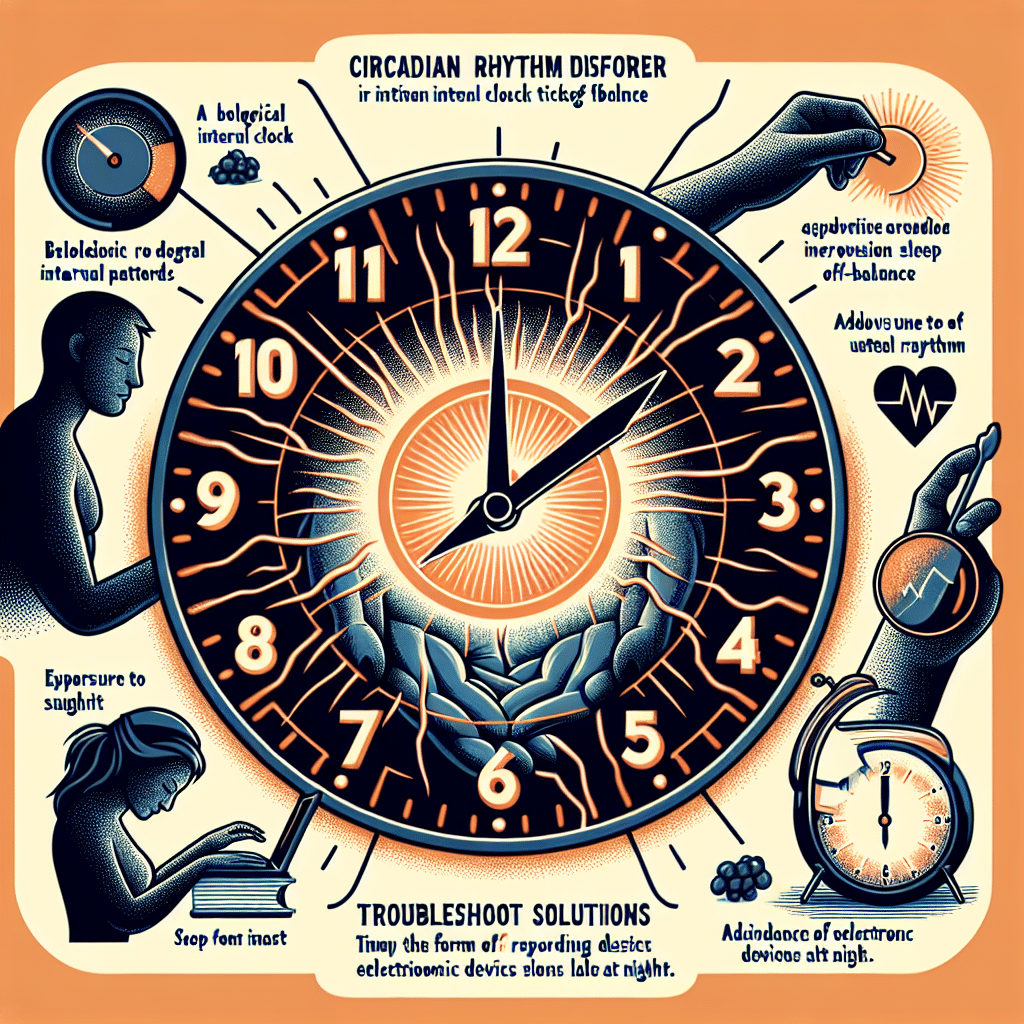
Circadian rhythm disorders are disruptions to the internal clock that regulates sleep-wake cycles and other physiological processes, impacting daily functions. For those affected, quality of life can significantly decline due to the inability to synchronize with societal norms. Common disorders include Delayed Sleep Phase Disorder (DSPD), Advanced Sleep Phase Disorder (ASPD), Shift Work Disorder (SWD), and Non-24-Hour Sleep-Wake Disorder. This article explores effective solutions to manage and alleviate symptoms associated with circadian rhythm disorders.

Light Therapy

1. Bright Light Therapy
One of the most effective treatments for circadian rhythm disorders is bright light therapy. Exposing oneself to artificial bright light (10,000 lux) for 20-30 minutes each morning can help reset the internal clock. This is particularly beneficial for DSPD and SWD, where individuals struggle to wake up at desired times. It mimics natural sunlight, promoting alertness during the day and encouraging sleepiness at night.

2. Dawn Simulators
Dawn simulators gradually increase light intensity in the morning, simulating a natural sunrise. This can help those with ASPD to rouse gently from sleep, signaling the brain to transition from sleep to wakefulness more smoothly, improving overall mood and alertness.

Melatonin Supplements

3. Melatonin
Melatonin is a hormone that regulates sleep-wake cycles. For individuals with circadian rhythm disorders, taking melatonin supplements can help. The timing and dosage are crucial; typically, 0.5 to 5 mg taken 30-60 minutes before bedtime can enhance sleep onset. Consult a healthcare provider to determine the appropriate dose and timing for optimal results.

Cognitive Behavioral Therapy for Insomnia (CBT-I)

4. CBT-I
Cognitive Behavioral Therapy for Insomnia (CBT-I) is a structured program helping individuals address the thoughts and behaviors that cause or worsen sleep problems. This therapy involves sleep restriction, stimulus control, and sleep hygiene education. For circadian rhythm disorders, it can help re-establish a healthy sleep-wake cycle, alleviating anxiety associated with insomnia.

Sleep Hygiene Practices

5. Consistent Sleep Schedule
Establishing a consistent sleep schedule is crucial for resetting the body’s internal clock. Going to bed and waking up at the same time every day—even on weekends—reinforces the body’s natural sleep-wake cycle. This stability can mitigate symptoms of various circadian rhythm disorders.

6. Optimizing Sleep Environment
Creating an optimal sleep environment enhances sleep quality. This includes maintaining a dark, cool, and quiet bedroom. Utilizing blackout curtains or sleep masks can block out unwanted light, while white noise machines can mask disruptive sounds.

Behavioral Modifications

7. Gradual Adjustments
Making gradual adjustments to sleep and wake times can effectively help reset the circadian clock. For instance, if someone suffers from DSPD, they might move their bedtime earlier by 15-30 minutes every few days until desired sleep times are achieved. Slow transitions reduce resistance to change and promote behavioral adherence.

8. Limiting Naps
While napping can be restorative, excessive daytime napping can hinder nighttime sleep. Limiting naps to 20-30 minutes in the early afternoon can help minimize disruption to the sleep-wake cycle, particularly in those experiencing SWD.

Diet and Nutrition

9. Caffeine Management
Caffeine can significantly impact sleep quality, especially when consumed in the afternoons or evenings. Reducing caffeine intake, particularly in the hours leading up to bedtime, can aid in establishing a more peaceful sleep environment.

10. Nutritional Timing
Eating large meals close to bedtime can interfere with sleep quality. Encourage smaller, balanced meals in the evening, focusing on foods rich in tryptophan (like turkey, nuts, and seeds) that can promote the production of melatonin and serotonin, essential for sleep.

Medication Options

11. Prescription Medications
In some cases, healthcare providers may prescribe medications that help regulate sleep hormones and rhythms. These may include sedative-hypnotics for short-term use or melatonin receptor agonists. However, these should be considered only when non-pharmacological approaches have been exhausted.

Mobile Applications and Wearable Technology

12. Sleep Tracking Apps
Utilizing modern technology can offer insights into sleep patterns. Sleep tracking apps can monitor sleep quality, providing data that can help users make informed adjustments to their routines.

13. Wearable Devices
Wearable technology, such as smartwatches or fitness bands, often provides features for tracking sleep stages, heart rate, and overall activity levels. This data can prove insightful for individuals learning what aspects of their lifestyle contribute to circadian rhythm disruptions.

Support Groups and Resources

14. Online Communities
Connecting with others who have circadian rhythm disorders can lessen feelings of isolation. Support forums can offer shared experiences, coping strategies, and emotional support, enhancing the journey toward recovery.

15. Professional Support
Consulting sleep specialists can tailor individualized treatment plans addressing specific needs. Sleep studies may be recommended to gather more comprehensive data about individual sleep patterns.

Conclusion

Living with a circadian rhythm disorder poses unique challenges, but implementing a combination of strategies can lead to improved symptoms and enhanced quality of life. Embracing lifestyle changes, seeking professional help, and utilizing available resources create a comprehensive approach to managing these disorders effectively.

circadian rhythm disorder solutions

circadian rhythm disorder solutions

Understanding Circadian Rhythm Disorders

Circadian rhythm disorders occur when the body’s biological clock is disrupted, leading to misalignment between the internal clock and the external environment. Symptoms often include insomnia, excessive daytime sleepiness, fatigue, and difficulty concentrating. Common disorders include Delayed Sleep Phase Disorder (DSPD), Advanced Sleep Phase Disorder (ASPD), Shift Work Sleep Disorder (SWSD), and Non-24-Hour Sleep-Wake Disorder (Non-24).

Identifying Circadian Rhythm Disorders

Before seeking solutions, it’s critical to identify specific symptoms. Noticing periodic sleep troubles, such as difficulty falling asleep or waking up too early, can help in determining if a circadian rhythm disorder is present. Keeping a sleep journal for a couple of weeks, documenting bedtimes, wake times, and daily activities can aid healthcare professionals in diagnosing the disorder.

Lifestyle Modifications

1. Light Therapy

Light exposure plays a crucial role in regulating circadian rhythms. For individuals with DSPD, light therapy in the morning can be particularly beneficial. This involves sitting near a specially designed light box for about 20 to 30 minutes shortly after awakening. Patients with Non-24 may find evening light therapy effective to help reset their internal clock.

2. Sleep Hygiene Practices

Adopting rigorous sleep hygiene practices can elevate the quality of sleep. This includes:

  • Maintaining a consistent sleep schedule, going to bed and waking up at the same time every day.
  • Creating a comfortable sleep environment, such as a cool, dark, and quiet room.
  • Limiting screen exposure before bedtime, as blue light can inhibit melatonin production.

3. Adjusting Meal Times

Eating meals at consistent times can help regulate the body’s internal clock. Avoiding heavy meals close to bedtime is recommended. It may also benefit those with SWSD to synchronize meal schedules according to their work shifts.

Behavioral Therapy

Cognitive Behavioral Therapy for Insomnia (CBT-I) can be a valuable tool for correcting maladaptive sleep behaviors associated with circadian rhythm disorders. CBT-I focuses on changing thoughts and behaviors surrounding sleep, helping individuals with sleep onset and maintenance insomnia rooted in these disorders.

Melatonin Supplements

Melatonin, a hormone naturally produced by the body, helps regulate sleep-wake cycles. Supplementing with melatonin can benefit those suffering from specific circadian rhythm disorders, particularly in adjusting the timing of sleep. It is generally recommended to take melatonin 30 minutes to an hour before the desired sleep time.

  • Dosage: Typical doses range from 0.5 mg to 5 mg.
  • Timing: For DSPD, supplements should be taken in the evening, while those with ASPD may find morning doses more effective.

Chronotherapy

Chronotherapy involves systematically adjusting bedtime to gradually shift a person’s sleep-wake cycle. This method is often utilized for DSPD by delaying bedtime in small increments until the desired sleep schedule is achieved. Attention must be paid to maintaining consistency to solidify the new rhythm.

Pharmacological Interventions

For some individuals, pharmacological aids may be necessary. Medications like modafinil are often prescribed for excessive sleepiness associated with SWSD, whereas sedative-hypnotics may be used to assist sleep onset. Always consult a healthcare provider when considering medication, as individualized assessment is essential.

Professional Support

Consulting with a sleep specialist or healthcare professional specializing in circadian rhythm disorders is crucial. They can provide tailored strategies and ensure that treatment aligns with other health considerations. These professionals often employ sleep studies which can elucidate underlying issues contributing to circadian disruption.

Integrating Technology

Several wearable devices and applications can monitor sleep patterns and provide insights into circadian rhythms. These technologies can be beneficial for tracking sleep metrics such as duration, quality, and even heart rate variability, thus helping individuals and healthcare providers make informed decisions about treatment.

Importance of Social Support

The role of social support in managing circadian rhythm disorders should not be underestimated. Engaging with support groups, whether in-person or online, can provide emotional comfort and practical strategies from others facing similar challenges. Sharing experiences can help individuals feel less isolated in their struggles.

Dietary Influences on Circadian Rhythms

Diet has a substantial impact on sleep and circadian rhythms. Foods rich in magnesium, such as spinach and nuts, can promote relaxation and improved sleep. Eating complex carbohydrates earlier in the day can also enhance energy levels and support alertness.

Research and Ongoing Studies

Continuous research in the field of circadian rhythms offers promising insights and advancements in diagnosing and treating these disorders. Keeping abreast of the latest studies through reputable medical journals can help patients stay informed about new treatment protocols.

Mindfulness and Relaxation Techniques

Incorporating mindfulness practices such as meditation or yoga can enhance mental well-being and reduce stress, promoting better sleep. These techniques, when practiced regularly, can be valuable for aligning the mind and body to facilitate natural sleep cycles.

Alternative Therapies

Some individuals may seek alternative remedies like acupuncture or herbal treatments to address sleep disturbances. Always consult with a healthcare professional before undertaking alternative therapies to ensure safety and compatibility with existing treatments.

Conclusion of Strategies

A multi-faceted approach combining lifestyle changes, technology integration, professional guidance, and alternative therapies can create a robust framework for managing circadian rhythm disorders effectively. By proactively addressing the elements that affect sleep, individuals can significantly improve their quality of life and overall health.

Remaining attentive to routines and integrating solutions tailored to individual needs will foster resilience against these complex disorders.

calming remedies for nighttime anxiety

calming remedies for nighttime anxiety

Understanding Nighttime Anxiety

Nighttime anxiety can severely disrupt your sleep patterns, making it difficult to unwind at the end of a long day. While it’s common to feel anxious during the night, it can lead to insomnia and exacerbate daytime stress. Various calming remedies can help manage nighttime anxiety effectively. This article will explore various natural and alternative remedies, lifestyle changes, and relaxation techniques.

Herbal Remedies

Chamomile Tea

Chamomile has been used for centuries as a natural remedy to promote relaxation and sleep. Drinking chamomile tea before bed may help alleviate anxiety symptoms. The active compound, apigenin, binds to benzodiazepine receptors in the brain, promoting sedation and reducing insomnia.

Lavender

Lavender is renowned for its calming properties. Aromatherapy with lavender essential oil can reduce anxiety and promote better sleep. Consider using a diffuser, or simply place a few drops on your pillow. Studies show that lavender can lower heart rate and blood pressure, enhancing feelings of calm.

Valerian Root

This herb is often used as a natural sleeping aid. Valerian root may increase the availability of gamma-aminobutyric acid (GABA) in the brain, a neurotransmitter with anti-anxiety effects. Supplements are available, but consult a healthcare provider for proper dosages.

Breathing Techniques

Deep Breathing Exercises

Practicing deep breathing exercises can help reduce anxiety symptoms significantly. Focus on deep, abdominal breaths rather than shallow chest breaths. A simple technique is the 4-7-8 method: inhale for four counts, hold for seven counts, and exhale for eight counts.

Diaphragmatic Breathing

Diaphragmatic breathing engages your diaphragm, promoting complete oxygen exchange and reducing stress. Lie on your back with your knees bent, place one hand on your chest and the other on your abdomen, and breathe deeply, focusing on raising the hand on your abdomen with each breath.

Mindfulness and Meditation

Mindfulness Meditation

Mindfulness involves staying present and fully experiencing the moment. Practicing mindfulness meditation before bed can help calm the mind and decrease anxiety. Start with a few minutes of guided meditation through an app or online video, gradually increasing the time as you feel more comfortable.

Body Scan Meditation

This technique encourages relaxation by focusing on each part of the body sequentially. Lie down comfortably and mentally scan your body from head to toe, acknowledging any tension, and consciously relaxing those areas.

Lifestyle Changes

Establish a Sleep Routine

Building a healthy sleep routine can significantly reduce nighttime anxiety. Going to bed and waking up at the same time each day helps regulate your body’s internal clock. Create a bedtime ritual that includes winding down activities, such as reading or taking a warm bath.

Limit Screen Time

Exposure to screens can interfere with melatonin production. Aim to shut off electronic devices at least an hour before bedtime. Consider substituting screen time with calming activities that promote relaxation, such as reading or journaling.

Physical Activity

Regular Exercise

Engaging in regular physical activity has numerous benefits, including enhancing mood and reducing anxiety. Aim for at least 30 minutes of moderate exercise most days. However, avoid vigorous activities close to bedtime, as they can increase adrenaline levels and make it challenging to unwind.

Yoga

Yoga combines physical movement with mindfulness, making it an effective remedy for anxiety. Practicing gentle yoga poses and stretches before bed can help reduce tension and promote relaxation. Consider poses such as Child’s Pose or Legs Up the Wall.

Nutritional Considerations

Magnesium-Rich Foods

Magnesium helps regulate neurotransmitters that calm the nervous system. Incorporate magnesium-rich foods such as spinach, almonds, and black beans into your diet. Alternatively, consider a magnesium supplement; consult with a healthcare provider for recommendations tailored to your needs.

Herbal Supplements

In addition to chamomile and valerian root, other supplements like passionflower and ashwagandha have calming effects. It’s essential to discuss these with a healthcare professional to ensure safety and monitor interactive effects with other medications.

Sleep Environment

Create a Calming Sleep Space

A well-designed sleep environment can promote relaxation. Keep your bedroom dark, cool, and quiet. Consider using blackout curtains, white noise machines, or earplugs to block out disturbances.

Comfortable Bedding

Invest in comfortable, quality bedding and pillows that support a restful sleep. The right mattress firmness and materials can impact sleep quality, so choose what feels best for you.

Journaling

Gratitude Journaling

Before bedtime, engage in gratitude journaling by listing three things you are thankful for that day. This positive practice can help shift your focus away from anxious thoughts and promote a more tranquil mindset.

Expressive Writing

Expressive writing can be therapeutic. Spend a few minutes writing about your thoughts and feelings, releasing built-up tension. This practice can clarify your thoughts and help you process challenging emotions, making it easier to relax.

Aromatherapy

Essential Oils

In addition to lavender, consider using oils such as bergamot or chamomile. These essential oils can be used in a diffuser, added to your bath, or mixed with a carrier oil for a calming massage.

Scented Pillows and Sachets

Use sachets filled with calming herbs like lavender or chamomile to place under your pillow. This method not only provides a soothing scent but can also enhance the relaxing atmosphere in your bedroom.

Cognitive Behavioral Strategies

Cognitive Restructuring

Engage in cognitive restructuring techniques to challenge negative thinking patterns that contribute to anxiety. Identify anxious thoughts and reformulate them into more positive or realistic ones.

Visualization

Visualization techniques involve imagining a peaceful scene or a positive outcome to a situation that’s bothering you. This mental escape can help divert your mind from anxiety and create a space for relaxation.

Conclusion Options for More Help

If anxiety persists, consider seeking support from mental health professionals. Therapy, especially cognitive-behavioral therapy (CBT), can provide effective strategies for managing anxiety. Medication may also be necessary for some individuals, depending on the severity of their symptoms.

Remember, calming remedies can be highly individualized; it may take time to find what works best for you. By combining various strategies and making lifestyle changes, you can significantly reduce nighttime anxiety and improve your overall well-being.

calming remedies for nighttime anxiety

Understanding Nighttime Anxiety

Nighttime anxiety is a common condition that affects many individuals, making it difficult to relax and fall asleep. This heightened state of worry can stem from various factors, including stress, unresolved issues, or a busy mind. The following remedies can aid in reducing nighttime anxiety, fostering a sense of calm and facilitating a more restful night.

Create a Calming Environment

1. Dim Lighting:
Adjust your room’s lighting to create a tranquil atmosphere. Use soft, warm lamps or candles to simulate a natural, calming environment that promotes relaxation.

2. Reduce Clutter:
A cluttered space often generates stress. Keep your bedroom tidy to enhance a sense of order and peace. A minimalist approach can lead to a more serene sleeping area.

3. Comfortable Bedding:
Invest in high-quality, comfortable bedding. Soft sheets, pillows, and blankets can significantly influence your comfort level and aid in relaxation.

Aromatherapy for Relaxation

4. Essential Oils:
Utilize essential oils known for their calming properties. Lavender, chamomile, and sandalwood are particularly effective. Be sure to use a diffuser or add a few drops to your pillow before bedtime.

5. Scented Candles:
Scented candles can create a serene atmosphere. Choose calming scents like vanilla or jasmine that promote relaxation as you wind down for the night.

Mindfulness and Meditation

6. Breathing Exercises:
Practice deep breathing techniques to activate the body’s relaxation response. Inhale slowly through your nose for a count of four, hold for four, and exhale through your mouth for a count of six.

7. Guided Meditation:
Engage in guided meditation or relaxation scripts. They help focus the mind away from anxious thoughts and promote a sense of stillness.

8. Progressive Muscle Relaxation:
This technique involves tensing and relaxing each muscle group in your body, starting from the toes and working up to the head. It encourages physical relaxation and reduces tension.

Herbal Remedies and Supplements

9. Chamomile Tea:
Chamomile is a well-known natural sedative. A cup of chamomile tea before bed can help soothe anxiety and promote better sleep.

10. Passionflower:
This herb is often used for its calming effects. Passionflower supplements or teas can help alleviate nighttime anxiety symptoms.

11. Valerian Root:
Valerian root is another herbal remedy that can improve sleep quality and reduce anxiety. It can be taken in capsule form or as a tea.

Cognitive Behavioral Techniques

12. Journaling:
Before bed, spend a few minutes journaling about your thoughts and worries. Expressing your concerns on paper can help clear your mind and reduce anxiety.

13. Gratitude Lists:
Create a list of things you are grateful for before bedtime. Shifting focus from worries to appreciation can enhance your mood and decrease anxiety levels.

Lifestyle Adjustments

14. Consistent Sleep Schedule:
Aim to go to bed and wake up at the same time each day. Consistency reinforces your body’s natural sleep-wake cycle and helps reduce anxiety over time.

15. Limit Screen Time:
Blue light emitted by phones and computers can interfere with sleep quality. Try to limit screen time at least an hour before bed to improve your ability to unwind.

Engage in Evening Rituals

16. Warm Bath:
Taking a warm bath with Epsom salts or calming oils can help relax your muscles and soothe your mind, making it easier to transition to sleep.

17. Quiet Time:
Engage in low-key activities such as reading, knitting, or puzzles. These calming activities can help distract your mind and set the tone for sleep.

Physical Activity and Nutrition

18. Evening Exercise:
Incorporate gentle exercises like yoga or stretching into your evening routine. These practices can help alleviate tension and promote relaxation.

19. Balanced Dinner:
Consume a light dinner that is easy to digest. Foods rich in magnesium and tryptophan, like nuts and turkey, can promote relaxation.

Sound Therapy and Music

20. Calming Music:
Create a playlist of calming instrumental music or nature sounds. Listening to these sounds can help establish a peaceful bedtime routine.

21. White Noise Machine:
Invest in a white noise machine to drown out distracting sounds. The consistent background noise can help reset your mind, allowing for uninterrupted sleep.

Seek Professional Help

22. Talk Therapy:
If nighttime anxiety persists, consider talking to a therapist. Cognitive-behavioral therapy (CBT) can be particularly effective in addressing anxiety-related issues.

23. Medication:
For some individuals, medication may be necessary to manage anxiety. Consult with a healthcare professional to explore available options.

Use Technology Wisely

24. Sleep Apps:
Download sleep and relaxation apps that offer white noise, guided meditations, or bedtime stories designed to soothe your mind.

25. Fitness Trackers:
Utilize a fitness tracker to monitor your sleep patterns. Understanding your sleep data can help identify habits that may be interrupting your rest.

Ongoing Self-Care Practices

26. Daily Yoga or Stretching:
Incorporate daily yoga or light stretching to relieve built-up tension and boost your overall mental wellness. Regular practice can positively affect sleep.

27. Mindful Eating:
Be mindful of what you consume throughout the day. Avoid excessive caffeine and sugar to reduce overstimulation, especially in the evening.

Incorporate Natural Light

28. Daylight Exposure:
Expose yourself to natural sunlight during the day. Natural light supports your circadian rhythm, enhancing your ability to relax at night.

Social Connections

29. Talk to Friends or Family:
Engaging in conversations with trusted friends or family members before bed can help alleviate feelings of anxiety. Sharing your thoughts can provide perspective and comfort.

30. Limit Unsettling News:
Before bedtime, try to avoid consuming distressing news or content that may provoke anxiety. Opt for uplifting material instead.

By implementing these calming remedies, individuals can work towards effectively managing nighttime anxiety, resulting in improved relaxation and better sleep quality.

innovative sleep gadgets to combat insomnia

innovative sleep gadgets to combat insomnia

Innovative Sleep Gadgets to Combat Insomnia

1. Sleep Tracking Devices

Sleep tracking devices have revolutionized our understanding of sleep patterns. Wearable gadgets like the Fitbit or Oura Ring monitor your sleep stages, heart rate, and even body temperature. These trackers provide insightful data, allowing users to identify patterns or disturbances in their sleep. For those struggling with insomnia, understanding these metrics can lead to better sleep hygiene.

2. White Noise Machines

White noise machines create a constant soothing sound that masks background noise, promoting better sleep. Devices like the Marpac Dohm or LectroFan produce a variety of sounds, including white, brown, and pink noise. This auditory stimulation can help insomniacs fall asleep faster and stay asleep longer by reducing disruptive noises.

3. Smart Pillows

Smart pillows offer unique features, such as built-in speakers, sleep tracking, and even automated adjustments. The Philips SmartSleep Pillow can emit low audio tones aimed at enhancing deep sleep. Additionally, some pillows are designed to cradle the head and neck ergonomically, providing physical comfort alongside innovative technology.

4. Light Therapy Lamps

Light therapy lamps are specifically designed to combat sleep disorders related to circadian rhythms, such as Seasonal Affective Disorder (SAD) and insomnia. Devices like the Philips Wake-Up Light gradually increase in brightness to simulate sunrise, helping to adjust your internal clock. Exposure to natural light in the morning can help regulate melatonin production, facilitating better sleep at night.

5. Sleep Masks with Bluetooth Speakers

Comfortable sleep masks like the Homestar Sound Sleep Mask block out light and offer audio relaxation through embedded Bluetooth speakers. Users can listen to soothing sounds, meditation tracks, or audiobooks, providing a multi-sensory approach to ease anxiety and facilitate rest.

6. Aromatherapy Diffusers

Aromatherapy can play a significant role in promoting better sleep. Diffusers like the Vitruvi Stone Diffuser release calming essential oils such as lavender or chamomile, which can lower stress levels and induce relaxation. Using essential oils in combination with sleep hygiene routines can effectively combat insomnia.

7. Bedtime Wearables

Innovative bedtime wearables are designed specifically to address sleep issues. The Sleepace RestOn is a non-wearable device that fits under your mattress and tracks sleep patterns without disrupting your night. It syncs with a mobile app for easy monitoring, helping users adjust their habits based on personalized feedback.

8. Temperature Regulation Devices

Keeping the bedroom at the optimal temperature is crucial for quality sleep. Innovative devices like the ChiliPad offer temperature-controlled sleep surfaces that can cool or warm your bed. By actively regulating body temperature, these gadgets can help insomniacs find the sweet spot for sleep, improving both comfort and duration.

9. Noise-Canceling Headphones

Noise-canceling headphones are perfect for those troubled by intrusive noise during sleep. Brands like Bose and Sony offer models that not only block out unwanted sounds, but also provide calming sleep sounds or guided meditations. The combination of noise isolation and soothing audio creates a tranquil sleep environment.

10. Smart Mattress Protectors

Smart mattress protectors not only shield your mattress but also track sleep metrics and provide comfort enhancements. Products like the Sleep Number SleepIQ technology adjusts the firmness of the mattress based on your sleep patterns. Such innovations make it possible to personalize sleep settings for improved quality rest.

11. Meditation Apps and Devices

Guided meditations can alleviate stress and prepare the mind for sleep. Apps like Calm and Headspace offer tailored sleep meditations alongside soothing music. Devices like the Muse headband work with these apps to provide real-time feedback on brain activity, helping you achieve a state of relaxation conducive to sleep.

12. Smart Alarm Clocks

Smart alarm clocks, such as the Lenovo Smart Clock, help regulate sleep by simulating natural waking processes. These gadgets can combine light therapy with gentle sounds to wake users gradually. The integrated apps track sleep cycles to determine the best time to wake, reducing grogginess and enhancing overall sleep quality.

13. Adjustable Weighted Blankets

Weighted blankets provide deep touch pressure, which can reduce anxiety and promote relaxation—ideal for those with insomnia. Brands like Gravity Blanket have adjustable weight options, allowing you to choose a blanket that provides the perfect amount of comfort. These blankets can soothe both the mind and body, creating a conducive environment for restful sleep.

14. Smart Home Integration

Smart home devices can optimize your sleep environment. Using platforms like Alexa or Google Home, you can create routines that dim the lights, adjust temperature, and play calming sounds at bedtime. This automation mitigates the barriers to sleep by allowing users to create their ideal environment without manual intervention.

15. Sleep-Inducing Light Strips

LED light strips tuned to specific wavelengths can enhance sleep patterns. By using soft, warm tones in the evening, products like Phillips Hue prevent melatonin suppression that can occur with blue light. Creating a calming atmosphere before bed supports the body’s natural circadian rhythms, facilitating easier sleep onset.

16. Biofeedback Devices

Biofeedback devices provide insight into physiological processes related to sleep, such as heart rate variability and stress levels. Gadgets like Spire Stone help users develop awareness of their breathing patterns, promoting relaxation techniques that can alleviate anxiety and improve sleep quality.

17. Noise Masking Earplugs

For those who prefer not to use headphones, noise-masking earplugs are an effective solution. Devices like the Bose Sleepbuds II feature soundscapes designed to promote sleep while blocking out unwanted noise. These earplugs combine high-quality sound with a comfortable fit, ensuring a peaceful night.

18. Digital Sleep Coaches

Digital sleep coaching platforms like Sleepio offer personalized sleep improvement programs based on Cognitive Behavioral Therapy for Insomnia (CBT-I). These apps guide users through a structured approach to improve their sleep patterns, backed by research and evidence-based strategies tailored to individual needs.

19. Hypnotherapy Apps and Audios

Hypnotherapy tools, both through apps and downloadable audio tracks, can help users overcome mental barriers to sleep. Apps like HypnoBox facilitate relaxation and encourage a deeper sleep state by guiding users through visualization and calming narratives.

20. Smart Wearable Glasses

Wearable tech, such as blue light-blocking glasses designed specifically for nighttime use, can help improve sleep by filtering out sleep-disrupting light. Brands like Swannick use advanced lens technology to manage light exposure, allowing users to unwind and prepare for sleep without the negative impacts of blue light from screens.

Numerous innovative sleep gadgets are available that target multiple aspects of sleep health, offering users an array of solutions to combat insomnia. By incorporating these technologies into nightly routines, individuals can enjoy enhanced sleep quality, leading to a happier and healthier lifestyle.

natural ways to get uninterrupted sleep

natural ways to get uninterrupted sleep

Natural Ways to Get Uninterrupted Sleep

1. Establish a Sleep Routine

Consistency is Key
Going to bed and waking up at the same time every day helps regulate your body’s internal clock. This consistent schedule promotes better quality sleep and makes it easier to fall asleep and wake up naturally.

Wind Down Before Bed
Create a calming pre-sleep routine. Engage in relaxing activities such as reading, taking a warm bath, or practicing gentle yoga. Limiting screen time at least an hour before bed can also facilitate the wind-down process.

2. Optimize Your Sleep Environment

Create a Sleep-Inducing Atmosphere
Your bedroom should be dark, cool, and quiet. Use blackout curtains to block out light, and maintain a cool temperature between 60-67°F (15-19°C) for optimal sleep conditions.

Invest in Quality Bedding
A comfortable mattress and supportive pillows are critical for uninterrupted sleep. Consider your sleeping position when choosing your mattress firmness and pillow type to prevent discomfort during the night.

3. Limit Exposure to Blue Light

Understand the Impact of Screens
Devices such as smartphones, tablets, and computers emit blue light that interferes with melatonin production, making it harder to fall asleep. Use blue light filters on devices or wear specialized glasses in the evening to mitigate this effect.

Switch to Evening Activities
Instead of using screens, engage in activities such as journaling, crafts, or puzzles that don’t involve bright screens and stimulate your mind differently.

4. Manage Stress and Anxiety

Practice Mindfulness and Meditation
Incorporating mindfulness practices can significantly reduce racing thoughts that interfere with sleep. Techniques such as meditation, deep breathing exercises, or progressive muscle relaxation are effective in calming the mind.

Journaling Before Sleep
Writing down your thoughts before bedtime can help clear your mind. This practice allows you to express concerns, plan your next day, or reflect on positive experiences, promoting tranquility before sleep.

5. Use Relaxation Techniques

Gentle Yoga or Stretching
Engaging in gentle yoga or stretching can relieve muscle tension and promote relaxation. Focus on poses that open up the chest and hips to help in unwinding before bed.

Aromatherapy
Essential oils like lavender, chamomile, and bergamot have calming effects. Use an oil diffuser in your bedroom, sprinkle a few drops on your pillow, or take a warm bath infused with essential oils to encourage relaxation.

6. Regulate Your Diet

Be Mindful of Food and Drink
Avoid heavy meals, caffeine, and alcohol close to bedtime. Caffeine can stay in the system for hours, interrupting your sleep cycle. Instead, opt for light snacks, such as a banana or a handful of nuts, if you need to eat before bed.

Stay Hydrated
While staying hydrated throughout the day is crucial, limit fluid intake in the evening to reduce nighttime bathroom trips. Aim to drink most of your fluids earlier in the day to maintain hydration without disrupting sleep.

7. Explore Natural Sleep Aids

Herbal Teas and Supplements
Herbal teas, such as chamomile, valerian root, and passionflower, can promote relaxation and improve sleep quality. Supplements like melatonin, magnesium, and L-theanine might also help, but it’s best to consult a healthcare provider before trying any new supplements.

Use a Weighted Blanket
Research indicates that weighted blankets can help reduce anxiety and improve sleep quality. The gentle pressure mimics a form of deep touch pressure stimulation, which can calm the nervous system.

8. Stay Active During the Day

Regular Exercise
Engaging in regular physical activity can improve sleep quality and duration. Aim for at least 150 minutes of moderate aerobic activity per week. Morning or afternoon exercise can increase energy levels without affecting sleep, while evening workouts may be stimulating for some.

Avoid Late Workouts
For optimal sleep, try to finish vigorous workouts at least three hours before bedtime. Gentle forms of exercise, such as walking or stretching, can be performed closer to bedtime if desired.

9. Manage Sleep Disorders

Identify Underlying Issues
If you consistently struggle with sleep despite trying natural remedies, consider consulting a healthcare professional. Conditions such as sleep apnea, restless leg syndrome, or stress-related disorders can significantly interfere with sleep quality.

Cognitive-Behavioral Therapy for Insomnia (CBT-I)
CBT-I is a structured program that helps address thoughts and behaviors that contribute to insomnia. This therapeutic approach can provide valuable tools for overcoming sleep disturbances without reliance on pharmacological interventions.

10. Create a Sleep-Friendly Lifestyle

Limit Naps
Although short power naps can be beneficial, long or irregular napping during the day can impact nighttime sleep. If you need to nap, limit it to 30 minutes and avoid napping late in the afternoon.

Stay Away from Stimulants
Limit consumption of stimulants, including caffeine and nicotine, particularly in the afternoon and evening. These substances can tear apart your sleep cycle, leading to restless nights.

11. Utilize Natural Light Exposure

Get Natural Light in the Daytime
Exposure to natural light during the day helps regulate your body’s circadian rhythm. Try to spend some time outside, especially in the morning. Natural light helps signal to your body that it’s time to be awake and alert.

Dim the Lights in the Evening
As daylight fades, reduce exposure to bright lights to signal to your body that it’s time to wind down. Use dim lighting in your home to create a calming atmosphere that promotes sleepiness.

12. Monitor Sleep Quality

Keep a Sleep Diary
Tracking your sleep patterns can reel in insights about what affects your sleep quality. Note your sleep duration, wake-up times, daily activities, and any disturbances to identify patterns or triggers impacting your sleep.

Use Sleep Apps
Consider using apps to track sleep cycles and patterns. Some apps also provide guided meditations or sleep sounds, creating an additional resource to enhance your sleep experience.

13. Embrace the Power of Sunsets

Engage in Rituals During Sunset
Incorporate calming activities at sunset to signal your body that it’s time to wind down. Watching the sunset or practicing gratitude can help you transition from daytime to nighttime relaxation.

Limit Evening Lighting
Reducing exposure to bright lights after sunset can help regulate your body’s production of melatonin, enhancing the likelihood of uninterrupted sleep. Invest in soft lighting solutions like Himalayan salt lamps or dimmable LED lights.

By implementing these natural strategies, you can promote better sleep quality, reduce waking throughout the night, and foster an overall healthier lifestyle.

narcolepsy symptoms and sleep tips

narcolepsy symptoms and sleep tips

Understanding Narcolepsy Symptoms

Narcolepsy is a chronic neurological disorder that affects the brain’s ability to control sleep-wake cycles. It is characterized by a variety of symptoms that can significantly impact daily life. The most common symptoms include excessive daytime sleepiness, cataplexy, sleep paralysis, hallucinations, and disrupted nighttime sleep.

Excessive Daytime Sleepiness (EDS)

One of the hallmark symptoms of narcolepsy, excessive daytime sleepiness, affects nearly every diagnosed patient. Individuals may find it difficult to stay awake during the day, often feeling a strong urge to sleep at inappropriate times. This can happen during work, conversations, or while driving, leading to potentially dangerous situations. EDS can manifest suddenly and can last from a few minutes to several hours, profoundly affecting a person’s productivity and quality of life.

Cataplexy

Cataplexy is a sudden loss of muscle tone that can be triggered by strong emotions such as laughter, surprise, or anger. This symptom can lead to weakness or even temporary paralysis, causing episodes that can last from a few seconds to a couple of minutes. During these episodes, the individual remains fully conscious but cannot control their body. Cataplexy can be distressing, as it may occur unexpectedly and can lead to injuries if not properly managed.

Sleep Paralysis

Sleep paralysis occurs during the transition between wakefulness and sleep, leaving the individual unable to move or speak for a brief period, usually lasting from a few seconds to a couple of minutes. This experience is often accompanied by vivid hallucinations, which can be frightening. Sleep paralysis can happen at any time, but it frequently occurs during the onset of sleep or upon waking.

Hallucinations

Vivid and often frightening hallucinations can accompany narcoleptic episodes. These hallucinations may involve visual, auditory, or tactile sensations and can occur during sleep paralysis or as a person is falling asleep or waking up. They may contribute to the overall distress experienced by individuals with narcolepsy, reinforcing their difficulties with sleep.

Disrupted Nighttime Sleep

Contrary to the stereotype of narcoleptics sleeping soundly, individuals often experience fragmented nighttime sleep. People with narcolepsy may struggle to stay asleep through the night, waking frequently and finding it hard to return to sleep. This disrupted sleep can exacerbate daytime sleepiness, leading to a vicious cycle of fatigue and sleep struggles.

Sleep Hygiene Tips for Narcolepsy

While narcolepsy is a chronic condition that may not be completely curable, effective management can significantly improve quality of life. Here are some focused sleep tips that can help mitigate symptoms and enhance overall sleep quality.

1. Maintain a Consistent Sleep Schedule

Establishing a regular sleep schedule is crucial. Aim to go to bed and wake up at the same time every day, even on weekends. This consistency helps regulate your body’s internal clock, promoting better sleep patterns.

2. Create a Restful Sleep Environment

Optimizing your sleep environment can facilitate deeper, more restorative sleep. Keep the bedroom dark, quiet, and cool. Consider using blackout curtains and white noise machines or earplugs to minimize disturbances.

3. Limit Caffeine and Stimulants

Caffeine, nicotine, and other stimulants can interfere with your ability to fall asleep. It’s best to avoid these substances, especially in the afternoon and evening. Instead, consider herbal teas or decaffeinated drinks.

4. Implement Short Naps

Incorporating short naps during the day can significantly reduce feelings of EDS. A nap of 10 to 20 minutes can refresh your mind without causing sleep inertia, while longer naps could lead to grogginess.

5. Practice Relaxation Techniques

Engaging in relaxation techniques before bed can help wind down your mind and prepare your body for sleep. Techniques such as meditation, deep breathing exercises, or gentle yoga can ease stress and improve sleep quality.

6. Limit Screen Time Before Bed

The blue light emitted by phones, tablets, and computers can disrupt melatonin production, making it harder to fall asleep. Aim to limit screen exposure at least one hour before bedtime or use devices equipped with blue light filters.

7. Stay Physically Active

Regular physical activity can improve sleep quality and reduce daytime sleepiness. Aim for at least 30 minutes of moderate exercise most days of the week; however, avoid vigorous exercise too close to bedtime.

8. Be Mindful of Diet

What you eat affects your sleep. Aim for a balanced diet rich in fruits, vegetables, whole grains, and lean proteins. Avoid heavy or spicy meals close to bedtime, as they can lead to discomfort and disrupted sleep.

9. Limit Liquids Before Bed

To avoid waking in the night to use the bathroom, limit fluid intake in the hours leading up to bedtime. Staying hydrated is important, but balance is key to minimizing nighttime disruptions.

10. Seek Support and Stay Informed

Joining support groups or seeking guidance from healthcare professionals who specialize in sleep disorders can provide valuable insights and coping strategies for managing narcolepsy.

Incorporating these practices can help individuals manage their narcolepsy symptoms effectively, leading to a more fulfilling and productive life. By focusing on quality sleep and daytime alertness, those affected by narcolepsy can find strategies to navigate their challenges with greater confidence.