sleep headphones and masks review

sleep headphones and masks review

The Ultimate Guide to Sleep Headphones and Masks

Understanding Sleep Headphones

What Are Sleep Headphones?

Sleep headphones are audio devices specifically designed for comfort during sleep. Unlike regular headphones, which can be bulky and uncomfortable when lying down, sleep headphones are often lightweight and designed to fit snugly to prevent discomfort. Many models incorporate noise-canceling technology to block out ambient sounds, which can be especially helpful in urban environments or shared living spaces.

Types of Sleep Headphones

  1. In-Ear Sleep Headphones

    • These headphones are compact and fit directly in the ear canal. They often come with soft ear tips made of silicone or foam, providing maximum comfort. In-ear models are great for travelers as they take up minimal space.
  2. Over-Ear Sleep Headphones

    • Featuring a padded design that wraps around the ear, these headphones tend to offer superior sound quality and noise isolation. However, they might not be suitable for side sleepers due to their bulk.
  3. Headband Sleep Headphones

    • These innovative devices have built-in speakers embedded in a soft, stretchy headband. They are perfect for side sleepers as they provide a comfortable, flat surface to rest your head against without discomfort from traditional headphones.

Top Sleep Headphones in 2023

  1. Bose Sleepbuds II

    • Overview: Known for their superior sound quality, these tiny sleep buds are more than just headphones; they feature pre-loaded soothing sounds designed to mask noise.
    • Key Features:
      • 10 hours of battery life
      • Noise-masking capabilities
      • Comfortable fit
    • Pros: Excellent audio quality, extremely comfortable, reliable performance.
    • Cons: They do not function as standard Bluetooth headphones.
  2. MOLYBOM Sleep Headphones

    • Overview: Combining headband design with Bluetooth functionality, these headphones offer the best of both worlds.
    • Key Features:
      • Soft, breathable fabric
      • Long battery life (up to 10 hours)
    • Pros: Multi-purpose (music and sleep), affordable, washable headband.
    • Cons: Sound quality may not match premium brands like Bose.
  3. SLEEPBUDS Pro

    • Overview: Designed to block out noise and help people fall asleep, these wireless earbuds come with 40+ calming sounds.
    • Key Features:
      • Comfortable ergonomic design
      • Custom sound settings via app
    • Pros: Stylish design, customizable features.
    • Cons: Higher price point can be a barrier for some.

Understanding Sleep Masks

What Are Sleep Masks?

Sleep masks are designed to block out light, allowing you to sleep better during the day or in brightly lit environments. They come in various shapes, sizes, and materials, offering different levels of comfort and effectiveness.

Types of Sleep Masks

  1. Traditional Sleep Masks

    • Typically made from soft fabrics like cotton or silk, these masks effectively block light and are often available in multiple colors and designs.
  2. Contoured Sleep Masks

    • These masks feature grooves for your eyes, allowing for more room and ensuring that the mask does not put pressure on the eyes while you sleep.
  3. Cooling Sleep Masks

    • Designed with cooling gel or materials, these masks can help reduce puffiness and provide a soothing effect, perfect for hot summer nights.
  4. Weighted Sleep Masks

    • Utilizing gentle pressure, weighted sleep masks can promote relaxation and better sleep quality by providing a calming effect.

Top Sleep Masks in 2023

  1. MZOO Sleep Mask

    • Overview: This contoured sleep mask is perfect for those who need comfort and light-blocking capability.
    • Key Features:
      • 3D design to avoid pressure on the eyes
      • Adjustable strap
    • Pros: Comfortable and effective, affordable price, lightweight.
    • Cons: Strap may not fit well for larger head sizes.
  2. Tempur-Pedic Sleep Mask

    • Overview: Made from the renowned Tempur material, this mask conforms to the face for maximum comfort and light-blocking efficiency.
    • Key Features:
      • Adjustable strap
      • Soft-touch fabric
    • Pros: High-quality material, great light blocking.
    • Cons: Slightly more expensive than other options.
  3. Lunya Pure Silk Sleep Mask

    • Overview: This luxurious option provides both comfort and style, made from 100% pure silk.
    • Key Features:
      • Ultra-soft fabric
      • Adjustable strap
    • Pros: Stylish and luxurious, hypoallergenic material.
    • Cons: Higher price point, may not block out all light effectively.

How to Choose the Right Sleep Headphones and Masks

Factors to Consider

  1. Comfort

    • Look for materials that are soft and breathable. For headphones, prioritize those that feel lightweight and won’t irritate your skin during prolonged use.
  2. Noise Cancellation

    • Ensure your sleep headphones have effective noise cancellation features. For sleep masks, consider how well they block out light without causing discomfort.
  3. Durability

    • Choose products made from high-quality materials that can withstand regular use. Check reviews for any reported wear and tear, especially with fabric products.
  4. Portability

    • If you travel frequently, consider foldable or compact designs that don’t take up much space in your luggage.
  5. Price

    • Determine your budget ahead of time, and look for products that offer the best balance of quality and features within that range. Some brands may charge a premium for additional features.

Use Cases for Sleep Headphones and Masks

  • Traveling: Airplanes and trains can be loud, and sleep masks are perfect for blocking out light while headphones help to drown out noise.
  • Shift Workers: Those who need to sleep during the day can especially benefit from these tools to create a conducive sleep environment.
  • Studying or Relaxing: With soothing sounds, sleep headphones can aid in relaxation and improve focus while studying or practicing mindfulness.

Maintenance Tips

  • Headphones: Regularly clean the ear tips or headband fabric to maintain hygiene and prevent the buildup of bacteria.
  • Sleep Masks: Follow the manufacturer’s washing instructions. Many fabric masks are machine washable, but some may require hand washing to maintain their shape and softness.

Conclusion

Choosing the right sleep headphones and masks can make a significant difference in your sleep quality. With numerous options available on the market, knowing what features and functionalities to prioritize will help you make an informed decision. Whether it’s for home use, travel, or shift work, finding the ideal pair of headphones and a comfortable mask can lead to more restful nights and energized days.

understanding the importance of a consistent sleep schedule

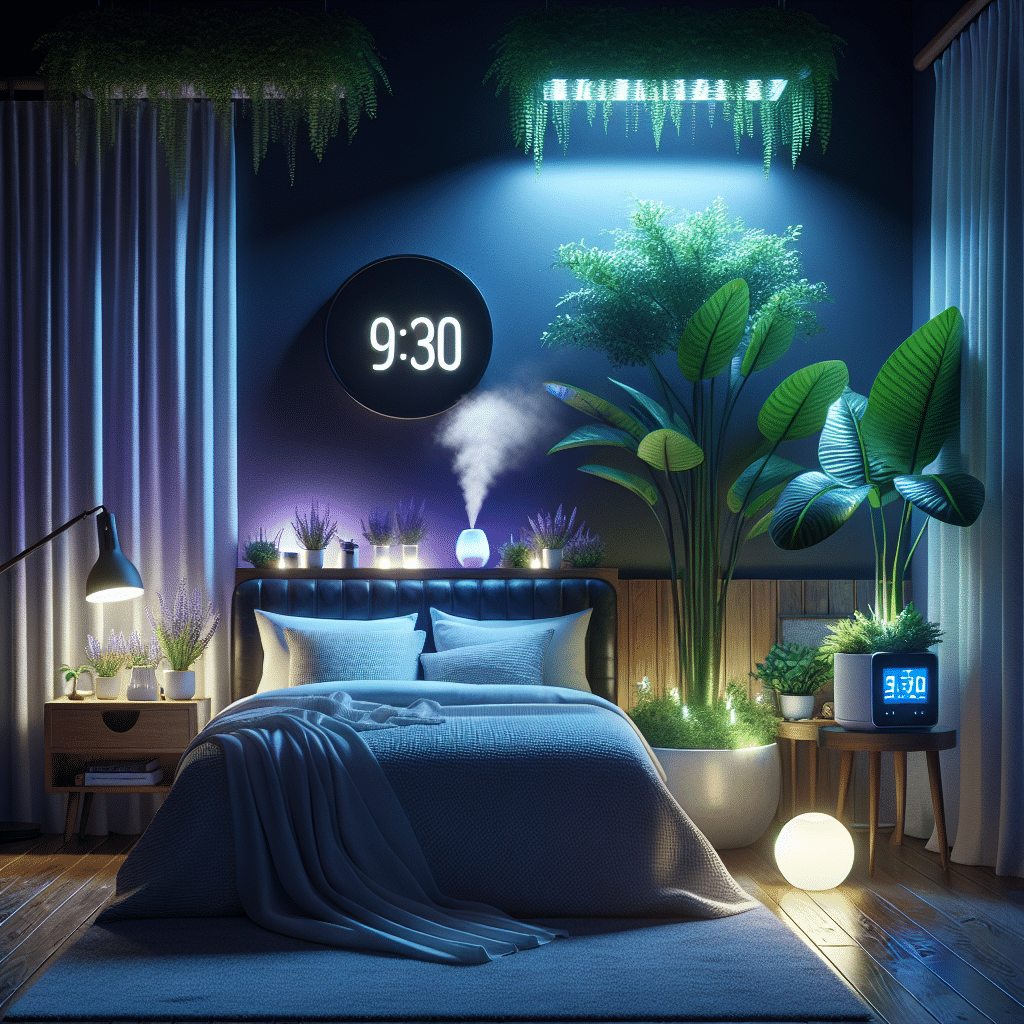
understanding the importance of a consistent sleep schedule

Understanding the Importance of a Consistent Sleep Schedule

The Science Behind Sleep

Sleep is a fundamental biological process that affects every aspect of our physical and mental health. During sleep, our bodies undergo various restoration processes, such as tissue repair, muscle growth, and hormone regulation. The National Sleep Foundation recommends that adults aim for 7-9 hours of sleep per night, but the quality and consistency of that sleep may be just as important as the duration.

What is a Sleep Schedule?

A sleep schedule refers to the timeline of your sleep and wake times. It consists of how many hours you sleep, what times you go to bed and wake up, and how consistent you are with these timings throughout the week. A consistent sleep schedule helps harmonize your biological clock, also known as the circadian rhythm.

Circadian Rhythms: The Body’s Internal Clock

Circadian rhythms are natural, internal processes that follow a roughly 24-hour cycle. They respond primarily to light and darkness in the environment. A consistent sleep schedule helps regulate these rhythms, thereby improving sleep quality. When you have a regular wake-up and bedtime, your body knows when to release hormones like melatonin, which induces sleepiness, and cortisol, which promotes wakefulness.

Benefits of a Consistent Sleep Schedule

  1. Improves Sleep Quality
    Regularity in your sleep routine helps enhance the overall quality of sleep. Studies suggest that individuals who follow a consistent sleep schedule report deeper, more restorative sleep, resulting in decreased feelings of grogginess during the day.

  2. Enhances Mental Health
    Inconsistency in the sleep schedule can lead to mood disorders, such as anxiety and depression. A regular sleep pattern fosters emotional stability by regulating mood-enhancing neurotransmitters. This can result in better stress management and a more positive outlook.

  3. Boosts Cognitive Function
    Consistent sleep supports cognitive processes like attention, memory, and decision-making. Research indicates that irregular sleep can lead to cognitive decline, impaired learning, and forgetfulness. A well-regulated sleep schedule improves focus, reaction times, and creative problem-solving skills.

  4. Supports Physical Health
    Sleep plays a crucial role in physical well-being. Regular sleep patterns are linked with reduced risks of various health conditions, including obesity, diabetes, cardiovascular diseases, and weakened immune function. Consistency in sleep can help regulate metabolism and improve insulin sensitivity.

  5. Creates a Healthy Habit Loop
    Establishing a consistent sleep schedule creates a healthy habit loop. When you regularly go to bed and wake up at the same time, your body begins to associate these times with sleepiness and alertness, making it easier to fall asleep and wake up naturally.

Tips for Establishing a Consistent Sleep Schedule

  1. Set a Fixed Sleep and Wake Time
    Choose a bedtime and a wake-up time that you can stick to, even on weekends. This helps reinforce the natural sleep-wake cycle and increases sleep quality.

  2. Create a Relaxing Bedtime Routine
    Engage in calming activities before bedtime, such as reading, gentle yoga, or meditation. This will signal your body that it’s time to wind down and prepare for sleep.

  3. Limit Exposure to Screens
    Blue light from screens can disrupt melatonin production. Try to avoid screens at least one hour before bedtime. Instead, consider reading a physical book or practicing relaxation techniques to prepare your mind for sleep.

  4. Optimize Your Sleep Environment
    Create an optimal sleeping environment that is dark, cool, and quiet. This might include blackout curtains, eye masks, earplugs, or white noise machines.

  5. Watch Your Diet and Hydration
    Pay attention to what you eat and drink in the hours leading up to bedtime. Caffeine, heavy meals, and excessive liquids can interfere with your ability to fall asleep or stay asleep.

  6. Exercise Regularly
    Incorporating physical activity into your daily routine can help promote better sleep, especially if you exercise in the morning or early afternoon. Avoid strenuous workouts close to bedtime, as they can have the opposite effect.

  7. Limit Naps
    While short naps can be refreshing, long or irregular napping during the day can affect nighttime sleep. If you can nap, aim for 20-30 minutes and avoid napping late in the day.

  8. Stay Consistent, Even on Weekends
    While it may be tempting to indulge in late sleep-ins or irregular schedules on the weekends, maintain your sleep-wake times as much as possible. This helps prevent a “jet-lagged” feeling on Mondays.

The Challenges of Maintaining a Consistent Sleep Schedule

  1. Work and Social Obligations
    Irregular work hours, long shifts, or social engagements can disrupt sleep consistency. If possible, communicate with employers about your needs for rest and schedule adjustments.

  2. Travel
    Traveling across time zones introduces irregularities in sleep timings. To minimize these effects, gradually adjust your bedtime and wake time a few days before traveling. Staying hydrated and avoiding alcohol can also help.

  3. Stress and Anxiety
    Life stresses can impact your ability to maintain a sleep schedule. Consider incorporating stress management techniques such as mindfulness, therapy, or hobbies to help improve your mental state and, subsequently, your sleep patterns.

  4. Medical Conditions
    Issues like insomnia, sleep apnea, and other sleep disorders may interfere with maintaining a consistent sleep schedule. Consult healthcare professionals for diagnosis and appropriate treatment.

The Role of Sleep Aids and Supplements

While some may consider sleep aids and supplements like melatonin to help regulate sleep patterns, it’s crucial to approach these options with caution. Always consult a healthcare provider before starting any new supplements, as they may interact with medications or underlying health conditions.

Tracking and Monitoring Sleep

Utilize sleep-tracking apps or devices to monitor your sleep patterns. These tools can provide insights into your sleep cycles, effectiveness of your sleep routine, and other sleep-related metrics. You can adjust your habits accordingly to improve your overall sleep quality.

Conclusion

Prioritizing a consistent sleep schedule is an investment in your overall health and well-being. By understanding its significance and implementing recommended strategies, you can enhance the quality of your sleep and, in turn, experience profound benefits in your physical and mental health. Take the first step toward improving your sleep—you deserve it!

white noise machines for students

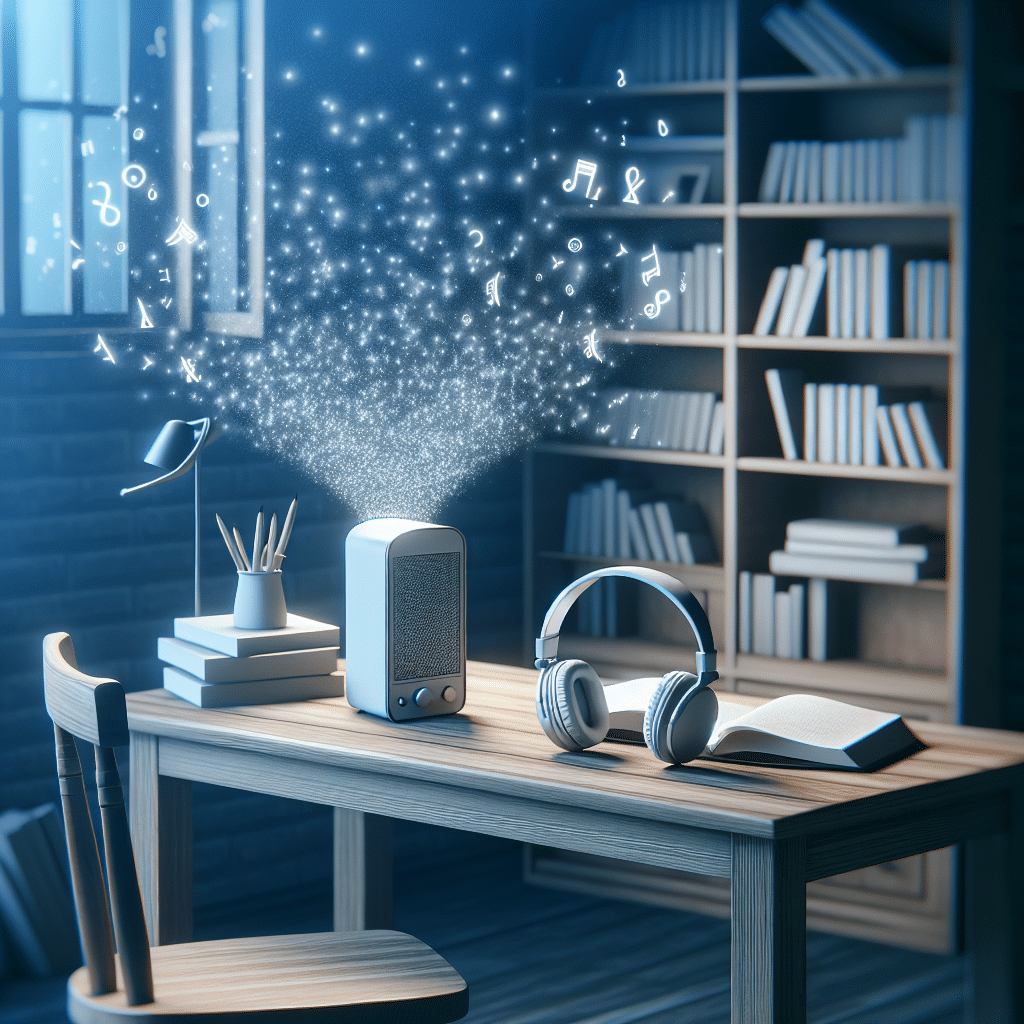
white noise machines for students

What Is White Noise?

White noise is a consistent sound that masks other noises that can disrupt concentration or sleep. Much like white light contains all colors of the spectrum, white noise encompasses a range of frequencies that blend together, creating a soothing and stabilizing sound environment. It is especially beneficial for students who often struggle with distractions in their study or sleep environments.

Benefits of Using White Noise Machines for Students

  1. Enhanced Focus and Concentration
    Many students find it challenging to concentrate in noisy settings. The consistent sound of white noise can help drown out disruptive sounds like conversations, traffic, or family activities. This can create an environment conducive to studying, allowing students to immerse themselves in their academic work without unnecessary interruptions.

  2. Improved Sleep Quality
    Sleep is essential for students, as a lack of restful sleep can impact memory retention, cognitive function, and overall academic performance. White noise machines can help mask disruptive noises that might wake students during the night, thus offering a more restful sleep experience.

  3. Stress Reduction
    Studying and attending classes can be stressful. White noise machines create a calming atmosphere that can help reduce anxiety. By providing a consistent auditory backdrop, they can make environments feel more secure and less intimidating, allowing students to focus on their work.

  4. Versatility and Portability
    Many white noise machines are compact and portable, making them easy to use in various settings, including dorm rooms, libraries, and cafes. This versatility enables students to create their ideal study or relaxation environment, regardless of where they are.

Types of White Noise Machines

  1. Simple Mechanical Machines
    These devices generate white noise using mechanical means, often producing a sound similar to a fan. They are generally user-friendly with basic functionalities, making them suitable for students who prefer simplicity.

  2. Digital White Noise Machines
    Digital devices often come with multiple sound options, including rain, ocean waves, and other nature sounds in addition to standard white noise. Many of these machines also feature timers, volume control, and Bluetooth connectivity for streaming, enhancing their usability for students.

  3. Smartphone Apps
    Various applications available on smartphones can emulate white noise and provide additional sounds designed to aid concentration and relaxation. These apps are convenient, as students can take them anywhere and adjust settings on the go.

  4. Sound Machines with Adaptive Sound Technology
    Some contemporary devices are equipped with adaptive sound technology that dynamically adjusts the sound based on the surrounding noise levels. This feature ensures a consistent auditory environment that remains effective, even in fluctuating settings.

Features to Consider

  1. Sound Variety
    Students may prefer a machine that features different sounds to suit their mood or specific needs. Look for machines offering multiple sound profiles, such as white noise, pink noise, nature sounds, and ambient sounds.

  2. Volume Control
    A quality white noise machine should have adjustable volume levels. Students can customize the sound to their preference, making it either more subtle for sleep or louder for focused studying.

  3. Timer Functionality
    A timer function is beneficial for students who like to sleep with white noise but do not want it to run all night. Machines that offer timing options for 30, 60, or 90 minutes can enhance energy efficiency and provide convenience.

  4. Portability
    Portability is crucial for students who move frequently between classes, libraries, or their dorm rooms. Opt for lightweight devices or compact versions that fit easily in a backpack.

  5. Energy Efficiency
    Energy-efficient models can save on electricity bills, especially for students living in shared accommodations. Look for machines that consume less power without sacrificing sound quality.

How to Incorporate a White Noise Machine into Your Study Routine

  1. Choose the Right Environment
    Place the white noise machine in a location that minimizes distractions. For instance, avoid positioning it directly next to your study materials; instead, place it slightly away to allow the sound to wash over rather than blare directly at you.

  2. Set Up Your Ideal Ambience
    Experiment with the type of sound and volume that works best for you. Some students may prefer the consistent sound of traditional white noise, while others may find nature sounds more soothing.

  3. Use During Different Activities
    White noise machines are not limited to study sessions. Use them while reading, writing, or even during breaks to maintain focus and reduce stress.

  4. Create a Bedtime Routine
    Incorporate the white noise machine into your nighttime routine. Setting it to run as you wind down can signal your body that it’s time to relax, creating a healthier relationship with sleep.

Reviews of Popular White Noise Machines for Students

  1. LectroFan High Fidelity White Noise Machine
    With 20 unique sounds, including various white and fan noises, the LectroFan is user-friendly and portable. It’s engineered for clarity and lacks looping, providing a seamless listening experience.

  2. Dreamegg D1 White Noise Machine
    This compact machine comes with 24 sound options, sleep timer settings, and a rechargeable battery. It’s an excellent pick for students on the go, ensuring that quality sleep is always within reach.

  3. Marpac Dohm Classic White Noise Machine
    Renowned for its simplicity, the Marpac Dohm uses a mechanical fan to produce white noise. The adjustable tone and volume make it a timeless choice for students who prefer an authentic sound experience.

  4. Hatch Restore Smart Sleep Device
    More than just a white noise machine, the Hatch Restore gives users control over light settings, sleep sounds, and even personalized alarms directly from a smartphone app. Its versatility is particularly appealing to students balancing online classes and study sessions.

Conclusion

Students face numerous challenges while balancing academic demands and personal life. White noise machines can serve as valuable tools for enhancing focus, improving sleep, and reducing stress. By understanding the types available and choosing the right machine, students can create conducive environments that support their studies and overall well-being.

avoiding caffeine and sugar for better sleep hygiene

avoiding caffeine and sugar for better sleep hygiene

Understanding Sleep Hygiene

Sleep hygiene refers to the practices and habits that promote consistent, uninterrupted, and quality sleep. Achieving optimal sleep hygiene is essential for physical health, mental clarity, and emotional stability. Among various contributors to sleep quality, caffeine and sugar stand out due to their widespread consumption and their profound impact on sleep.

The Impact of Caffeine on Sleep

What is Caffeine?

Caffeine is a natural stimulant found in coffee, tea, chocolate, and various energy drinks. It primarily works by blocking adenosine, a neurotransmitter that promotes sleep. While moderate amounts of caffeine can enhance alertness and improve cognitive performance, excessive intake can significantly disrupt sleep patterns.

How Caffeine Disrupts Sleep

  1. Sleep Latency: Caffeine increases sleep latency, meaning it makes it harder to fall asleep. This effect can linger for hours, depending on individual sensitivity and metabolism.

  2. Reduced Sleep Duration: High caffeine consumption, especially later in the day, can shorten overall sleep duration. Studies have shown that consuming caffeine 6 hours before bedtime can reduce total sleep time by over an hour.

  3. Altered Sleep Architecture: Caffeine can diminish the quality of sleep by reducing the proportion of slow-wave sleep (SWS) and REM sleep, both essential for restorative rest.

  4. Nighttime Awakenings: Higher caffeine intake may lead to more frequent awakenings during the night. This can result in fragmented sleep and a feeling of unrested upon waking.

Sources of Caffeine

  • Coffee and Espresso: A brewed coffee beverage can contain anywhere from 95 to 200 mg of caffeine per serving, depending on the brewing method.

  • Tea: Black tea has approximately 40-70 mg of caffeine, while green tea offers about 30-50 mg.

  • Energy Drinks: These can contain anywhere from 80 to over 300 mg of caffeine, often accompanied by high sugar levels.

  • Sodas: Regular cola beverages typically contain 30-60 mg of caffeine, along with sugars that can exert additional negative effects on sleep.

The Role of Sugar in Sleep Quality

How Sugar Affects Sleep

Sugar, while a quick source of energy, can severely impact sleep quality in various ways:

  1. Blood Sugar Spikes: Consuming sugary foods leads to rapid spikes and subsequent crashes in blood sugar levels. When these levels drop, they can prompt awakenings during the night, fostering restlessness and insomnia.

  2. Hyperactivity: High sugar intake can result in increased energy levels and hyperactivity, especially in children, which can interfere with the ability to wind down before bed.

  3. Inflammatory Response: An excessive sugar intake contributes to inflammation within the body, negatively affecting sleep quality by causing discomfort and making it harder to fall asleep or stay asleep.

  4. Hormone Disruption: Sugar can disrupt hormone regulation, particularly melatonin—the hormone responsible for regulating sleep cycles. A balanced diet is crucial for maintaining optimal hormone levels.

Strategies for Avoiding Caffeine and Sugar

Caffeine

  1. Set a Cut-Off Time: Establish a caffeine cut-off time, ideally around midday. This allows ample time for your body to metabolize the stimulant before you need to sleep.

  2. Opt for Decaf or Herbal Alternatives: Consider alternatives like decaffeinated coffee or herbal teas which can be soothing without the caffeine kick.

  3. Educate Yourself on Product Labels: Be aware of hidden caffeine sources, such as chocolate, pain relievers, and certain soft drinks. Read labels diligently.

  4. Replace with Nutrient-Dense Options: Consider swapping out caffeinated drinks for nutrient-rich beverages like coconut water or smoothies, which provide vitamins and minerals without the stimulants.

Sugar

  1. Limit Added Sugars: Be conscious of added sugars in processed foods. Familiarize yourself with the recommended daily limits—around 25 grams for women and 37.5 grams for men.

  2. Snack Wisely: Opt for healthier snacks such as nuts, yogurt, or fruit instead of sugary treats, particularly in the hours leading up to bedtime.

  3. Educate Yourself About Sugar Content: Learn to read food labels accurately and be wary of terms like “high fructose corn syrup” and other sugar alternatives that can still contribute to high sugar intake.

  4. Plan Balanced Meals: Include protein, healthy fats, and complex carbohydrates in meals. This balance can help stabilize blood sugar levels, enhancing overall sleep quality.

Benefits of Reducing Caffeine and Sugar

  1. Improved Sleep Quality: Eliminating caffeine and sugar can lead to deeper and more restorative sleep cycles, increasing the feeling of refreshment upon waking.

  2. Increased Daytime Alertness: As sleep quality improves, daytime alertness typically increases, leading to better cognitive performance and mood stabilization.

  3. Weight Management: Reducing sugar intake can support weight loss efforts, as added sugars contribute significant empty calories that promote weight gain.

  4. Enhanced Mood Stability: Stable blood sugar levels and improved sleep can help regulate mood swings and reduce anxiety levels.

The Importance of Consistency

  1. Establishing a Routine: Stick to a consistent sleep schedule, aiming to go to bed and wake at the same time each day, even on weekends.

  2. Create a Relaxing Pre-Sleep Ritual: Engage in calming activities like reading, practicing mindfulness, or taking a warm bath about an hour before bed. This helps signal your body that it’s time to wind down.

  3. Consider Sleep Environment: Optimize your sleep environment by keeping your bedroom cool, dark, and quiet. Limit exposure to screens before bedtime, as the blue light emitted can interfere with melatonin production.

Conclusion

Adopting a lifestyle that minimizes caffeine and sugar consumption can profoundly impact sleep hygiene, enhancing your overall well-being. By being mindful of dietary choices and their timing, you can foster better sleep and enjoy the myriad benefits that come with it.

aromatherapy techniques for restful nights

aromatherapy techniques for restful nights

Understanding Aromatherapy for Rest

Aromatherapy, the practice of using essential oils for therapeutic benefits, has gained popularity as a natural remedy for enhancing sleep quality. By engaging with the olfactory system, essential oils can elicit emotional and physical responses that promote relaxation and tranquility. Let’s explore various techniques to harness aromatherapy for restful nights.

Essential Oils for Sleep

Different essential oils have unique properties that can help with sleep. Here are some of the most effective essential oils to consider:

  1. Lavender: Renowned for its calming effects, lavender oil can reduce anxiety levels and improve sleep quality. Studies indicate that inhaling lavender aroma can reduce heart rate and blood pressure, thereby promoting relaxation.

  2. Chamomile: With its soothing scent, chamomile oil helps to alleviate insomnia by calming the mind and reducing stress. Its mild sedative properties can encourage relaxation and a deeper sleep.

  3. Bergamot: This citrus oil helps to alleviate anxiety and improve mood. Bergamot is known for its unique ability to reduce stress without the sedative effects often associated with sleep aids.

  4. Cedarwood: The warm and woodsy scent of cedarwood can help to decrease stress and improve the quality of sleep. Its sedative properties may aid in maintaining a long, restful night.

  5. Sandalwood: Known for its calming effects, sandalwood essential oil can help soothe the mind and promote a sense of serenity, making it an ideal choice for sleep blends.

Aromatherapy Techniques

1. Diffusion

Diffusion is one of the most popular aromatherapy methods. A diffuser disperses essential oils into the air, allowing you to inhale the aroma throughout the night.

How to diffusing for sleep:

  • Use a cold-air diffuser to prevent heat from altering the essential oil properties.
  • Combine 3-5 drops of lavender, chamomile, or your favorite sleep-promoting oils into water, as specified by the diffuser’s guidelines.
  • Turn the diffuser on approximately 30 minutes before bedtime to create a calming atmosphere.

2. Topical Application

When applied topically, essential oils can penetrate the skin and induce relaxation. Always dilute essential oils with a carrier oil like coconut or jojoba oil to avoid skin irritation.

How to apply essential oils:

  • Mix 2-3 drops of lavender or chamomile essential oil with a tablespoon of carrier oil.
  • Apply this mixture to pulse points like wrists, temples, and the back of the neck before bedtime.
  • Consider a relaxing massage using this blend to calm the nervous system, further promoting sleep.

3. Bath Soaks

A warm bath infused with essential oils can create a soothing pre-sleep ritual.

Creating a restful bath:

  • Fill your bathtub with warm water and add 6-10 drops of essential oils like lavender or cedarwood.
  • For added benefits, include Epsom salts to help relax sore muscles and reduce tension.
  • Soak for 15-20 minutes to unwind before bedtime.

4. Pillow Sprays

A pillow spray is a quick and easy way to promote sleep without extensive preparation.

Making a DIY pillow spray:

  • In a spray bottle, combine 1 cup of distilled water and 10-15 drops of your chosen essential oil (lavender or chamomile are great options).
  • Shake well before each use and lightly spritz on your pillows and bedding approximately 10 minutes before going to sleep.

5. Aromatherapy Inhalers

A portable inhaler can be especially helpful for those who wish to take their aromatherapy on the go.

Creating your inhaler:

  • Add 5-10 drops of your preferred essential oil blend to a cotton wick and insert it into an inhaler tube.
  • Inhale deeply whenever you feel the need to relax, whether at home or while traveling.

6. Meditation and Mindfulness

Integrating aromatherapy with mindfulness and meditation practices can enhance relaxation.

Combining techniques:

  • Choose a calming essential oil (like sandalwood) and diffuse it in your space.
  • Sit in a comfortable position and take deep breaths. As you inhale the scent, visualize the calming effects, allowing your mind to focus solely on the present moment.

Best Practices for Safety

While aromatherapy is generally safe, it’s essential to observe the following precautions:

  • Patch Test: Before applying essential oils to the skin, perform a patch test to ensure there’s no allergic reaction.
  • Avoid Certain Oils During Pregnancy: Some essential oils are not recommended during pregnancy or for children under two years. Always consult a healthcare professional.
  • Never Ingest Oils: Essential oils are potent and should not be ingested unless under the supervision of a qualified professional.

Conclusion: The Sleep Benefits of Aromatherapy

Embracing aromatherapy techniques tailored for restful nights can significantly enhance your sleep quality. By selecting appropriate essential oils and employing various methods such as diffusion, topical application, and mindful practices, you can cultivate an environment conducive to relaxation and restful sleep. By integrating these methods into your nightly routine, you can transform your nights into a peaceful sanctuary, paving the way for rejuvenated mornings. Aromatherapy, therefore, not only serves as a tool for better sleep but also contributes to overall well-being, allowing you to wake up refreshed.

aromatherapy diffusers for sleep

aromatherapy diffusers for sleep

Understanding Aromatherapy and Its Benefits for Sleep

Aromatherapy is a holistic healing treatment that uses natural plant extracts, also known as essential oils, to promote physical and emotional well-being. One of its most significant uses is to enhance sleep quality, making it a popular choice for those struggling with insomnia or disrupted sleep patterns. By incorporating aromatherapy diffusers into your nightly routine, you can create a calming environment that fosters relaxation and improves sleep.

What is an Aromatherapy Diffuser?

An aromatherapy diffuser is a device that disperses essential oils into the air, allowing you to benefit from the properties of the oils through inhalation. There are various types of diffusers, each with unique mechanisms for releasing aromatic vapor. Here are some of the most commonly used:

  1. Ultrasonic Diffusers: Use water and essential oils to create a fine mist. They are quiet and also humidify the air.
  2. Nebulizing Diffusers: Use air pressure to disperse undiluted essential oils. They produce a stronger scent and do not require water.
  3. Heat Diffusers: Use heat to evaporate essential oils. These are less effective at retaining the therapeutic properties of the oils compared to cold diffusion methods.
  4. Evaporative Diffusers: Use a fan to blow air through a pad or filter that contains essential oils. They are simple and can be portable.

Choosing Essential Oils for Sleep

Selecting the right essential oils is crucial for enhancing sleep quality. Below are some of the most effective oils known for their calming properties:

  • Lavender: Widely researched for its ability to lower heart rate and blood pressure, lavender oil can help promote relaxation and improve sleep quality.

  • Chamomile: This essential oil has calming effects and is often used to reduce anxiety and insomnia. Chamomile tea is commonly consumed for its sleep-inducing properties, but the oil is equally effective when diffused.

  • Bergamot: Known for its uplifting yet calming aroma, bergamot can reduce feelings of tension and anxiety, helping you to unwind.

  • Sandalwood: With its warm, rich scent, sandalwood helps to calm the mind and improve sleep patterns. It has sedative effects that can slow your heart rate and lower blood pressure.

  • Cedarwood: This essential oil possesses both soothing and soothing properties, helping to ease insomnia and improve sleep quality.

The Science Behind Aromatherapy for Sleep

Research indicates that aromatherapy can significantly improve sleep quality. A study published in the Journal of Alternative and Complementary Medicine found that lavender oil improved sleep quality among participants who reported sleeping difficulties. The inhalation of essential oils reportedly stimulates the limbic system, which controls emotions and memory, leading to heightened relaxation and reduced anxiety.

Essential oils can also affect the autonomic nervous system, promoting peacefulness and reducing the body’s stress response, which is crucial for a restful night’s sleep.

How to Use an Aromatherapy Diffuser for Sleep

To maximize the benefits of using an aromatherapy diffuser for sleep, follow these steps:

  1. Choose the Right Location: Place your diffuser in your bedroom, ideally away from direct airflow (like close to windows or fans), to allow an even distribution of the scent throughout the room.

  2. Select the Essential Oils: Choose oils that promote relaxation. A combination of lavender and chamomile may create a particularly soothing blend.

  3. Prepare the Diffuser: Fill the diffuser with the recommended amount of water (usually specified in the product’s instructions) and add 5–10 drops of your chosen essential oil(s).

  4. Set a Timer: Many diffusers come with timer settings. Consider setting your diffuser to run for 30-60 minutes before bedtime. This allows the calming scents to permeate the air as you prepare to sleep.

  5. Create a Relaxing Environment: Dim the lights, and consider incorporating other calming activities such as reading or meditative breathing while the diffuser is working.

Safety Tips and Considerations

While aromatherapy is generally safe, it’s essential to follow these guidelines:

  • Patch Test: Test the essential oil on a small skin area before using it regularly to ensure you do not have an allergic reaction.

  • Stay Informed: Certain essential oils are not safe for children or pregnant women. Always conduct research or consult a healthcare provider to ensure the oils are appropriate for your specific needs.

  • Ventilation: Be sure that your sleeping area is well-ventilated to avoid overwhelming scents.

  • Maintenance: Clean your diffuser regularly to prevent microbial growth and ensure optimal functioning. The instructions will usually detail the appropriate care routine.

Additional Benefits of Aromatherapy Diffusers

While the primary focus may be on promoting sleep, the advantages of using aromatherapy diffusers extend beyond just improved sleep quality:

  • Reduced Stress and Anxiety: Regular use of diffusers can contribute to overall mental well-being by reducing stress levels throughout the day.

  • Improved Air Quality: Many essential oils have natural antibacterial and antifungal properties, potentially improving indoor air quality.

  • Enhanced Mood: The calming and uplifting properties of essential oils can enhance your mood during the day, leading to a more positive outlook and potentially better sleep at night.

Conclusion

Integrating an aromatherapy diffuser into your nighttime routine could be one of the simplest yet most effective ways to bolster your sleep quality. By choosing the right essential oils and ensuring proper usage, you can create a tranquil sleeping environment that not only promotes better sleep but enhances your overall well-being. Whether you opt for the soothing scent of lavender or the calming notes of cedarwood, you can make aromatherapy a part of your path to restful nights and restorative sleep.

the benefits of gentle yoga for sleep enhancement

the benefits of gentle yoga for sleep enhancement

The Benefits of Gentle Yoga for Sleep Enhancement

Understanding Gentle Yoga

Gentle yoga is a slow-paced style that emphasizes relaxation, breath work, and mindful movement. Unlike more vigorous yoga styles, gentle yoga focuses on creating a calm atmosphere, easing stress, and promoting relaxation. It’s suitable for individuals of all fitness levels and can be particularly beneficial for those experiencing sleep difficulties.

The Science of Sleep

Before delving into the benefits of gentle yoga for sleep enhancement, it’s essential to understand the importance of sleep. Sleep is vital for overall health, influencing everything from cognitive function to immune health. According to the National Sleep Foundation, adults typically require 7-9 hours of sleep per night for optimal functioning. Poor sleep can lead to a myriad of issues, including anxiety, depression, and chronic health conditions.

Stress Reduction Through Gentle Yoga

One of the main benefits of gentle yoga is its ability to reduce stress levels effectively. Studies have shown that engaging in gentle yoga practices can lower cortisol levels, the body’s primary stress hormone. By decreasing stress, gentle yoga creates a more conducive environment for sleep.

Practices such as deep breathing, meditation, and gentle stretches allow for the release of tension accumulated during the day. This release not only calms the mind but also prepares the body for restful sleep. The consistent practice of gentle yoga can lead to long-term reductions in anxiety, contributing to improved sleep quality.

Improved Mindfulness and Awareness

Gentle yoga promotes mindfulness, the practice of being present in the moment. Mindfulness has been shown to enhance sleep quality by allowing individuals to manage their thoughts and emotions better. The breathing techniques and meditative aspects of gentle yoga encourage practitioners to focus on the present, minimizing racing thoughts commonly associated with insomnia.

As individuals develop greater mindfulness, they become more aware of their body’s signals. They learn to recognize when they are tired, allowing them to establish healthier sleep habits. This heightened awareness leads to more effective transitions between wakefulness and sleep.

Promoting Relaxation Response

Gentle yoga activates the body’s relaxation response, which contrasts with the stress response. This physiological shift leads to slower heart rates, lowered blood pressure, and reduced muscle tension. When the body is in a relaxed state, falling asleep becomes easier, as it signals to the body that it is time to rest.

Certain gentle yoga poses, such as child’s pose or restorative poses, are particularly effective at promoting relaxation. Incorporating these poses into a bedtime routine can help prepare the body and mind for sleep, making the transition from wakefulness to rest more seamless.

Enhancing Flexibility and Comfort

Physical discomfort is a common barrier to quality sleep. Gentle yoga helps improve flexibility and relieve physical tension. Through gentle stretching, practitioners can release tight muscles and alleviate discomfort, creating a more comfortable sleeping position.

A regular gentle yoga practice can enhance your body’s ability to move freely, reducing stiffness and aches. By addressing physical discomfort, gentle yoga can improve sleep quality and duration. Those prone to chronic pain or tension, particularly in the back, neck, or shoulders, may find that gentle yoga significantly improves their ability to rest.

Regulating Sleep Cycles

The rhythmic movements and steady breathing of gentle yoga can help regulate sleep cycles. These practices can boost the production of melatonin, the hormone responsible for regulating sleep-wake cycles. Enhancing melatonin levels naturally aids in the transition from wakefulness to sleep.

Additionally, establishing a regular gentle yoga routine can signal to the body that it’s time to wind down. Practicing yoga during the same time each evening can help set a regular sleep schedule, reinforcing the body’s natural rhythms. This consistent practice promotes more reliable and restorative sleep patterns.

Creating a Soothing Pre-Sleep Routine

Incorporating gentle yoga into your pre-sleep routine can significantly improve your ability to wind down. A calming evening yoga session can help distinguish nighttime from daytime, signifying to the body and mind that it’s time to relax. This separation is crucial for developing healthy sleeping habits.

To create an effective pre-sleep yoga routine, consider incorporating the following elements:

  1. Breathing Exercises: Start with deep breathing to calm the mind. Try the 4-7-8 technique – inhale for 4 seconds, hold for 7 seconds, and exhale for 8 seconds.

  2. Gentle Stretching: Incorporate gentle stretches that focus on the back, hips, and legs. Poses like gentle forward folds and supine twists can help release tension.

  3. Restorative Poses: End your routine with restorative poses such as Supta Baddha Konasana (Reclining Bound Angle Pose) or Viparita Karani (Legs Up the Wall Pose) for ultimate relaxation.

  4. Meditation: Conclude your practice with a brief meditation. Focus on your breath, allowing any lingering thoughts to fade away.

Building Each Session

Gentle yoga sessions can be customized to suit individual needs and preferences. Here are some poses that focus on sleep enhancement:

  • Cat-Cow Stretch: This gentle flow warms up the spine while promoting relaxation and reducing tension in the back muscles.

  • Seated Forward Bend (Paschimottanasana): This pose stretches the hamstrings and calms the mind, aiding in relaxation.

  • Supported Bridge Pose: Using a bolster can help gently open the chest and relieve lower back tension.

  • Child’s Pose: A resting posture that encourages surrender and relaxation, perfect for slowing the mind.

The Role of Breath Work

Proper breathing techniques are integral to gentle yoga and can significantly enhance its sleep-promoting effects. Focusing on deep, rhythmic breathing engages the parasympathetic nervous system, which induces a state of calm. Techniques like diaphragmatic breathing promote holistic relaxation, further easing the transition into sleep.

Incorporating Gentle Yoga into Your Life

To reap the full benefits of gentle yoga for sleep enhancement, consistency is key. Aim to practice at least three times a week, ideally making it a part of your nightly routine. You don’t need a significant time commitment; even 20-30 minutes can yield favorable results.

Utilize online classes or apps specifically designed for gentle yoga to guide your practice. Joining a local class can also provide a supportive community that encourages consistent practice and accountability.

Final Thoughts on Gentle Yoga and Sleep

Gentle yoga presents itself as a powerful tool for those seeking to enhance their sleep quality. By incorporating this harmonious practice into your daily routine, you can address the various factors that impact sleep, from stress reduction to comfort improvement. Embracing gentle yoga can significantly contribute to a more restful and rejuvenating night’s sleep.

environmental tweaks to improve sleep quality

environmental tweaks to improve sleep quality

Understanding Sleep Quality and the Environment

Sleep quality significantly affects our physical and mental well-being. Factors in our environment, such as noise, light, temperature, and air quality, play a pivotal role in determining how restful our sleep is. By making targeted environmental tweaks, we can cultivate a more conducive atmosphere for sleep.

1. Light Control

Darkness is Key

Melatonin, the hormone responsible for regulating sleep cycles, is produced in the dark. To enhance melatonin production:

  • Blackout Curtains: Invest in high-quality blackout curtains to block outside light, especially street lamps or early morning sun.
  • Sleep Masks: If curtains are not feasible, sleep masks can be an effective immediate solution to block light.

The Right Light

  • Dim Lighting: Use dimmable lights in the evening to mimic natural sunset conditions. This signals your body that it’s time to wind down.
  • Night Lights: Opt for red or orange hues which are less likely to interfere with melatonin production.

2. Sound Management

Creating a Soundscape

Noise, especially disruptive sounds like traffic or barking dogs, can impair sleep quality. Consider these strategies:

  • White Noise Machines: These devices can effectively mask disruptive noises, creating a consistent auditory backdrop that promotes relaxation.
  • Nature Sounds: Programs or apps that mimic rain, waves, or forest sounds can drown out distracting noises and create a serene atmosphere.

3. Temperature Regulation

Optimal Sleep Temperature

Research suggests that a cooler room, typically between 60-67°F (15-19°C), is ideal for sleep. Strategies to maintain the right temperature include:

  • Air Conditioning: Use air conditioning units or fans to lower room temperature during hot nights.
  • Bedding Choices: Opt for breathable, moisture-wicking materials for sheets and pajamas, such as cotton or bamboo, which help regulate body temperature.

4. Air Quality Enhancement

Fresh Air and Sleep

Good air quality contributes significantly to sleep quality. Steps to improve indoor air quality include:

  • Ventilation: Ensure proper room ventilation by opening windows when outdoor air quality permits. Consider using an air purifier to help eliminate allergens and pollutants.
  • Houseplants: Some plants, such as snake plants and peace lilies, help purify air by absorbing toxins and releasing oxygen.

5. Decluttering the Sleep Space

Minimalist Approach

A tidy and organized space can enhance relaxation and reduce anxiety, paving the way for better sleep.

  • Clear the Nightstand: Keep only essential items on your nightstand. Avoid using it as a catch-all for clutter.
  • Organized Space: Regularly declutter your bedroom to promote a tranquil atmosphere. Consider storage solutions to keep belongings out of sight.

6. Aromatherapy Benefits

Fragrant Sleep Aids

Aromatherapy can help promote relaxation and reduce anxiety, thus improving sleep quality. Consider these scents:

  • Lavender: Research shows that lavender essential oil can decrease heart rate and blood pressure, promoting sleep.
  • Chamomile: This herb can soothe the mind and body, helping to create a calming pre-sleep environment.

7. Optimal Bedding

Choosing the Right Mattress and Pillows

Investing in quality bedding can significantly improve sleep comfort.

  • Mattress Type: Select a mattress that offers adequate support based on your preferred sleeping position – firmness levels vary based on personal preference.
  • Pillow Selection: Choose pillows that support neck alignment, alleviating strain and enhancing overall sleep quality.

8. Technology Control

Managing Electronics

The blue light emitted from screens can interfere with melatonin production, disrupting the body’s natural sleep cycle.

  • Screen Time Reduction: Limit screen time at least one hour before bed. Engage in relaxing activities instead, such as reading or meditating.
  • Night Mode Settings: Utilize night mode settings on devices to reduce blue light emission during evening hours.

9. Sleep Routine Consistency

Establishing a Sleep Schedule

Creating a consistent sleep schedule helps regulate your body’s internal clock. Here’s how to create this routine:

  • Set Fixed Sleep Times: Go to bed and wake up at the same time every day, even on weekends.
  • Wind-down Ritual: Develop a soothing pre-sleep routine that may include light stretching, reading, or meditation to signal your body it’s time to prepare for sleep.

10. Creating a Comfortable Atmosphere

Personalized Touch

Your sleep environment ought to be a space that feels restful and personalized:

  • Cozy Blankets: Opt for comfortable throw blankets on your bed to enhance warmth and comfort.
  • Personal Decor: Consider soft colors and personal items in your decor that evoke positive emotions, creating a peaceful and inviting atmosphere.

11. Adjusting Personal Food and Drink Habits

Evening Nutrition

What you consume in the hours leading up to bedtime can affect sleep quality.

  • Limit Caffeine and Nicotine: Both substances are stimulants that can interfere with sleep. Avoid consuming them six hours before bedtime.
  • Evening Snacks: If needed, choose light snacks like bananas or oatmeal, which contain sleep-promoting nutrients, rather than heavy meals before bedtime.

12. Practicing Mindfulness

Mental Calmness

A tranquil mind is essential for restful sleep. Incorporate mindfulness practices into your nightly routine:

  • Meditation: Spend a few minutes focusing on your breath or practicing guided meditation using apps designed for relaxation.
  • Gratitude Journaling: Write down three things you are grateful for each night to shift your focus to positive thoughts, helping to relieve anxiety before sleep.

13. Incorporating Sound Therapy

Melatonin and Sound

Listening to calming sounds can have a positive effect on your sleeping environment:

  • Soft Music: Play soft instrumental music or soothing melodies before sleep to create a relaxing ambiance.
  • Binaural Beats: These audio tracks can promote deeper sleep by influencing brain waves, enhancing relaxation and sleep quality.

14. Engaging in Daytime Exercise

Promoting Better Sleep

Regular physical activity carries numerous benefits for sleep health.

  • Morning or Afternoon Workouts: Engaging in physical activities earlier in the day can help regulate your sleep cycles and improve sleep duration and quality.
  • Gentle Yoga or Stretching: Engage in calming stretches or yoga in the evening to promote relaxation and prepare the body for restful sleep.

15. Adjusting Your Sleeping Position

Finding Comfort

Your sleep position can also impact the quality of rest you achieve. Proper alignment is key.

  • Invest in Supportive Mattresses and Pillows: Different positions (side, back, stomach) require unique comfort support tailored to each.
  • Experiment with Positions: Finding the most comfortable sleeping position can lead to improved rest and reduce discomfort during the night.

By implementing these environmental tweaks, individuals can create a sleep-friendly haven that promotes restorative rest and overall well-being.

gadgets for reducing snoring

gadgets for reducing snoring

Understanding Snoring and Its Impact

Snoring affects millions of people worldwide, disrupting not only the sleep quality of the snorer but also that of their partners and housemates. This phenomenon occurs when the airflow through the mouth and nose is partially obstructed during sleep, causing vibrations in the throat. Various factors, including obesity, nasal congestion, sleep position, and lifestyle choices, contribute to snoring. Below, we explore several gadgets designed to mitigate this common issue, enhancing the quality of sleep for both the snorer and their sleeping companions.

1. Anti-Snoring Mouthpieces (Mandibular Advancement Devices)

Anti-snoring mouthpieces are popular solutions for reducing snoring. These devices work by positioning the lower jaw slightly forward, which helps keep the airway open. Mandibular advancement devices (MADs) are custom-fitted and can significantly reduce snoring for those with mild to moderate obstructive sleep apnea (OSA).

Key Features:

  • Custom Fit: A dental impression kit allows users to mold the device to their teeth structure.
  • Comfortable Wear: Many MADs use soft materials to reduce gum irritation.
  • Adjustability: Some models allow users to adjust the position of the jaw for optimal comfort and effectiveness.

2. Nasal Dilators and Strips

Nasal dilators and strips open the nostrils or nasal passages, improving airflow during sleep. These products cater to snorers who primarily snore through their nose due to nasal congestion or anatomical issues.

Nasal Strips:

  • Easy Application: These adhesive strips are placed on the outside of the nostrils.
  • Notable Benefits: They physically pull open the nostrils, providing more breathing room, therefore reducing the likelihood of snoring.

Nasal Dilators:

  • Intra-Nasal Options: Often made from flexible plastic, they are inserted inside the nostrils.
  • Discreet Use: They are less visible than nasal strips, making them appealing for many users.

3. Positional Therapy Devices

For many, sleeping on their back exacerbates snoring. Positional therapy devices help encourage side sleeping, a position known to minimize the incidence of snoring.

Examples Include:

  • Specialty Pillows: These are designed with contours that support the head and neck when lying on the side.
  • Wearable Vests: These are equipped with small bulges to discourage back sleeping. When the wearer rolls onto their back, they feel discomfort, prompting a change in position.

4. Smart Sleep Masks and Headphones

Innovative sleep masks and headphones equipped with smart technology can monitor and potentially reduce snoring. These devices often incorporate noise-canceling features or soothing sounds to mask snoring sounds while providing vivid tracking of sleep patterns.

Highlights:

  • Sound Detection: Some masks can detect snoring and emit sounds or vibrations to encourage the user to change their position.
  • Sleep Tracking: Integrated apps can collect data on sleep quality, providing insights into sleep patterns and effectiveness of interventions.

5. Air Purifiers and Humidifiers

Air quality plays a significant role in nasal congestion and throat dryness, leading to increased snoring. Air purifiers and humidifiers can improve the sleep environment by ensuring clean, moisture-rich air.

Benefits of Air Purifiers:

  • Allergen Reduction: They eliminate dust, pollen, and pet dander, which may contribute to respiratory obstruction.
  • Quiet Operation: Modern purifiers are designed to operate quietly, ensuring they do not disturb sleep.

Humidifiers:

  • Moisture Preservation: They add moisture to the air, alleviating dryness in the nostrils and throat.
  • Soothing Properties: Humidified air can also soothe irritated tissues in those suffering from allergies or colds, thereby reducing snoring frequency.

6. Smartwatches and Sleep Trackers

Smartwatches and sleep trackers offer insights into sleep patterns and snoring occurrences. These devices analyze the user’s sleep stages, heart rate, and movements throughout the night.

Advantages:

  • Data-Driven Insights: Users receive analytics that may identify patterns related to snoring, providing actionable data.
  • Personalized Recommendations: Many models offer suggestions for lifestyle or behavior modifications to minimize snoring.

7. Tongue Stabilizing Devices (TSDs)

For those who snore due to tongue obstruction of the airway, tongue stabilizing devices can be particularly effective. TSDs hold the tongue forward during sleep, maintaining an open airway.

Core Features:

  • Comfortable Design: Made from soft, flexible materials, these devices help users avoid gag reflex and discomfort.
  • Effective Snoring Reduction: Studies indicate that TSDs can significantly reduce snoring in patients with positional snoring.

8. CPAP Machines

Continuous Positive Airway Pressure (CPAP) therapy is the most common treatment for moderate to severe sleep apnea, which often results in snoring. CPAP machines deliver a continuous stream of air that helps keep the airway open.

Key Elements:

  • Customizable Settings: Users can adjust air pressure settings for optimal comfort.
  • Multiple Accessories: CPAP devices come with various mask styles (nasal, full-face) to cater to personal preferences.

9. Essential Oils and Aromatherapy Diffusers

Aromatherapy is an often-overlooked remedy for snoring. Certain essential oils, like eucalyptus or peppermint, can help open air passages and promote easier breathing during sleep.

Benefits of Using Diffusers:

  • Easy Integration: Add a few drops of essential oils to the diffuser before bedtime for a soothing environment.
  • Relaxation Aid: Aromatherapy can enhance relaxation, promoting deeper, uninterrupted sleep.

10. Vibrating Alarm Clocks

These gadgets can help active participants in their snoring solution by waking users who snore without disturbing others. A vibrating alarm clock placed under the pillow or mattress will gently shake when snoring is detected.

Key Aspects:

  • Gentle Waking: Ideal for light sleepers and those wary about harsh wake-up sounds.
  • User-Friendly Design: Many models include customizable settings for different sensitivity levels.

11. Chin Straps

Chin straps hold the jaws together during sleep, thereby preventing mouth breathing, which can exacerbate snoring. These straps are adjustable and comfortable enough for all-night wear.

Important Features:

  • Breathable Fabric: Many chin straps are made from soft, breathable materials suitable for sensitive skin.
  • Easy Adjustability: Allows users to find the most comfortable fit for their individual jaw structure.

12. Lifestyle and Behavior Modifications Tools

Finally, while not a gadget, incorporating behavior modification tools and methods can enhance the effectiveness of gadgets for reducing snoring. Mobile apps that promote healthier habits related to diet, exercise, weight management, alcohol, and smoking cessation can create more sustainable results.

Functional Aspects:

  • Goal Tracking: Users can set and track fitness or dietary goals, which indirectly contributes to snoring reduction.
  • Community Support: Many apps provide forums for sharing experiences and tips with other users dealing with similar issues.

When selecting the appropriate gadget or combination thereof, consider factors such as lifestyle habits, sleep position, and specific nasal or throat issues. Consulting with a healthcare professional may also help identify the underlying cause of snoring and guide you in choosing the best solution for improved sleep.

ways to unwind after a long day for better sleep

ways to unwind after a long day for better sleep

Ways to Unwind After a Long Day for Better Sleep

Understanding the Importance of Unwinding

A hectic day can leave your mind racing and body tense, making it difficult to settle into a restful night’s sleep. Unwinding allows you to transition from the pressures of the day to a state of relaxation, which is essential for quality sleep. Finding effective ways to decompress after a long day can significantly enhance your sleep quality.

Create a Relaxing Environment

To foster relaxation, it’s crucial to cultivate a tranquil environment. Here are some strategies:

  • Dim the Lights: Lowering the lighting in your space signals your body to wind down and boosts melatonin production.

  • Use Soothing Scents: Aromatherapy with essential oils such as lavender or chamomile can help relax the mind. Consider using a diffuser or scented candles before bedtime.

  • Maintain a Comfortable Temperature: Studies suggest that slightly cooler room temperatures, typically around 60-67°F (15-19°C), promote better sleep.

Engage in Gentle Physical Activity

Physical activity isn’t exclusively for the morning. Evening exercises can also promote relaxation. Some gentle options include:

  • Yoga: Gentle yoga stretches can alleviate muscle tension and stress, preparing the body for restful sleep. Poses like child’s pose and legs-up-the-wall can be particularly soothing.

  • Walking: A leisurely evening walk can help disperse accumulated stress while improving mood through endorphin release.

Mindfulness and Meditation Techniques

Cultivating mindfulness can be profoundly beneficial. Techniques that encourage present-moment awareness help reduce anxiety:

  • Guided Meditation: Many mobile applications and online resources offer guided sessions, focusing on relaxation and reducing mental chatter.

  • Breathwork: Deep breathing exercises can lower cortisol levels and induce relaxation. Try the 4-7-8 technique: inhale for four seconds, hold for seven seconds, and exhale for eight seconds.

Establish a Relaxation Routine

Consistency is key in forming positive habits. Develop a nightly routine that signals to your body it’s time to unwind:

  • Set a Bedtime: Aim to go to bed and wake at the same time daily, even on weekends. This strengthens your body’s natural circadian rhythm.

  • Digital Detox: Limit screen time an hour before bed, as blue light can interfere with melatonin production. Opt for reading a physical book or listening to calming music instead.

Nourishing Foods for Relaxation

Your diet can impact your sleep quality. Including certain foods in your evening routine may aid in relaxation:

  • Warm Herbal Teas: Chamomile and valerian root teas are known for their calming properties and help in reducing insomnia symptoms.

  • Complex Carbohydrates: Consuming a small portion of complex carbs, like whole-grain crackers, can help increase serotonin levels.

  • Bananas and Almonds: Both are rich in magnesium and potassium, which help relax muscles. They also contain tryptophan, a precursor to serotonin.

Utilize Technology Wisely

Although technology can be a distraction, it can also serve a beneficial role in relaxation. Use it mindfully:

  • Sleep-Tracking Apps: These can provide insights into your sleep patterns and assess how well you’re unwinding.

  • White Noise Machines: Sound machines or apps that produce gentle white noise or nature sounds can mask disruptive noises and promote a tranquil atmosphere.

Journaling for Mental Clarity

Putting pen to paper can alleviate thoughts swirling in your mind:

  • Gratitude Journaling: Each evening, write down three things you’re grateful for, which can shift your focus from stressors to positives.

  • Brain Dumping: Take a few minutes to write down any lingering thoughts or to-do lists to clear your mind before sleep.

Creative Outlets for Stress Relief

Engaging in creative activities can provide a productive avenue to unwind:

  • Drawing or Painting: Channeling your thoughts through art can promote relaxation and self-expression.

  • Playing an Instrument: Music can serve as a powerful outlet for emotions, allowing you to feel more grounded.

Perform a Nighttime Skincare Routine

Taking care of your skin can be both relaxing and rewarding:

  • Cleansing and Moisturizing: Taking time for a mindful skincare routine encourages self-care rituals, which can be calming.

  • Facial Massage: Incorporate gentle facial massage techniques to promote relaxation and relieve tension in your face.

Limiting Stimulants

To enhance the unwinding process, reduce or eliminate intake of substances that can cause restlessness:

  • Caffeine: Limit consumption of caffeine-containing beverages in the afternoon and evening to prevent them from disrupting sleep.

  • Alcohol: While it may seem to help you fall asleep, alcohol can actually diminish sleep quality and disrupt sleep cycles.

Explore Alternative Therapies

Integrating alternative healing practices can deepen relaxation:

  • Acupuncture: This ancient practice targets specific points to induce relaxation and can alleviate stress.

  • Massage Therapy: Regular sessions help reduce muscle tension and stimulate relaxation hormones.

The Power of Connection

Spending quality time with loved ones can be grounding and help ease stress:

  • Family Time: Engaging in light conversation or simple activities like cooking together can foster connection and reduce anxiety.

  • Pet Therapy: Interacting with pets has been shown to lower stress and improve overall well-being. A few minutes of petting or playing can enhance your mood.

Embrace Nature

Connecting with nature can soothe the mind and body:

  • Evening Strolls in Nature: Spending time outdoors, away from urban hustle, can recalibrate your sense of calm and help you detach from daily stressors.

  • Gardening: Engaging your senses through gardening promotes mindfulness and connection to the earth, serving as an effective unwinding practice.

Keep a Sleep Sanctuary

Transform your bedroom into a sleep haven:

  • Invest in Quality Bedding: Comfortable pillows and mattresses can make all the difference in enhancing sleep quality.

  • Minimize Clutter: A clean, organized space can cultivate tranquility and an inviting atmosphere ideal for rest.

By incorporating these strategies, you can create a personal unwinding routine that suits your lifestyle. Each activity offers a unique pathway to relieve stress and prepare your mind and body for restful sleep. Balancing relaxation with intentional habits ensures you nurture your well-being and enjoy rejuvenating nightly rest.