Understanding Sleep Apnea: Tips for Effective Management
Understanding Sleep Apnea
Sleep apnea is a serious sleep disorder characterized by repeated interruptions in breathing during sleep. These interruptions can last from a few seconds to a minute and can occur numerous times throughout the night. The two primary types of sleep apnea are obstructive sleep apnea (OSA), where the throat muscles intermittently relax and block the airway during sleep, and central sleep apnea, which occurs when the brain fails to transmit signals to the muscles that control breathing.
Recognizing Symptoms
Being aware of the symptoms of sleep apnea is essential for effective management. Common signs to watch for include:
- Loud snoring
- Episodes of breathing cessation witnessed by others
- Gasping or choking sensations during sleep
- Excessive daytime sleepiness
- Morning headaches
- Difficulty concentrating or memory problems
- Irritability or mood changes
Getting a Professional Diagnosis
If you suspect you have sleep apnea, it’s crucial to consult a healthcare professional. Diagnosis typically involves:
- A thorough medical history
- A physical examination
- A sleep study (polysomnography) that can be conducted in a sleep lab or through a home sleep test.
Embracing CPAP Therapy
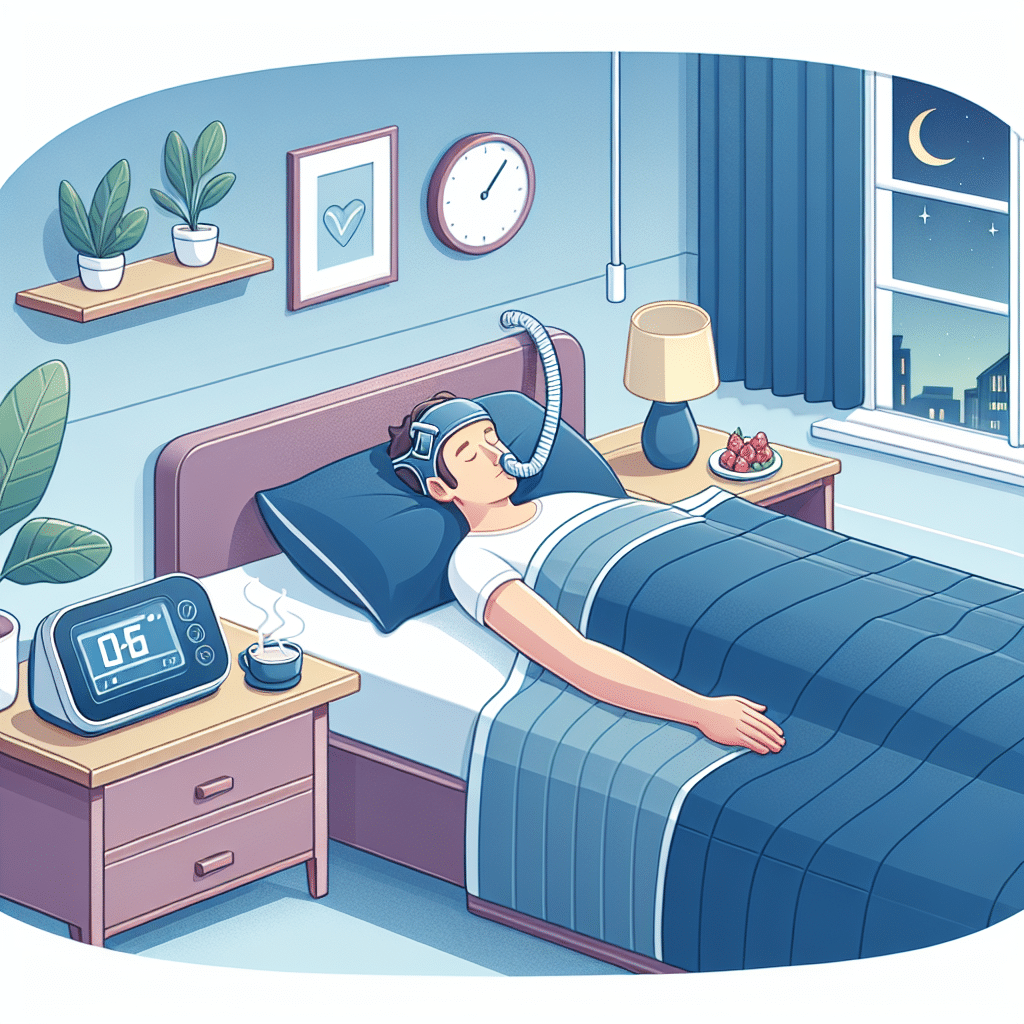
One of the most common treatments for obstructive sleep apnea is Continuous Positive Airway Pressure (CPAP) therapy. It involves wearing a mask connected to a CPAP machine that delivers a steady stream of air, keeping your airways open during sleep. Here are tips for adapting to CPAP therapy:
- Choose the Right Mask: There are various CPAP masks available; try different styles (full-face, nasal, or nasal pillow) to find the most comfortable fit.
- Use Humidification: A humidifier can alleviate dryness and discomfort in your nose and throat, making CPAP use more comfortable.
- Practice Each Night: At first, wearing the CPAP mask may feel strange. Gradually increase the time you wear it until it feels normal.
- Maintain Your Equipment: Regularly clean and replace your CPAP machine and accessories to ensure optimal function and reduce health risks.
Lifestyle Modifications
In addition to CPAP therapy, several lifestyle changes can significantly improve sleep apnea symptoms:
1. Weight Management
Excess weight can contribute to airway obstruction. Engaging in a balanced diet and regular exercise can aid in weight loss, which may minimize or eliminate sleep apnea symptoms.
- Balanced Diet: Focus on whole foods—fruits, vegetables, lean proteins, and whole grains—while reducing processed foods high in sugars and saturated fats.
- Regular Exercise: Aim for at least 150 minutes of moderate aerobic activity weekly, alongside strength training exercises to boost metabolism.
2. Positional Therapy
Certain sleeping positions can exacerbate sleep apnea symptoms. Many individuals experience fewer symptoms when sleeping on their side rather than their back. Consider the following tactics:
- Use Specialized Pillows: Side-sleeper pillows can help maintain a comfortable sleeping position.
- The Tennis Ball Method: Sew a tennis ball into the back of your sleepwear to discourage sleeping on your back.
3. Avoiding Alcohol and Sedatives
Alcohol and sedatives can relax the throat muscles, leading to increased airway obstruction. Aim to avoid these substances, especially close to bedtime.
4. Quit Smoking
Smoking can increase inflammation and fluid retention in the upper airway, worsening sleep apnea. Seek resources to help you quit smoking, including counseling and cessation aids.
Improving Sleep Hygiene
Proper sleep hygiene can make a significant difference in the quality of your sleep. Here are strategies to improve sleep hygiene:
- Regular Sleep Schedule: Go to bed and wake up at the same times every day, even on weekends, to regulate your body’s internal clock.
- Create a Restful Environment: Make your bedroom conducive for sleep—keep it dark, cool, and quiet. Consider blackout curtains, earplugs, or a white noise machine.
- Limit Screen Time: Reduce exposure to screens at least an hour before bedtime to minimize blue light that can disrupt melatonin production.
Staying Informed and Supported
Managing sleep apnea can feel overwhelming, but staying informed and connected with a support network can help:
- Educate Yourself: Knowledge about sleep apnea and its management empowers you to make informed decisions regarding treatment options.
- Join Support Groups: Connecting with others who have sleep apnea can help you share experiences, tips, and resources.
Regular Follow-up with Healthcare Providers
Routine follow-ups with your healthcare provider are essential for effective management of sleep apnea. This could involve:
- Monitoring your symptoms and how well your treatment is working
- Adjusting your CPAP settings, if applicable
- Discussing any new symptoms or concerns that arise
Exploring Alternative Therapies
While CPAP therapy is the gold standard for many, some individuals explore alternative therapies. Consult your healthcare provider before trying any new treatment methods:
- Oral Appliances: Dental devices can reposition the jaw and tongue to keep the airway open. A sleep dentist can provide tailored options.
- Surgery: In severe cases, surgical interventions may be necessary to remove excess tissue, correct structural problems, or enlarge the airway.
Mindfulness and Stress Management
Chronic stress can worsen sleep quality. Incorporate mindfulness practices in your daily routine:
- Meditation: Spend a few minutes each day practicing mindfulness meditation, helping reduce anxiety and promoting relaxation.
- Yoga: Engage in gentle yoga stretches designed to relieve tension in the body, creating a calming effect before bed.
Staying Hydrated
Dehydration can exacerbate snoring and sleep apnea symptoms. Ensure you drink enough water during the day, but limit fluid intake right before bedtime to avoid nighttime bathroom trips.
Utilizing Sleep-Tracking Apps
Today, various smartphone apps can help track your sleep patterns and identify potential sleep disturbances. Look for apps that provide insights into your rest quality and suggest improvements based on your patterns.
Exploring Therapy for Comorbid Conditions
Individuals with sleep apnea often experience other health conditions, such as depression or anxiety. Addressing these underlying issues with the help of a therapist or counselor can enhance overall wellbeing and improve sleep quality.
Engaging with a Nutritionist
If managing your diet feels overwhelming, consider working with a nutritionist. They can provide you with tailored meal plans that fit your lifestyle, helping you achieve your health and weight goals effectively.
Building a Routine
Handling sleep apnea can be more manageable through structured routines. Incorporate activities that promote relaxation in the evening, such as reading or gentle stretches, to create a wind-down period before sleep.
Consulting an ENT Specialist
If other methods do not alleviate your symptoms, consult an Ear, Nose, and Throat (ENT) specialist. They can evaluate structural issues in the airway and suggest appropriate interventions.
Conclusion
Living with sleep apnea requires a multi-faceted approach that combines designated therapies, lifestyle changes, and support networks. Focus on what you can control to improve your quality of life. By engaging in these methods proactively, individuals with sleep apnea can look forward to restful sleep and enhanced health moving forward.