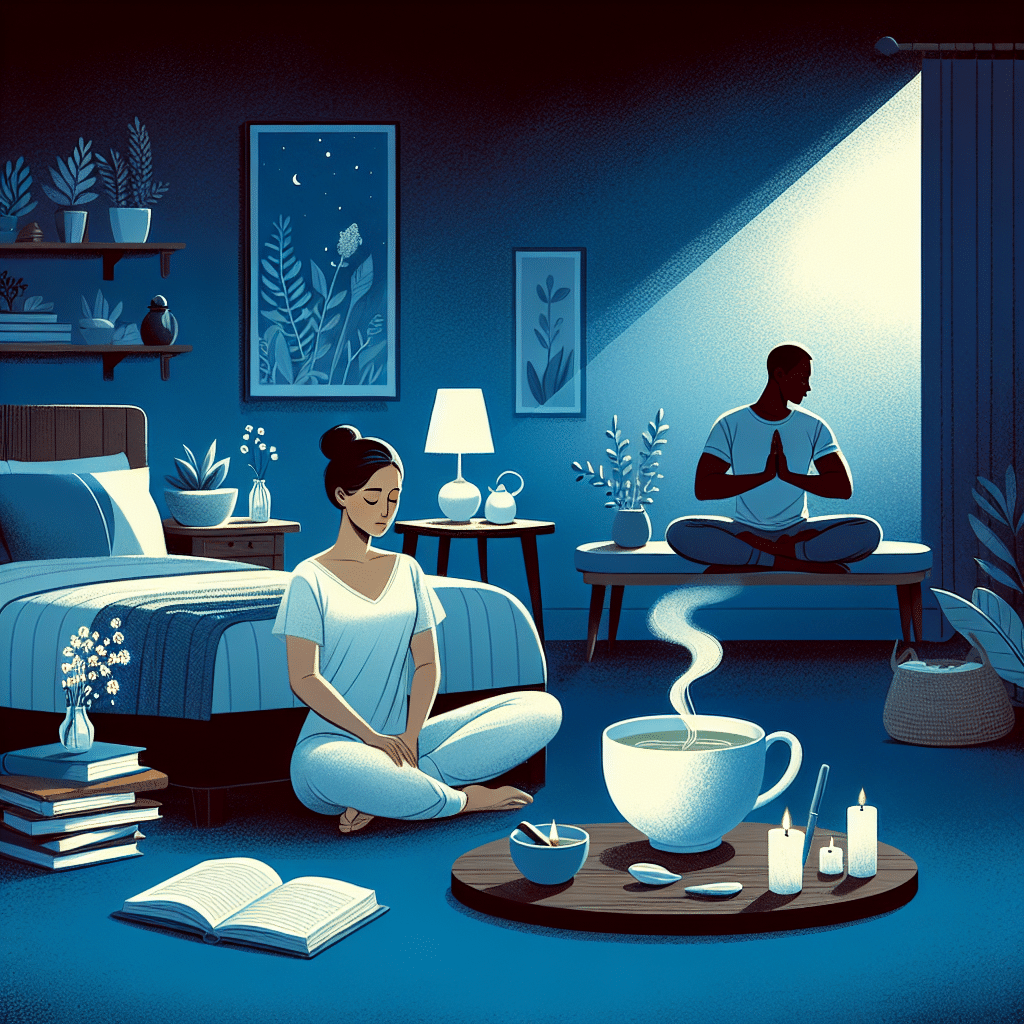
Understanding Sleep Quality
Sleep quality significantly impacts overall health, mood, and daily functioning. Poor sleep can lead to health issues like obesity, diabetes, and cardiovascular problems. Factors influencing sleep quality include stress, lifestyle choices, environment, and bedtime habits. Establishing calming bedtime rituals is essential in promoting restful sleep and improving sleep quality.
The Role of a Sleep Environment
Creating a serene sleep environment is crucial. A dark, quiet, and cool bedroom facilitates relaxation. Here are key elements to consider:
-
Lighting: Dim lights and soft lamps help signal your brain that it’s time to wind down. Consider blackout curtains to minimize external light sources.
-
Temperature: The ideal sleep temperature ranges from 60 to 67 degrees Fahrenheit. Experiment with bedding and room ventilation to achieve comfort.
-
Noise: White noise machines or earplugs can mitigate disruptive sounds. Calming sounds, like nature’s whispers, can also create a peaceful atmosphere.
-
Aromatherapy: Certain scents, such as lavender or chamomile, have calming properties. Utilizing essential oil diffusers or scented candles can enhance relaxation.
Establishing a Bedtime Routine
A defined bedtime routine helps signal to the body that sleep is approaching. Consistency is key. Here are effective rituals to include in your nightly routine:
1. Limit Screen Time
The blue light emitted from screens can disrupt melatonin production. Aim to disconnect from electronic devices—smartphones, computers, and TVs—at least 30 minutes before bedtime. If necessary, use blue light filters on your devices.
2. Read a Book
Reading a physical book (preferably something light-hearted or relaxing) can shift your focus away from daily stressors. It allows the mind to engage in an activity that promotes relaxation, setting the stage for sleep.
3. Practice Mindfulness or Meditation
Engaging in mindfulness practices or meditation can significantly enhance relaxation. Techniques to consider include:
-
Breath Awareness: Concentrate on your natural breathing patterns. Inhale deeply for four counts, hold for four, then exhale for six.
-
Guided Meditations: Use meditation apps or online resources to help guide you through relaxation exercises.
-
Body Scan: Slowly focus on different body parts, releasing tension as you progress from head to toe.
4. Gentle Stretching or Yoga
Incorporating gentle stretches or yoga poses relaxes the body and prompts physical calmness. Focus on restorative poses such as:
-
Child’s Pose: A calming posture that releases tension from the back and aids relaxation.
-
Legs-Up-the-Wall Pose: Increases blood circulation and relieves fatigue.
5. Drink Herbal Tea
A warm cup of herbal tea, such as chamomile or peppermint, can soothe the mind and promote relaxation. Avoid caffeinated beverages close to bedtime, as they can disrupt sleep.
The Power of Journaling
Journaling before bed can significantly impact sleep quality. Recording thoughts and feelings acts as a mental decluttering tool, allowing you to release worries and stress:
-
Gratitude Journaling: Focus on positive aspects of the day. Writing down three things for which you are grateful can boost mood and cultivate happiness.
-
Problem Solving: Write down tasks or worries, allowing the mind to let go of these thoughts for the night.
Creating a Sleep-Inducing Atmosphere
Consider enhancing your bedroom atmosphere with these strategies:
-
Soft Textiles: Invest in high-quality bedding made from breathable materials. Soft sheets and cozy blankets promote comfort and restful sleep.
-
Artwork and Decor: Decorate your bedroom with soothing colors and artwork. Soft tones like blues and greens induce a calming effect.
Nutrition and Sleep
Food intake throughout the day can also influence sleep quality. Implement these dietary tips for better sleep:
-
Limit Heavy Meals Before Bed: Eating large meals too close to bedtime can cause discomfort and indigestion, hindering sleep.
-
Snack Wisely: If hunger strikes close to bedtime, opt for sleep-friendly snacks such as:
- Almonds: Contain magnesium, which may improve sleep quality.
- Kiwi: High in antioxidants and serotonin, it has been linked to improved sleep onset.
-
Avoid Caffeine and Nicotine: These stimulants can remain in your system for hours, affecting your ability to sleep.
The Role of Physical Activity
Regular physical activity is a well-known factor influencing sleep quality, but timing matters. Aim to complete your workouts at least a few hours before bedtime to avoid any post-exercise alertness. Consider activities like:
-
Walking: A gentle stroll can effectively calm the mind and body.
-
Dancing: A fun way to incorporate movement into your evening routine, encouraging relaxation.
Breathing Techniques for Relaxation
Implementing particular breathing techniques can enhance your evening routine:
-
4-7-8 Breathing: Inhale for four counts, hold for seven, exhale for eight. Repeat four times to reduce anxiety and promote relaxation.
-
Coherent Breathing: Breathe in for a count of five, hold for a count of five, and exhale for a count of five. This technique helps synchronize your heart rate and breathing, promoting calmness.
Limiting Fluid Intake
While hydration is essential, consider limiting fluid intake as bedtime approaches to reduce the likelihood of nighttime awakenings for bathroom trips. Aim to consume most fluids earlier in the day.
Scheduling Sleep
Establishing a sleep schedule is crucial for regulating your body’s internal clock. Go to bed and wake up at the same times every day, even on weekends, to help reinforce a healthy sleep-wake cycle.
Utilizing Sleep Aids Wisely
If considering sleep aids, consult a healthcare provider for guidance. Non-prescription options like valerian root, melatonin, or magnesium can support sleep, but should be used judiciously and not as a long-term solution.
Avoiding Sleep Disruptors
Be mindful of factors that can disrupt your sleep process:
-
Alcohol: While it may initially induce drowsiness, alcohol disrupts sleep later in the night. Limit consumption, particularly before bedtime.
-
Naps: Long naps during the day can interfere with nighttime sleep. If a nap is necessary, limit it to 20-30 minutes and avoid napping late in the day.
Incorporating Nature
Exposure to nature and natural light has significant benefits for sleep quality. Try integrating outdoor experiences into your routine. Here are a few ways to connect:
-
Evening Walks: Take a stroll outside before bedtime to enjoy the serenity of the evening.
-
Sunlight Exposure: Aim for natural light exposure during the day to help regulate your circadian rhythm, promoting better sleep at night.
Final Thoughts on Calming Bedtime Rituals
Establishing calming bedtime rituals is a commitment to enhancing sleep quality. Through a combination of environmental factors, routine adjustments, nutrition, and mindfulness practices, individuals can create a tranquil pre-sleep experience. Prioritizing sleep can lead to improved health and emotional well-being, showcasing the benefits of dedicated bedtime rituals in everyday life.
Adopting a Holistic Approach to Sleep
A comprehensive approach to sleep considers not only the rituals undertaken but also reflects a lifestyle dedicated to wellness. By understanding sleep cycles, managing stress, and respecting the importance of sleep hygiene, individuals can achieve transformational improvements in their sleep quality. Embracing a variety of tools and techniques, and individually tailoring them to specific needs, sets the stage for a healthier, more restorative night’s sleep.