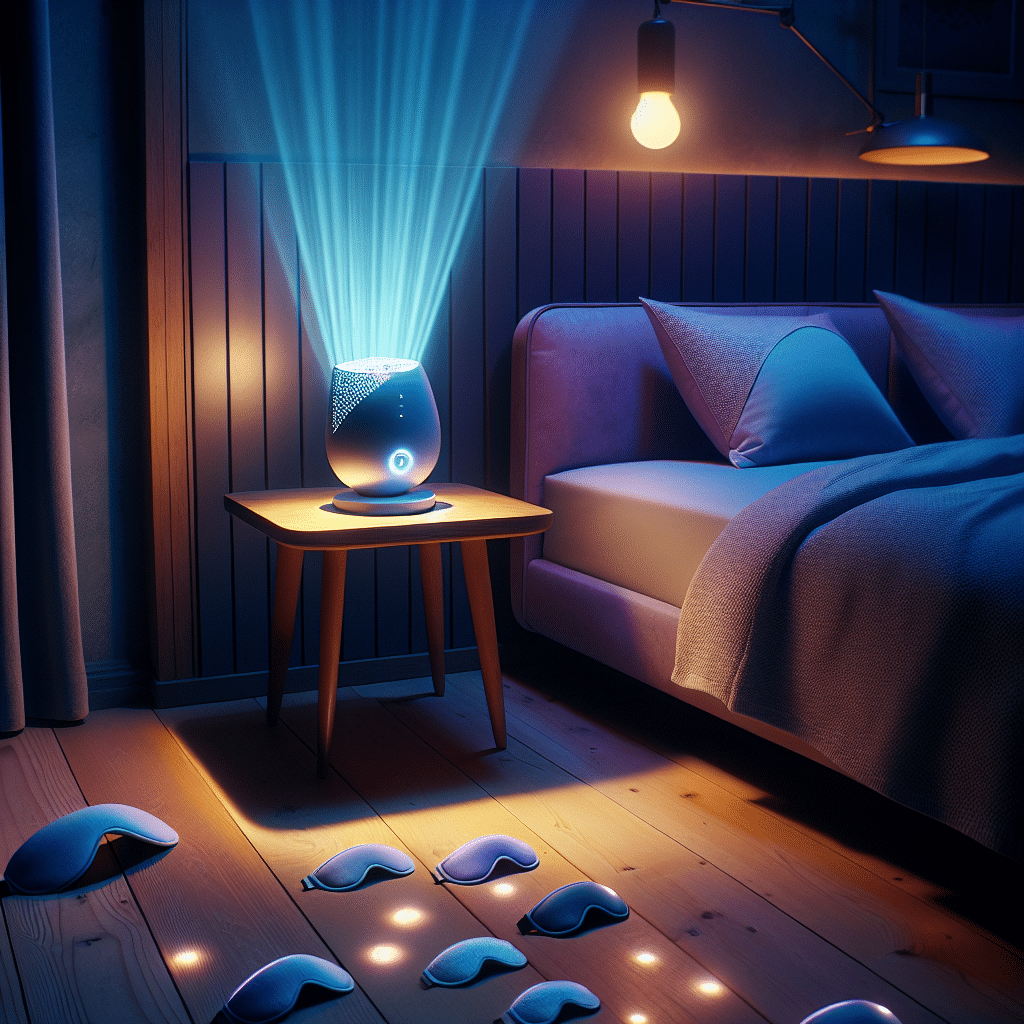
Understanding Light Therapy and Its Benefits for Sleep Disorders
Light therapy is a well-established treatment that uses specific wavelengths of light to regulate sleep patterns and address various sleep disorders. This non-invasive approach primarily involves exposure to bright light, typically from specialized devices, to help regulate the body’s internal clock or circadian rhythm. The efficacy of light therapy for sleep disorders is backed by extensive research, providing an appealing alternative to pharmaceutical treatments.
How Light Therapy Works
Light therapy primarily affects the suprachiasmatic nucleus (SCN), the part of the brain responsible for controlling circadian rhythms. Exposure to light, particularly in the morning, helps signal to the body that it is time to be awake and alert. Conversely, avoiding light during the evening can facilitate a quicker shift into sleep mode. This interaction plays a major role in the production of melatonin, the hormone responsible for regulating sleep.
Types of Sleep Disorders that Light Therapy Can Address
-
Insomnia: Individuals struggling with insomnia often benefit from light therapy by aligning their sleep schedule and improving sleep quality.
-
Seasonal Affective Disorder (SAD): The lack of natural light during winter months can lead to depressive symptoms and sleep disturbances. Light therapy can help alleviate these symptoms and stabilize sleep patterns.
-
Circadian Rhythm Sleep Disorders: People with irregular sleep-wake cycles, often related to shift work or jet lag, can use light therapy to reset and maintain a healthy circadian rhythm.
-
Delayed Sleep Phase Disorder: Individuals with this disorder typically struggle to fall asleep and wake up at conventional times. Light therapy can help shift their sleep-wake cycle earlier.
-
Non-24-Hour Sleep-Wake Disorder: Common among the visually impaired, this disorder leads to a disrupted circadian rhythm. Light therapy can help restore alignment with the natural day-night cycle.
Light Therapy Gadgets: An Overview
The market is flooded with light therapy gadgets designed to assist individuals experiencing sleep disorders. These devices include light boxes, dawn simulators, and wearable devices, each serving distinct purposes in the realm of light therapy.
1. Light Boxes
Light boxes are among the most popular light therapy gadgets. They emit a bright light that mimics natural sunlight, typically ranging from 2,500 to 10,000 lux.
-
Ideal Use: A light box is most effective when used in the morning, ideally within the first hour after waking up. Sessions typically last from 20 to 60 minutes, depending on the intensity of the light.
-
Features to Consider: Quality light boxes have UV filters, adjustable brightness settings, and adjustable design to ensure comfortable use.
-
Popular Options: Brands like Philips and Verilux offer highly-rated models known for effectiveness and safety.
2. Dawn Simulators
Dawn simulators are devices that gradually increase light intensity in the morning to mimic a natural sunrise.
-
Benefits: This gradual exposure to light helps in waking the sleeper more gently, thus improving the wake-up experience and minimizing grogginess.
-
Best Practices: These simulators can be set to start from a specific time, making them ideal for individuals with morning schedules. The light can last anywhere from 30 minutes to an hour, creating a natural waking experience.
-
Recommended Devices: The Philips Wake-Up Light and the Hatch Rest are popular models praised for their user-friendly features and customizable settings.
3. Wearable Devices
Wearable light therapy devices are growing in popularity, offering convenience and portability.
-
Functionality: Many wearables are designed for nighttime use or during the day to help regulate circadian rhythms. They can emit therapeutic light in a targeted manner and often include sleep-tracking features.
-
Use Cases: These devices can be particularly useful for shift workers or travelers who need to adjust their sleep patterns frequently.
-
Top Choices: The Luminette and the AYO Wearable Light have garnered attention for their effectiveness and unique designs.
Selecting the Right Light Therapy Gadget
Choosing the appropriate light therapy gadget involves considering a few key factors:
-
Purpose: Identify specific sleep disorders or issues. Some devices are better suited for morning use, while others are designed for evening relaxation.
-
Lux Levels: Higher lux levels generally yield better results for severe conditions. Look for devices that offer flexibility in light intensity.
-
User Comfort: Ensure the devices are comfortable to use, both physically (size and portability) and visually (design and light warmth).
Important Considerations and Safety Precautions
While light therapy is generally considered safe, some precautions should be taken to minimize potential side effects:
-
Consultation: Always consult with a healthcare provider before starting a light therapy regimen, particularly if you are taking medications or have pre-existing health conditions.
-
Timing: Correct timing is crucial. Exposure to light late in the day can disrupt sleep rather than improve it.
-
Duration: Begin with shorter sessions of light exposure and increase as needed. Overexposure can lead to side effects such as headaches and eye strain.
Light Therapy Gadgets’ Role in a Holistic Approach to Sleep Health
The effectiveness of light therapy gadgets can be accentuated when combined with other sleep-promoting strategies. Establishing a conducive sleep environment, adhering to a consistent sleep schedule, and practicing relaxation techniques can further enhance the quality of sleep.
-
Sleep Hygiene: Maintain a dark, cool bedroom environment that signals to your body it is time to sleep.
-
Mindfulness and Relaxation Techniques: Practices such as meditation or deep-breathing exercises can complement light therapy by reducing stress and promoting relaxation.
-
Lifestyle Adjustments: Reducing caffeine intake, avoiding screens before bedtime, and ensuring adequate physical activity throughout the day can improve overall sleep quality.
Conclusion
With a multitude of light therapy gadgets available, individuals struggling with sleep disorders have more options than ever to regain control over their sleep patterns. Whether through light boxes, dawn simulators, or wearable devices, light therapy presents a promising avenue for improving sleep quality without the need for pharmaceutical intervention.