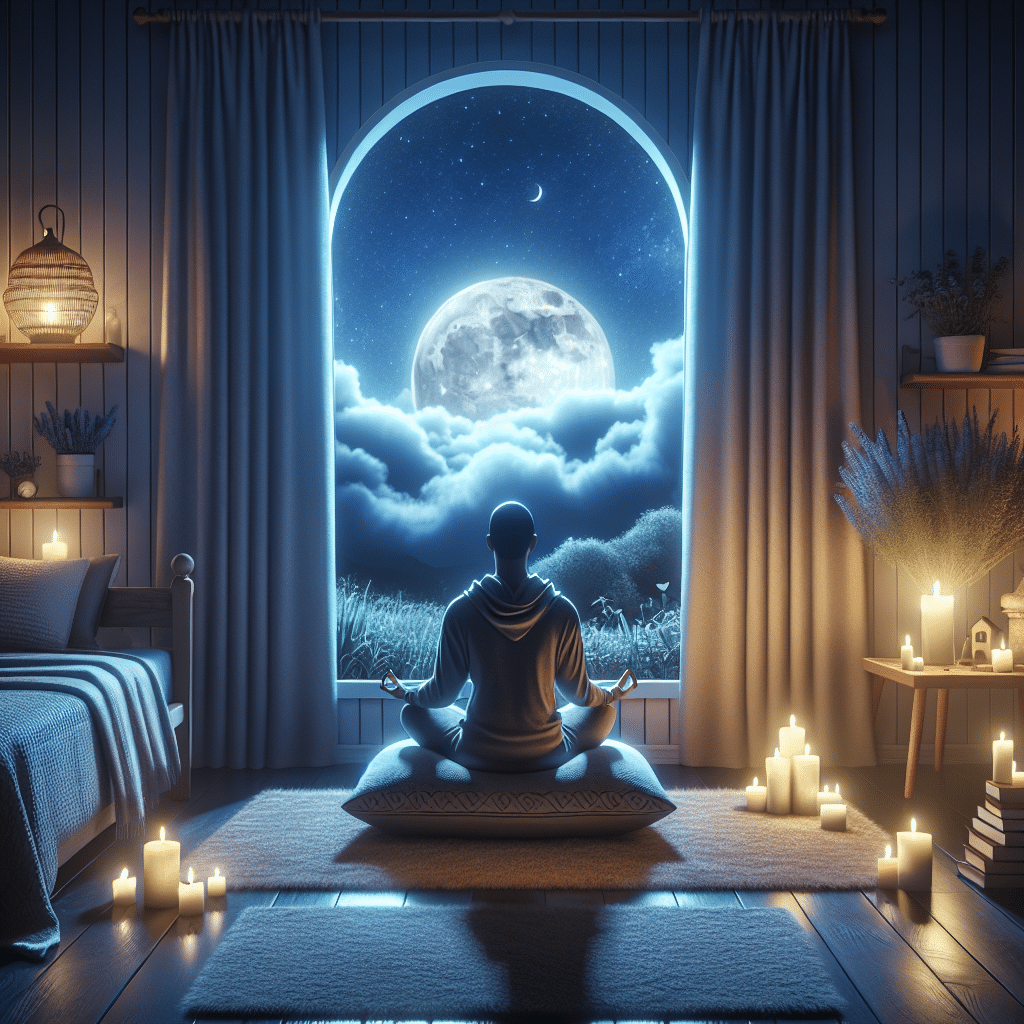
Understanding Nighttime Anxiety
Nighttime anxiety can disrupt your sleep, leading to a cycle of feelings that can be hard to break. It is characterized by racing thoughts, a heightened sense of worry, and physical symptoms like racing heartbeats or muscle tension. Understanding the root cause of this anxiety is crucial. Factors may include daily stressors, unresolved emotional issues, or even external sources such as noise or an uncomfortable sleeping environment.
Calming Techniques for Nighttime Anxiety Relief
1. Breathing Exercises
Deep Breathing: One of the most effective techniques is deep breathing. Inhale slowly through your nose to a count of four, hold for four, and then exhale slowly through your mouth for a count of six. Repeat this process several times. This method promotes relaxation by lowering levels of stress hormones and increasing feelings of calm.
4-7-8 Breathing: This is a specific breathing technique that helps reduce anxiety. Inhale for a count of four, hold your breath for seven, and exhale slowly for a count of eight. This technique can help regulate your heart rate and reduce feelings of panic.
2. Progressive Muscle Relaxation (PMR)
PMR involves tensing and then relaxing different muscle groups in the body in a systematic way. Start from your toes and gradually work your way up to your head. Tense each muscle group for about five seconds, then relax them for 30 seconds. This technique helps to release tension and promotes a sense of calm.
3. Guided Imagery and Visualization
Guided imagery involves mentally picturing a serene setting or scenario, effectively transporting your mind to a calm place. When doing this technique, close your eyes and visualize a peaceful beach, tranquil forest, or any place that makes you feel at ease. Incorporate all your senses: imagine the sounds, smells, and textures of the space. This vivid imagery can significantly reduce anxiety levels.
4. Mindfulness Meditation
Mindfulness teaches you to focus on the present moment, helping to quiet the mind’s racing thoughts. A simple mindfulness meditation can be done by focusing your attention on your breath. If your mind begins to wander, gently bring it back to your breath. Practicing mindfulness before bed can help you unwind and prepare for restful sleep.
- Loving-Kindness Meditation: This specific form of mindfulness encourages positive thoughts toward yourself and others. As you meditate, repeat phrases such as “May I be happy” or “May I be safe,” fostering a sense of warmth and connection, which can counteract feelings of isolation often felt during anxiety.
5. Stress Journaling
Writing down your thoughts and feelings before bed can help organize and clarify what’s on your mind. Set aside 10-15 minutes to jot down what you’re anxious about, along with potential solutions or actions you can take. This technique not only clears your mind but also allows you to confront your concerns rather than avoid them.
6. Creating a Calm Sleep Environment
Optimal Sleep Conditions: Ensure your bedroom is conducive to sleep. Maintain a dark room with blackout curtains, keep the temperature cool, and reduce noise with earplugs or a white noise machine.
Essential Oils: Aromatherapy can engage your senses and promote relaxation. Essential oils like lavender, chamomile, and sandalwood have calming properties. Use a diffuser, apply a few drops to your pillow, or mix with a carrier oil for a soothing massage before bed.
7. Establishing a Bedtime Routine
Creating a regular bedtime routine signals your body that it’s time to wind down. Engage in activities like reading, gentle stretching, or taking a warm bath. Limit exposure to screens at least an hour before bedtime, as the blue light emitted from devices can interfere with your body’s natural sleep-wake cycle.
8. Physical Activity During the Day
Exercise is a known stress reliever. Engaging in regular physical activity helps regulate sleep patterns and combat anxiety. Aim for at least 30 minutes of aerobic exercise most days, but avoid intense workouts close to bedtime as these might interfere with sleep.
9. Limiting Stimulants and Alcohol
Caffeine and nicotine can exacerbate symptoms of anxiety and interfere with sleep patterns. Aim to limit intake in the hours leading up to bedtime. Alcohol might seem like a relaxation tool, but it can disrupt your sleep cycle. Be mindful of your consumption in the evening.
10. Herbal Teas and Supplements
Certain herbal teas like chamomile, valerian root, and lemon balm are known for their calming effects. Sipping on a warm cup can help relax your body. Consult a healthcare provider before trying supplements like magnesium or melatonin, which may support better sleep.
11. Cognitive Behavioral Techniques
Cognitive Behavioral Therapy (CBT) focuses on changing negative thought patterns that contribute to anxiety. You can utilize CBT techniques by challenging each anxious thought: ask yourself if it’s rational or what evidence you have to support it. Replacing negative thoughts with positive affirmations can reshape your mindset over time.
12. Limit Naps
While napping can provide short-term relief, excessive daytime napping can disrupt nighttime sleep. If you must nap, aim for a short 20-30 minute nap in the early afternoon to avoid interfering with your ability to fall asleep at night.
13. Tech-Free Zone
Establish your bedroom as a tech-free zone. This helps reduce distractions and anxiety related to devices. Consider using traditional clocks instead of phones or tablets for time-checking, further reducing exposure to blue light.
Conclusion
Incorporating these calming techniques into your nightly routine can significantly alleviate nighttime anxiety. Each person’s experience with anxiety is unique, so it may take time to find the combination that works best for you. Pay attention to your body and mind’s responses to these techniques, and consider incorporating them into your overall wellness plan.