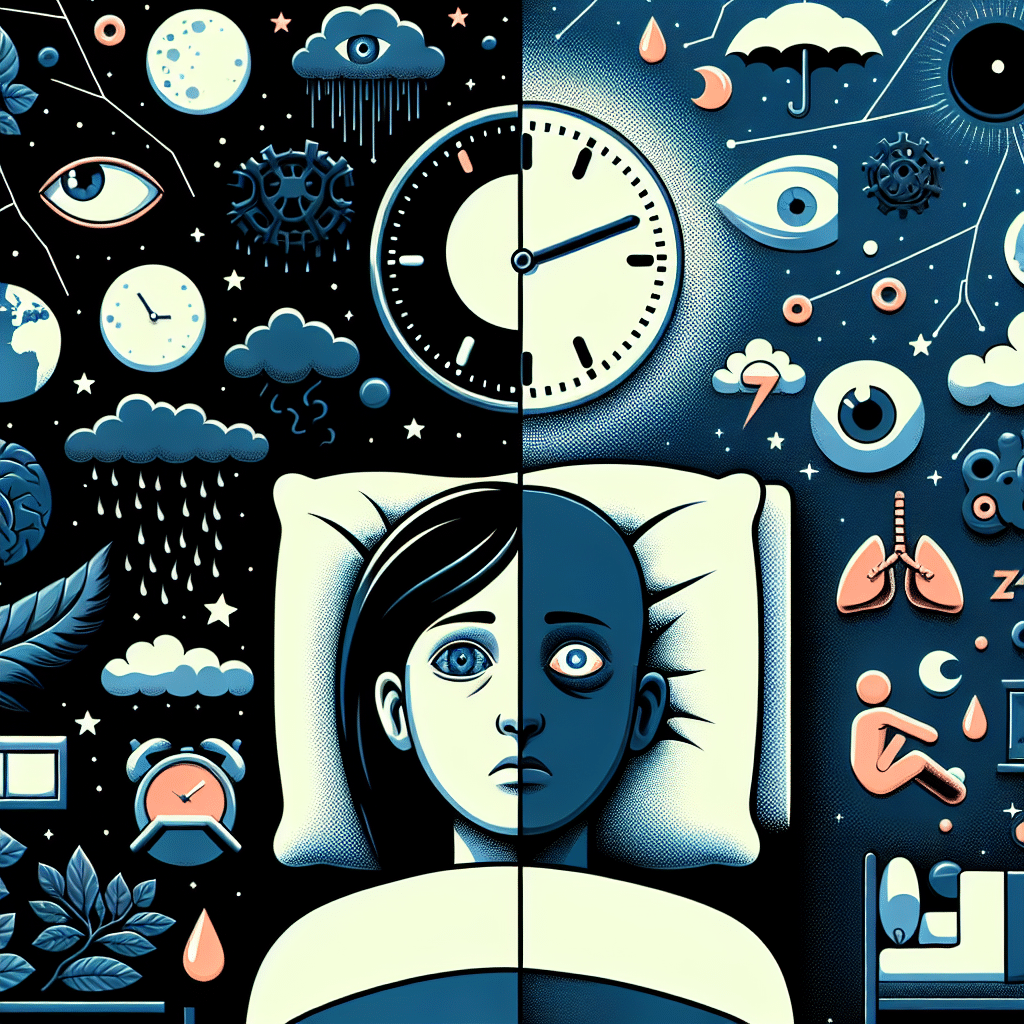
Understanding Insomnia and Other Sleep Disorders
What is Insomnia?
Insomnia is a prevalent sleep disorder characterized by persistent difficulty in falling asleep, staying asleep, or waking up too early and not being able to return to sleep. This condition can lead to daytime fatigue, mood disturbances, and impaired functioning. Insomnia can develop from various factors, including stress, anxiety, depression, medical conditions, lifestyle choices, and sometimes, medications.
Types of Insomnia
-
Acute Insomnia: This type typically lasts for a few days to weeks and often arises due to significant stressors like job loss or illness.
-
Chronic Insomnia: Chronic insomnia occurs at least three times per week for three months or longer. It can be attributed to underlying health problems or ongoing psychological stress.
-
Onset Insomnia: Difficulty falling asleep at the beginning of the night is the primary feature.
-
Maintenance Insomnia: This involves trouble staying asleep, with frequent awakenings throughout the night.
Causes of Insomnia
- Psychological Factors: Anxiety, depression, and stress are common contributors.
- Medical Conditions: Chronic pain, asthma, allergies, and gastrointestinal reflux can interfere with sleep.
- Substances: Caffeine, nicotine, alcohol, and certain medications can disrupt sleep patterns.
- Lifestyle Choices: Irregular sleep schedules, excessive screen time, and lack of exercise can lead to insomnia.
Consequences of Insomnia
Individuals suffering from insomnia may experience a range of negative outcomes, both physically and mentally. Common consequences include:
- Cognitive Impairment: Difficulty focusing, memory problems, and lowered productivity.
- Emotional Disturbances: Increased irritability, anxiety, and risk of depression.
- Physical Health Risks: Greater susceptibility to chronic conditions like hypertension, diabetes, and obesity.
Diagnostic Criteria for Insomnia
Diagnosis typically involves evaluating the patient’s sleep patterns, health history, and any psychological conditions. Health professionals may use the following tools:
- Sleep Diaries: Patients record sleep habits, duration, and quality.
- Polysomnography: A sleep study to monitor various body functions during sleep.
- Actigraphy: A wristwatch-like device that tracks sleep-wake patterns over extended periods.
Exploring Other Sleep Disorders
While insomnia is one of the most common sleep disorders, others also significantly affect sleep quality and overall health.
Sleep Apnea
Sleep apnea is characterized by repeated interruptions in breathing during sleep, resulting in fragmented rest and decreased oxygen levels.
-
Types of Sleep Apnea:
- Obstructive Sleep Apnea (OSA): The most common form, caused by a blockage of the airway.
- Central Sleep Apnea: This occurs when the brain fails to send appropriate signals to the muscles that control breathing.
- Complex Sleep Apnea: A combination of both obstructive and central sleep apneas.
-
Symptoms: Loud snoring, gasping for air during sleep, excessive daytime sleepiness, night sweats, and mood changes.
-
Treatment Options: Continuous Positive Airway Pressure (CPAP) machines, lifestyle modifications, and surgery in severe cases.
Restless Legs Syndrome (RLS)
Restless Legs Syndrome is a neurological condition causing an uncontrollable urge to move the legs, often accompanied by uncomfortable sensations.
-
Symptoms: An overwhelming need to move the legs, particularly in the evening or at night, which can significantly impair sleep quality.
-
Diagnosis: Evaluated through patient history, sleep studies may also be conducted to rule out other sleep disorders.
-
Management: Treatments may include lifestyle changes, medications, and leg massages.
Narcolepsy
Narcolepsy is a chronic neurological disorder characterized by overwhelming daytime drowsiness and sudden attacks of sleep.
-
Types:
- Narcolepsy Type 1: Involves excessive daytime sleepiness and cataplexy (loss of muscle tone).
- Narcolepsy Type 2: Similar symptoms but without cataplexy.
-
Symptoms: Sudden sleep attacks, cataplexy, hallucinations, and sleep paralysis.
-
Treatment: Stimulants, antidepressants, and lifestyle adjustments to manage symptoms.
Circadian Rhythm Disorders
Circadian rhythm disorders disturb the natural sleep-wake cycle, leading to issues like insomnia or excessive sleepiness at inappropriate times.
-
Functional Types:
- Delayed Sleep Phase Disorder: Difficulty falling asleep and waking up at conventional times.
- Advanced Sleep Phase Disorder: Going to sleep and waking up too early.
- Shift Work Disorder: Trouble sleeping due to abnormal work hours disrupting the circadian cycle.
-
Diagnosis: Assessments include sleep history, actigraphy, and sometimes, sleep studies.
-
Treatment: Often involves light therapy, melatonin supplements, and improving sleep hygiene.
Hypersomnia
Hypersomnia is characterized by excessive sleepiness during the day, which can impact daily functioning and quality of life.
-
Primary vs. Secondary:
- Primary Hypersomnia: Unexplained excessive daytime sleepiness without identifiable causes.
- Secondary Hypersomnia: Resulting from medical conditions (e.g., sleep apnea, depression).
-
Symptoms: Persistent tiredness, long sleep duration, difficulty waking up, and feeling unrefreshed after sleep.
-
Management: Includes lifestyle changes, medications, and addressing underlying causes.
Management and Treatment Strategies
Managing insomnia and other sleep disorders requires a comprehensive approach tailored to the individual’s needs.
Behavioral Interventions
-
Cognitive Behavioral Therapy for Insomnia (CBT-I): A structured program that helps patients identify and replace thoughts and behaviors that cause or worsen sleep problems.
-
Sleep Hygiene Education: Includes practices like maintaining a regular sleep schedule, creating a comfortable sleep environment, limiting naps, and reducing exposure to screens.
-
Relaxation Techniques: Methods such as mindfulness meditation, deep breathing exercises, and progressive muscle relaxation can assist in reducing anxiety and improving sleep.
Pharmacological Treatments
Sleep medications can be effective but usually are intended for short-term use.
-
Over-the-Counter Options: Melatonin supplements and antihistamines.
-
Prescription Medications: Include benzodiazepines, non-benzodiazepine hypnotics, and antidepressants, prescribed based on specific symptoms and underlying conditions.
Conclusion
Understanding the various sleep disorders, including insomnia, is crucial for effective diagnosis and treatment. While insomnia is a commonly experienced condition, it is vital not to overlook the significant impacts of other sleep disorders such as sleep apnea, RLS, narcolepsy, circadian rhythm disruptions, and hypersomnia. A comprehensive approach encompassing behavioral therapies, lifestyle changes, and appropriate pharmacological treatments can greatly enhance quality of life and restore healthy sleep patterns.