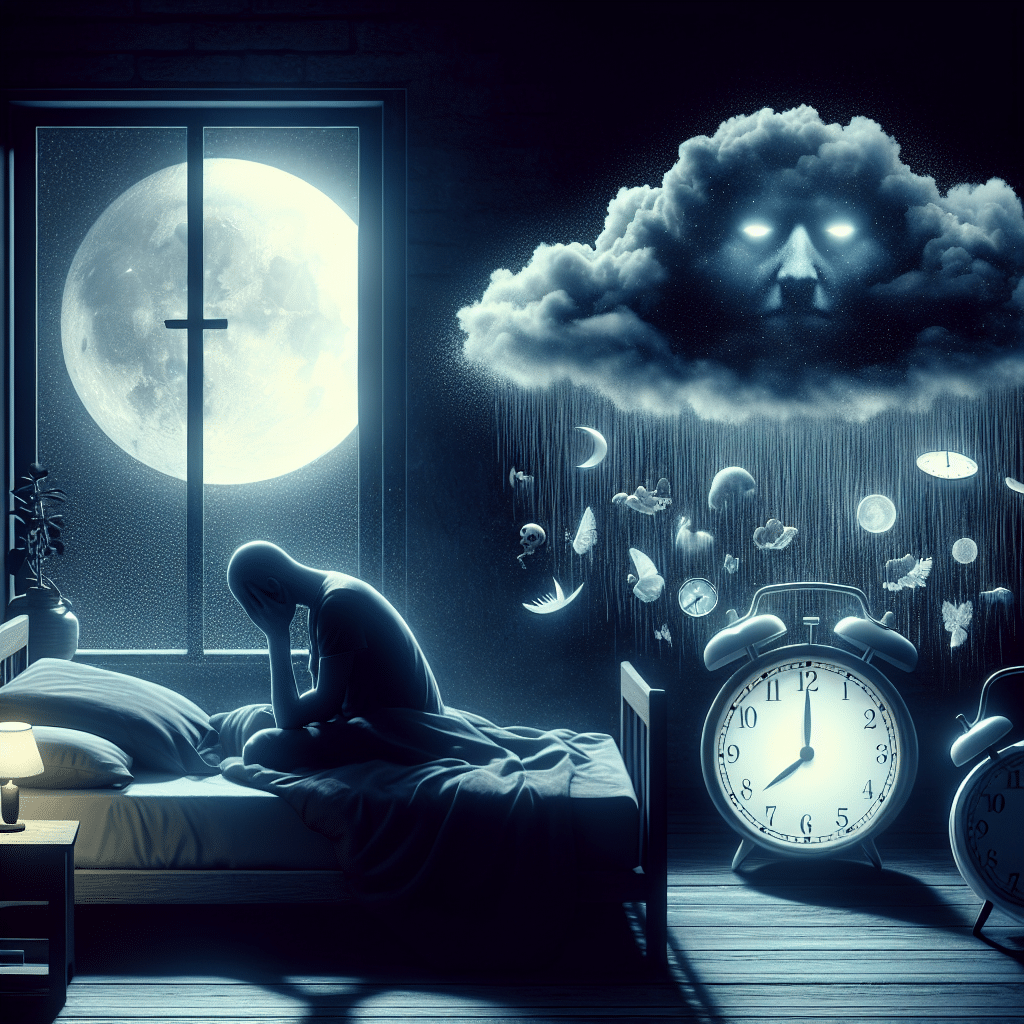
Understanding the Connection Between Depression and Sleep Patterns
Depression is a complex mental health disorder that affects millions of individuals worldwide. One of the most significant yet often overlooked consequences of depression is its profound impact on sleep patterns. Understanding how depression influences sleep can help in identifying and managing symptoms, leading to better overall mental health treatment strategies.
The Biological Underpinnings of Sleep and Depression
Sleep is regulated by various biological mechanisms that include circadian rhythms and neurotransmitter activity. The neurotransmitters serotonin, norepinephrine, and dopamine play crucial roles in sleep regulation. In individuals suffering from depression, imbalances in these neurotransmitters can disrupt normal sleep patterns. Research has shown that depressed individuals often experience an alteration in their sleep architecture, which includes changes in REM (Rapid Eye Movement) and non-REM sleep stages.
Types of Sleep Disturbances Associated with Depression
-
Insomnia: One of the most common sleep disturbances seen in depressed individuals is insomnia. It typically manifests as difficulty falling asleep, staying asleep, or waking up too early. Studies indicate that over 90% of patients with depression report sleep-related issues, with insomnia being the most prevalent.
-
Hypersomnia: In contrast to insomnia, some individuals with depression may experience hypersomnia, characterized by excessive sleepiness or prolonged nighttime sleep. This condition is often mistaken for laziness, but it is a legitimate symptom of depression that requires understanding and intervention.
-
Sleep Fragmentation: Depression can lead to sleep fragmentation, where the sleep cycle is interrupted frequently, resulting in a lack of restorative sleep. This undermines the body’s ability to repair and rejuvenate, leading to further fatigue and cognitive impairment.
-
Altered REM Sleep: REM sleep is crucial for emotional regulation and memory consolidation. Studies suggest that individuals with depression often experience shorter REM latency and increased duration of REM sleep. These changes can exacerbate depressive symptoms, leading to a cycle of worsening mood and sleep disturbances.
The Vicious Cycle of Depression and Sleep
The relationship between depression and sleep is bidirectional, meaning that poor sleep can worsen depressive symptoms, and depression can lead to sleep disturbances. This creates a vicious cycle that can be challenging to break. For instance, insomnia can lead to fatigue, irritability, and difficulty concentrating, which might exacerbate feelings of hopelessness and despair, common in depression. On the other hand, adequate sleep is essential for emotional and cognitive functioning, and when sleep is compromised, the symptoms of depression can intensify.
Impact on Daytime Functioning
Sleep disturbances caused by depression can significantly impair daytime functioning. Individuals may experience difficulty focusing, decreased productivity, and an inability to manage daily tasks effectively. This can lead to further isolation and a sense of discouragement. Chronic fatigue, a common symptom, can result in missed workdays or social activities, further compounding feelings of worthlessness or inadequacy.
Contributing Factors to Sleep Disturbances in Depression
Several factors can contribute to the sleep disturbances commonly experienced in depression:
-
Psychological Factors: Anxiety, guilt, and sadness often accompany depression, making it difficult for individuals to relax and fall asleep. Catastrophic thinking can also keep the mind active when it should be winding down for the night.
-
Lifestyle Factors: Poor sleep hygiene, such as irregular sleep schedules, caffeine consumption, or excessive screen time before bed, can exacerbate sleep issues. Additionally, a sedentary lifestyle often accompanying depression can lead to worse sleep quality.
-
Medications: Many antidepressant medications have side effects that can either improve or hinder sleep. While some antidepressants may cause sedation, others can lead to insomnia. Consulting with a healthcare provider about the best medication options can help mitigate these sleep-related side effects.
-
Other Medical Conditions: Chronic pain, sleep apnea, and other medical conditions often coexist with depression. These conditions can detrimentally affect sleep quality and can also create a complicated overlap that requires comprehensive treatment approaches.
Evidence-Based Treatments for Managing Sleep Disturbances
Effectively treating sleep disturbances in individuals with depression requires a multifaceted approach:
-
Cognitive Behavioral Therapy for Insomnia (CBT-I): This structured program helps individuals identify and change thoughts and behaviors that cause or worsen sleep problems. CBT-I has shown significant effectiveness in treating sleep issues in patients with depression.
-
Medications: Depending on the individual’s specific sleep issues, healthcare providers may prescribe medications. Antidepressants with sedating properties can help those suffering from insomnia. However, caution should be exercised, and a thorough evaluation should precede any medication changes.
-
Sleep Hygiene Education: Teaching patients about good sleep hygiene can be essential for improving sleep quality. Recommendations include establishing a regular sleep schedule, creating a comfortable sleep environment, and avoiding stimulants before bedtime.
-
Light Therapy: For some individuals, especially those with Seasonal Affective Disorder (SAD), light therapy can help regulate circadian rhythms, improving mood and sleep patterns.
-
Mindfulness and Relaxation Techniques: Practices such as mindfulness meditation, yoga, and deep breathing exercises can help reduce anxiety and promote relaxation, leading to better sleep.
-
Exercise: Regular physical activity can help alleviate both depression and sleep issues. Even moderate aerobic exercise has been shown to improve sleep quality and overall mental health.
-
Nutritional Interventions: A balanced diet can have a significant impact on both mood and sleep. Omega-3 fatty acids, tryptophan-rich foods, and maintaining proper hydration levels can contribute to improved sleep and a better mood overall.
-
Limit Stimulants: Reducing or eliminating caffeine and nicotine intake can play a crucial role in improving sleep quality. Trying to avoid these stimulants, especially in the afternoon and evening, can lead to better sleep outcomes.
Seek Professional Help
If sleep disturbances persist, it’s essential to consult healthcare professionals. Early intervention can help manage both depression and sleep issues more effectively. A thorough evaluation can help identify any underlying conditions and inform treatment options tailored to an individual’s needs.
Supportive Strategies
Family members and friends can play a supportive role in helping individuals manage sleep issues associated with depression. Encouraging open communication about their struggles can help destigmatize their experiences and promote understanding. Creating a supportive environment that prioritizes mental health can significantly impact recovery.
Maintaining Hope
For individuals struggling with depression and sleep issues, it is vital to remember that both conditions are treatable. With appropriate interventions, many people can improve their sleep quality while managing depressive symptoms effectively. Engaging in therapy, making lifestyle changes, and utilizing professional medical support can help break the cycle of insomnia and depression, leading to a brighter, more hopeful future.
Recognizing the interconnectedness of sleep and depression underscores the need for comprehensive treatment approaches. Prioritizing sleep as part of a holistic mental health strategy can pave the way for meaningful recovery and an improved quality of life.