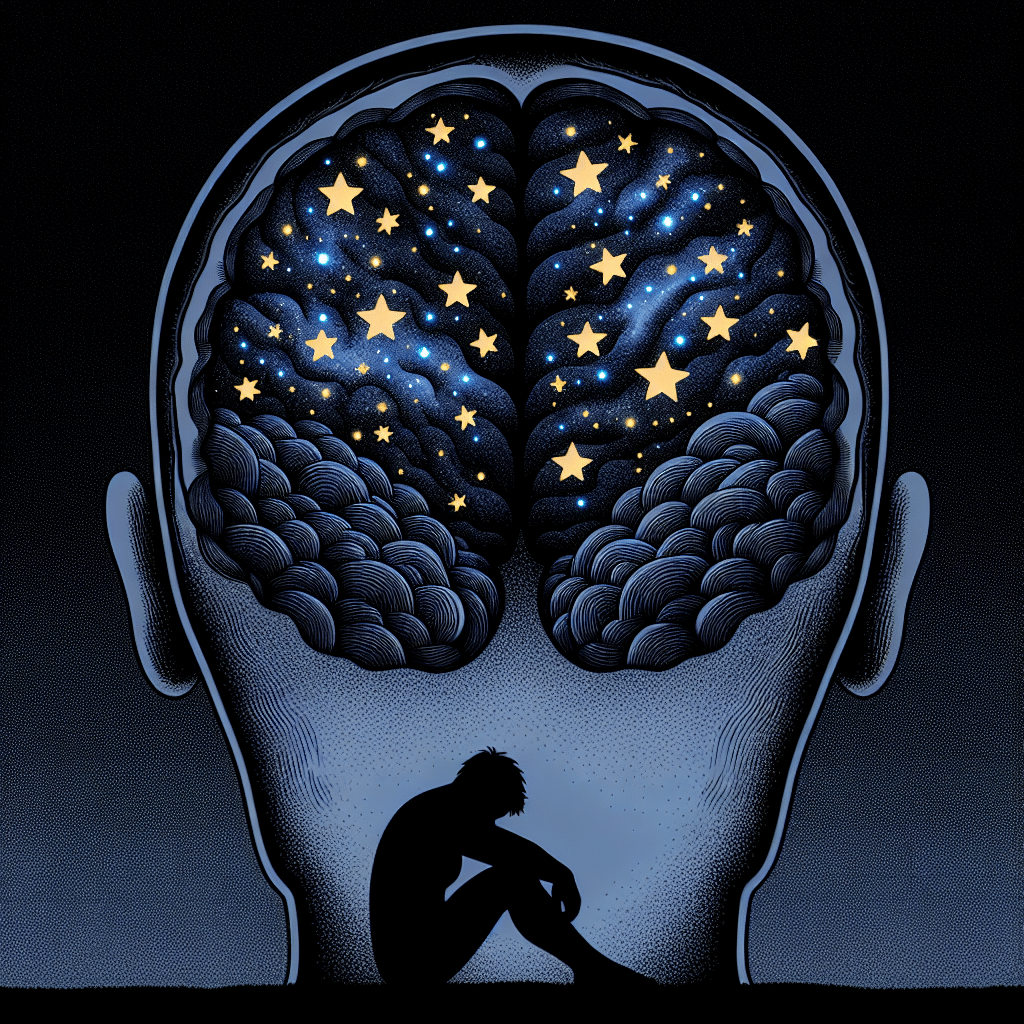
Understanding the Connection Between Depression and Sleep
The Relationship Between Depression and Sleep
Depression and sleep disorders are closely intertwined, creating a complex relationship that often exacerbates both conditions. Individuals experiencing depression frequently encounter sleep disturbances, which may manifest as insomnia, hypersomnia, or altered sleep patterns that contribute to their emotional and physical woes. Research indicates that more than 90% of individuals suffering from depression report sleep issues, illustrating the profound impact of mood disorders on sleep quality.
Types of Sleep Disturbances Linked to Depression
-
Insomnia: This is perhaps the most common sleep disturbance in people with depression. Insomnia usually involves difficulty falling asleep, staying asleep, or waking up too early. Depression-related insomnia can stem from persistent negative thoughts or emotional distress, making it exceedingly challenging to relax and fall into a restorative sleep.
-
Hypersomnia: Conversely, hypersomnia, which refers to excessive sleepiness or prolonged nighttime sleep, also often appears in depressive disorders. Those with hypersomnia may find themselves sleeping more than usual but still feeling fatigued and lacking the restorative effects of deep sleep.
-
Sleep Architecture Changes: Depression can alter the structure of sleep cycles. Rapid Eye Movement (REM) sleep may begin earlier in the sleep cycle and last longer. Individuals with depression tend to experience reduced slow-wave sleep, which is crucial for physical and mental restoration.
-
Circadian Rhythm Disruptions: Depression is linked to disruptions in the body’s internal clock, leading to irregular sleep-wake patterns. This can manifest in a range of ways, including delayed sleep onset, daytime sleepiness, and misaligned sleep schedules, all of which add to the struggle for adequate rest.
Biological Mechanisms at Play
The interplay between depression and sleep is rooted in various biological processes. Neurotransmitter imbalances, particularly in serotonin and norepinephrine, are prevalent in depression and significantly affect sleep regulation. Low serotonin levels correlate with alterations in sleep patterns, leading to insomnia and disrupted REM sleep. The stress hormone cortisol, often elevated in individuals with depression, can further impede one’s ability to fall and stay asleep.
Additionally, inflammatory processes linked with depression may also play a role in sleep disturbances. Studies show that heightened levels of inflammatory markers can negatively impact sleep quality, leading to a cyclical relationship between inflammation, poor sleep, and worsening mood.
Psychological Factors Affecting Sleep
Emotional distress and cognitive processes related to depression can significantly disrupt sleep. Ruminating over negative thoughts or feelings can keep the mind overly active at night, making it difficult to relax. Anxiety, which frequently accompanies depression, can lead to heightened arousal levels, making it challenging to achieve the deep, restful sleep necessary for emotional recovery.
Furthermore, individuals with depression may develop maladaptive sleep habits as a coping mechanism. This includes excessive nap-taking during the day to compensate for poor nighttime sleep or using stimulants like caffeine to fight daytime fatigue, which can lead to a vicious cycle of worsening sleep quality.
Coping Strategies and Interventions
-
Cognitive Behavioral Therapy (CBT): CBT for insomnia (CBT-I) effectively addresses the relationship between poor sleep and depression. This therapeutic approach focuses on changing negative thought patterns, teaching relaxation techniques, and establishing healthier sleep hygiene practices.
-
Sleep Hygiene Practices: Practicing good sleep hygiene can promote better sleep among individuals suffering from depression. This includes maintaining a consistent sleep schedule, creating a comfortable sleep environment, and avoiding stimulants or electronic devices close to bedtime.
-
Medication Considerations: Antidepressants can have varying effects on sleep. While some can exacerbate sleep issues, others may have therapeutic benefits. It’s essential for individuals to discuss their sleep-related concerns with their healthcare provider to tailor a treatment plan that addresses both depression and sleep disturbances.
-
Mindfulness and Relaxation Techniques: Incorporating mindfulness, meditation, yoga, or deep breathing exercises can significantly promote relaxation and help mitigate depressive symptoms, leading to improved sleep outcomes.
-
Physical Activity: Regular physical exercise has a dual benefit for depression and sleep. It not only improves mood by releasing endorphins but also enhances the quality and duration of sleep, making it an effective intervention.
-
Nutritional Support: A balanced diet rich in omega-3 fatty acids, vitamins, and minerals supports overall well-being and may contribute to better sleep. Avoiding alcohol and caffeine during late hours are additional measures that can help minimize sleep disturbances.
The Impact of Chronic Sleep Deprivation on Depression
Chronic sleep deprivation can deepen depressive symptoms, leading to an increased risk of developing additional mental health disorders. Lack of restorative sleep can diminish cognitive function, impair emotional regulation, and exacerbate feelings of hopelessness—common features of depression. This reciprocal relationship can create a cycle where unaddressed sleep issues perpetuate depressive symptoms, making recovery more challenging.
Long-term Effects and Considerations
Understanding the long-term effects of untreated depression and sleep disturbances is critical. When left unaddressed, these conditions can lead to higher rates of morbidity, including cardiovascular diseases, diabetes, and other health issues. The likelihood of engaging in risky behaviors or substance abuse may also increase as individuals seek to cope with their symptoms.
In addition to physical health complications, sleep deprivation can hinder emotional resilience, social interactions, and overall quality of life. Such consequences underline the importance of seeking effective intervention strategies that simultaneously target both depression and sleep health.
Conclusion
It is crucial for individuals experiencing depression and sleep disturbances to seek comprehensive treatment approaches that address their unique symptoms. By recognizing the strong correlation between these two aspects of mental health, those affected can embark on a path toward improved well-being.
Recognizing the signs of sleep disturbance as part of the broader picture of depression allows for proactive management, encouraging a cycle of healing that can lead to better mental health and enhanced sleep quality. As research continues to explore this intricate relationship, the importance of integrated treatment models becomes clear, paving the way for more effective solutions for those struggling with depression and sleep issues.
By adopting a holistic approach that encompasses behavioral, psychological, and lifestyle adaptations, individuals can foster healthier sleep patterns that support their journey toward emotional recovery.