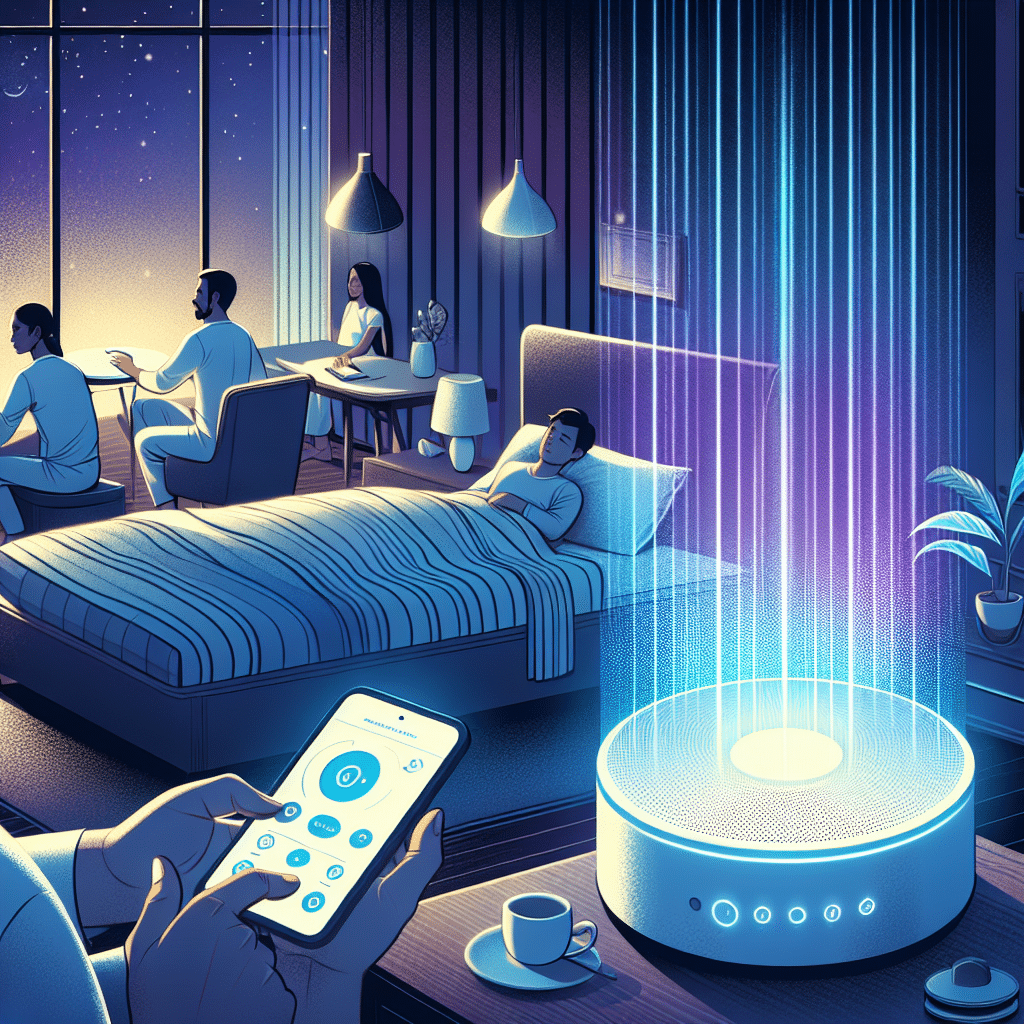
Understanding Sleep Enhancement Technology
Sleep enhancement technology refers to products and devices designed to assist individuals in achieving better sleep quality. With the increasing prevalence of sleep disorders, particularly insomnia and sleep apnea, technology has evolved to offer solutions tailored to various sleep challenges. These innovations range from wearable devices and sleep tracking apps to smart mattresses and light therapy solutions.
The Science Behind Sleep
Before delving into various sleep enhancement technologies, it’s vital to understand the science of sleep. Sleep is a complex biological process that is crucial for physical and mental health. The sleep cycle consists of several stages, including REM (Rapid Eye Movement) and non-REM sleep. Disruptions in these stages can lead to inadequate restorative sleep, which can impact mood, memory, and overall well-being.
Types of Sleep Enhancement Technologies
1. Sleep Tracking Devices
Wearable Devices
Wearable technology has become increasingly popular in the realm of sleep enhancement. Devices like smartwatches and fitness trackers often come equipped with sleep tracking features. These devices typically monitor heart rate variability, movement, and sleep stages, enabling users to understand their sleep patterns better.
- Popular Wearables: The Oura Ring is notable for its detailed sleep analysis, while Fitbit devices provide insights into sleep trends over time.
- Data Interpretation: Users receive feedback on how lifestyle factors—such as diet and exercise—affect their sleep quality.
Sleep Apps
Smartphone applications have revolutionized the accessibility of sleep tracking. Apps such as Sleep Cycle and Pillow utilize sound analysis to track sleep and wake users during optimal sleep phases, maximizing restfulness.
- Integration: Many apps sync data with wearables for a comprehensive view of sleep patterns.
- Recommendations: They often provide personalized sleep improvement suggestions based on collected data.
2. Smart Mattresses
Smart mattresses are equipped with technology intended to enhance comfort and sleep quality. These mattresses can be adjusted to an individual’s preferred firmness and can even respond to body movements throughout the night.
- Temperature Control: For example, the Eight Sleep Pod uses active temperature regulation technology to help maintain an optimal sleeping temperature.
- Sleep Position Monitoring: Some mattresses monitor sleep positions and offer tailored support to reduce discomfort.
3. White Noise Machines
White noise machines are incredibly beneficial for individuals suffering from external disturbances that interrupt sleep. These devices create a consistent ambient sound that masks disruptive noises.
- Types of Sounds: Options range from pure white noise to nature sounds like rain or ocean waves, catering to different personal preferences.
- Sleep Aid: The calming sound environment encourages relaxation, making it easier to fall asleep and stay asleep.
4. Light Therapy Devices
Light therapy is a popular treatment for sleep disorders, especially for individuals with circadian rhythm disorders. Devices that emit bright light can help regulate the sleep-wake cycle.
- LED Light Boxes: Devices that deliver bright light help combat Seasonal Affective Disorder (SAD) and can enhance mood and energy, contributing to better sleep at night.
- Sunrise Alarm Clocks: These mimic a natural sunrise, gradually increasing light intensity to gently wake users, making for a more pleasant awakening.
5. Smart Alarm Clocks
Advanced alarm clocks not only wake individuals at optimal times in their sleep cycles but can also integrate with smart home systems to create personalized sleep environments.
- Features: Many include sound machines, gradual light settings, and even aromatherapy capabilities to create a more conducive sleep atmosphere.
- Sleep Data Integration: Data collected from other sleep devices can be used to tailor the waking experience.
6. Sleep Hygiene Apps
Sleep hygiene apps focus on improving lifestyle habits that promote better sleep. These apps often provide educational resources, relaxation techniques, and sleep tips.
- Personalized Tracking: Apps like Calm or Headspace include meditative exercises to help wind down before sleep, enhancing relaxation.
- Stylized Features: Users can track their sleep hygiene habits and receive feedback about what practices work best for them.
Incorporating Sleep Technology in Daily Routines
When integrating sleep enhancement technology, consider the following strategies to maximize its effectiveness:
1. Set a Consistent Sleep Schedule
Maintain a consistent sleep schedule by using sleep tracking alarms or apps to establish regular bedtime and wake-up times, reinforcing your body’s natural circadian rhythm.
2. Create a Sleep-Conducive Environment
Utilize smart home technology to manage bedroom environments effectively. Smart lights, temperature regulation, and noise-cancellation options can contribute to an enhanced sleep experience.
3. Limit Screen Time Before Bed
Reduce exposure to screens in the hour leading up to bedtime. Opt for blue-light-filtering devices or night mode settings on smartphones and computers to minimize disruptions in melatonin production.
4. Use a Sleep-Enhancing Routine
Incorporate relaxation techniques such as deep breathing, yoga, or guided meditations through apps. Establish a relaxing pre-sleep routine to signal your body that it’s time to wind down.
Trends in Sleep Technology
Keeping abreast of new trends in sleep technology can help individuals choose the right products for their needs.
1. Artificial Intelligence and Sleep
Recent advancements in AI have led to more personalized sleep tracking technologies. AI algorithms analyze individual sleep data to develop tailored sleep improvement plans.
- Predictive Analytics: These systems can predict potential sleep disruptions and offer proactive recommendations.
2. Telehealth for Sleep Disorders
The rise of telehealth solutions for sleep disorders allows users to access professional assessments and interventions without needing to visit clinics.
- Virtual Consultations: Professionals can prescribe sleep studies or behavioral interventions from the comfort of one’s home.
3. Integrative Health Approaches
There is a growing focus on combining technology with holistic techniques. Devices that merge sleep habit tracking with mindfulness practices, such as guided meditation, foster a comprehensive approach to better sleep.
Evaluating Sleep Enhancement Technology
When considering sleep enhancement technologies, evaluate them based on several factors:
- User-Friendly Interface: Look for athletes that are intuitive and easy to navigate.
- Accuracy: Research users and clinical studies validating the effectiveness of the device.
- Customer Reviews: Seek platforms providing detailed user experiences and testimonials.
- Compatibility: Ensure that devices or apps seamlessly integrate with existing devices and platforms for a more comprehensive experience.
1. Price vs. Value
Evaluate the price of sleep enhancement technology against its potential benefits. Look for products that offer trial periods or a money-back guarantee to ensure satisfaction before committing.
2. User Support
Reliable customer support is critical, particularly for more complex technologies. Ensure that manufacturers or developers offer assistance and resources for navigation and troubleshooting.
Adjusting to Sleep Technologies
Adapting to new sleep technologies can take time. Here are a few tips:
- Start Slowly: Introduce one product at a time to determine its effectiveness before adding more technologies.
- Commit to Usage: Use devices consistently for optimal results—many technologies need time to gather data and provide meaningful insights.
Ultimately, sleep enhancement technology offers a wealth of opportunities for individuals struggling with sleep disturbances. With careful consideration and integration of these innovative solutions, individuals can experience substantial improvements in sleep quality and, by extension, overall well-being.