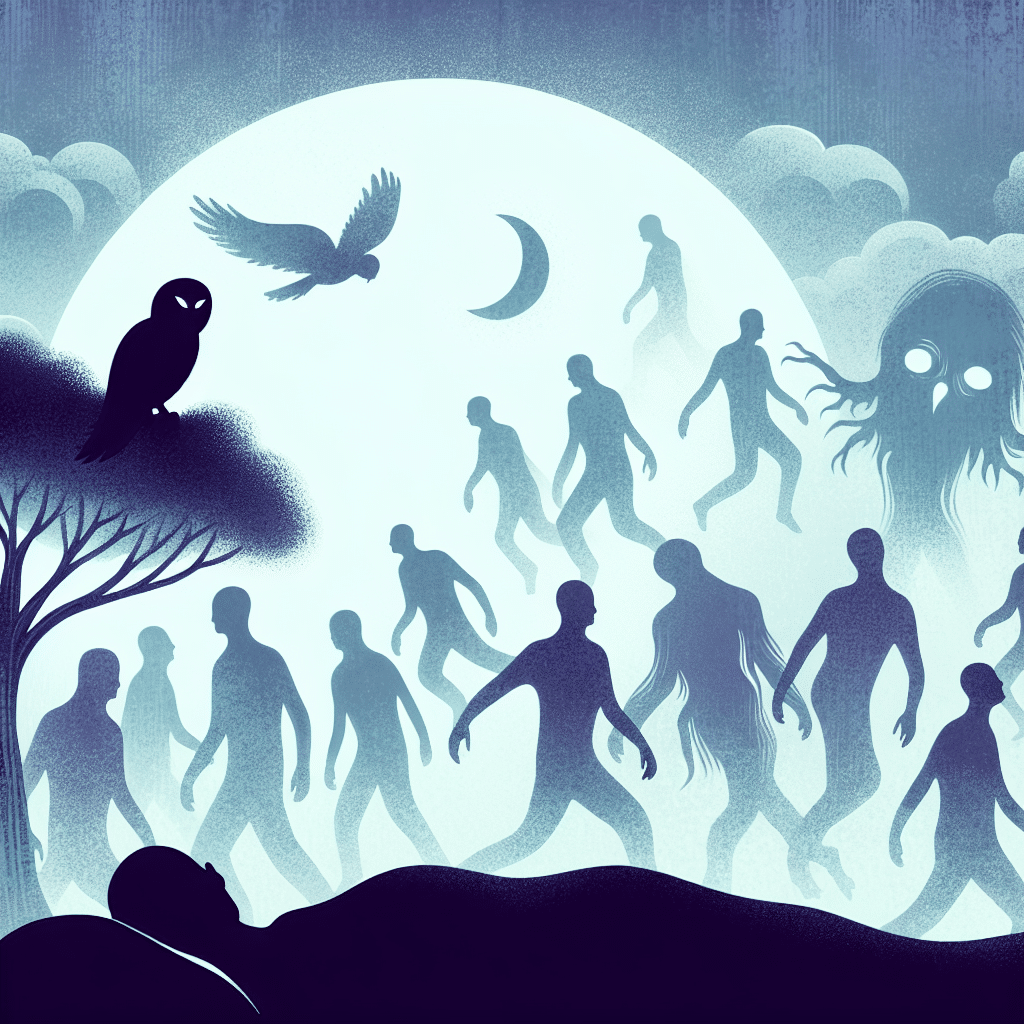
Understanding Sleepwalking: A Comprehensive Guide
What is Sleepwalking?
Sleepwalking, also known as somnambulism, is a disorder characterized by complex behaviors performed while in a state of partial arousal from deep sleep. Individuals may walk, eat, talk, or even engage in more complex activities without any conscious awareness of their actions. The phenomenon is particularly prevalent in childhood but can persist into adulthood.
Symptoms of Sleepwalking
Symptoms of sleepwalking vary among individuals and can include:
- Walking or Ambulation: The person may walk around the house, sometimes with a calm demeanor, while remaining asleep.
- Complex Behaviors: Sleepwalkers can perform intricate tasks such as cooking or dressing but typically have no memory of these activities afterward.
- Eyes Open or Closed: The eyes of a sleepwalker may be open, but the person is usually in a trance-like state and unresponsive to external stimuli.
- Aggressive Actions: Some sleepwalkers may exhibit aggression if awakened suddenly, leading to dangerous situations.
- Duration: Episodes can last from a few seconds to about 30 minutes.
Causes of Sleepwalking
Sleepwalking typically occurs during the somnambulism phase of sleep, which is deep, slow-wave sleep, mostly occurring in the first third of the night. Various factors can trigger an episode:
- Genetics: A family history of sleepwalking increases the likelihood of experiencing episodes.
- Sleep Deprivation: Lack of adequate sleep can lead to increased episodes in those predisposed to sleepwalking.
- Stress and Anxiety: High-stress levels and anxiety can disrupt normal sleep patterns, triggering sleepwalking.
- Alcohol and Drug Use: Consumption of alcohol and certain medications can interfere with sleep architecture, leading to somnambulism.
- Medical Conditions: Disorders like sleep apnea, restless leg syndrome, and gastroesophageal reflux can increase the chances of sleepwalking.
Diagnosis of Sleepwalking
Diagnosing sleepwalking often involves a comprehensive review of the individual’s medical history and sleep patterns. Medical professionals may recommend:
- Sleep Studies (Polysomnography): Conducting overnight sleep studies can monitor brain waves, heart rate, and breathing patterns to analyze abnormal sleep behavior.
- Sleep Journals: Keeping a detailed sleep diary can assist in identifying triggers and patterns over time.
- Consultations with Sleep Specialists: Sleep specialists are equipped to address any underlying sleep disorders that may contribute to episodes.
Treatment and Management
Treatment for sleepwalking focuses primarily on safety and managing underlying causes. Potential approaches include:
- Improving Sleep Hygiene: Establishing a regular sleep schedule, creating a conducive sleeping environment, and avoiding caffeine and stimulants before bedtime can help regulate sleep patterns.
- Medications: In severe cases, doctors may prescribe medications such as benzodiazepines or certain antidepressants to manage episodes.
- Behavioral Therapy: Cognitive Behavioral Therapy (CBT) may assist in addressing anxiety or sleep-related concerns that contribute to sleepwalking.
- Safety Measures: Implementing safety precautions like securing windows and doors, removing hazardous objects, and using alarms can help prevent injuries during episodes.
Exploring Night Terrors: Insights and Implications
What are Night Terrors?
Night terrors, or sleep terrors, are a specific type of parasomnia that occurs during non-REM sleep, usually within the first few hours of the night. Unlike nightmares—vivid dreams experienced during REM sleep—night terrors are marked by intense fear, screaming, and physical agitation.
Symptoms of Night Terrors
Symptoms often manifest in the following ways:
- Screaming or Crying Out: Individuals often wake up suddenly, screaming or sounding distressed.
- Increased Heart Rate: A rapid heartbeat and elevated breathing patterns accompany episodes.
- Confusion and Disorientation: People are typically confused and unable to recognize familiar surroundings during an episode.
- Incomprehensible Responses: They may be unresponsive to attempts to comfort them, often appearing terrified as they regain consciousness.
- Duration: Night terror episodes usually last a few minutes but can feel prolonged for those experiencing them.
Causes of Night Terrors
The exact cause of night terrors is often unidentified, but several factors may contribute:
- Genetic Factors: Similar to sleepwalking, a family history of sleep disturbances can play a role.
- Stress and Anxiety: Stressful life events can trigger episodes in children and adults.
- Sleep Disorders: Conditions like sleep apnea and restless leg syndrome may influence the occurrence of night terrors.
- Sleep Deprivation: Irregular sleep schedules and insufficient sleep can intensify episodes.
Diagnosis of Night Terrors
Diagnosis involves assessing the individual’s sleep history and behaviors during episodes. Healthcare professionals may consider:
- Patient Interviews: Gathering information from family members who witness episodes can provide insights.
- Sleep Studies: Similar to sleepwalking, polysomnography can be beneficial to monitor brain activity and physical responses during sleep.
Treatment and Management
Managing night terrors often revolves around patient safety and minimizing triggers:
- Improving Sleep Hygiene: Consistent sleeping habits, routine bedtimes, and a serene sleeping environment can lead to reduced episodes.
- Stress Management: Techniques such as relaxation exercisesmay alleviate anxiety contributing to night terror incidents.
- Medications: In severe cases, healthcare providers may prescribe medications, though this is less common for night terrors compared to other sleep disorders.
- Parental Guidance: For children experiencing night terrors, parents can be educated about the disorder to better support their child during episodes.
The Relationship Between Sleepwalking and Night Terrors
Both sleepwalking and night terrors present intriguing insights into the realm of parasomnias, despite their differences. Their roots in deep sleep, the stress-related triggers, and underlying genetic predispositions indicate a complex landscape of sleep disturbances that require nuanced understanding and management. Both conditions highlight the importance of fostering healthy sleep habits to mitigate symptoms.
Conclusion: The Importance of Awareness
While sleepwalking and night terrors can be distressing for individuals and their families, awareness and understanding of these phenomena can lead to effective management strategies. Focused attention on sleep hygiene, stress reduction, and safety measures is crucial to improving quality of life for those affected by these sleep-related challenges. Enhanced awareness can also lead to more comprehensive research, ultimately benefiting individuals affected by sleep disorders.
By prioritizing sleep health, both sleepwalking and night terrors can be effectively managed, allowing for more restful and safe nights.