Understanding the Relationship Between Anxiety and Sleep Disorders
The Connection Between Anxiety and Sleep
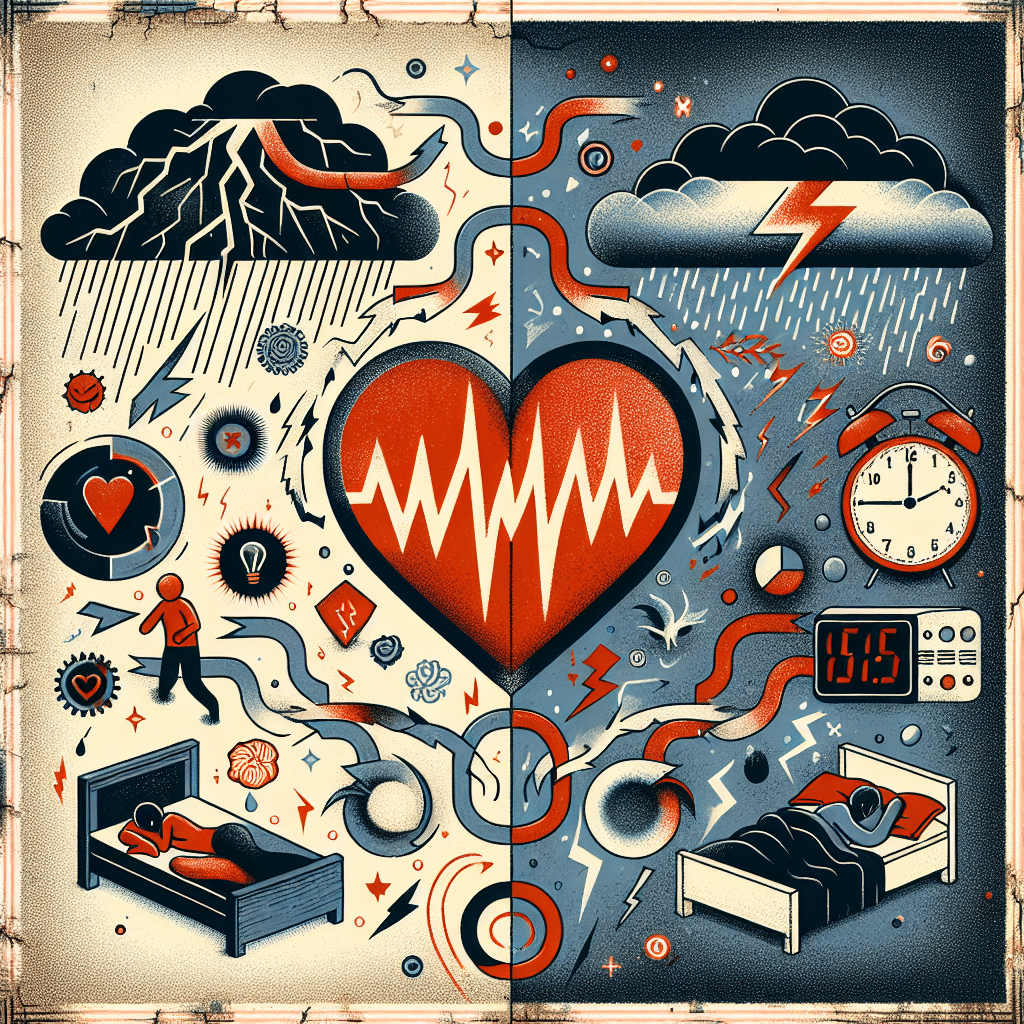
Anxiety disorders and sleep disturbances are closely intertwined, creating a cyclical relationship that can prove challenging for those affected. Anxiety often manifests in heightened physiological arousal, racing thoughts, and emotional turmoil, which can make falling asleep or maintaining sleep difficult. Likewise, inadequate or disrupted sleep can exacerbate symptoms of anxiety, leading to a vicious cycle.
Types of Anxiety Disorders
-
Generalized Anxiety Disorder (GAD): Characterized by excessive worry about various aspects of life, GAD can lead to significant sleep issues, such as insomnia.
-
Panic Disorder: Individuals experience recurrent panic attacks, accompanied by overwhelming fear and physical symptoms. The fear of experiencing panic attacks during sleep can lead to avoidance behaviors.
-
Social Anxiety Disorder: Fear of social situations can lead to poor sleep habits, as individuals may ruminate over past experiences or stress about upcoming events before bedtime.
-
Specific Phobias: The persistence of fears can induce anxiety that disrupts sleep, as individuals may lie awake worrying about phobic triggers.
-
Post-Traumatic Stress Disorder (PTSD): Individuals with PTSD can experience nightmares and night terrors, significantly impacting sleep quality.
Mechanisms Linking Anxiety to Sleep Disorders
The relationship between anxiety and sleep disturbances involves several physiological and psychological mechanisms:
-
Hyperarousal: Anxiety triggers a state of hyperarousal, involving increased heart rate, respiratory rate, and heightened senses. This state is counterproductive to relaxation and sleep onset.
-
Cognitive Intrusions: Anxiety often generates racing thoughts and excessive worry. These cognitive intrusions can hinder the ability to fall asleep or maintain restful sleep.
-
Hormonal Imbalance: Chronic anxiety can lead to the dysregulation of stress hormones, such as cortisol and adrenaline. Elevated levels of these hormones can disrupt the sleep-wake cycle, leading to insomnia.
-
Conditioned Associations: Individuals with anxiety may develop learned associations between bed and wakefulness or anxiety, making it difficult to perform the restorative act of sleeping.
Sleep Disorders Associated with Anxiety
-
Insomnia: The most common sleep disorder linked to anxiety, insomnia manifests as difficulty falling or staying asleep. Studies indicate that individuals with anxiety disorders are at a higher risk of developing chronic insomnia.
-
Sleep Apnea: Anxiety contributes to increased muscle tension, which can aggravate conditions like obstructive sleep apnea, leading to poor sleep efficiency.
-
Restless Leg Syndrome: Some studies suggest a connection between anxiety and restless leg syndrome (RLS), a condition marked by an uncontrollable urge to move one’s limbs, often worsening at night.
-
Parasomnias: Disorders like night terrors and sleepwalking can be exacerbated by anxiety. Those with anxiety may experience heightened levels of fear or stress that interfere with normal sleep cycles.
Bi-Directional Effects
The relationship between anxiety and sleep is bidirectional. Sleep disturbances can exacerbate anxiety symptoms, creating a cycle that is difficult to break.
-
Cognitive Deficits: Lack of quality sleep can impair cognitive function, reducing problem-solving abilities and increasing sensitivity to stressors.
-
Mood Dysregulation: Sleep deprivation can negatively impact mood regulation, intensifying feelings of anxiety and creating irritability.
-
Reduced Coping Mechanisms: Insufficient sleep inhibits the brain’s ability to effectively manage stress. This diminished resilience can make individuals more susceptible to anxiety-provoking situations.
The Impact of Sleep Quality on Anxiety
Research has consistently shown that improving sleep quality can ameliorate symptoms of anxiety. High-quality sleep involves sufficient duration, good continuity, and restorative properties that contribute to overall well-being.
-
Sleep Hygiene: Establishing a consistent sleep schedule, avoiding screens before bed, and creating a calm sleep environment can improve sleep quality and, in turn, reduce anxiety symptoms.
-
Cognitive Behavioral Therapy for Insomnia (CBT-I): This structured program addresses thoughts and behaviors that contribute to sleep disturbances. It has been shown to effectively reduce both insomnia and anxiety symptoms.
-
Mindfulness and Relaxation Techniques: Integrating mindfulness practices, such as deep breathing or progressive muscle relaxation, can not only promote better sleep but also manage symptoms of anxiety.
Treatment Approaches
-
Pharmacological Treatments: Medications such as benzodiazepines or selective serotonin reuptake inhibitors (SSRIs) may be prescribed to manage anxiety. However, these must be carefully monitored, as some medications can adversely affect sleep quality.
-
Lifestyle Modifications: Regular physical activity, a balanced diet, and limited caffeine intake can influence both anxiety and sleep quality positively.
-
Therapeutic Interventions: Therapy modalities like cognitive-behavioral therapy (CBT), acceptance and commitment therapy (ACT), or exposure therapy are beneficial in addressing both anxiety and associated sleep disturbances.
Conclusion
Understanding the intricate relationship between anxiety and sleep disorders lays the groundwork for effective intervention strategies. Professionals in mental health and sleep medicine should aim to address both facets concurrently to enhance treatment outcomes and improve overall quality of life for individuals battling the dual challenges of anxiety and sleep disturbances. Research continues to evolve, shedding light on this complex interplay, guiding us towards more effective solutions for those in need.