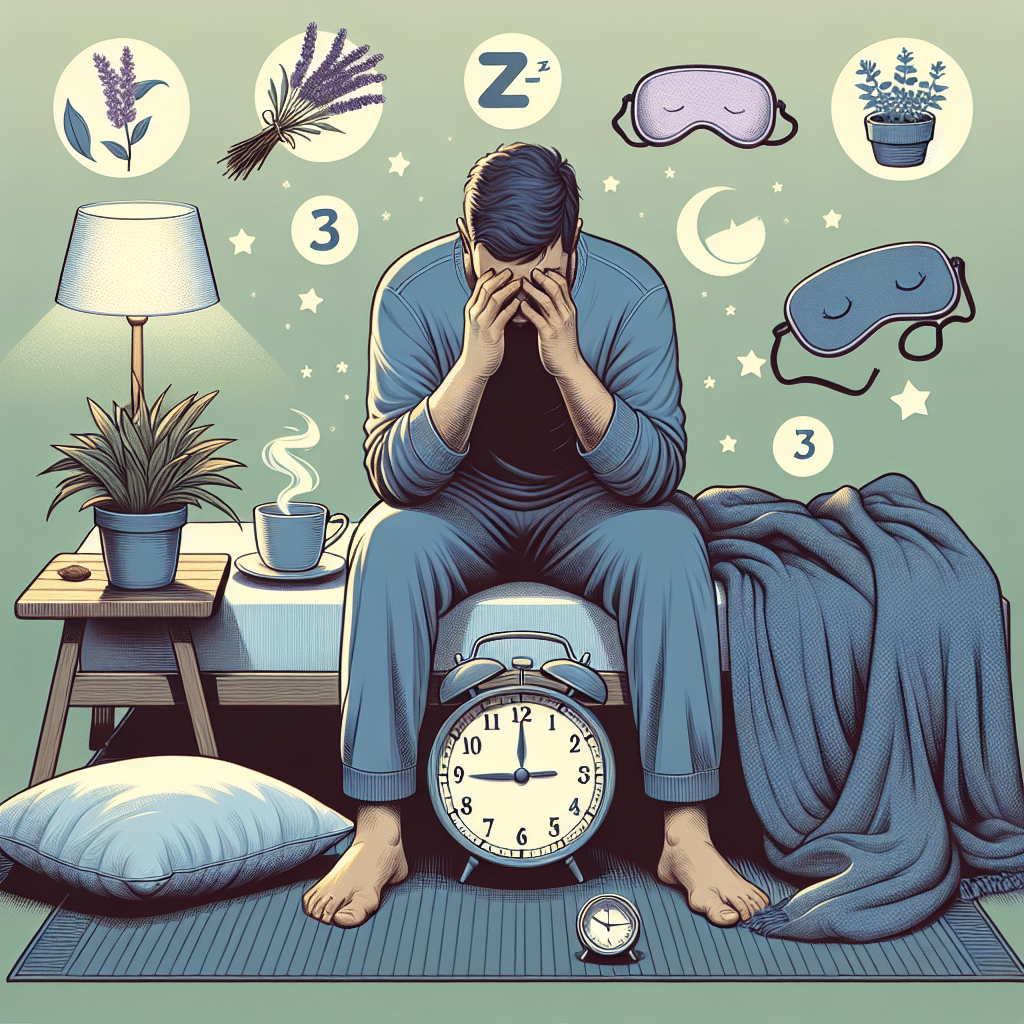
Signs of Insomnia
Insomnia is a common sleep disorder characterized by difficulty falling asleep, staying asleep, or waking up too early and not being able to go back to sleep. Understanding the signs and symptoms of insomnia is essential for effective treatment.
1. Difficulty Falling Asleep
One of the most prominent signs of insomnia is the inability to fall asleep within a reasonable period, usually defined as 30 minutes or longer. This struggle can stem from racing thoughts, anxiety, or discomfort in the sleeping environment. If you frequently find yourself lying awake in bed, staring at the ceiling and watching the clock tick away, this may indicate insomnia.
2. Frequent Night Awakenings
Waking up multiple times throughout the night is another hallmark of insomnia. If you find yourself waking up more than once and have trouble going back to sleep, it can disrupt your sleep cycle, leading to feelings of exhaustion during the day.
3. Waking Up Too Early
Individuals with insomnia may wake up significantly earlier than intended and be unable to fall back asleep. This premature awakening can lead to frustration and anxiety, exacerbating the condition.
4. Poor Sleep Quality
Even if you manage to get a fair amount of sleep, insomnia often affects its quality. You might feel as though your sleep is restless or unrefreshing, leading to daytime fatigue and irritability. Poor sleep quality can impact cognitive functions, memory, and emotional stability.
5. Daytime Fatigue
Chronic insomnia typically results in noticeable daytime consequences. Persistent tiredness, lack of energy, and difficulty concentrating are major signs that your sleep is not restoring your body’s energy levels.
6. Mood Changes
Insomnia can severely impact your emotional well-being. Individuals may experience mood swings, irritability, anxiety, or even depression due to inadequate sleep. Recognizing these changes can help in identifying insomnia’s toll on mental health.
7. Increased Responsiveness to Stress
With chronic lack of sleep, your ability to cope with stress diminishes. Your body becomes highly responsive to stress hormones, leading to heightened feelings of anxiety and panic.
8. Behavioral Changes
Insomnia can manifest in altered behaviors such as decreased motivation, withdrawal from social interactions, or reduced performance at work or in daily activities. These behavioral changes often stem from fatigue and mood alterations.
9. Physical Symptoms
Chronic insomnia may lead to physical symptoms such as headaches, gastrointestinal discomfort, or increased susceptibility to illnesses due to a weakened immune system. These physical ailments can further complicate the sleep disorder.
10. Dependency on Sleep Aids
Reliance on over-the-counter or prescription sleep medications can indicate insomnia. While these aids may provide temporary relief, long-term reliance can negatively affect sleep quality and overall health.
How to Treat Insomnia
Treating insomnia effectively often requires a multi-faceted approach involving lifestyle changes, behavioral therapy, and medical interventions if necessary. Here are comprehensive treatment options:
1. Cognitive Behavioral Therapy for Insomnia (CBT-I)
Cognitive Behavioral Therapy for Insomnia is a structured program designed to help individuals identify and replace thoughts and behaviors that cause or worsen sleep problems. CBT-I typically includes:
- Sleep Education: Gaining insights into sleep cycles and factors affecting sleep.
- Sleep Restriction: Limiting time in bed to align with your actual sleep duration.
- Stimulus Control: Creating a sleep-conducive environment by associating the bed solely with sleep.
2. Sleep Hygiene Improvements
Practicing good sleep hygiene can significantly improve sleep quality. Recommendations include:
- Consistency in Sleep Schedule: Go to bed and wake up at the same time daily, even on weekends.
- Comfortable Sleep Environment: Ensure your bedroom is dark, quiet, and at a comfortable temperature. Invest in a supportive mattress and pillows.
- Limit Screen Time: Avoid screens at least one hour before bed, as blue light can interfere with melatonin production.
- Create a Relaxation Routine: Engage in calming activities, such as reading or meditating, before bedtime.
3. Lifestyle Modifications
Certain lifestyle changes can alleviate insomnia symptoms:
- Regular Physical Activity: Engaging in regular exercise can help regulate sleep patterns. Aim for at least 30 minutes of moderate exercise most days, but avoid vigorous activity close to bedtime.
- Limit Caffeine and Alcohol Intake: Both substances can interfere with sleep patterns. Aim to avoid them several hours before bedtime.
- Eat a Balanced Diet: A nutritious diet, rich in whole foods and low in processed sugars, can positively impact sleep quality.
4. Mindfulness and Relaxation Techniques
Mindfulness practices can considerably reduce anxiety and promote better sleep. Consider techniques such as:
- Meditation: Regular meditation can calm the mind, making it easier to fall asleep.
- Yoga: Practicing yoga before bedtime can help reduce tension and encourage relaxation.
- Deep Breathing: Engaging in deep breathing exercises can lower stress levels and promote relaxation.
5. Exposure to Natural Light
Natural light exposure during the day helps regulate the body’s circadian rhythm. Spend time outside during daylight hours, especially in the morning. If this isn’t possible, consider using a light therapy box.
6. Supplements
Some natural supplements may help regulate sleep when used in moderation:
- Melatonin: A hormone that helps regulate sleep-wake cycles, melatonin supplements can be effective for people with insomnia. Consult with a healthcare provider for dosage recommendations.
- Valerian Root: Valerian supplements may provide a calming effect and help improve sleep quality.
7. Professional Help
If insomnia persists despite trying home remedies and lifestyle changes, consider consulting a healthcare professional. They can help diagnose potential underlying conditions contributing to insomnia, such as sleep apnea, anxiety disorders, or depression, and provide guidance on appropriate treatment options.
8. Prescription Medications
In cases where lifestyle changes and therapy are insufficient, healthcare providers may prescribe sleep medications. These should be used with caution due to potential side effects and the risk of dependency. Available options include:
- Benzodiazepines: These can be effective but are typically used short-term due to their addictive potential.
- Non-benzodiazepine Sleep Aids: Medications such as zolpidem can assist with sleep onset but also work best for short-term use.
9. Alternative Therapies
Exploring alternative treatments may also provide relief. Acupuncture, aromatherapy, or herbal treatments like chamomile tea and lavender may help promote relaxation and better sleep.
10. Cultural and Educational Resources
Engaging in workshops or seminars on sleep health can also provide individuals with the necessary tools and strategies to combat insomnia.
Persistent insomnia can disrupt your life in numerous ways, impacting daily functionality and overall health. Recognizing the signs is crucial in seeking appropriate treatment. The combination of proper diagnostics, lifestyle adjustments, and therapies can pave the way toward improved sleep and better health outcomes.