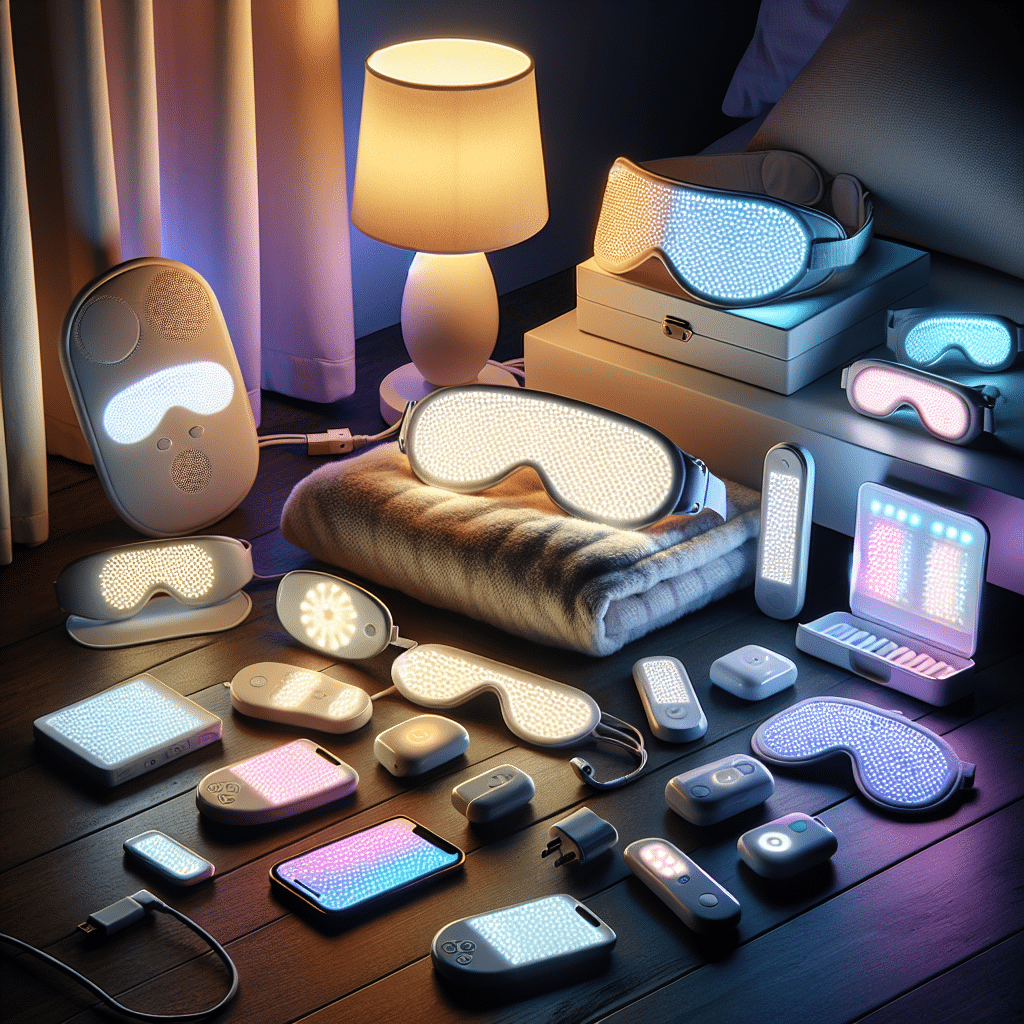
Understanding Sleep Disorders and the Role of Light Therapy
Sleep disorders affect millions of people globally, leading to daytime fatigue, mood disturbances, and reduced productivity. Common conditions include insomnia, sleep apnea, and circadian rhythm disorders. Natural light regulation plays a vital role in our sleep-wake cycle. Light therapy, which involves exposure to specific wavelengths of light, has emerged as an effective treatment for various sleep disorders.
The Science Behind Light Therapy
Light therapy is based on the principle that exposure to certain light wavelengths can influence biological processes. Melatonin, a hormone regulating sleep, is produced in response to darkness. Conversely, exposure to blue light, particularly in the morning, suppresses melatonin production, aiding in wakefulness. Light therapy utilizes this relationship by exposing individuals to bright light to help reset their circadian rhythms.
Types of Light Therapy Gadgets
Various light therapy devices exist on the market, each designed to offer specific benefits for sleep disorders. Here is a breakdown of the most common types, their functions, and which conditions they are best suited for.
1. Light Therapy Lamps
Function: Light therapy lamps emit bright white or blue light designed to replicate natural sunlight.
Best Suited For: Seasonal Affective Disorder (SAD) and circadian rhythm disorders.
How to Use: Typically, users sit in front of the lamp for about 20-30 minutes each morning. The intensity of light and distance from the source can influence effectiveness, with most devices emitting light at 10,000 lux.
Sample Products:
- Verilux HappyLight: Mimics natural sunlight and offers a variety of brightness settings.
- Northern Light Technology’s Boxelite: A high-intensity option specifically for SAD treatment.
2. Sunrise Alarm Clocks
Function: These devices simulate a gradual sunrise by emitting light that slowly increases in brightness over a set time.
Best Suited For: Individuals struggling to wake up in the morning, particularly those with delayed sleep phase syndrome.
How to Use: Set the alarm clock, and the light will increase in brightness 30 minutes to an hour before the preset wake time. This gradual cue helps to produce cortisol and melatonin at appropriate times.
Sample Products:
- Philips Wake-Up Light: Offers customizable sunrise settings and soothing sounds.
- Lumie Bodyclock: Provides a range of light settings and features natural sounds to ease waking.
3. LED Sleep Masks
Function: These masks combine the benefits of light therapy with the comfort of eye masks. They often emit red or amber lights typically associated with reduced melatonin suppression.
Best Suited For: Individuals with insomnia or high sensitivity to light.
How to Use: Wear the mask while falling asleep or during the early morning hours to help manage sleep quality and duration.
Sample Products:
- MZOO Sleep Mask: Soft, adjustable design that incorporates light therapy options.
- Drowsy Sleep Mask: Features built-in light therapy to promote relaxation.
4. Smart Lighting Systems
Function: These systems integrate with smart devices to allow users to control the intensity and type of lighting throughout their homes.
Best Suited For: Those needing to establish a personalized sleep environment, especially beneficial for shift workers.
How to Use: Program lights to dim in the evening and simulate sunrise in the morning through a compatible app.
Sample Products:
- Philips Hue Smart Bulbs: Dimming and color options for tailored light environments.
- LIFX Smart Bulbs: Highly customizable and controllable via smartphones and voice assistants.
Benefits of Light Therapy for Sleep Disorders
1. Improved Sleep Quality
Regular exposure to bright light can help users fall asleep faster and improve sleep duration and quality. Increased morning light exposure can promote alertness, making it easier for individuals to wake up feeling refreshed.
2. Enhanced Mood and Energy Levels
Bright light therapy can combat symptoms of depression associated with SAD and other mood disorders. By regulating circadian rhythms, users often experience increased energy levels, improved mood, and higher concentrations throughout the day.
3. Hormonal Regulation
Light therapy can facilitate the natural production of melatonin, optimizing the sleep-wake cycle. It’s particularly useful for those with irregular schedules or time-zone changes that disrupt normal sleep patterns.
4. Non-Invasive Treatment
Unlike medications, which can have side effects or dependency issues, light therapy is a non-invasive, drug-free solution that most users tolerate well with minimal side effects.
Tips for Using Light Therapy Gadgets Effectively
-
Consistency is Key: Use your light therapy gadget consistently and at the same time each day for optimal results.
-
Consult a Professional: Before starting any light therapy regimen, consult with a healthcare provider, especially if they have existing health issues or are on other medications.
-
Create a Comfortable Environment: Ensure the therapy area is conducive to relaxation—consider eliminating or dimming other light sources.
-
Manage Exposure Duration: Follow guidelines for duration and intensity for best results. Avoid excessive exposure that might lead to eye strain or headaches.
-
Use Complementary Techniques: Light therapy can be paired with other sleep hygiene practices, such as establishing a bedtime routine, maintaining a regular schedule, and creating a sleep-conducive environment.
Where to Buy Light Therapy Gadgets
These gadgets are widely available online and at retail locations specializing in health and wellness products. Check healthcare providers, sleep centers, or specialized online retailers for recommended devices. Always look for products that specify their efficacy and follow medical-grade standards for safety and efficacy.
Conclusion
Light therapy gadgets are rapidly gaining recognition as a comprehensive treatment for various sleep disorders. Their ability to improve circadian rhythms, regulate hormonal levels, and enhance mood makes them valuable tools for those seeking restful sleep without medication. The diversity of products available ensures that individuals can find a suitable solution tailored to their specific needs. Whether using light therapy lamps or smart lighting systems, users can empower themselves to take control of their sleep health.